Introduction
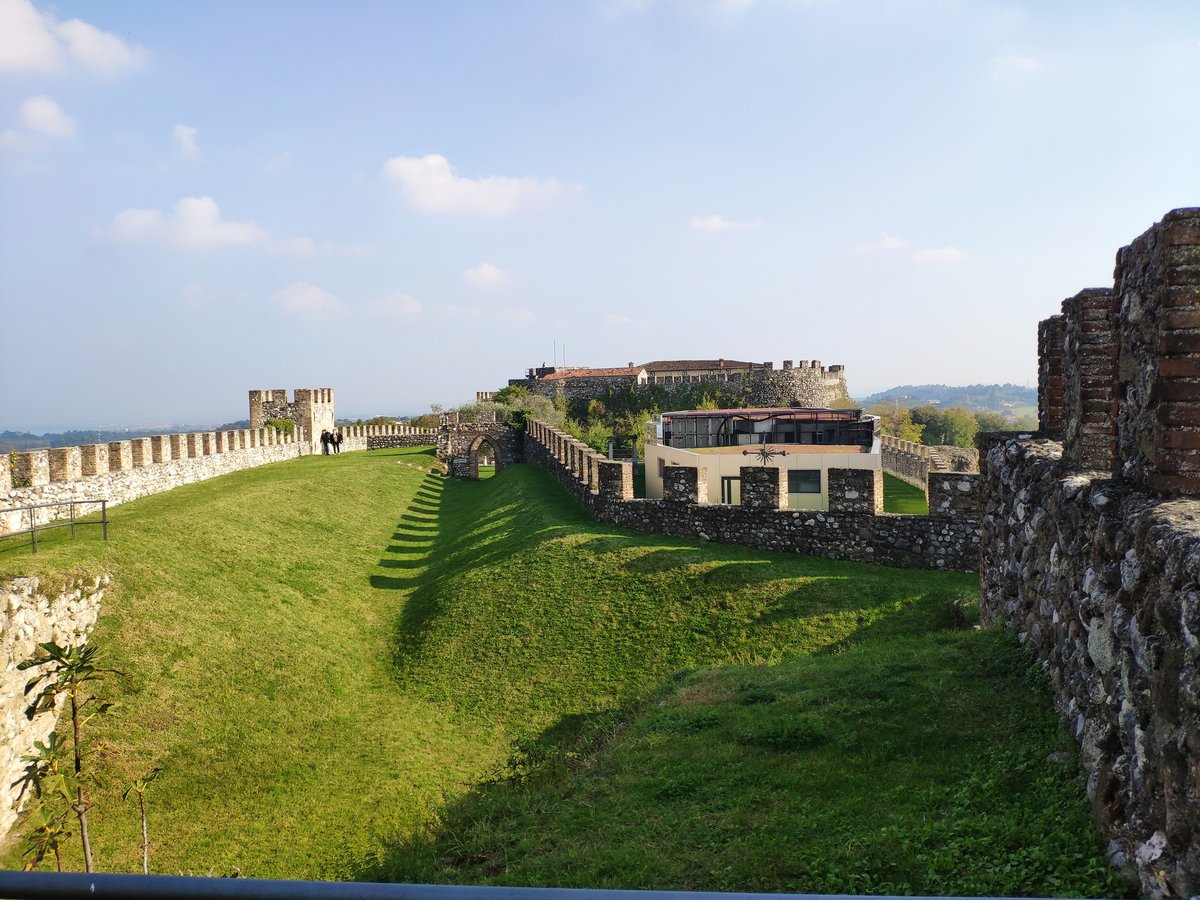
The Rocca di Lonato is not just a medieval fortress: it’s a natural balcony overlooking Lake Garda that will leave you breathless. As soon as you arrive, the sight of the towers silhouetted against the sky immediately tells you this place has something special. It’s not your typical postcard castle, but a location that tells stories of battles and dominations, with a somewhat rugged and authentic charm. I discovered it almost by chance during a weekend on Lake Garda, and I must say it was a pleasant surprise: the view from the keep is simply breathtaking, with the lake looking like a painting and the hills fading into the horizon. If you love history but also landscapes that stay with you, you’ll find plenty to satisfy your appetite here.
Historical Overview
The history of the Rocca reads like a true power saga. Built by the Visconti of Milan in the 14th century, it later came under the Republic of Venice in the 15th century, becoming a strategic outpost on Lake Garda. Imagine—
it was even briefly under Napoleon’s control! Today, beyond its imposing walls, it houses the Civic Ornithological Museum and a collection of ancient weapons that reveal its military significance. Walking among its stones, you can still sense the atmosphere of the garrisons that once inhabited it.
- 14th century: construction commissioned by the Visconti
- 15th century: Venetian rule with defensive expansions
- Late 18th century: Napoleonic occupation
- Today: national monument with a museum
The Weapons Museum: A Dive into the Past
Don’t expect a dull, dusty museum. Here, within the halls of the Rocca, there’s a collection of ancient weapons that seems straight out of a movie: swords, halberds, arquebuses, and even some complete suits of armor. I stopped to closely observe a 16th-century knight’s armor, thinking about who had worn it. It’s curious how these objects, once tools of war, now tell stories of medieval craftsmanship and technology. The section dedicated to early firearms is particularly interesting, with rare pieces not often seen elsewhere. If you’re traveling with children, you’ll see they’ll be fascinated—though, I must admit, some parents might need to explain that we don’t use these anymore today!
Climbing the keep: the panoramic reward
The real cherry on top is the climb to the keep. The steps are a bit steep and narrow, but it’s absolutely worth it. When you reach the top, one of the most beautiful views of the Brescian Garda unfolds before you: the lake sparkles under the sun, the Sirmione peninsula is clearly visible, and on clearer days, the distant mountains. I was there on a windy day, and the fresh air on my face while gazing at that landscape was an almost meditative experience. I recommend bringing a camera because the photos from up here are spectacular, especially at sunset when the light turns golden. Just be cautious if you suffer from vertigo: you can really feel the height!
Why Visit It
Three concrete reasons not to miss it? First, the view from the keep is one of the best on Lake Garda – and I’ve seen many. Second, the weapons museum isn’t just another collection of relics, but a well-curated exhibit that captivates even non-experts. Third, the fortress has an authentic atmosphere, without excessive modern restorations that could alter its character: here you walk on stones that have witnessed centuries of history. And let’s be honest, it’s a great alternative to crowded beaches when you want a change of scenery.
When to Go
I recommend avoiding the hottest hours of summer, because climbing up to the keep under the scorching sun can be tiring. The ideal time is early morning, when the air is fresh and the light is perfect for photos, or late afternoon to enjoy the sunset. In spring and autumn, the visit is even more pleasant: fewer tourists and mild temperatures. In winter, if you catch a clear day, the panorama has a special charm, with snow-capped mountains in the background – but always check the opening hours, as they might be reduced.
In the Surroundings
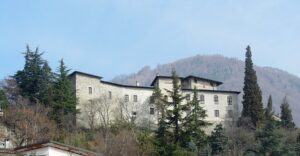
If you have time, don’t limit yourself to the fortress. Just a few minutes away is the Podestà’s House, a museum dedicated to Ugo da Como with an ancient library that seems straight out of a novel. For a different experience, take a quick trip to the nearby Forcello Archaeological Park, where you can see the remains of an Etruscan settlement – a unique testament in the area. If instead you want to end with something delicious, in the countryside around Lonato there are farms that produce excellent local wines, such as Lugana, and often organize tastings.