The Verucchio Civic Archaeological Museum safeguards one of Italy’s most significant collections on the Villanovan civilization (9th-7th century BC), a precursor to the Etruscans. The artifacts come from local necropolises and include the Verucchio Throne, one of the oldest examples of European furniture. The exhibition is modern and clear, with explanatory panels making the visit accessible even to non-experts.
- Unique Villanovan Collection: perfectly preserved urns, decorated vases, amber and bronze jewelry, and funerary sets
- Verucchio Throne: an inlaid oak wood chair that has survived for nearly 3000 years
- Modern Exhibition: well-lit display cases, clear panels, and an interactive section for children
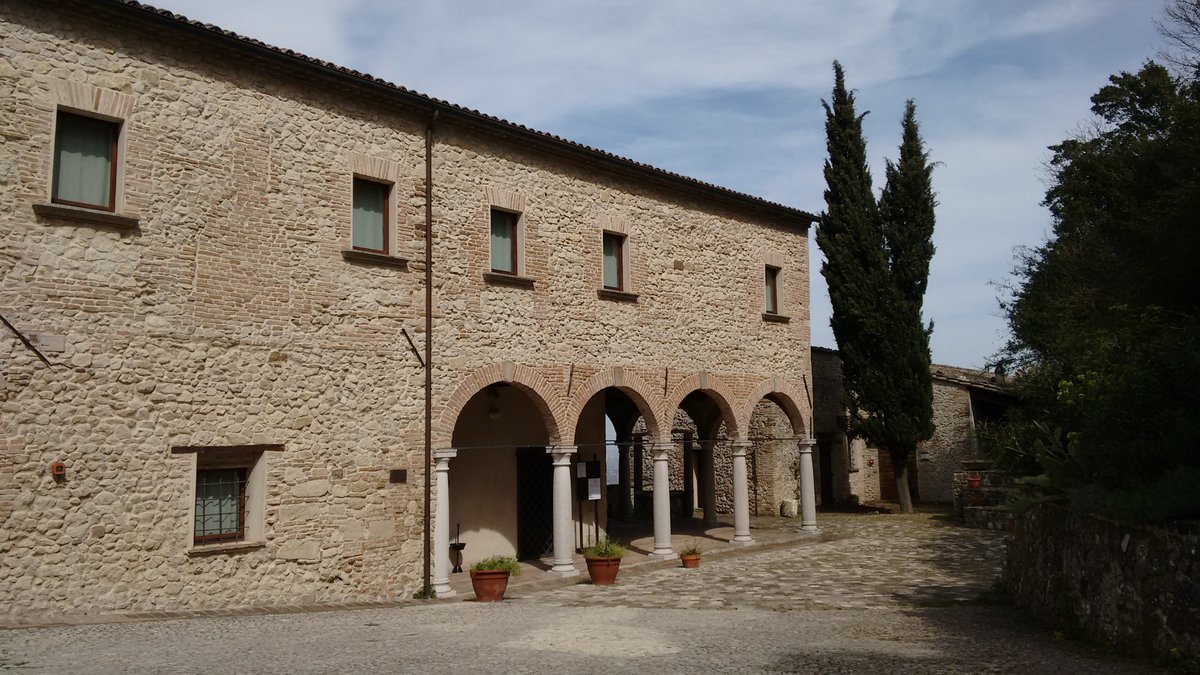
- Location in the Medieval Village: housed in the former Monastery of Sant’Agostino, with the opportunity to stroll through the cobblestone streets after the visit
Introduction
The Verucchio Civic Archaeological Museum is not just a museum; it’s a breathtaking journey through time. As soon as you enter, you’re welcomed by an intimate, almost familiar atmosphere, far from the crowded large museums. What immediately strikes you are the Villanovan and Etruscan artifacts, perfectly preserved and narrated with passion. I felt like an explorer uncovering hidden treasures, with each object seeming to have a story to reveal. The location, perched on a hill overlooking the Valmarecchia valley, adds a touch of magic: it’s as if the past and the landscape blend together. For me, it was one of those places that makes you rethink history in a tangible way, not just from books. If you love authentic details, you’ll find plenty to sink your teeth into here, with artifacts that speak of daily life, rituals, and craftsmanship from over 2,500 years ago. A visit that makes you feel part of something ancient and fascinating.
Historical Overview
Verucchio is a true archaeological gem, with a history rooted in the
Iron Age. The museum primarily focuses on the Villanovan culture, which flourished here between the 9th and 7th centuries BC, before evolving into Etruscan contacts. The artifacts mainly come from local necropolises, such as the one at Piana, where tombs rich with funerary goods have been excavated. A key figure is the
Princess of Verucchio, a high-ranking female burial whose personal items, like jewelry and textiles, offer a unique glimpse into the society of that era. I found it incredible how these discoveries reveal an advanced community, with trade exchanges reaching Central Europe. It’s not just old stuff: it’s evidence of a vibrant and sophisticated civilization, often overlooked in favor of the more famous Etruscans.
- 9th-7th centuries BC: Flourishing of the Villanovan culture in Verucchio
- 20th-century excavations: Discovery of necropolises, such as the one at Piana
- 1980s: Opening of the museum to showcase local artifacts
- Today: Museum as a reference point for studies on the Iron Age in Emilia-Romagna
The Villanovan Treasures
One of the things that struck me most is the collection of urns and vases, decorated with geometric patterns that seem almost modern. But the highlight, in my opinion, are the funerary goods, with objects that tell stories of life and death. I spent quite some time observing the amber and bronze jewelry, finely crafted: they make you understand how advanced the craftsmanship was back then. There is also a section dedicated to textiles, with fragments of fabric preserved in a surprisingly good condition, showing colors and textures still vivid. I wondered how they managed to create such beautiful things without modern technology. For families, it’s an excellent opportunity to show children what ancient life was like, with artifacts that stimulate curiosity. The museum isn’t huge, but every corner hides something special, like the weapons and tools that seem straight out of a historical film. A visit that makes you appreciate the skill and creativity of a distant people.
The Exhibition and Experience
The museum’s exhibition is modern and engaging, without being overly technological. I appreciated how the explanatory panels are clear and direct, with essential information that doesn’t overwhelm you. The display cases are well-lit, allowing you to admire the details of the artifacts, such as the engravings on vases or the textures of fabrics. There’s also an interactive section for younger visitors, with games and activities that make history accessible and fun. I noticed that the audio guide, if available, is helpful but not essential: the museum speaks for itself, with a logical path that guides you from the necropolises to daily life. The atmosphere is calm, ideal for taking your time without rushing. Personally, I appreciated the opportunity to linger over certain objects, like the fibulae and pendants, which seem like small works of art. It’s a place where you can truly immerse yourself, without distractions, and leave with a new perspective on the past.
Why Visit It
Visiting this museum is worthwhile for at least three concrete reasons. First, it offers a unique insight into Villanovan culture, often less known compared to the Etruscans, with artifacts you won’t find elsewhere in Italy. Second, it’s perfect for families: it’s not too large, has interactive sections, and children can enjoy discovering ancient treasures. Third, the location in Verucchio adds value: after the visit, you can explore the perched medieval village, with panoramic views that complete the historical experience. For me, it was a way to connect local history with the territory, making the journey richer and more authentic. If you’re an archaeology enthusiast or simply curious, you’ll find something special here, without the crowds of more famous museums.
When to Go
The best time to visit the museum, in my experience, is during spring or autumn mornings. During these seasons, natural light streams through the windows, illuminating the exhibits in a captivating way, and the weather is pleasant for a stroll in Verucchio afterward. In summer, it can get hot, but the museum stays cool inside, so it’s also a good option if you’re seeking shelter. I’d avoid peak-season weekends if you prefer tranquility: on weekdays, I’ve found few visitors, allowing me to enjoy everything at a leisurely pace. Personally, I love going when there’s a bit of mist, as it makes the atmosphere even more mysterious, as if the past feels closer. There’s no wrong time, but if you want a more intimate experience, aim for less crowded hours.
In the Surroundings
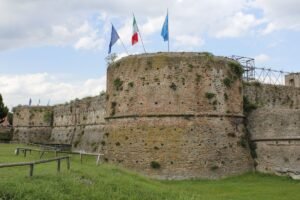
After the museum, I recommend exploring Verucchio itself, a medieval hilltop village with breathtaking views over the Valmarecchia valley. Stroll through the narrow streets and visit the Malatesta Fortress, which overlooks the town and offers another dive into history. If you have time, another nearby themed experience is the Museo della Regina in Cattolica, dedicated to local maritime history, perfect for those wanting to explore the connection between land and sea in Romagna. Both places are a short distance away, allowing you to create a rich itinerary without stress. I did this and felt like I was on a layered journey, from archaeology to the Middle Ages, all in one day.