Gabriele d’Annunzio’s Birthplace Museum in Pescara: A Treasure Trove of the Poet’s Memories

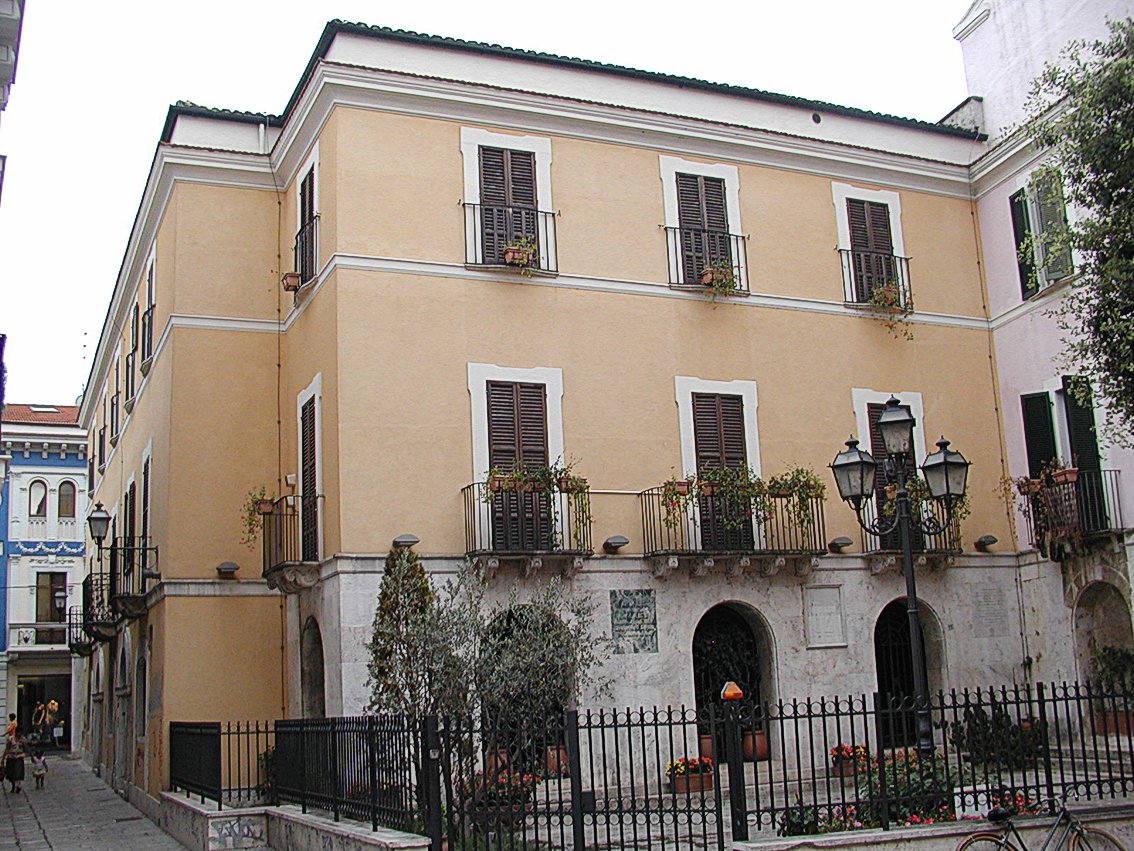
In the heart of Pescara, just steps from Corso Manthoné, stands the house where Gabriele d’Annunzio was born on March 12, 1863. This museum preserves the 19th-century atmosphere with period furnishings and personal items that let you relive the origins of the Poet. Three floors of history take you from the dining room with the original table to the bedroom where he came into the world. Autograph manuscripts and first editions of his most celebrated works. The desk where young Gabriele composed his first verses. Photographs and documents that recount his connection to his hometown.

Copertina itinerario Gabriele d'Annunzio's Birthplace Museum in Pescara: A Treasure Trove of the Poet's Memories
The house where Gabriele d’Annunzio was born in 1863, now a museum with original furnishings, manuscripts, and memorabilia that tell the story of the poet’s life. Open year-round in Pescara’s historic center.

Good to know


Introduction

Entering the birthplace of Gabriele d’Annunzio in Pescara is like taking a leap back in time, into a corner of the historic center that preserves the 19th-century atmosphere intact. This is no ordinary museum: here, you can still breathe the air that inspired the young poet, among walls that witnessed his first steps. The feeling is that of flipping through a secret diary, made of original furnishings, yellowed manuscripts, and small personal mementos. I was immediately struck by the simplicity of the spaces, far from the pomp one might expect from the ‘Vate’. Instead, everything speaks of a real life, filled with passions and contradictions. The house is located on Corso Manthoné, a street that still retains its ancient charm, yet just steps away from the sea and Pescara’s nightlife. A contrast that makes the visit even more surprising.

Historical Background

This 19th-century bourgeois house witnessed the birth of Gabriele d’Annunzio on March 12, 1863. The family lived here until 1874, after which the property changed hands multiple times, even facing the threat of demolition. Fortunately, in the 1960s, it was acquired by the Municipality of Pescara and transformed into a museum. Today, it preserves authentic objects from the d’Annunzio family: the mother’s piano, the bed where the poet was born, and even some clothing. First editions of his works and letters revealing lesser-known aspects of his character are also on display. Essential timeline:

  • 1863: Gabriele d’Annunzio is born in this house
  • 1874: The family moves to Prato
  • 1963: The Municipality of Pescara purchases the building
  • Today: Museum open to the public with guided tours

The Furnishings That Tell a Story

What makes this museum special is the abundance of original furnishings. These are not reconstructions or replicas: they are the very furniture used daily by the d’Annunzio family. Walking through the rooms, one immediately notices the simple, unadorned canopy bed where the poet was born. Then there is the living room with the piano belonging to his mother, Luisa de Benedictis, a cultured woman who greatly influenced her son. Personally, I was struck by the desk: small, almost modest, where the young Gabriele likely wrote his first verses. These objects provide a tangible sense of the bourgeois lifestyle of the era, far from the excesses d’Annunzio would later seek. It’s a detail many literary museums lack, and here it is the heart of the experience.

The Manuscripts and Memorabilia

In addition to the furnishings, the museum houses rare documents and personal memorabilia that reveal the man behind the myth. There are early drafts of poems, with handwritten corrections that show the poet’s labor limae. Particularly interesting are the youthful letters, where that complex and passionate character already emerges. Among the memorabilia, some clothing and personal accessories stand out, but also more intimate objects like his pen holder. What surprised me is the normality of certain artifacts: they are not shrine relics, but testimonies of everyday life. Perhaps this is precisely the strength: showing d’Annunzio not only as a literary icon, but as a flesh-and-blood person, with his weaknesses and his passions. A perspective rarely found in school books.

Why Visit It

Visiting this museum is worthwhile for at least three concrete reasons. First: it’s the only place in the world that preserves the original environments where d’Annunzio was born and raised, with authentic furnishings that don’t exist elsewhere. Second: it offers an intimate and human perspective of the poet, far from clichés, through personal objects and unpublished documents. Third: its location in the historic center of Pescara allows you to combine the visit with a stroll through the ancient alleyways and a stop at one of the area’s typical local spots. It’s not a huge museum, but every corner tells a story. Perfect for those who want to understand the Abruzzese roots of one of Italian literature’s most controversial figures, without having to tackle overly academic paths.

When to Visit

The museum is open year-round, but in my experience, the best time to visit is on an autumn or spring afternoon, when the warm light filters through the windows and creates a particularly evocative atmosphere inside. In summer, Pescara’s historic center can get quite crowded, while during quieter months, you can better enjoy the peacefulness of the rooms. I would avoid peak weekend hours: a weekday morning or early afternoon is preferable, when you can stroll calmly through the halls almost alone. In winter, the heating makes the spaces cozy, but natural light is less abundant. In short, each season has its charm, but to fully appreciate the intimate atmosphere of the house, I prefer moments of tranquility.

In the Surroundings

After leaving the museum, I recommend two nearby thematic experiences. The first is a stroll along Corso Manthoné and the streets of the historic center, where you can still breathe in the 19th-century architecture and find artisan workshops. The second, for those wanting to delve deeper into d’Annunzio’s connection to the area, is a visit to the Museo delle Genti d’Abruzzo, just a few minutes’ walk away, which showcases the material culture of the region that greatly influenced the poet. Both places complete the picture, showing the context in which d’Annunzio grew up. And let’s not forget that just a stone’s throw away is the seafront promenade, perfect for a break with views of the Adriatic.

💡 Did You Know…?

In the first-floor bedroom, the original cradle where little Gabriele slept. The house was saved from bombing during World War II by the will of the citizens, who already considered it a city symbol. The study still preserves the pen he used to write letters to his mother during his boarding school years.