Palazzetto Imperato Pescara: The Liberty Villa with Frescoes and a Secret Garden

If you’re passing through Pescara, Palazzetto Imperato is a stop worth making. This 1910 Liberty villa, in the heart of the city, preserves original frescoes and a hidden internal garden. It’s a piece of local history that speaks to the elegance of early 20th-century Pescara. • Perfectly preserved Liberty frescoes in the main rooms • Secret internal garden with period plants • Guided tours by appointment, often organized by local cultural associations • Central location just steps from Corso Umberto I and the train station

Copertina itinerario Palazzetto Imperato Pescara: The Liberty Villa with Frescoes and a Secret Garden
Palazzetto Imperato is a 1910 Liberty-style villa in the center of Pescara, featuring original frescoes, an internal garden, and guided tours by appointment. Discover its history and how to visit.

Good to know


A Liberty Corner in the Heart of Pescara

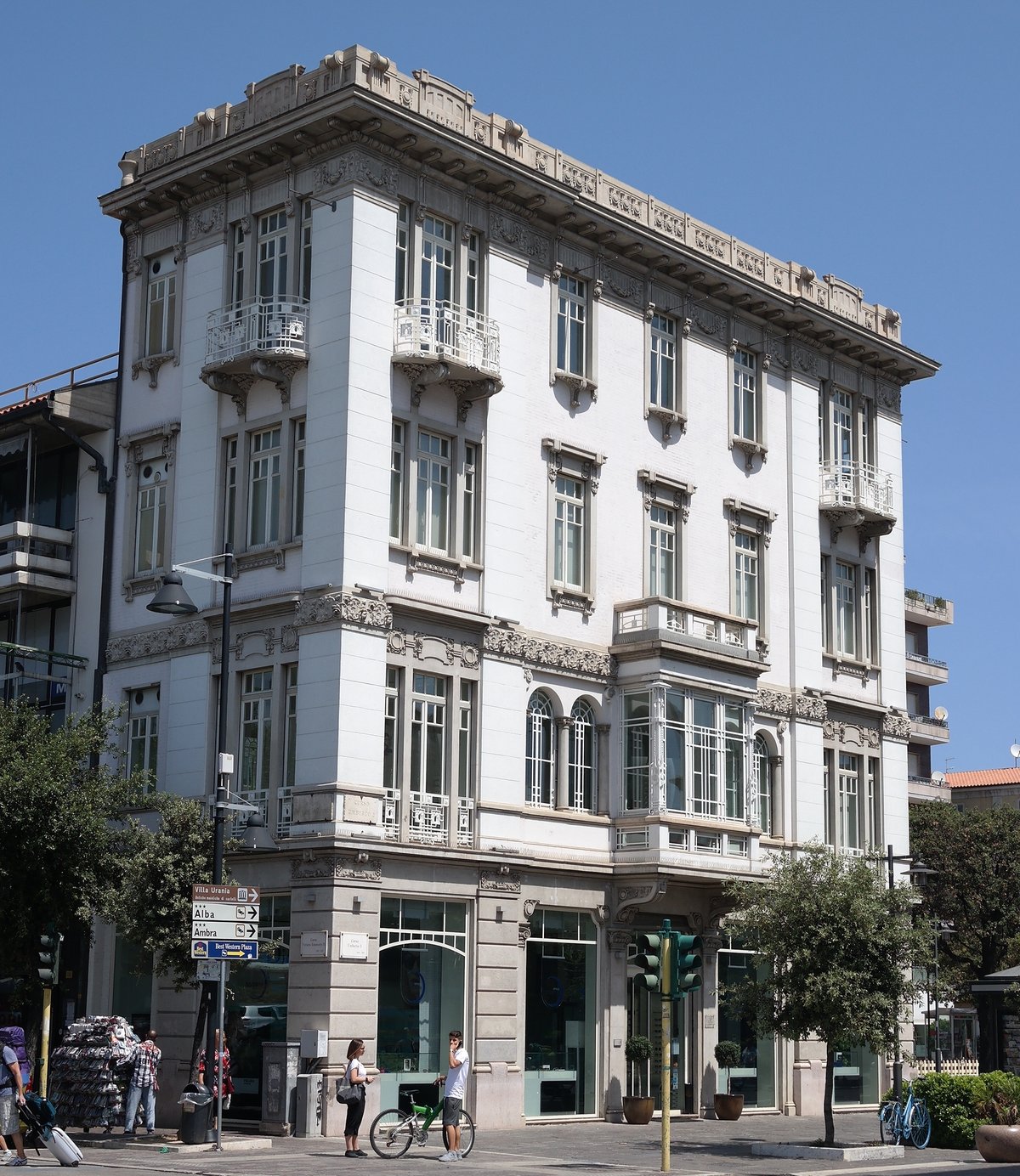
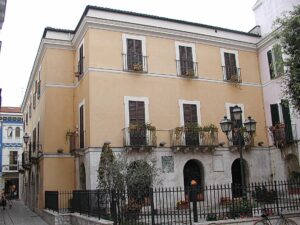
Walking through the center of Pescara, among modern buildings and traffic, Palazzetto Imperato appears as an elegant and silent surprise. It’s not one of those attractions you expect, and perhaps that’s precisely its charm. The 1910 Liberty-style villa almost hides itself, with its floral facade that seems to tell stories from another era. You pass through the gate and find yourself in another time, far from the city chaos. The visual impact is strong: those wrought-iron details, the stained-glass windows, the atmosphere you breathe as soon as you enter. I was struck by how such an intimate place can exist right in the heart of the city, almost like a well-kept secret. It’s not just architecture; it’s an emotion that takes hold when you discover that behind those walls lies an internal garden, a true hidden green lung. I think it’s one of those places that makes you realize how much Pescara has to offer beyond the sea.

History and Transformations

Palazzetto Imperato was not built by chance. It was commissioned by Giuseppe Imperato, a local entrepreneur, who in 1910 decided to construct his residence in the Art Nouveau style, which was highly fashionable at the time. The architecture reflects the influence of Italian Liberty style, with that blend of elegance and modernity characteristic of the era. During World War II, the villa suffered damage, but fortunately, the interior frescoes were preserved. Over the years, it has served various purposes, from a private residence to a venue for activities, yet it has always retained its original soul. Today, after careful restoration, it has regained its splendor, preserving those elements that make it unique. I like to think that every room has witnessed generations of Pescara residents, each with their own stories. The timeline summary:

  • 1910: Construction commissioned by Giuseppe Imperato
  • 1940s: War damage, but the frescoes were saved
  • Last century: Various uses
  • Today: Restoration and guided tours by appointment

The Frescoes That Tell Stories

Entering the halls of Palazzetto Imperato means immersing yourself in a world of colors and symbols. The original frescoes from 1910 are still there, intact and vivid, and they are not mere decorations. They depict mythological and allegorical scenes, with figures that seem to move across the walls. I noticed details like stylized flowers and geometric patterns intertwining, typical of the Art Nouveau style, but with a delicacy that invites you to look closely. They are not famous artworks, but they have an authentic character that makes you feel connected to the era. In one room, for example, there is a fresco representing the seasons, with such minute details that you could lose half an hour in it. I think they are the heart of the villa, because they show how art was an integral part of daily life back then. If you visit, take the time to observe them: they tell more than any guide.

The Secret Garden

Perhaps the most magical thing about Palazzetto Imperato is its inner garden, an unexpected oasis of peace. It’s not large, but it’s lovingly maintained with local plants that create a green corner amidst the city’s concrete. When I visited, I immediately felt the difference: the air is fresher, the traffic noise fades away. There are trees providing shade and flowers adding color, but what strikes you is the sense of intimacy. It feels like a place where, a century ago, the Imperato family would gather for tea. Today, during visits, you can sit for a moment and imagine those scenes. It’s not a monumental park, but it has a domestic character that makes it special. For me, it’s the detail that transforms the visit from a simple tour into a personal experience. If you go, don’t skip it: this is where you understand why this villa is worth seeing.

Why It’s Worth Visiting

Visiting Palazzetto Imperato isn’t just for architecture enthusiasts. First, it’s a rare example of Liberty style in Pescara, perfectly preserved, showing you a side of the city often overlooked. Second, guided tours by appointment are led by passionate guides who share anecdotes and details, making the experience lively and engaging. Third, the internal garden offers a unique moment of relaxation in the city center, ideal for a refreshing break. I went there somewhat skeptical, thinking it was just an old house, but I left with a new perspective on Pescara. It’s not a crowded destination, so you can enjoy it calmly, without rush. If you’re looking for something authentic, off the usual tourist paths, this is the right place.

The Right Moment

There isn’t a perfect season for Palazzetto Imperato, but in my opinion late afternoon is the most evocative time. Sunlight filters through the stained glass windows, creating shadow plays on the frescoes that almost seem to come alive. In summer, the inner garden is more lush and fragrant, but autumn has its own charm too, with leaves falling gently. I’d avoid peak hours in the city center, because the villa’s silent atmosphere gets lost in the outside noise. I visited on a sunny day and noticed how the rays highlighted details in the frescoes that would otherwise go unnoticed. Perhaps in winter, with fewer tourists, there’s an even greater sense of intimacy. In any case, book in advance: visits are limited and fill up quickly on weekends.

What to combine in the surrounding area

After Palazzetto Imperato, you can explore other corners of Pescara that complete the visit. I recommend the Museum of the People of Abruzzo, just a few minutes’ walk away, where you can discover local history and traditions through objects and stories. It’s an excellent way to contextualize the villa within Abruzzese culture. Alternatively, if you prefer something lighter, take a stroll along the Pescara seafront, starting from the port area: the contrast between the villa’s Liberty style and the modern sea is interesting. Both places are easily accessible and add depth to your day. I did it this way and felt I better grasped the soul of the city.

💡 Did You Know…?

The villa was built for the Imperato family, local merchants. During World War II, it sustained damage, but the frescoes were protected with tarps and straw, saving them almost intact. Today, the garden still hosts an ancient fig tree planted by the original owners, a detail that makes the visit more personal.