Bastiglia in Salerno: The Medieval Village with the 12th-Century Castle

Bastiglia is a hamlet of Salerno that offers a plunge into the Middle Ages with its 12th-century castle and well-preserved historic village. Perfect for a day trip, it provides tranquility and authentic glimpses away from tourist crowds.
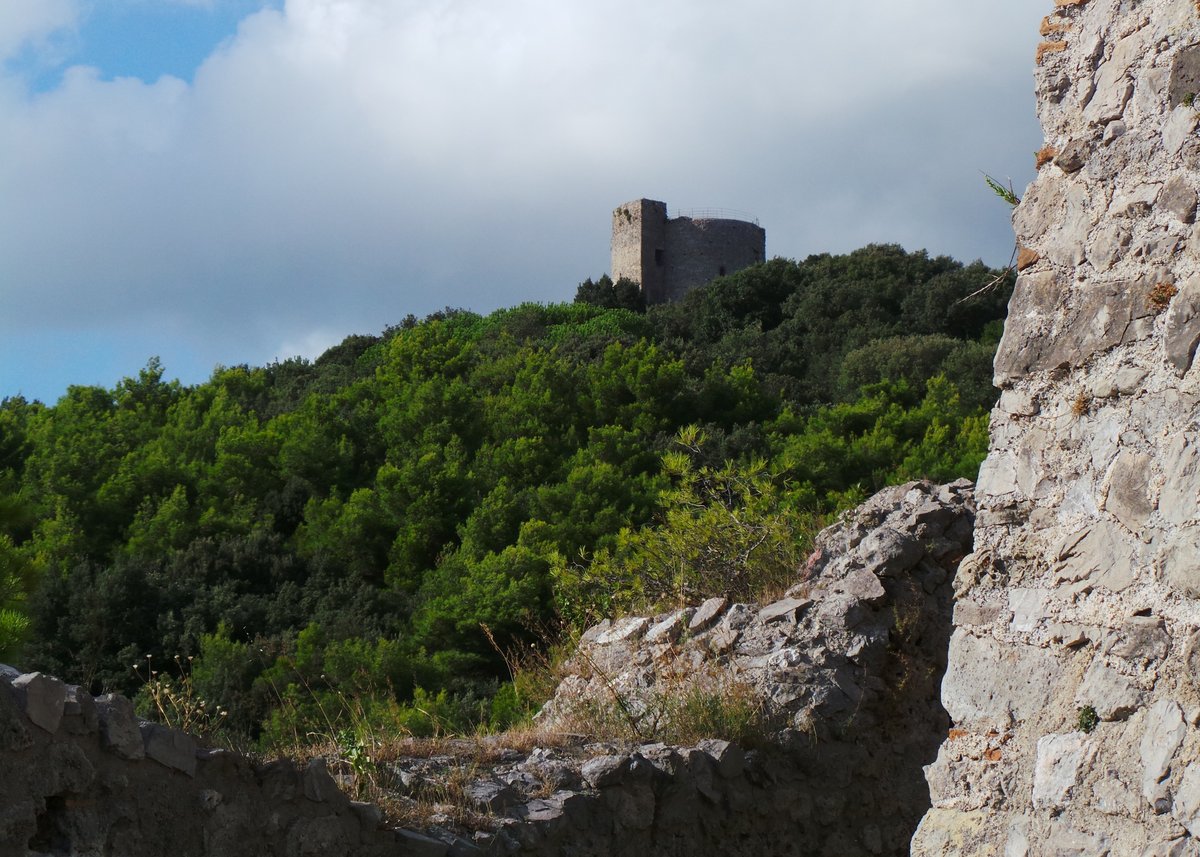
Bastiglia Castle: Dating back to the 12th century, it dominates the Irno Valley with its imposing structure.
Medieval Village: Cobbled alleys, stone arches, and ancient houses that tell centuries of history.
Views over the valley: Panoramic points overlooking the Irno Valley and surrounding hills.
Tranquility: A less crowded place, ideal for those seeking authenticity and peace.

Copertina itinerario Bastiglia in Salerno: The Medieval Village with the 12th-Century Castle
Bastiglia, a hamlet of Salerno, preserves a 12th-century castle and a well-maintained medieval village. Ideal for a day trip blending history and views over the Irno Valley.

Good to know


Introduction

Bastiglia is not one of those villages you’d expect to find just a stone’s throw from Salerno. You arrive and it immediately strikes you: a cluster of stone houses perched on a rocky spur, with its castle overlooking the Irno Valley from above. It’s a sight that seems to stop time. It’s not a crowded place; in fact, you often have it almost all to yourself. Walking through the paved alleys, among arches and staircases, you breathe in an authentic atmosphere, light-years away from urban chaos. Personally, I was surprised by how well-preserved it is, almost untouched. A corner of the Middle Ages that endures, silent and proud.

Historical Overview

The history of Bastiglia is closely tied to its castle, built in the 12th century as a Norman defensive outpost. It was not a noble residence but a military fortress, evident from its strategic position and massive structures. Over time, it passed under various rulers, from the Angevins to the Aragonese, undergoing modifications and sieges. The village developed around the fortress, inhabited by farmers and soldiers. Today, although not regularly open to visitors inside (it occasionally opens for events), the castle remains the undisputed symbol of the place. A timeline to outline key events:

  • 12th century: construction of the Norman castle.
  • Angevin period: expansion of defensive structures.
  • Aragonese rule: further architectural modifications.
  • Until the 19th century: gradual abandonment of military function.
  • Today: a historical asset of municipal interest, heart of the medieval village.

The Castle and Its Walls

Bastiglia Castle, though often closed, is worth seeing just from the outside. Its walls made of local limestone change color with the daylight, from pale gray in the morning to warmer tones at sunset. It’s not a fairy-tale castle; it’s austere, powerful. Walking around it, you can still see the arrow slits and the foundations of the towers. The best spot to admire it? From the small square in front of the main entrance, where you get an impressive overall view. Sometimes, if you’re lucky, you might catch a glimpse of something through the massive wooden gate. I’ve often wondered what life must have been like inside these thick walls, with the valley below acting as a natural sentinel.

Strolling Through the Village

The true magic of Bastiglia lies in getting lost among its narrow lanes. There are no tourist shops or flashy signs, only carefully restored houses, wooden doorways, and small hanging gardens. You climb up and down steep staircases, passing under low arches that seem to embrace the passerby. The atmosphere is tranquil, almost suspended. Every corner offers unexpected glimpses: a sudden view over the valley, a flower-filled courtyard, an ancient stone washbasin still visible. I noticed that many residents take pride in their homes, and this is palpable. It’s not a museum; it’s a lived-in place. Walking here without a specific destination is the best experience you can have.

Why Visit

For at least three concrete reasons. First: it’s a rare example of a perfectly preserved medieval village just a few kilometers from a city like Salerno, ideal for a quick escape from the hustle and bustle. Second: it offers breathtaking views of the Irno Valley that few know about, especially from the natural terrace near the castle. Third: it’s authentic. You won’t find kitschy souvenirs or entrance lines, but the genuine feeling of discovering a place that exists for itself, not for visitors. It’s perfect for those seeking history without rhetoric and silence without boredom.

When to Go

The best time? Definitely in the late afternoon, especially in spring or early autumn. The slanting sunlight enhances the stone’s colors and creates long shadows that accentuate the medieval profile of the village. In summer, midday hours can be muggy, while in winter the atmosphere is more evocative but you need to bundle up. I visited on an October day, with a clear sky, and the memory is still vivid: the crisp air, the silence broken only by the wind, and that golden light that seemed to envelop every stone. Avoid days of heavy rain, as the narrow streets become slippery.

In the Surroundings

If you wish to extend your exploration, here are two authentic and nearby suggestions. The first: the Sanctuary of San Michele in Olevano sul Tusciano, a Lombard-era cave-sanctuary nestled in the mountains, about a twenty-minute drive away. A place of worship and history immersed in nature, with a path that winds up through the rock. The second: a stop for a lunch featuring local products at one of the inland Salerno farmhouses (masserie), where you can taste cheeses, cured meats, and extra virgin olive oil produced on-site. Two experiences that perfectly complement your visit to Bastiglia, blending ancient spirituality with genuine flavors.

Itineraries nearby


💡 Did You Know…?

Bastiglia Castle was built in the 12th century as a Norman defensive outpost along the Irno Valley. Over the centuries, it passed under various noble families, including the Sanseverino, who expanded its structures. During the Middle Ages, the village was an important agricultural center and controlled communication routes inland. Today, walking through the alleys, one can still notice the ancient village gates and the remains of the walls that once protected the inhabitants.