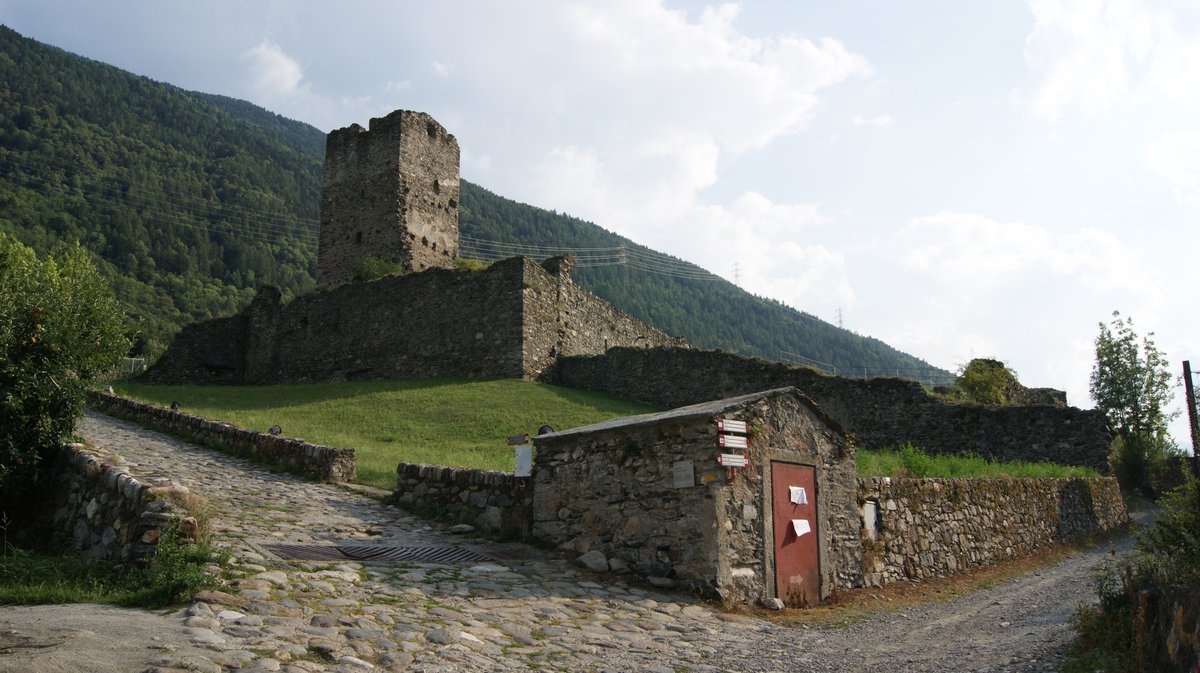
The Castello di Santa Maria, also known as Castellaccio, is a historic bastion of Tirano, built between 1492 and 1493 to defend Valtellina against the Grisons. Today, after major restoration, you can visit the six-meter square keep and the underlying parade ground, used for events. The recommended route starts from Via Torelli and climbs through apple orchards to the fortress, offering a view of the Tirano basin.
– Fascinating history: commissioned by Ludovico il Moro and designed by Ambrogio Ferrari, it was destroyed in 1639.
– Surviving architecture: square crenellated tower with loopholes and windows, remains of walls and underground rooms.
– Archaeological finds: during restoration, frescoes, ceramics, and a plate with the face of Beatrice d’Este emerged.
– Events and panoramas: the parade ground hosts events; from the top, you enjoy a unique view of Tirano and the Alps.
Introduction
Perched on a hill, Castello Santa Maria dominates Tirano like a stone sentinel. It is a fortress commissioned by Ludovico il Moro between 1492 and 1493, designed by Ambrogio Ferrari to defend Valtellina from the Grisons. Today, after restoration, the square keep and the parade ground tell centuries of history, through slits, windows, and archaeological finds. Climbing up here means immersing yourself in a medieval atmosphere, with a breathtaking view of the Tirano basin. A place that combines history and landscape, perfect for anyone looking for a dive into the past.
Historical Background
The idea to fortify Tirano dates back to 1487, when Ludovico il Moro feared an invasion by the Grisons. Construction began in 1492 under the direction of the ducal engineer Ambrogio Ferrari and was completed in 1499. The castle had a short life: in 1639 it was destroyed by the Grisons upon their return. In February 1500, Ludovico il Moro, fleeing to Tyrol, spent a night here. After centuries of abandonment and looting, the Municipality of Tirano restored it with funds from the Valtellina Law, unearthing artifacts such as a plate depicting the face of Beatrice d’Este.
Timeline
- 1487 – Ludovico il Moro decides to fortify Tirano
- 1492-1493 – Construction of the castle designed by Ambrogio Ferrari
- 1499 – Completion of the fortress
- February 1500 – Ludovico il Moro stays while fleeing
- 1639 – Destruction by the Grisons
- 21st century – Restoration and archaeological excavations
Architecture and Ruins
Of the original castle, only the square keep with loopholes, small windows, and beam holes remains, along with part of the enclosing walls. The structure developed over several floors, as can be seen from the marks of the floors. The tower, tall and imposing, is accessible only through a raised entrance with a breach. Around it, the remains of the walls fade into the apple orchards and the woods. The defensive system also included three gates: Bormina, Poschiavina, and Milanese, the latter connected to the castle by an enclosure with turrets. A scenic route between history and nature.
The Parade Ground and the Restorations
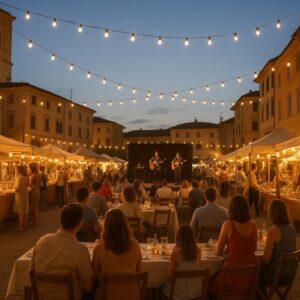
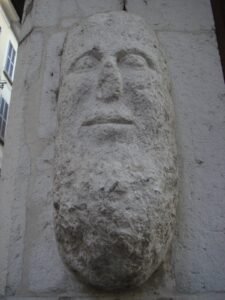
The parade ground, recently renovated, is now an open space used for events. The restorations also involved the keep and the walls, with an excavation campaign that unearthed unique artifacts: ceramics, stone objects, helmets, and a plate with the face of a woman, perhaps Beatrice d’Este, wife of Ludovico il Moro. These findings tell the story of daily life in the castle. The parade ground offers a panoramic view of the valley, ideal for stopping and imagining the soldiers of yesteryear.
Why Visit It
1) Unique Valtellina fortress: it is one of the few Renaissance castles in the area, with a history linked to Ludovico il Moro and the Grisons. 2) Unique artifacts: excavations have yielded ceramics and frescoes that tell the story of court life. 3) Panoramic view: from the parade ground you get a sweeping view of Tirano and the Alps, perfect for unforgettable photos. A journey into history that never tires.
When to Visit
The best time is at sunset, when the golden light lights up the stones of the keep and the view over the basin becomes spectacular. In autumn, the apple orchards around turn red and orange, creating a fascinating contrast with the gray stone. Early in the morning, instead, the atmosphere is more intimate, with few visitors and silence broken only by the wind. Avoid the central hours of summer, too hot.
In the Surroundings
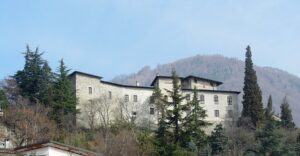
A short distance away, don’t miss the Santuario della Madonna di Tirano, a majestic Renaissance temple with frescoes and a peaceful atmosphere. Then stroll through the historic center, where Palazzo Parravicini and Porta Milanese stand out as part of the defensive system. Explore alleys and typical shops, with tastings of Valtellina specialties like pizzoccheri and bresaola. Two stops that complete the castle visit.