Nativity Museum and Art Gallery: Ancient Nativity Scenes and Art in Imperia

In Imperia, the Nativity Museum and Art Gallery offers a unique experience. The collection of nativity scenes from around the world and the art gallery featuring paintings by Ligurian artists await you. A museum that combines art and tradition in a historic palace.
Collection of ancient nativity scenes from the 18th century, including a precious Neapolitan crib.
Art gallery with works by Ligurian artists from the 15th to the 19th century.
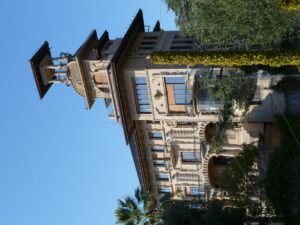
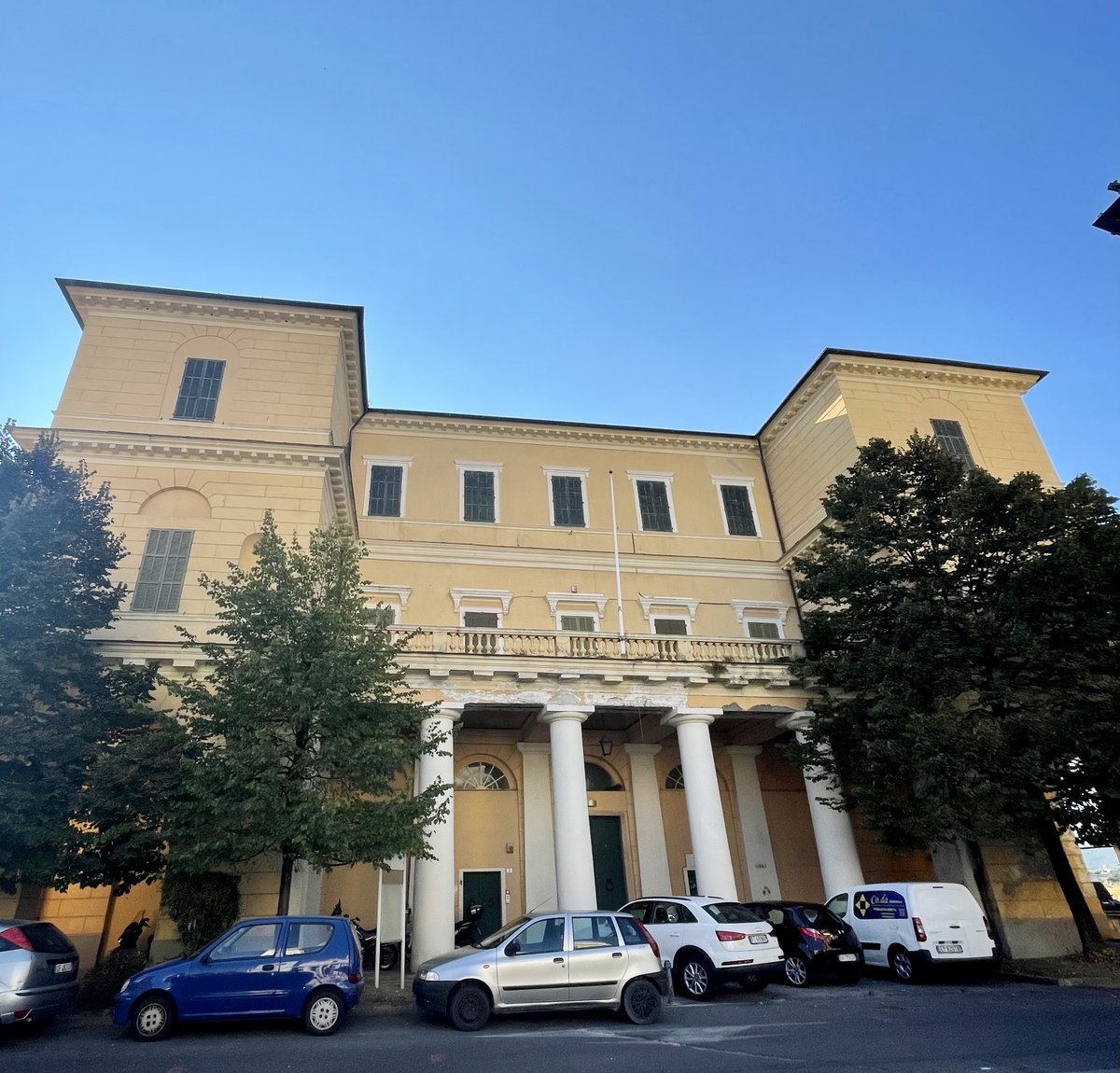
Housed in Palazzo Borea d’Olmo, a historic building in the center of Imperia.
Family-friendly with workshops and activities for children.
Copertina itinerario Nativity Museum and Art Gallery: Ancient Nativity Scenes and Art in Imperia
Imperia’s Nativity Museum and Art Gallery houses a rare collection of historical nativity scenes and artworks from the 15th to the 19th centuries. A journey through sacred art and Christmas tradition all year round.

Good to know


A Dive into Tradition

Stepping into the Museum of the Nativity Scene and Art Gallery in Imperia is like crossing the threshold into another era. Here, among ancient nativity scenes and masterful paintings, the magic of Christmas lingers all year round. The collection, born from the passion of a local collector, boasts over 300 pieces, including 18th-century figurines and paintings from the 15th to 19th centuries. This is no ordinary museum: it’s a journey into sacred art and popular devotion, told with care. Illuminated display cases reveal incredible details: terracotta shepherds, gilded wooden angels, hand-painted backdrops. Every nativity scene has a story, and here the stories are endless.

The Origins of the Collection

The museum was founded in 1994 thanks to a donation by Giovanni B. Sisto, an antiquarian from Imperia who spent decades collecting nativity scenes and artworks. It is housed in a former 17th-century convent in the center of Oneglia. In 2008, an art gallery was added, featuring works from the Ligurian and Piedmontese schools. The oldest pieces date back to the 15th century: a Madonna and Child attributed to Ludovico Brea. The nativity scene collection spans from the 18th to the 19th century, with examples from Naples, Genoa, and Sicily. A quick timeline:

  • 1994 – Museum founded
  • 1998 – Opened to the public
  • 2008 – Art gallery inaugurated
  • 2015 – Restoration of the nativity collection

Between Art and Devotion

The art gallery holds a surprise: canvases by Giovanni Battista Paggi and Domenico Piola tell of Ligurian spirituality between the Renaissance and Baroque. But the real heart is the nativity scene room: glimpses of peasant life in miniature, with shepherds, animals, and workshops. Each figurine is a masterpiece of craftsmanship. The 18th-century Neapolitan nativity scene is the most famous: 50 figures dressed in silk and brocade, with a hand-painted starry sky. I paused to look at their faces—they seem alive. But there are not only traditional nativity scenes: one is made with shells and coral, typical of Liguria. A true gem.

An Interactive Journey

The museum is far from static: it offers guided tours and workshops for families. Kids can mold clay figurines or paint a nativity scene. On Sundays, there’s often a live nativity in the courtyard with costumed performers. Additionally, a section is dedicated to mechanical nativity scenes with movements and music. An audioguide in Italian and English explains the details. I appreciated the educational effort: bilingual explanatory panels and videos showing ancient techniques. The museum is also accessible: ramps and an elevator for wheelchairs. In short, it’s not just an exhibition—it’s a living experience.

Three Good Reasons

1. Unique Collection: rare to find a museum entirely dedicated to nativity scenes, with pieces from all over Italy. 2. Suitable for Everyone: engages art lovers, families with children, and the curious. 3. Strategic Location: in the center of Oneglia, a short walk from the waterfront and seafood restaurants. After your visit, enjoy a plate of trofie al pesto at a local trattoria. Tip: book a guided tour to not miss hidden details.

The Right Time

Honestly, any time of year is good to visit the museum, but if you want a special atmosphere, go in December: the museum takes part in ‘Presepi in mostra’, with events and evening openings. In summer, it’s quieter and you can enjoy the art gallery without rushing. My advice: choose an autumn afternoon, when the golden light filters through the windows and illuminates the nativity scenes. Bring a jacket, as the rooms are cool. The museum is open all year except Mondays and holidays.

After the Visit

Just a short walk away is the Olive Museum, dedicated to the culture of Ligurian olive oil. A sensory experience among olive presses and tastings. Alternatively, take a stroll along the Oneglia waterfront to the port, where boats and fishermen create an authentic atmosphere. If you have time, head up to Porto Maurizio for the historic center and the Cathedral of San Maurizio. In half a day, you can combine art, nature, and gastronomy.

Itineraries nearby


💡 Did You Know…?

It is said that an 18th-century Neapolitan crib was donated by a local nobleman to escape a plague. The figurines, dressed in period fabrics, still seem to move in the candlelight. An anecdote tells of a visitor who saw a tear run down the face of a little Madonna. Mysteries of a museum that enchants.