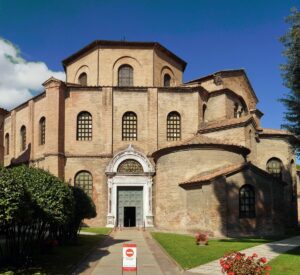
Palazzo Schifanoia is one of the most fascinating Este delights, built from 1385 at the behest of Alberto V d’Este as a refuge from boredom. Today it is a museum displaying over 250 works of art, with the famous Hall of Months frescoed by Francesco del Cossa and Ercole de’ Roberti. Here’s what not to miss:
– The frescoes of the Hall of Months, a unique astrological and allegorical cycle
– The Hall of Virtues with polychrome stuccoes and coffered ceiling
– The collections of ceramics, medals, bronzes, and illuminated manuscripts
– The 14th-century wing and the monumental marble portal from 1470
Introduction
If there is one place in Ferrara that embodies the Este genius loci, it is Palazzo Schifanoia. The name says it all: ‘schivar la noia’ – a refuge for courtly entertainment. But don’t think of it as just a pleasure palace. Here, in the Hall of the Months, you will find one of the most extraordinary fresco cycles of the 15th century. These murals blend astrology, mythology, and everyday life in a riot of colors that seem to narrate time itself. It is a museum that speaks of power, art, and pleasure, all within an elegant Renaissance building.
Introduction
If there is one place in Ferrara that embodies the Este genius loci, it is Palazzo Schifanoia. The name says it all: ‘schivar la noia’ – a refuge for courtly entertainment. But don’t think of it as just a pleasure palace. Here, in the Hall of the Months, you will find one of the most extraordinary fresco cycles of the 15th century. These murals blend astrology, mythology, and everyday life in a riot of colors that seem to narrate time itself. It is a museum that speaks of power, art, and pleasure, all within an elegant Renaissance building.
Historical Background
Built in
1385 for Alberto V d’Este, it was expanded by Borso d’Este starting in 1466, who commissioned the Salone dei Mesi (frescoed between 1469 and 1470 by Francesco del Cossa and Ercole de’ Roberti). In 1493, Biagio Rossetti added the terracotta cornice. After the devolution of 1598, the palace declined: in the 18th century it became a tobacco factory and the frescoes were whitewashed. Rediscovered in the 19th century, it became a civic museum in 1898. The 2012 earthquake caused damage, but after restoration, in June 2020 the Salone and the Sala degli Stucchi were reopened, and since 2021 the entire palace has been open to visitors.
- 1385: construction for Alberto V d’Este
- 1466-1470: Borso’s expansion and frescoes of the Salone dei Mesi
- 1493: intervention by Biagio Rossetti
- 18th century: tobacco factory, frescoes hidden
- 1898: opening of the Civic Museum
- 2012: earthquake damage, restoration
- 2020-2021: complete reopening
Historical Background
Built in
1385 for Alberto V d’Este, it was expanded by Borso d’Este starting in 1466, who commissioned the Salone dei Mesi (frescoed between 1469 and 1470 by Francesco del Cossa and Ercole de’ Roberti). In 1493, Biagio Rossetti added the terracotta cornice. After the devolution of 1598, the palace declined: in the 18th century it became a tobacco factory and the frescoes were whitewashed. Rediscovered in the 19th century, it became a civic museum in 1898. The 2012 earthquake caused damage, but after restoration, in June 2020 the Salone and the Sala degli Stucchi were reopened, and since 2021 the entire palace has been open to visitors.
- 1385: construction for Alberto V d’Este
- 1466-1470: Borso’s expansion and frescoes of the Salone dei Mesi
- 1493: intervention by Biagio Rossetti
- 18th century: tobacco factory, frescoes hidden
- 1898: opening of the Civic Museum
- 2012: earthquake damage, restoration
- 2020-2021: complete reopening
The Hall of the Months: A Calendar of Beauty
The heart of the palace is the Hall of the Months, 25 meters long, 11 meters wide, and 7.5 meters high. Each month is depicted on three bands: at the top, pagan deities; in the middle, zodiac signs and decans; at the bottom, scenes from the life of Borso d’Este and agricultural activities. Only the months from March to September remain intact. The symbolic complexity is incredible: it combines astrology, political propaganda, and real life. The frescoes are the work of Francesco del Cossa and Ercole de’ Roberti, based on a design by the astrologer Pellegrino Prisciani. Thanks to recent restorations, the light now enhances them beautifully.
The Hall of the Months: A Calendar of Beauty
The heart of the palace is the Hall of the Months, 25 meters long, 11 meters wide, and 7.5 meters high. Each month is depicted on three bands: at the top, pagan deities; in the middle, zodiac signs and decans; at the bottom, scenes from the life of Borso d’Este and agricultural activities. Only the months from March to September remain intact. The symbolic complexity is incredible: it combines astrology, political propaganda, and real life. The frescoes are the work of Francesco del Cossa and Ercole de’ Roberti, based on a design by the astrologer Pellegrino Prisciani. Thanks to recent restorations, the light now enhances them beautifully.
Beyond the Hall: Ceramics and Medals
But Schifanoia is not just frescoes. The museum itinerary includes 21 rooms with over 250 works. Highlights include sgraffito ceramics (like the Great plate with angel), medals by Pisanello, and the Hall of Virtues with polychrome stuccoes. The coffered ceiling and the wooden and stucco frieze by Domenico di Paris are unmissable. In the display cases, illuminated manuscripts, small bronzes, and ivories tell the refined taste of the Este family. A small room is dedicated to Giovanni Pasetti’s ceramic collection. The full visit takes about 2 hours, but even just the Hall and the Hall of Virtues are worth it.
Beyond the Hall: Ceramics and Medals
But Schifanoia is not just frescoes. The museum itinerary includes 21 rooms with over 250 works. Highlights include sgraffito ceramics (like the Great plate with angel), medals by Pisanello, and the Hall of Virtues with polychrome stuccoes. The coffered ceiling and the wooden and stucco frieze by Domenico di Paris are unmissable. In the display cases, illuminated manuscripts, small bronzes, and ivories tell the refined taste of the Este family. A small room is dedicated to Giovanni Pasetti’s ceramic collection. The full visit takes about 2 hours, but even just the Hall and the Hall of Virtues are worth it.
Why Visit It
First: a unique masterpiece. The Salone dei Mesi has no equal in Italy for its blend of allegory and realism. Second: it is a ‘human-scale’ museum, compact yet incredibly rich, perfect for a morning of art without fatigue. Third: recent restorations have restored the frescoes’ splendor, with lighting that enhances every detail. Moreover, the ticket includes entry to the Civic Lapidary, an interesting bonus.
Why Visit It
First: a unique masterpiece. The Salone dei Mesi has no equal in Italy for its blend of allegory and realism. Second: it is a ‘human-scale’ museum, compact yet incredibly rich, perfect for a morning of art without fatigue. Third: recent restorations have restored the frescoes’ splendor, with lighting that enhances every detail. Moreover, the ticket includes entry to the Civic Lapidary, an interesting bonus.
When to Go
If you can, choose a weekday morning: the light streaming through the windows makes the frescoes even more vivid. Avoid peak hours (11 AM–2 PM) on weekends, when the Great Hall gets crowded. Spring and autumn are perfect for combining a visit with a stroll through Ferrara’s historic center, which is utterly enchanting.
When to Go
If you can, choose a weekday morning: the light streaming through the windows makes the frescoes even more vivid. Avoid peak hours (11 AM–2 PM) on weekends, when the Great Hall gets crowded. Spring and autumn are perfect for combining a visit with a stroll through Ferrara’s historic center, which is utterly enchanting.
Nearby
Just a stone’s throw away, the Castello Estense is a must-see: an imposing fortress with moats and frescoed halls. If you love Renaissance art, the Palazzo dei Diamanti (about a 15-minute walk away) houses the National Art Gallery with works by Cosmè Tura and Garofalo. For a break, the Quadrilatero (market area) offers great spots to taste salama da sugo and pasticcio ferrarese.
Nearby
Just a stone’s throw away, the Castello Estense is a must-see: an imposing fortress with moats and frescoed halls. If you love Renaissance art, the Palazzo dei Diamanti (about a 15-minute walk away) houses the National Art Gallery with works by Cosmè Tura and Garofalo. For a break, the Quadrilatero (market area) offers great spots to taste salama da sugo and pasticcio ferrarese.