
Trieste is a city that reveals itself at a walking pace. This 1-day walking itinerary takes you to discover 7 must-see historical stops, from the majestic Miramare Castle to the evocative Roman Theatre, passing through the lively Piazza Unità d’Italia. With the included map, you can follow a linear route that touches the city’s symbols: the Grand Canal, the Cathedral of San Giusto, the historical museum, and the Victory Lighthouse. Ideal for those with limited time who want to savor the essence of Trieste, between Mitteleuropean architecture and sea views. Trieste 1-day walking itinerary historical stops: a perfect mix of culture, panoramas, and local curiosities, all without rush. Get ready to walk on welcoming sidewalks and let yourself be enchanted by a city that has so much to tell.
🗺️ Your trip at a glance
A compact but comprehensive tour to discover Trieste in a day. Perfect for those who love walking and want to immerse themselves in history without missing anything.
- Ideal for curious travelers who want an authentic taste of Trieste in a few hours.
- Highlights: 7 iconic stops, all walking route, map included, no public transport needed.
- Who it’s for: lovers of history, architecture, and urban views, even with limited time.
Itinerary stops
Stop no. 1
San Giusto Castle
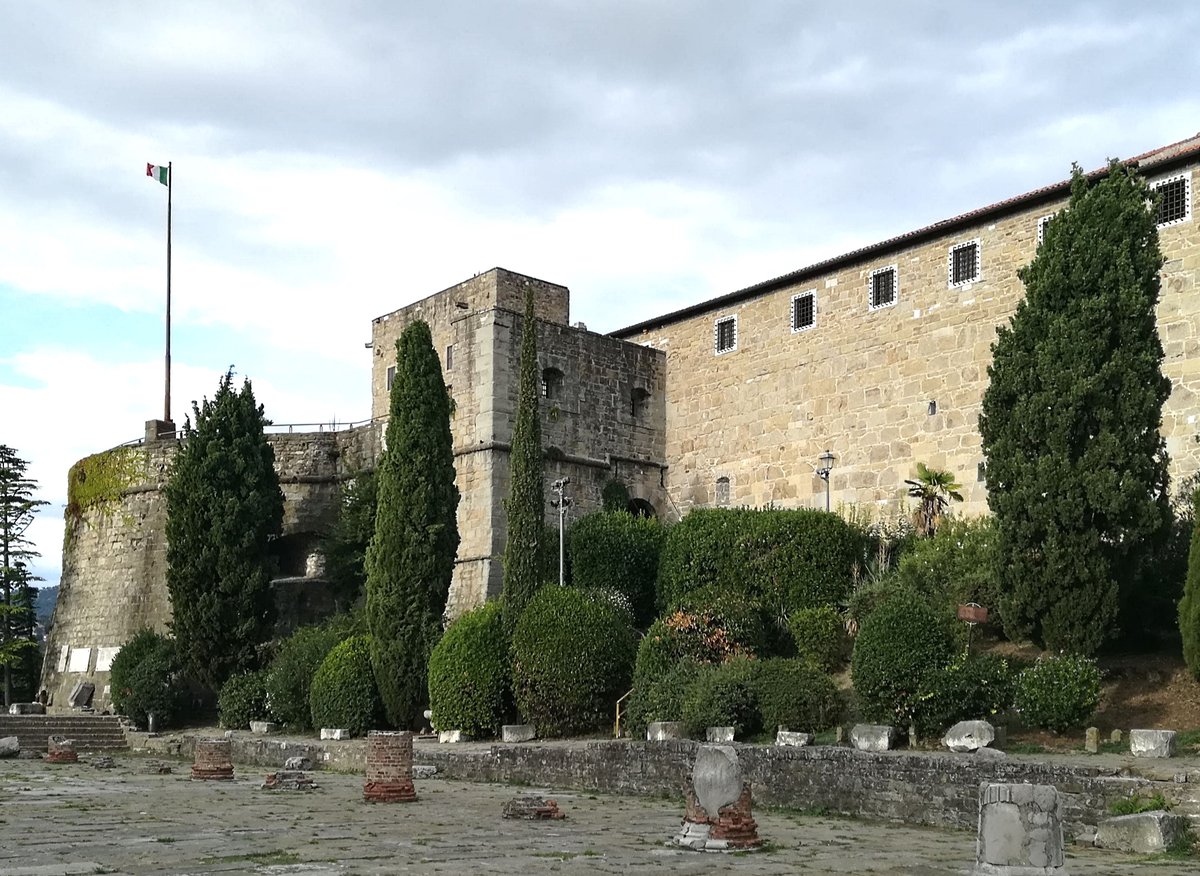 I start my Trieste day right here on San Giusto hill, because there’s no better way to understand the city than by looking at it from above. The castle is a concentration of history: commissioned by the Habsburgs in the mid-15th century, it took almost two centuries to complete. The result is a triangular fortress with three different bastions – Rotondo, Lalio, and Fiorito – each with its own shape, testament to the evolution of military techniques. Once past the drawbridge, the Courtyard of the Militias welcomes you with the quirky automata Michez and Jachez, the old town hall bell-strikers. Inside, the late Gothic Chapel of St. George with the coat of arms of Frederick III, the Caprin Room with Venetian furnishings, and the armory with swords and halberds. In the underground, the Lapidario Tergestino tells the story of Roman Tergeste with over a hundred inscriptions. But the real surprise is the view: from the walkways you embrace the gulf, the Borgo Teresiano, and the rooftops of the old city.
- Go to the page: San Giusto Castle: Civic Museum and Panoramic View of the Gulf of Trieste
- Via San Giusto, Trieste (TS)
- Open in Google Maps
- View on Google Images

You should go if…
Stop no. 1
San Giusto Castle
I start my Trieste day right here on San Giusto hill, because there’s no better way to understand the city than by looking at it from above. The castle is a concentration of history: commissioned by the Habsburgs in the mid-15th century, it took almost two centuries to complete. The result is a triangular fortress with three different bastions – Rotondo, Lalio, and Fiorito – each with its own shape, testament to the evolution of military techniques. Once past the drawbridge, the Courtyard of the Militias welcomes you with the quirky automata Michez and Jachez, the old town hall bell-strikers. Inside, the late Gothic Chapel of St. George with the coat of arms of Frederick III, the Caprin Room with Venetian furnishings, and the armory with swords and halberds. In the underground, the Lapidario Tergestino tells the story of Roman Tergeste with over a hundred inscriptions. But the real surprise is the view: from the walkways you embrace the gulf, the Borgo Teresiano, and the rooftops of the old city.- Go to the page: San Giusto Castle: Fortress and Museum with Views of Trieste
- Via San Giusto, Trieste (TS)
- Open in Google Maps
- View on Google Images
You should go if…
Stop no. 2
Roman Forum of Trieste: The Heart of Ancient Tergeste
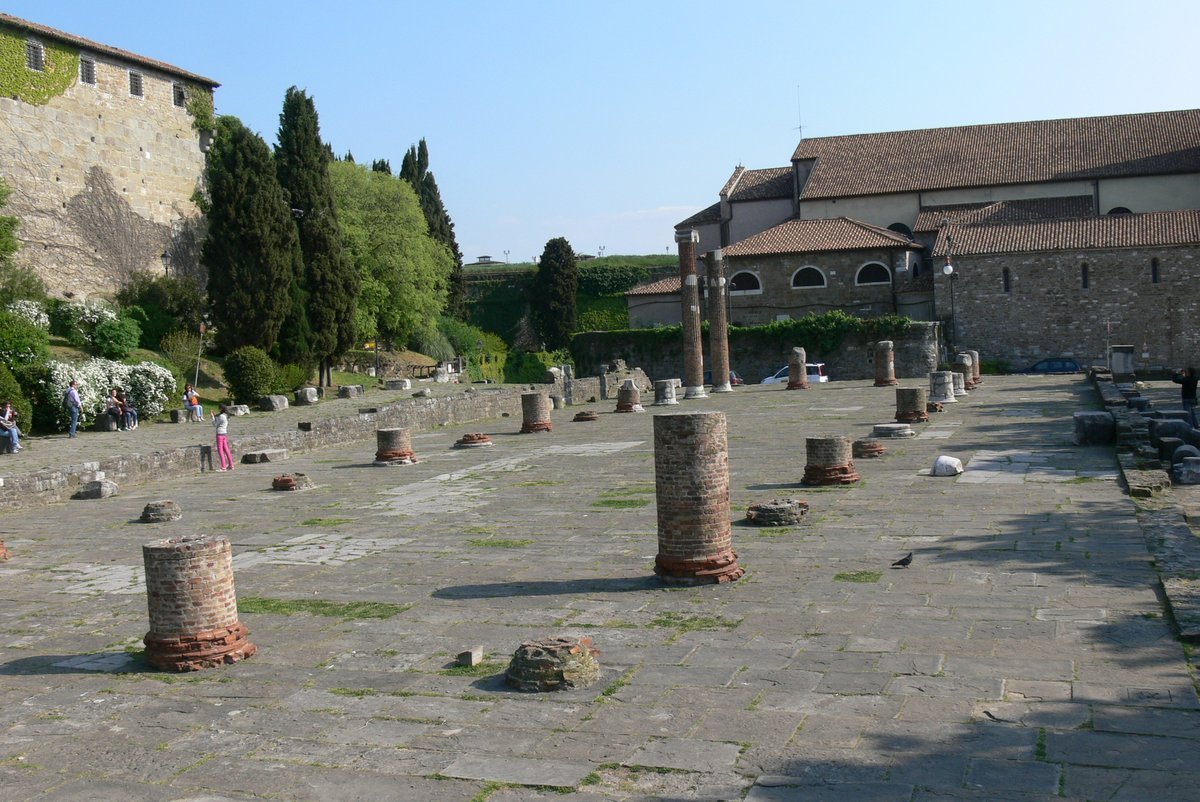 The Roman Forum is located on top of San Giusto Hill, the oldest core of Trieste. The remains of this monumental square came to light during excavations in 1929, when the city was preparing to honor the fallen of World War I. Here stood the civil basilica, a three-aisled building almost 100 meters long and 20 meters wide, where justice was administered and business conducted. Today, some columns partially reconstructed with red bricks remain, highlighting the original forms. Nearby, the propylaeum (the monumental entrance) has been incorporated into the Cathedral’s bell tower: unique in Europe for its state of preservation. Strolling among these ruins, you can’t help but notice the contrast between Roman stone and the medieval structures above. A tip: go down the stairs under the war memorial and walk along the castle to reach the Park of Remembrance and the Giants’ Staircase. The Forum is not just an archaeological site but a living place that still hosts performances and shows, like the recent “Onda – azione danzata” that turned the ruins into a stage.
- Piazza della Cattedrale, Trieste (TS)
- Open in Google Maps
- View on Google Images
You should go if…
Stop no. 3
Giuseppe Verdi Opera House
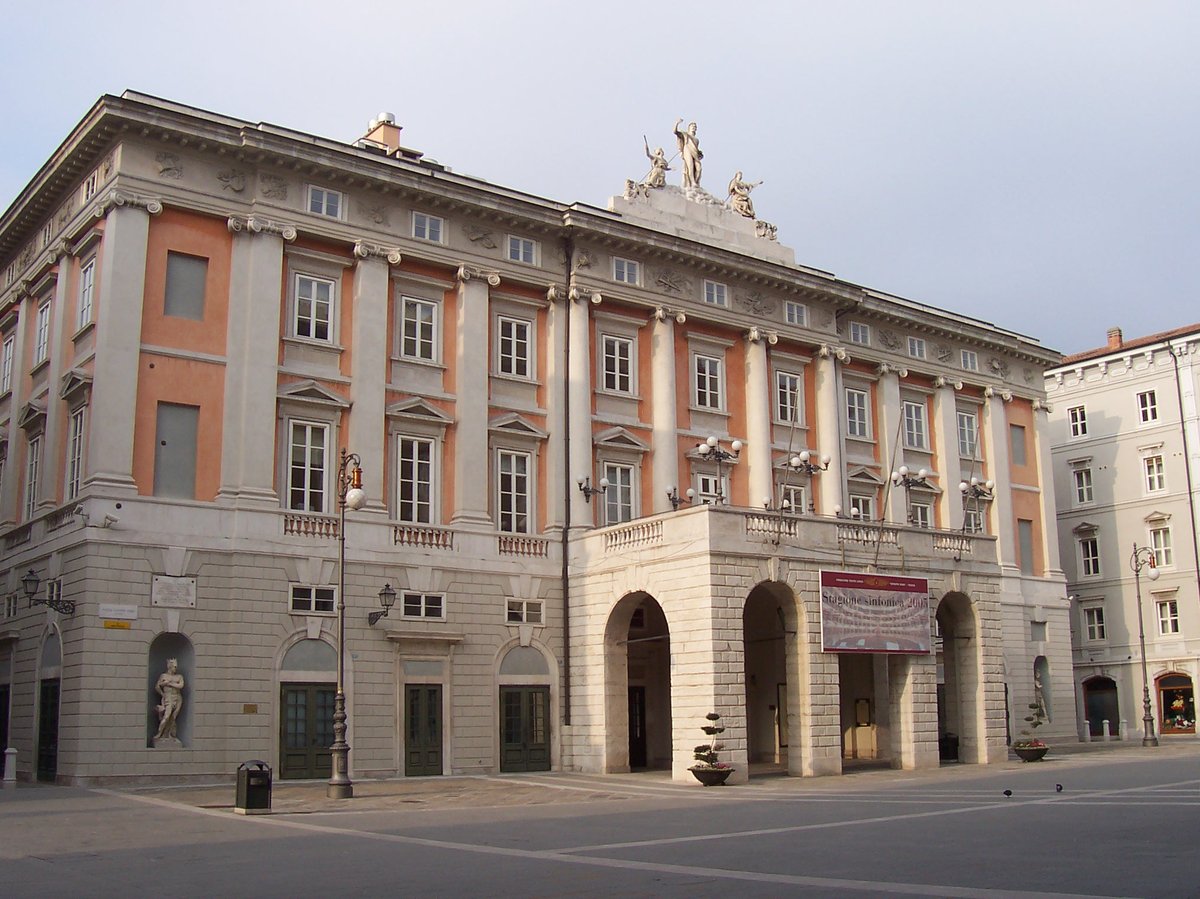 In the heart of the city, overlooking the Canal Grande, the Giuseppe Verdi Opera House is far more than just a theater: it is the beating heart of Trieste’s cultural life. Built between 1798 and 1801 to a design by Giannantonio Selva (the architect of La Fenice) and Matteo Pertsch, its auditorium follows the model of La Scala. Inaugurated as Teatro Nuovo on April 21, 1801, it changed names over the decades before being dedicated to the great composer in 1901. With a capacity of 1,300 seats, it has hosted world premieres of works by Verdi, Wagner, and many others. Today, the Foundation presents top-tier opera and ballet seasons, along with symphony concerts. Stepping inside means breathing in the atmosphere of two centuries of performances, among red velvets and decorated boxes. Don’t miss a guided tour to discover the secrets of the stage and orchestra pit.
- Go to the page: Teatro Lirico Giuseppe Verdi Trieste: Neoclassical Architecture and Opera Season Since 1801
- Riva Tre Novembre 1, Trieste (TS)
- https://www.teatroverdi-trieste.com/
- Open in Google Maps
- View on Google Images
You should go if…
Stop no. 4
Civic Sea Museum: A Dive into Maritime History
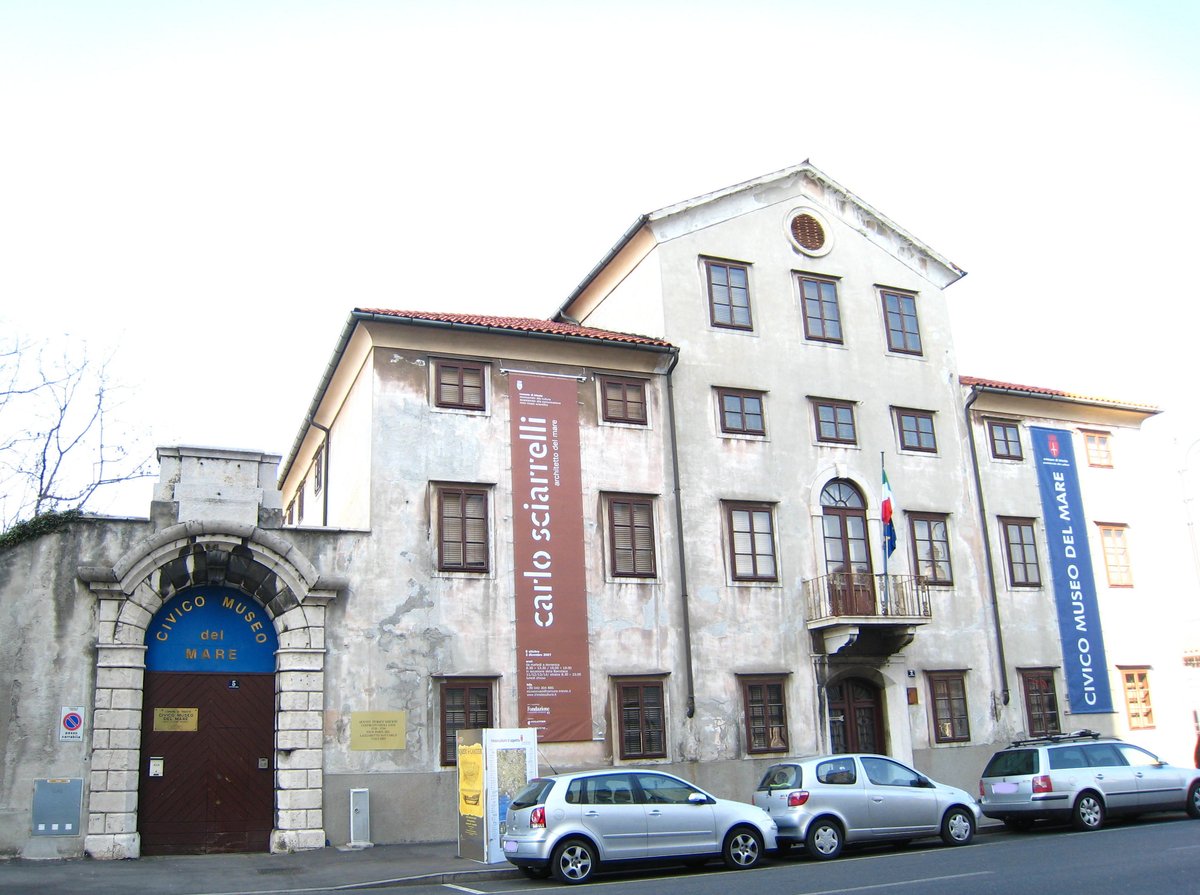 Leaving the theater behind, a stop that smells of sea salt and adventure awaits you. Since 2023, the Civic Sea Museum has been housed in Warehouse 26 of the Old Port (the most imposing building of the 19th-century port complex) and is a journey into Trieste’s maritime past. Founded in 1904, it stretches over 2,000 square meters with models of sailing ships, steamships, and ocean liners, nautical instruments, and ancient charts. Highlights include the original propeller of Josef Ressel, the Marconi key that from Genoa lit up the light bulbs of Sydney, and the furnishings of the yacht Elettra. Don’t miss the diorama of Trieste in 1838 and the scale models of fishing nets. A museum that tells tales of trade, shipbuilding, and expeditions: here you can touch the indissoluble bond between the city and its gulf. And if you have children, there are interactive workshops.
- Via di Campo Marzio 2, Trieste (TS)
- Open in Google Maps
- View on Google Images
You should go if…
Stop no. 5
Speleovivarium Ervin Pichl: A Dive into the Darkness of the Karst
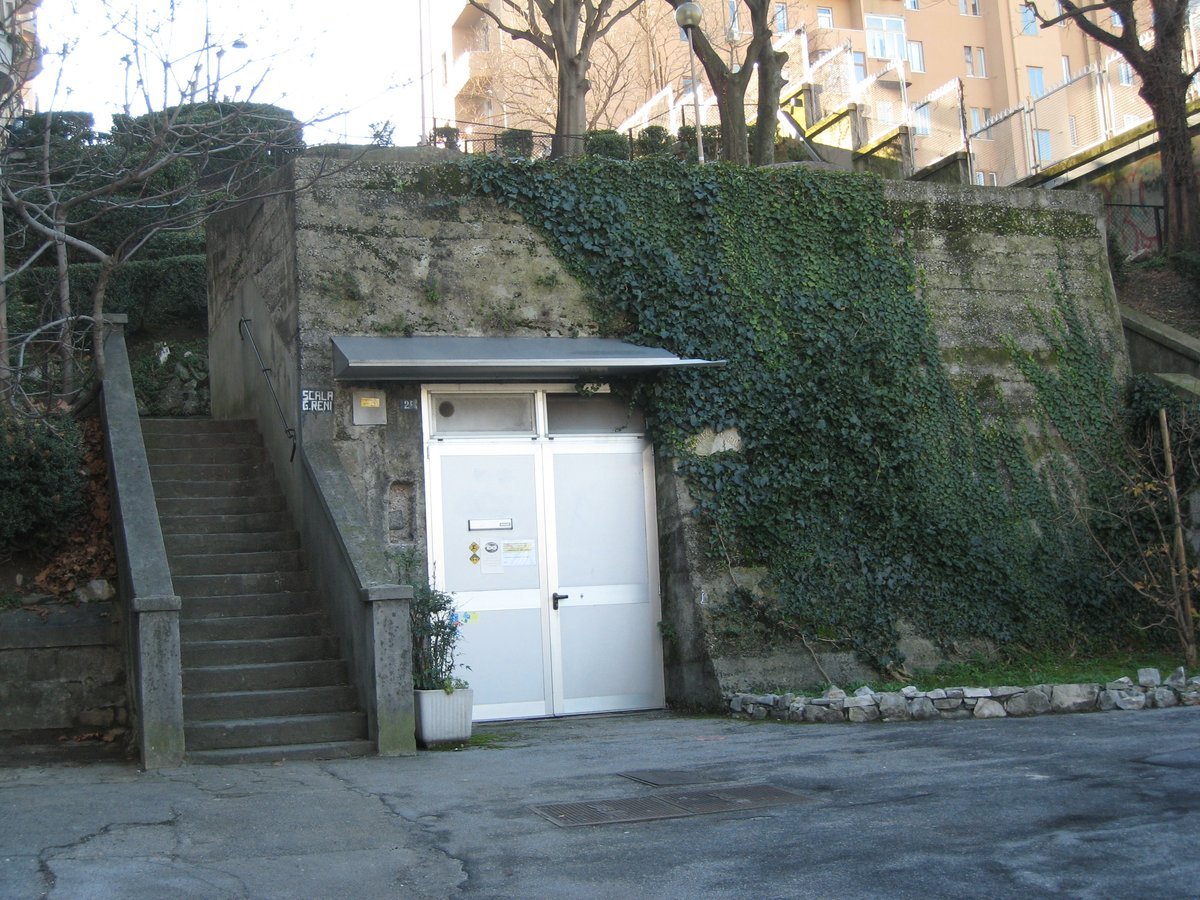 From the sea to the underground: the change of scenery is total. The Speleovivarium Ervin Pichl is located in an old World War II air-raid shelter, chosen precisely because it reproduces the humid and dark environment of natural caves. Managed by the Adriatic Speleological Society, this museum is a window into the subterranean life of the Karst. The highlight is the olm (Proteus anguinus), a blind and pale amphibian that looks like it came from another world. But there is much more: sections on speleobotany, cave fauna, geology, and even urban archaeology. Admission is free on Sunday mornings (10:30 AM–12:30 PM) or by appointment. Entering here is like stepping back in time, but also a scientific exploration: each gallery tells stories of underground waters, artifacts, and expeditions. A place that makes you understand how deeply Trieste is connected to its underground.
- Via Guido Reni 2c, Trieste (TS)
- https://www.sastrieste.it/SitoSAS/Viva6.html
- Open in Google Maps
- View on Google Images
You should go if…
Stop no. 6
Trieste’s Lantern
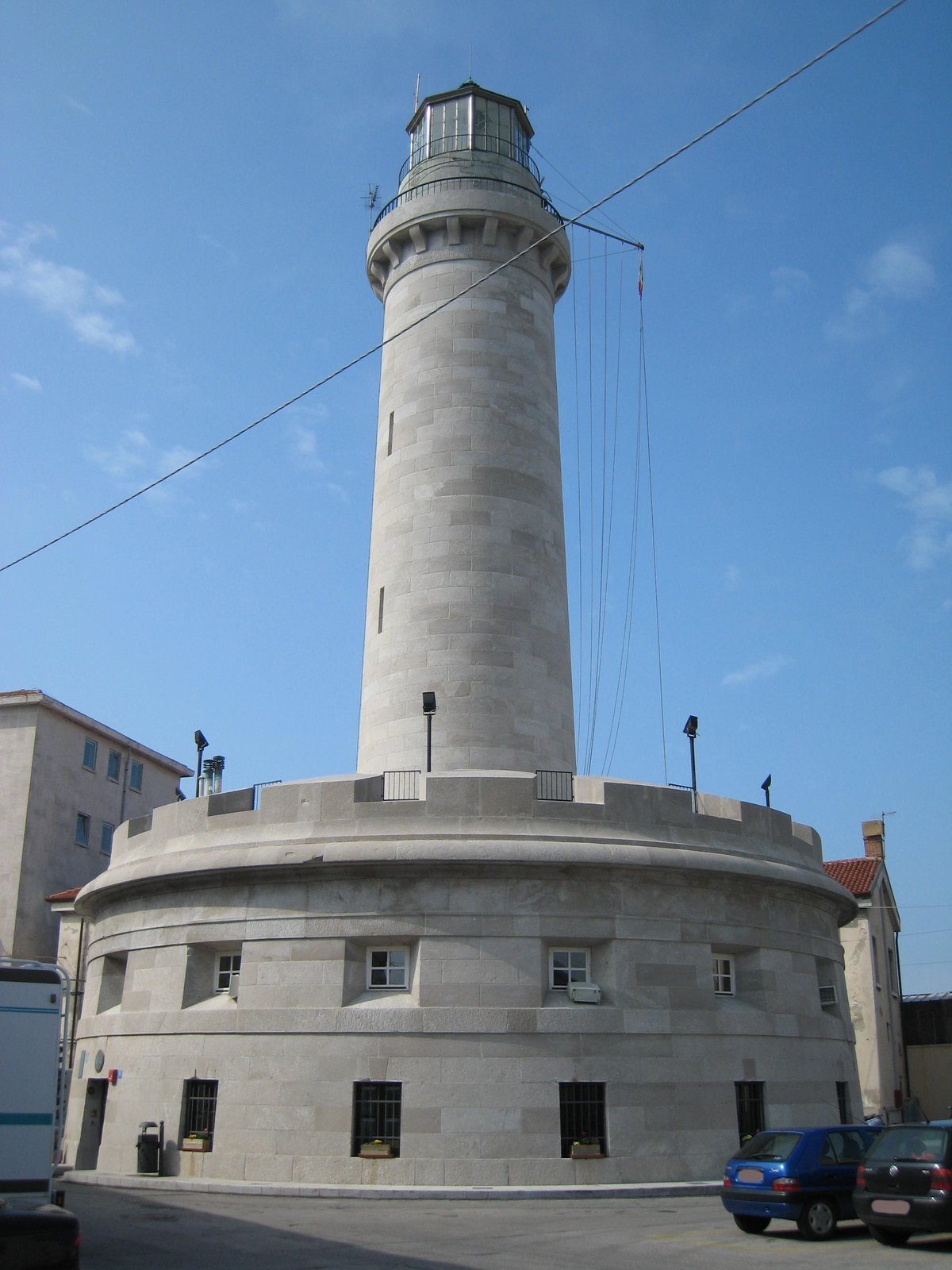 From the underground to the splendor of the sea: the Lanterna di Trieste awaits you on the Molo Fratelli Bandiera. Inaugurated on February 11, 1833, designed by Matteo Pertsch, this 35-meter lighthouse served both to signal the entrance to the port and to defend it – as revealed by its base shaped like a Maximilian tower with embrasures. For over a century it guided sailors with oil, then kerosene, finally electricity. It has been extinguished since 1969, but was restored in 1992 and today houses the Italian Naval League. If you climb up here, the view of Trieste and the Gulf is breathtaking. In summer, it gives its name to the adjacent beach resort El Pedòcin, the only one in Europe with a dividing wall between men and women (still in use!). A dive into history and the sea all at once.
- Molo teresiano, Trieste (TS)
- Open in Google Maps
- View on Google Images
You should go if…
Stop no. 7
Victory Lighthouse: Views and Memory
 End your day with a climb to the Victory Lighthouse, which dominates the entire gulf from Poggio di Gretta. Inaugurated in 1927, this nearly 68-meter-tall monument is much more than a lighthouse: it is a memorial to those who died at sea in World War I, conceived by architect Arduino Berlam to celebrate Trieste’s Italian identity. Climb the 232 steps (or take the elevator) to the panoramic terrace: from there the view stretches from Miramare Castle to the Istrian coast. Passing by the statue of the Unknown Sailor and the copper Winged Victory, notice the anchor of the destroyer Audace – the first Italian ship in the city in 1918 – and the two shells from the Austrian battleship Viribus Unitis. Entry is free, but groups are limited to 15 people: it’s best to arrive early. If the bora wind blows strong, the statue on top moves its wings… a unique emotion. Don’t miss: the inscription by Gabriele D’Annunzio at the base: “Shine and remember those who died at sea.”
- Go to the page: Victory Lighthouse: Statue of the Unknown Sailor and 360° View of Trieste
- Strada del Friuli, Trieste (TS)
- https://www.farodellavittoria.it/
- Open in Google Maps
- View on Google Images
You should go if…

