San Zeno Cathedral in Pistoia: Masterpieces of Art and History

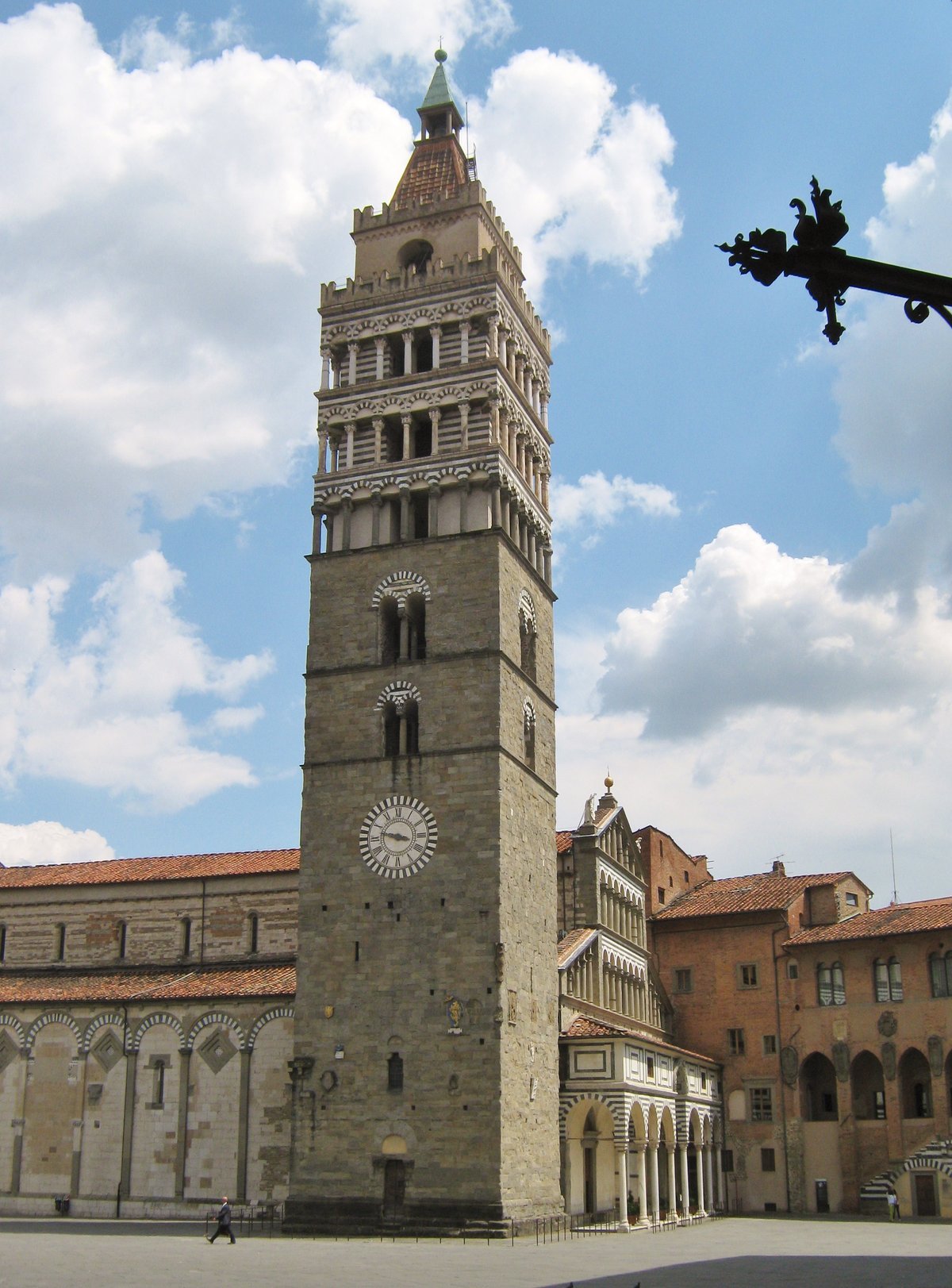
San Zeno Cathedral is the spiritual and artistic heart of Pistoia. With its Romanesque façade of white and black stripes and a 67-meter bell tower, it dominates Piazza del Duomo. Inside, masterpieces include the Silver Altar of Saint James, a unique work of goldsmithing, and works by great masters such as Filippo Brunelleschi and Andrea del Verrocchio.
Silver Altar of Saint James: a Gothic goldsmith masterpiece with 628 figures, created between the 13th and 15th centuries.
Crucifix by Coppo di Marcovaldo: a painted cross from 1274, work of the Florentine master and his son.
Forteguerri Monument by Verrocchio: a funerary monument begun by Andrea del Verrocchio.
Crypt and Bell Tower: visit the Romanesque crypt and admire the 67-meter bell tower.


Events nearby

Copertina itinerario San Zeno Cathedral in Pistoia: Masterpieces of Art and History
Visit Pistoia’s Duomo, home to the Silver Altar of Saint James and works by Brunelleschi and Verrocchio, in the heart of the city.

Good to know


Welcome to Piazza del Duomo

The Cathedral of San Zeno dominates the square with its Romanesque façade in three orders of loggias and stripes of white and black marble. Upon entering, the atmosphere changes: the interior with three naves, with the restored wooden trusses, welcomes you with a sense of solemnity. Here history and art intertwine in every corner. It’s not just the grandeur of architecture: there is the warmth of wood, the glint of silver, the silence of the crypt. It is a place that speaks to the visitor, if you know how to listen.

A Thousand-Year History

The first mention of the cathedral is in a notarial deed from 923. Two fires (1108 and 1202) marked its reconstructions. In 1145, Bishop Atto consecrated the altar of San Jacopo. Amid various events, the facade was completed in 1449, and in the sixteenth century, the Baroque tribune transformed the apse. The restoration of 1952-1966 returned the building to its medieval appearance. In 1965 it became a minor basilica. Here is the timeline:

  • 923: first attestation
  • 1145: arrival of the relic of Saint James
  • 1287: beginning of the Silver Altar
  • 1473: Verrocchio starts the Forteguerri monument
  • 1598-1614: Baroque tribune
  • 1952-1966: Romanesque restoration

The Silver Altar: A Treasure Nearly a Millennium Old

In the Chapel of the Crucifix (formerly San Jacopo), the absolute masterpiece is hidden: the Silver Altar of San Jacopo. Started in 1287 by Andrea di Jacopo d’Ognabene, it was made by a dozen masters until 1456. Weighing almost a ton, it consists of 628 figures. Among the chasers was a young Filippo Brunelleschi (he contributed two prophets and two saints). Don’t miss the reliquary by Lorenzo Ghiberti (1407) containing a bone of Saint James. It’s a unique experience: the silver shines in the dim light, each panel tells biblical stories.

Forteguerri Monument and Other Wonders

Along the left nave you will find the monument to Cardinal Niccolò Forteguerri, begun by Andrea del Verrocchio in 1473 and completed by Lorenzetto. The blessing Redeemer and the Virtues are exquisitely graceful. Opposite, in the right nave, a crucifix on panel (1274) by Coppo di Marcovaldo and his son Salerno, with scenes from the life of Christ. A little further on, the Chapel of San Donato houses a Madonna and Child by Lorenzo di Credi. In short, an open-air museum.

Three Good Reasons to Come In

First: get up close to the Silver Altar, unique in Italy for its size and craftsmanship. Second: discover works by two Renaissance giants, Brunelleschi and Verrocchio, in an unexpected setting. Third: soak in the atmosphere of a cathedral that has seen pilgrims pass through on their way to Santiago (the scallop shell on the Rose Window outside is a symbol). Plus, entry is free, so you have no excuse.

The right moment

If you can, choose the late afternoon: the low light filters through the mullioned windows and lights up the silver of the altar. In summer, on July 16th, Saint Jacopo is celebrated with the Dressing of the statue (they cover it with a red cloak). It is a spectacle of faith and tradition. Otherwise, a weekday morning guarantees tranquility to enjoy every detail without hurry.

Around the Cathedral

Just outside, Piazza del Duomo is already a gem. But don’t miss the Ospedale del Ceppo on via Silvestro Frati: its glazed terracotta frieze by Giovanni della Robbia is spectacular. If you have more time, the Chiesa di San Giovanni Fuorcivitas houses a pulpit by Giovanni Pisano. A few steps and you’re in another century.

Itineraries nearby


💡 Did You Know…?

According to tradition, the people of Pistoia began venerating Saint Zeno after the waters of the Adige River stopped before his church in Verona in 589, sparing it. Every July 16, the statue of Saint James on the façade is dressed in a red wool cloak, a tradition known as the Vestizione di San Jacopo.