
🧭 What to Expect
- Ideal for art enthusiasts and opera lovers, with masterpieces by Correggio and the Teatro Regio.
- Highlights: Romanesque Cathedral, wooden Farnese Theatre, National Gallery, and gastronomic tradition.
- Includes an interactive map with 15 marked places, from the historic center to the Ducal Park.
- Perfect for a cultural weekend, with a cozy atmosphere and authentic flavors of Emilia-Romagna.
Events nearby
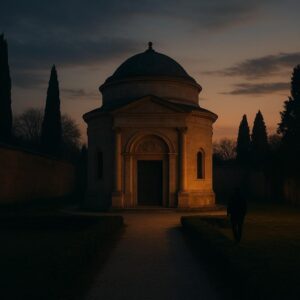
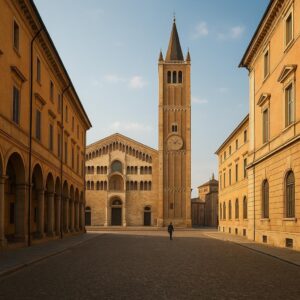
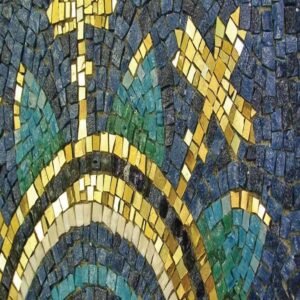
Parma is a city that wins you over immediately with its understated elegance. The Romanesque Cathedral and the pink Baptistery in Piazza Duomo are the heart of the city, with Correggio's breathtaking frescoes. Nearby, the Farnese Theatre in the Palazzo della Pilotta is a wooden masterpiece that seems straight out of a fairy tale. Strolling through the city center, you'll come across the National Gallery with works by Leonardo and Canaletto, and the Teatro Regio, a temple of opera where the notes of Verdi and Toscanini resonate. Don't miss the Abbess's Chamber with its Renaissance frescoes and the Palazzo del Giardino, a ducal residence nestled in greenery. And then there's the food: this is where Parmigiano Reggiano and Prosciutto di Parma are born, to be savored in one of the many taverns in the center. Parma is art, music, and taste in perfect balance.
Overview
- Cathedral of Santa Maria Assunta
- Farnese Theatre
- National Gallery of Parma
- Teatro Regio
- Abbess's Chamber
- Garden Palace
- National Archaeological Museum of Parma
- The Citadel of Parma
- Glauco Lombardi Museum
- Town Hall
- Governor's Palace
- Parma Botanical Garden
- Palazzo del Podestà
- Arturo Toscanini's Birthplace
- Puppet Castle - Giordano Ferrari Museum
Itineraries nearby

Cathedral of Santa Maria Assunta
- Go to the page: Parma Cathedral: Correggio's Dome and Antelami's Baptistery
- Borgo Pipa, Parma (PR)
- Open in Google Maps
- View on Google Images
 The Cathedral of Santa Maria Assunta is the religious and artistic heart of Parma, a Romanesque jewel that dominates Piazza Duomo with its imposing facade of pink Verona marble. Upon entering, you'll be struck by the grandeur of the interiors, where the dome frescoed by Correggio between 1526 and 1530 stands out: a revolutionary work depicting the Assumption of the Virgin, with dynamic figures that seem to defy gravity. Don't miss the Deposition by Benedetto Antelami, a 1178 bas-relief housed in the right transept, an exceptional example of Romanesque sculpture. Climbing the bell tower (accessible at specific times) offers a panoramic view of the historic center, while the crypt houses archaeological remains and relics. Admission is free, but to admire the frescoes up close, check the opening hours: avoid peak times to enjoy the tranquility. A tip: next to the Cathedral, visit the Baptistery to complete the experience with its pink marble and sculptural cycles.
Farnese Theatre
- Strada alla Pilotta, Parma (PR)
- Open in Google Maps
- View on Google Images
 If you think you've seen everything in Parma, prepare for a surprise: the Farnese Theatre is a masterpiece that many miss, tucked away inside the Pilotta complex. Built in 1618 at the behest of Duke Ranuccio I Farnese, this theatre was the first in Italy with a structure entirely made of wood, designed by architect Giovan Battista Aleotti. Its unique feature? The impressive movable stage sets that allowed for rapid scene changes, an absolute novelty for the time. Unfortunately, much of the original theatre was destroyed during the bombings of World War II, but the faithful reconstruction in the 1950s allows you to still admire its grandeur today. Upon entering, you'll be struck by the double helix staircase leading to the boxes and by the statue of Ranuccio I Farnese dominating the hall. The theatre hosted lavish performances, often with mythological themes, and could be flooded for naval representations, a detail that makes it unique in the world. Today, although it's no longer used for regular performances, it's visitable as part of the Pilotta Palace tour and during special events. A practical tip: always check the opening hours on the official website, as it sometimes closes for restorations or private events.
National Gallery of Parma
- Go to the page: National Gallery of Parma: Masterpieces by Correggio and Parmigianino in the Palazzo della Pilotta
- Piazza della Pilotta 6, Parma (PR)
- Open in Google Maps
- View on Google Images
 The National Gallery of Parma is a true artistic gem awaiting you within the Palazzo della Pilotta complex. It's not just a museum, but a journey through time spanning five centuries of Italian art. As soon as you enter, you'll be struck by the majesty of the spaces and the light filtering through the large windows, creating a unique atmosphere for admiring the masterpieces.
Here you'll find fundamental works of Emilian Renaissance art, with Correggio and Parmigianino dominating the scene. Don't miss Correggio's fresco of the 'Madonna of Saint Jerome', considered one of the pinnacles of 16th-century painting. The gallery also houses Parmigianino's famous 'Turkish Slave', a portrait that continues to fascinate with its mysterious elegance.
The collection unfolds through thematic rooms that guide you through different historical periods, from the Middle Ages to the 18th century. Beyond the local masters, discover works by Leonardo da Vinci, Canova, and a rich section of Flemish art. The admission ticket also includes access to the Farnese Theatre and the Archaeological Museum, making your visit a comprehensive experience of Parmense culture.
Practical tip: Always check opening hours on the official website, as they may vary due to temporary exhibitions. If visiting on weekends, book online to avoid queues.
Teatro Regio
- Go to the page: Teatro Regio Parma: Gilded Hall with Perfect Acoustics and the Verdi Festival
- Piazzale Antonio Barezzi, Parma (PR)
- https://www.teatroregioparma.it/
- Open in Google Maps
- View on Google Images
- +39 0521 203911
 The Teatro Regio in Parma is not just a theatre, but an institution for opera lovers. Inaugurated in 1829 by the will of Duchess Maria Luigia of Austria, this neoclassical jewel designed by Nicola Bettoli dominates Piazza della Pace with its imposing facade. Upon entering, you are struck by the horseshoe-shaped hall: four tiers of boxes in gilded wood and the ceiling frescoed by Giovanni Battista Borghesi create a magical atmosphere. But what makes the Regio unique is its connection with Giuseppe Verdi: his operas have been staged here for over a century and a half, and the Parma audience, known for its severity, is considered among the most knowledgeable in the world. During the Opera Season, attending a performance means experiencing a collective ritual, where every note is judged with passion. Don't miss the guided tour to discover the backstage, historic dressing rooms, and the archive with original stage costumes. For true connoisseurs, the Theatre Museum displays Verdi memorabilia, sketches, and period musical instruments. Tip: check the events calendar, because beyond opera, the Regio hosts symphony concerts and ballets. Takeaway: book in advance for the most sought-after performances, such as Nabucco or La Traviata, and take advantage of reduced rates for under 30s.
Abbess's Chamber
- Vicolo delle Asse, Parma (PR)
- Open in Google Maps
- View on Google Images
 The Abbess's Chamber is one of those places that make you understand why Parma is considered a first-rate art city. Located within the Monastic Complex of San Paolo, this frescoed room represents a masterpiece of Parmesan Renaissance that few know about but is absolutely worth discovering. Correggio, one of the great masters of the 16th century, decorated the ceiling with an illusionistic velarium that seems to open up to the sky, populated by putti and mythological figures so realistic they appear three-dimensional. The unique aspect? This chamber was the private apartment of Abbess Giovanna da Piacenza, a cultured and powerful woman who wanted to transform her personal spaces into a work of art. Today, entering this room, you can still breathe the refined atmosphere of the 16th century. The soft colors, perspective games, and Correggio's technical mastery create a surprising effect: the ceiling truly seems to open upward. To visit, simply go to the San Paolo Complex on Via Melloni - admission is included with the monastery ticket. I recommend carefully observing the details: the putti playing among the clouds, the fake architectures, and especially the overall harmony of the work. It's an experience that combines art, history, and that typical Parmesan elegance found throughout the city.
Garden Palace
- Viale Piacenza, Parma (PR)
- Open in Google Maps
- View on Google Images
 The Garden Palace represents one of Parma's lesser-known yet most captivating treasures. Built in the second half of the 16th century at the behest of Duke Ottavio Farnese, this edifice originally served as a hunting lodge and leisure retreat for the ducal court. Its location within the Ducal Park makes it particularly evocative, surrounded by ancient trees and tree-lined avenues that create a timeless atmosphere. Renaissance architecture blends harmoniously with the surrounding landscape, achieving that perfect balance between nature and human artistry characteristic of the period. Inside, the frescoes by Girolamo Mirola and Jacopo Zanguidi, known as Bertoja, adorn the halls with mythological and allegorical scenes of extraordinary beauty. Particularly noteworthy is the Hall of Orpheus, where the walls narrate the deeds of the mythical singer amidst enchanted animals and idyllic landscapes. The palace is not only an artistic masterpiece but also a historical document of Farnese court life, where parties, performances, and cultural gatherings were held. Today, although not always continuously accessible to the public, it remains an unmissable stop for those wishing to discover the most refined and cultured side of ducal Parma. A visit here pairs perfectly with a stroll through the park, allowing one to fully immerse in the Renaissance elegance that still permeates these places.
National Archaeological Museum of Parma
- Piazza della Pilotta, Parma (PR)
- Open in Google Maps
- View on Google Images
 The National Archaeological Museum of Parma is a true hidden gem within the Pilotta complex, a place that transports you directly to the most remote eras of Emilian history. Here you won't find just generic artifacts, but an extraordinarily specific collection that tells the story of daily life, beliefs, and artistic techniques of the populations who inhabited this area. The section dedicated to the Terramare is particularly fascinating: through pottery, bronze tools, and remains of pile dwellings, you can understand how these Bronze Age communities lived. Don't miss the Tabula Alimentaria Traianea, a bronze slab unique of its kind that documents Emperor Trajan's loan system to support local agriculture. The Roman halls will surprise you with perfectly preserved floor mosaics and sculptural portraits that still seem to speak. The real highlight? The Egyptian collection, with mummies and amulets that demonstrate Parma's commercial contacts with the ancient Mediterranean. The exhibition is modern and accessible, with clear explanatory panels that make the visit enjoyable even for non-experts. The museum often organizes educational workshops and thematic tours that delve into specific aspects of the collection. A practical tip: check the opening hours on the official website, as some sections may have limited access. The takeaway? This isn't a museum to 'rush through', but an experience that deserves at least a couple of hours of attention to fully appreciate the richness of its testimonies.
The Citadel of Parma
- Via Francesco Guicciardini, Parma (PR)
- Open in Google Maps
- View on Google Images
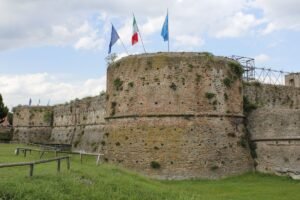
 The Citadel of Parma is one of those places that surprises with how it manages to combine history and relaxation in a single space. It is a pentagonal fortress built at the end of the 16th century by order of Alessandro Farnese, which has now been transformed into a vast public park frequented by locals and tourists. The imposing walls, bastions, and moats transport you back in time, when this defensive structure protected the city. Today, however, it is a green area where you can stroll along tree-lined paths, relax on the grass, or observe the remains of the barracks and artillery positions. One striking detail is the Porta di San Michele, the main entrance, which still retains the stern appearance of Renaissance military architecture. The park is also a meeting point: in summer, events and concerts are organized, while throughout the year it is perfect for a morning run or a picnic. If you visit Parma, don't miss this corner where history is not just to be admired but to be experienced firsthand. It is a shining example of how a place born for war can become a symbol of peace and conviviality.
Glauco Lombardi Museum
- Via Giuseppe Garibaldi, Parma (PR)
- Open in Google Maps
- View on Google Images
 If you want to discover the most elegant and refined Parma of the 19th century, the Glauco Lombardi Museum is an unmissable stop. Located in the heart of the historic center, on Strada Garibaldi, this museum transports you directly to the era of Maria Luigia of Austria, the duchess who ruled Parma from 1816 to 1847. The collection, born from the passion of collector Glauco Lombardi, is a true treasure trove of memories linked to the sovereign and her time. Here you can admire Maria Luigia's personal items, such as her porcelain toilet set, court dresses, jewelry, and a rich collection of paintings depicting the duchess and members of her family. Napoleonic memorabilia are also present, including autographed letters from Napoleon Bonaparte and portraits that testify to the ties between Parma and the French Empire. The rooms, set up in a stately palace, also preserve period furniture, silverware, and historical documents that recount daily life and court ceremonies. Perfect for history and art lovers, the museum offers an intimate and engaging atmosphere, far from the more crowded routes. The entrance ticket is affordable and includes audio guides in Italian and English, ideal for delving into the details. If you visit Parma, don't miss this corner of elegance: it's a unique way to understand how the city lived through its ducal period, between splendor and intrigue.
Town Hall
- Piazza Giuseppe Garibaldi, Parma (PR)
- Open in Google Maps
- View on Google Images
 The Town Hall, overlooking Piazza Garibaldi, has been the symbol of Parma's civic power since the 13th century. Also known as the Podestà Palace, its red brick facade and elegant Gothic mullioned windows instantly transport you to the city's medieval atmosphere. Inside, don't miss the Council Chamber, with its coffered ceiling and Renaissance frescoes depicting episodes from local history. A striking detail is the perfectly preserved spiral stone staircase connecting the noble floors. The palace still houses municipal offices today, but some areas are accessible to the public during temporary exhibitions or cultural events. Take a close look at the main portal, topped by the city coat of arms with a white cross on a blue field: an icon you'll find in many corners of Parma. The central location allows you to combine your visit with the nearby Baptistery and Cathedral, creating a perfect itinerary in the historic heart. Remember to check opening hours, as access is sometimes limited for institutional functions.
Governor's Palace
- Piazza della Steccata, Parma (PR)
- Open in Google Maps
- View on Google Images
 The Governor's Palace dominates Piazza Garibaldi with its neoclassical facade and elegant clock tower, a visual landmark in Parma's historic center. Built between the 13th and 17th centuries, this building housed papal governors for centuries and has now become a dynamic cultural space. Its architecture reflects the different eras that have characterized Parma, with medieval, Renaissance, and neoclassical elements blending harmoniously. Inside, the spacious halls host temporary exhibitions of contemporary art and photography, often focusing on social and cultural themes, making it a vibrant and ever-evolving venue. The clock tower, accessible to the public, offers a breathtaking panoramic view of the city, allowing visitors to admire from above the red rooftops and iconic monuments like the Duomo and the Baptistery. The main facade is adorned with the papal coat of arms and decorations that recall the city's papal past. Today, the palace is managed by the Municipality of Parma and organizes cultural events, conferences, and workshops, attracting both tourists and residents. Its central location makes it easily accessible during a stroll through the historic center, perhaps after visiting the nearby Duomo or before sampling culatello in one of the traditional osterias. The clock tower is particularly enchanting at sunset, when the golden light illuminates the square and creates a magical atmosphere. A practical tip: always check the exhibition calendar on the official website, as the displays change frequently and can offer unique experiences.
Parma Botanical Garden
 The Parma Botanical Garden is a peaceful haven of biodiversity in the historic center, founded in 1770 by decree of Duke Ferdinand of Bourbon. Managed by the University of Parma, it spans approximately 11,000 square meters and hosts over 1,500 plant species. Among its highlights are the 19th-century greenhouses, which house collections of succulent and tropical plants, and the area dedicated to medicinal plants, featuring specimens used in local pharmaceutical traditions. Strolling along the pathways, you'll encounter centuries-old trees such as a majestic oriental plane tree and a ginkgo biloba planted in 1790. The garden is organized into thematic sections: the Italian garden, with geometric flowerbeds, and the area of spontaneous Apennine plants, which replicates the natural habitats of the province. Particularly interesting is the collection of ferns and aquatic plants, with ponds hosting water lilies and marsh irises. Admission is free, and the location is perfect for a rejuvenating break away from the urban bustle. Throughout the year, educational workshops and guided tours are organized, ideal for families and botany enthusiasts. A practical tip: don't miss the peony bloom in spring, a colorful spectacle that attracts visitors from across the region.
Palazzo del Podestà
- Piazza Giuseppe Garibaldi, Parma (PR)
- Open in Google Maps
- View on Google Images
 The Palazzo del Podestà stands majestically in Piazza Garibaldi, the beating heart of Parma. Built in the 13th century, this building represents one of the most authentic symbols of medieval civil power in the city. Its brick facade, typical of Emilian architecture, still bears the marks of time and the various eras it has witnessed. The clock tower, added in the 15th century, dominates the square with its understated elegance. What makes this palace unique is its dual nature: on one hand, its historical administrative function, and on the other, its contemporary cultural vocation. Today it hosts temporary exhibitions and cultural events that enliven the interior spaces, where traces of the original frescoes can still be admired. Its strategic location allows visitors to appreciate the palace within the urban context, surrounded by other important monuments such as the Baptistery and the Cathedral. The visit is particularly evocative at sunset, when the warm light enhances the brick tones and creates plays of shadow on the facade. Admission is generally free, but it's always best to check opening hours based on current exhibitions.
Arturo Toscanini's Birthplace
- Borgo Rodolfo Tanzi, Parma (PR)
- Open in Google Maps
- View on Google Images
 Stepping into Arturo Toscanini's Birthplace means immersing yourself in the roots of one of the greatest conductors of all time. Located at Borgo Rodolfo Tanzi 13, in the heart of Parma's historic center, this 19th-century residence preserves intact the environment where Toscanini was born on March 25, 1867, and spent the first years of his life. The house-museum, managed by the Friends of Arturo Toscanini Association, offers an emotional journey through original furnishings, autographed documents, and personal memorabilia that tell the story of the maestro's formation. Particularly evocative is the bedroom where he was born, with the original bed still preserved, and the study where he began his music studies. Among the most significant pieces are the piano he used for rehearsals, the first scores annotated in his own hand, and the collection of historical photographs depicting him with the most important musicians of his time. The visit is completed with the documentary archive, which includes letters, programs, and reviews of his memorable performances at La Scala in Milan and the Metropolitan in New York. For music enthusiasts, it's a unique opportunity to understand how the family environment and Parmesan musical culture influenced Toscanini's genius. The museum periodically organizes themed guided tours and concerts in the dedicated hall, creating a direct link between the birthplace and the maestro's artistic legacy.
Puppet Castle - Giordano Ferrari Museum
- Strada Giuseppe Garibaldi 3/a, Parma (PR)
- Open in Google Maps
- View on Google Images
 If you think museums are only for paintings and sculptures, prepare to change your mind: the Puppet Castle - Giordano Ferrari Museum is a magical place that captivates both adults and children with its unique collection of marionettes, puppets, and miniature theaters. Located on Via Melloni, just steps from the Duomo, this museum was born from the passion of Giordano Ferrari, a famous puppeteer from Parma who dedicated his life to preserving this tradition. Here you won't just find objects behind glass: over 2,000 pieces, including wooden puppets, string marionettes, and period stage sets, tell stories of battles, love, and laughter, like those of the popular character Sandrone, a symbol of Emilian culture. The museum is organized into thematic sections: from the history of the Ferrari family, who for generations animated the theaters, to influences from other Italian regions. The 19th-century puppets stand out, some still used in live performances periodically organized in the internal theater. Perfect for families, the museum offers educational workshops where children can create their own puppet, a hands-on experience that makes the visit unforgettable. The atmosphere is warm and engaging, with clear explanations and well-marked paths. A tip: check the event calendar, because attending a live performance is like stepping back in time, when street theater was the star of daily life. If you love craftsmanship, history, or simply want to treat yourself to an hour of pure imagination, this is the right place. Paid admission, with reduced rates for children and groups, and flexible hours including weekend openings. Takeaway: don't miss the chance to discover an authentic piece of Parma, away from the usual tourist routes.