
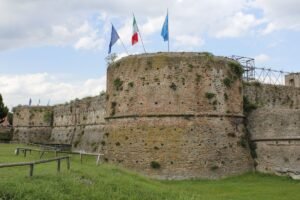
The Rocca dei Boiardo in Scandiano is a 15th-century castle that preserves intact noble rooms with Renaissance frescoes and historic gardens. Less known than other Emilia-Romagna castles, it offers an authentic experience away from tourist crowds.
- Renaissance frescoes attributed to Nicolò dell’Abate in the Sala del Camino
- Hanging gardens with geometric flowerbeds, boxwood hedges, and centuries-old trees
- Towers offering views of the entire medieval village and the Po Valley
- Interior rooms with Renaissance painting cycles and grotesque decorations
Events nearby
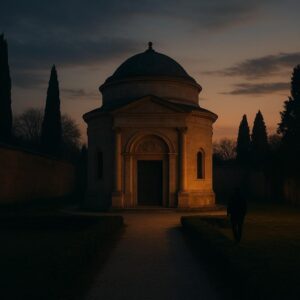
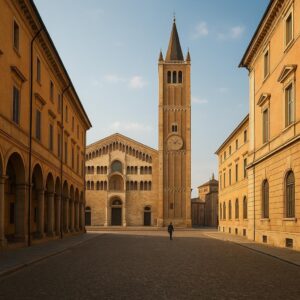
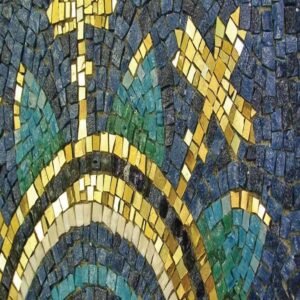

A 15th-century castle with frescoed rooms by Nicolò dell’Abate, Italian-style gardens, and views over the Po Valley. Once the residence of poet Matteo Maria Boiardo, now a cultural hub in the province of Reggio Emilia.
- Via Ferdinando Cesari, Reggio Emilia (RE)
- Open in Google Maps
- View on Google Images Rocca dei Boiardo a Reggio Emilia
Good to know
Introduction
The Rocca dei Boiardo in Scandiano welcomes you with its imposing 15th-century structure, an architectural gem that dominates the historic center. It’s not just a castle, but a journey through time among frescoed courtyards and gardens that smell of history. Walking through its halls, you breathe in the Renaissance atmosphere that has seen poets and lords pass through, with frescoes that tell stories of battles and loves. The panoramic view from the tower over the Emilian landscape is worth the visit alone. If you love places that combine beauty and authenticity, here you’ll find a corner of Emilia-Romagna off the usual tourist trails.
Historical Overview
The Rocca was originally built as a fortress in the 15th century by Matteo Maria Boiardo, poet and Count of Scandiano, author of Orlando Innamorato. In the 16th century, it passed to the Thiene family, who expanded the structure with Renaissance elements. The interiors preserve painted cycles by artists like Nicolò dell’Abate, featuring mythological and courtly scenes. In the 18th century, it became the summer residence of the Este dukes before being acquired by the Municipality. Today it serves as a cultural hub hosting exhibitions and events.
- Late 1400s: Construction under the Boiardo family
- 1500s: Expansions under the Thiene family
- 1700s: Summer residence of the Este family
- Today: Venue for events and visits
Renaissance Frescoes
The interior halls house Renaissance frescoes of extraordinary vibrancy, such as those attributed to Nicolò dell’Abate in the Hall of the Fireplace, depicting episodes from the Aeneid. The grotesque decorations and friezes with putti and festoons, typical of 16th-century Emilian taste, stand out. In the Hall of Coats of Arms, the heraldic symbols of the families who inhabited the fortress accompany you on a journey through power and alliances. These details are not mere ornaments: they narrate courtly culture and the artistic evolution of the region, making the visit an immersive experience for those who appreciate art without frills.
The Historic Gardens
The Gardens of the Rocca are an oasis of tranquility with geometric flowerbeds, boxwood hedges, and centuries-old trees shading the pathways. Designed in keeping with the tradition of Italian gardens, they offer perfect spots for a break, with benches that invite you to sit and enjoy the view of the walls. In spring, the blooms of ancient roses and lavender create splashes of color, while in summer, the shade of the lime trees provides coolness. This is no ordinary park: here you can feel the harmony between architecture and nature, ideal for those seeking a moment of peace after visiting the interior rooms.
Why Visit It
Visit Rocca dei Boiardo for three concrete reasons: first, the Renaissance frescoes are among the best preserved in the province, with details that will thrill art enthusiasts; second, the gardens offer a quiet refuge away from the crowds, perfect for a rejuvenating break; third, its location in the heart of Scandiano allows you to combine castle exploration with a stroll through the village, with typical shops and cafés just steps away. It’s a complete experience that blends culture and relaxation without excessive costs.
When to Go
The ideal time to visit is during the late autumn afternoon, when the warm sunlight enhances the colors of the frescoes and the gardens take on golden hues. During this season, the lower crowds create more intimate atmospheres, perfect for appreciating the details at your own pace. Avoid days with heavy rain, as some outdoor areas may be less enjoyable. If you prefer lush greenery, spring is equally enchanting, with the gardens in full bloom.
In the Surroundings
Complete your day with a stop at the Scandiano Ceramics Museum, which showcases exquisite local artifacts in a historic palace just a short walk away. For a culinary experience, head towards the Reggio Emilia hills to sample Traditional Balsamic Vinegar at one of the local cellars, where barrels age this Emilian nectar. Both options enrich your visit with authentic traditions, keeping you immersed in the local atmosphere.
Itineraries nearby

💡 Did You Know…?
Legend has it that on full moon nights, one can hear the ghost of Matteo Maria Boiardo reciting verses from Orlando Innamorato. The armory houses an ancient sword with mysterious engravings, while the private chapel preserves almost intact 15th-century frescoes. A unique feature: the well in the inner courtyard is 40 meters deep and still functional.