
🧭 What to Expect
- Ideal for history and archaeology enthusiasts, with sites spanning from prehistory to the Roman era.
- Italy's highest regional capital (819 m) with breathtaking panoramic views over the Lucanian Apennines.
- A complete cultural itinerary among national museums, archaeological sites, and historic architecture.
- Vibrant cultural offerings with the Francesco Stabile Theatre and temporary exhibitions.
Events nearby
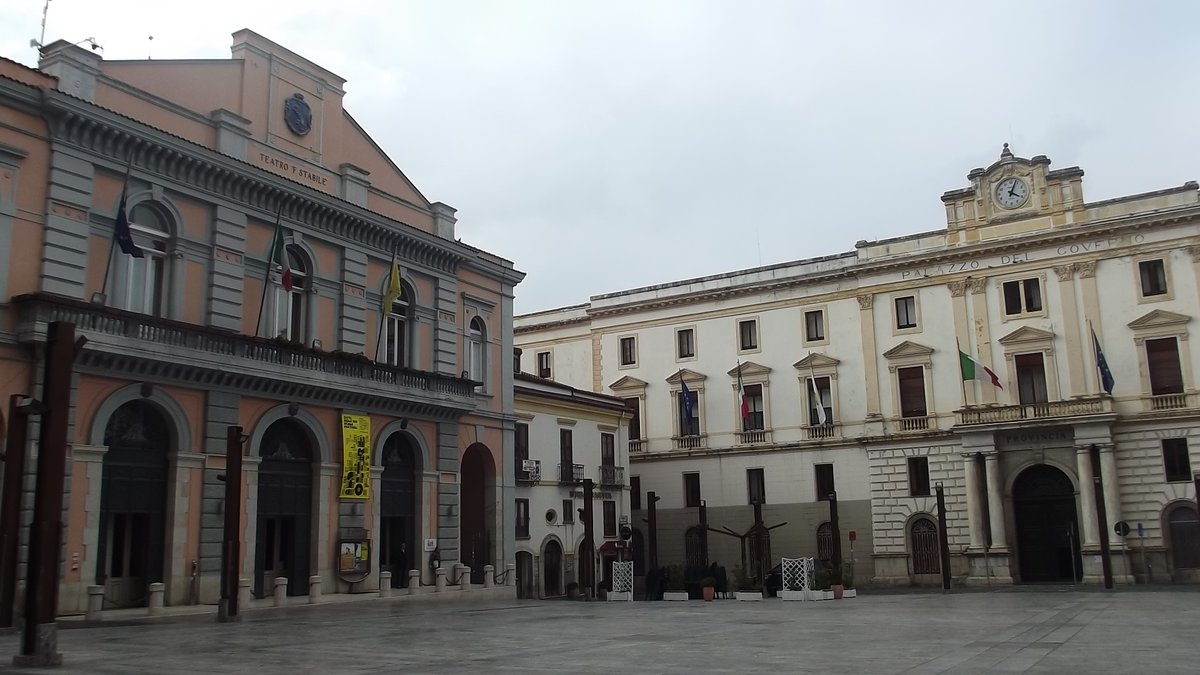
The City of Potenza, Italy's highest regional capital at 819 meters, offers a unique blend of ancient history and contemporary culture. Malvaccaro Roman Villa represents one of the most important archaeological sites in Basilicata, with well-preserved mosaics depicting life in the 3rd century AD. The Dinu Adamesteanu National Archaeological Museum houses artifacts ranging from prehistory to the medieval era, while the Provincial Archaeological Museum completes the offering with local collections. The historic center, dominated by the 16th-century Guevara Tower, offers breathtaking views of the Lucanian Apennines. The Francesco Stabile Theatre, heart of the city's cultural life, hosts quality theater seasons. An ideal destination for those seeking authenticity away from mass tourist flows.
Overview
Itineraries nearby


Villa Romana di Malvaccaro
 The Villa Romana di Malvaccaro is one of those hidden treasures that make you understand just how layered Potenza's history truly is. Accidentally discovered during construction work in 1973, this 1st-century AD villa is located right in the Malvaccaro district, just a short walk from the city center. What immediately catches the eye are the beautiful polychrome mosaics that decorated the floors, with geometric and vegetal patterns still clearly visible. The villa must have been the residence of a wealthy family, as evidenced by the remains of the private thermal bath complex with its hypocaust heating system. Walking through the ruins, you can clearly recognize the typical spaces of Roman villas: the peristyle, the cubicula (bedrooms), and the triclinium where banquets were held. Particularly fascinating is the water channeling system that served both the baths and the villa's water supply. Admission is free and the site is always accessible, though not always well signposted. I recommend visiting during the midday hours to better appreciate the colors of the mosaics in the sunlight. For those wanting to learn more, the National Archaeological Museum of Potenza houses some artifacts recovered during the excavations.
National Archaeological Museum of Basilicata Dinu Adamesteanu
- Via Andrea Serrao 11, Potenza (PZ)
- http://musei.beniculturali.it/musei?mid=76&nome=museo-archeologico-nazionale-della-basilicata-dinu-adamesteanu
- Open in Google Maps
- View on Google Images
- pm-bas.museopotenza@beniculturali.it
- +39 0971 21719
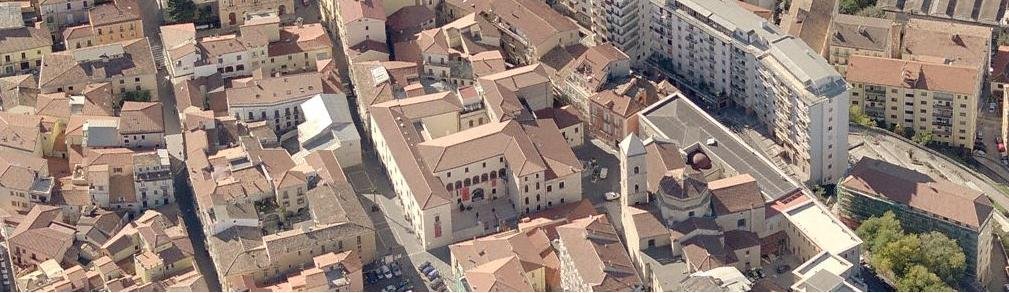 If you truly want to understand the roots of Basilicata, the National Archaeological Museum Dinu Adamesteanu is an essential stop. Located in the center of Potenza, in a former 17th-century convent, this museum takes you on a journey that begins in prehistory and extends to the Roman era. What immediately stands out is the organization: the rooms are divided by thematic and chronological areas, allowing you to follow the evolution of the territory without getting lost. Among the highlights are the artifacts from the necropolis of Braida di Vaglio, with funeral goods that tell the story of the local aristocracies of the 4th century BC. Then there are the bronze votive statues from Rossano di Vaglio, showcasing craftsmanship of the highest level. Don't miss the section dedicated to the Roman city of Potentia, where you'll discover how daily life was organized with objects like lamps, coins, and household tools. The museum is designed to be accessible: the explanatory panels are clear, and there are multimedia supports that enrich the visit. If you're a history enthusiast, you'll find material to explore for hours, but even if you're just curious, the experience is engaging thanks to well-preserved artifacts and stories that feel alive. A tip: set aside at least an hour and a half so you don't have to rush, because there's a lot to see and every detail deserves attention.
Provincial Archaeological Museum of Potenza
- Via Ciccotti 18, Potenza (PZ)
- Open in Google Maps
- View on Google Images
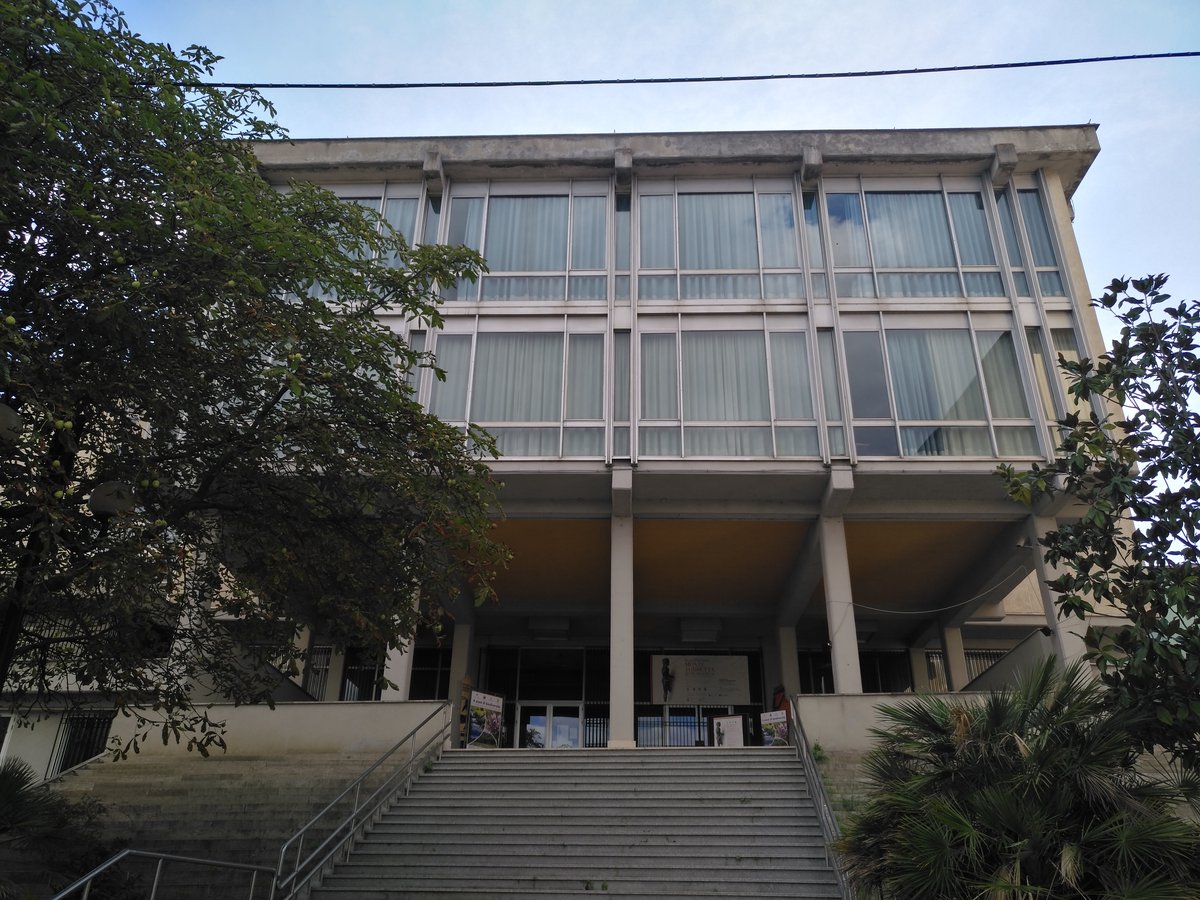 The Provincial Archaeological Museum of Potenza is a true hidden gem in the heart of the Lucanian capital, located on Via Andrea Vaccaro. This museum welcomes you with a collection that tells the story of the territory from prehistory to the Roman age, with particular attention to indigenous populations like the Lucanians. The section dedicated to the Iron Age is among the most fascinating, with funerary goods from the necropolises of Vaglio Basilicata that testify to rituals and daily life. The artifacts from the Roman city of Potentia show you how the ancient inhabitants lived, with perfectly preserved ceramics, coins, and everyday tools. Don't miss the numismatic collection which includes coins from different eras, a true treasure for enthusiasts. The museum is organized clearly and accessibly, with explanatory panels that make the visit enjoyable even for non-experts. The thematic rooms guide you through the centuries, from the first settlements to Roman conquests. Particularly evocative are the reconstructions of ancient environments that immerse you completely in history. The staff is helpful and knowledgeable, ready to answer your questions. The museum also offers educational activities for schools and families, making it a destination suitable for everyone. Its central location makes it easily reachable on foot from the historic center. Admission is free, an excellent reason not to miss this unique cultural experience.
Guevara Tower
- Via Raffaele Acerenza, Potenza (PZ)
- Open in Google Maps
- View on Google Images
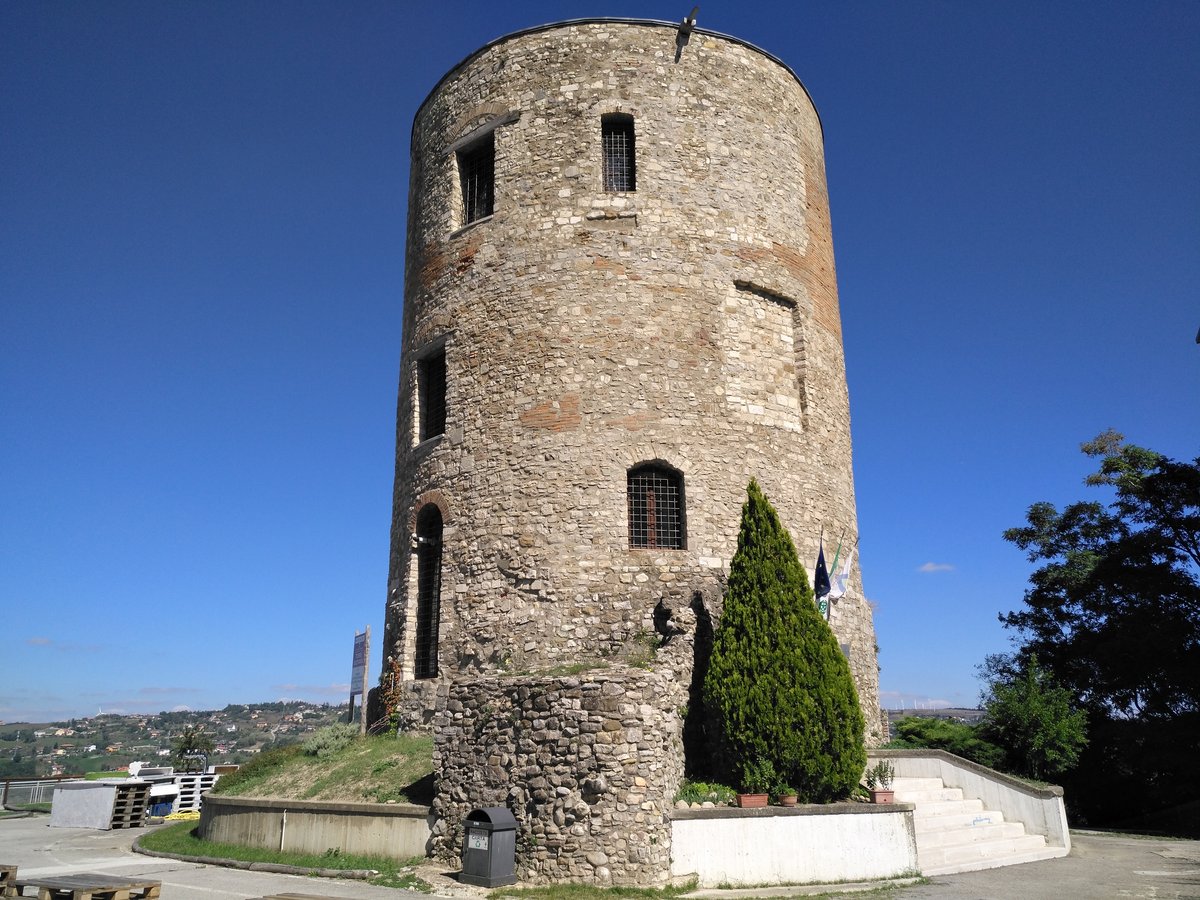 The Guevara Tower is one of the most iconic monuments in Potenza's historic center, an imposing medieval structure that rises majestically in the heart of the city. Built in the 15th century as part of the city's defensive system, this tower was originally part of the Guevara Palace, residence of the noble Spanish family that ruled the area. Today it stands as a solid bastion made of local stone, with its characteristic quadrangular shape and arrow slits that testify to its military function. The tower has been recently restored and now hosts temporary exhibitions and cultural events, becoming a very active artistic hub. Its strategic location, right opposite the Cathedral of San Gerardo, makes it an essential landmark for anyone visiting Potenza. Climbing its steps offers breathtaking panoramic views of the city and surrounding mountains, with vistas stretching from Vulture to the Lucanian Apennines. The interior preserves traces of ancient frescoes and the original structure, while the exterior still shows marks from the various historical eras it has witnessed. The tower is easily accessible on foot from the main street and is always included in historic center tourist itineraries. Its imposing presence tells centuries of Potenza's history, from Norman to Angevin rule, right up to the present day.
Provincial Art Gallery of Potenza
- Via Lazio 8, Potenza (PZ)
- Open in Google Maps
- View on Google Images
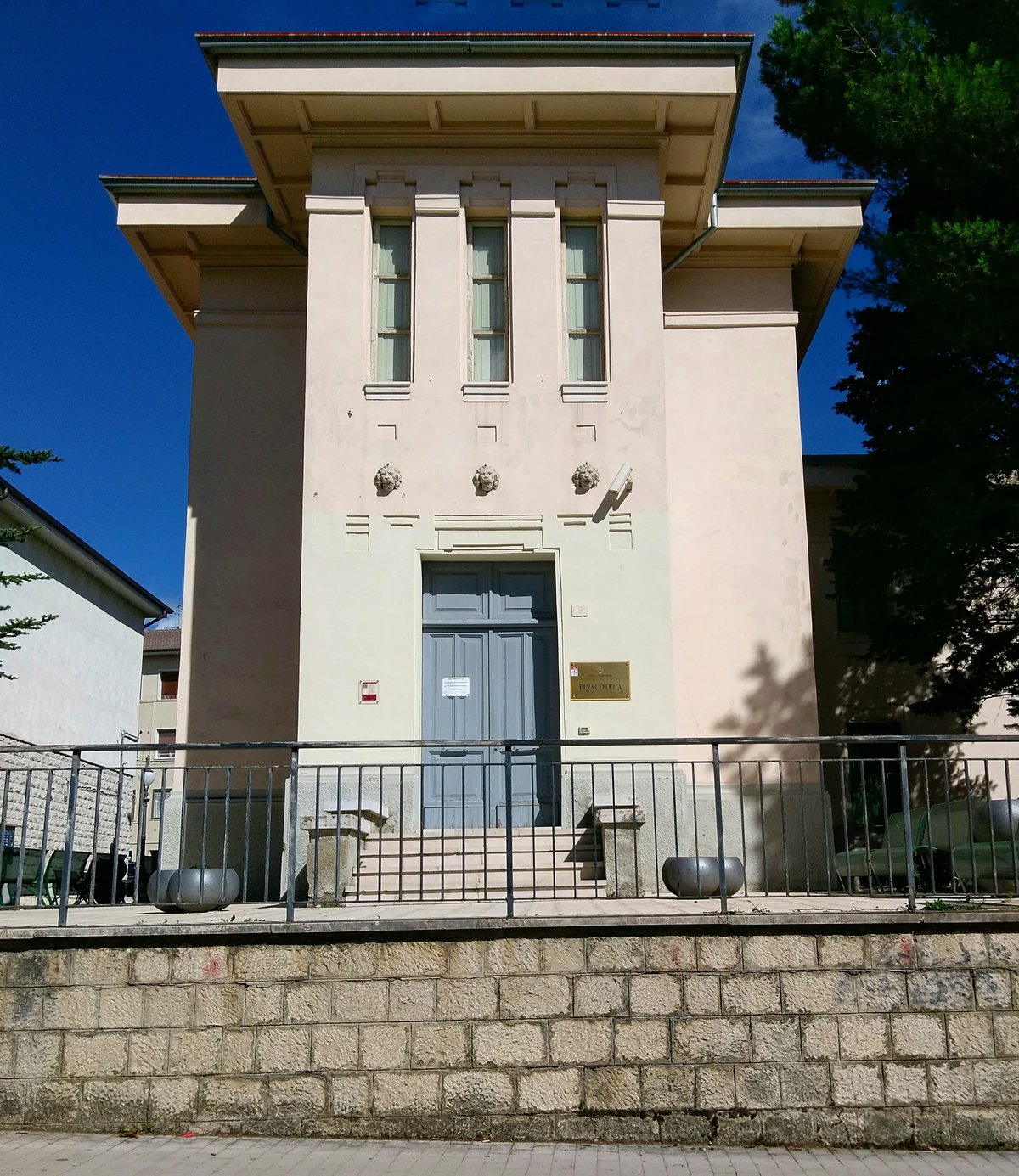 If you think Potenza is just mountains and traditions, the Provincial Art Gallery will surprise you with its rich art collection spanning from the Middle Ages to the 20th century. Located in the heart of the capital city, in a historic building easily reachable on foot from the center, this museum preserves works that tell the artistic history of Basilicata through paintings, sculptures, and sacred furnishings. Among the most significant pieces stand out the 15th and 16th century panels, such as the 'Madonna and Child' from the Neapolitan school, and works by Lucanian artists like Michele Tedesco, a 19th-century painter known for his scenes of daily life. The section dedicated to sacred art includes altarpieces and reliquaries that testify to local devotion, while the modern rooms host works by 20th-century authors, offering a journey through time without needing to travel. The layout is clear and well-curated, with explanatory panels that help contextualize each work. A practical detail: admission is often free or at a symbolic price, making it perfect for a quick visit even if you're short on time. Don't expect crowds of tourists: here the atmosphere is quiet, ideal for appreciating art without rush. If you love museums that blend tradition and innovation, this art gallery is a must-stop to understand the cultural soul of Potenza.
Francesco Stabile Theatre
- Piazza Mario Pagano, Potenza (PZ)
- Open in Google Maps
- View on Google Images
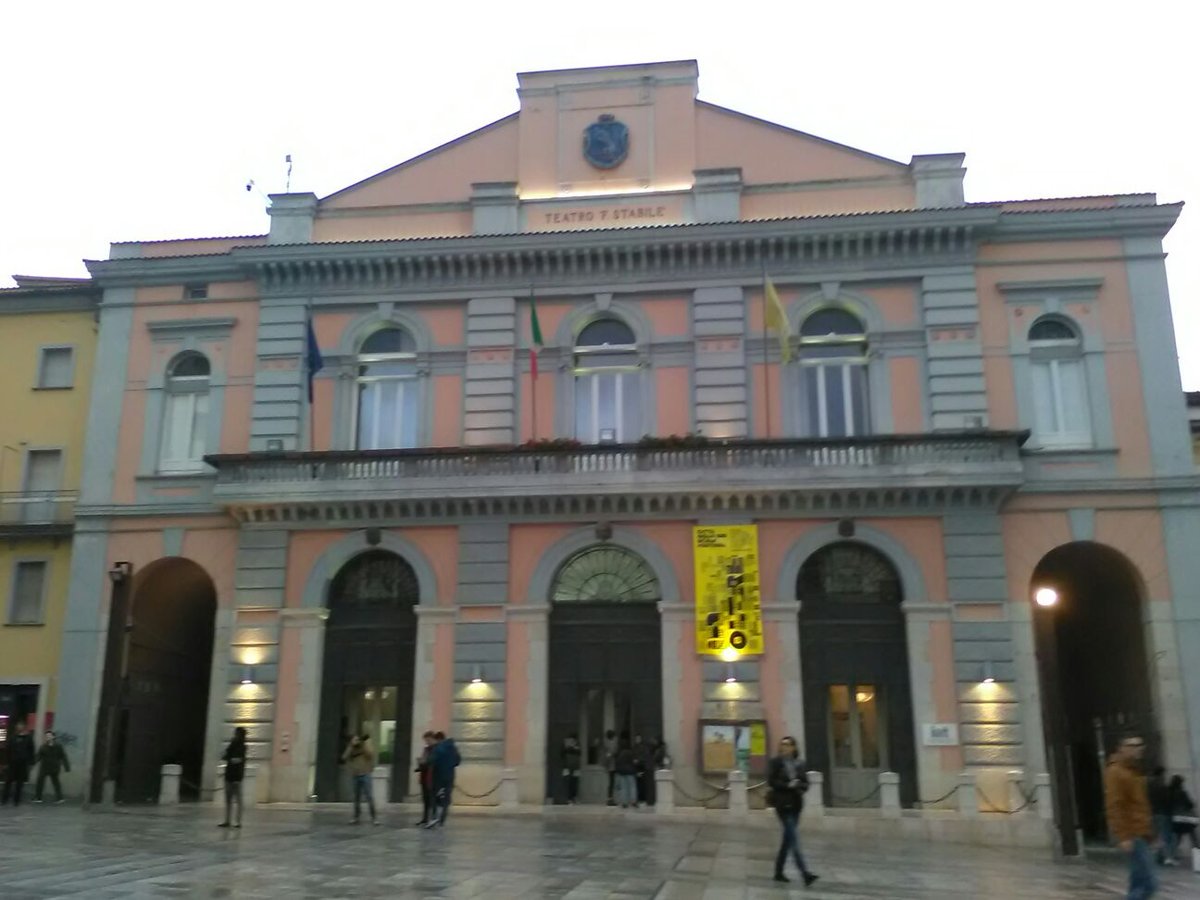 The Francesco Stabile Theatre represents one of the most significant venues in Potenza's cultural life. Inaugurated in 1881 and named after Lucanian musician Francesco Stabile, this theatre stands out for its elegant neoclassical architecture that characterizes both the exterior and interior. The main hall, with its characteristic horseshoe shape, accommodates approximately 500 spectators and still preserves its 19th-century atmosphere thanks to the rich golden stuccoes and frescoed ceiling. The annual programme ranges from classical and contemporary drama to symphonic music concerts, without forgetting dance and productions for children. During the winter season, it's possible to attend performances by national and local companies, while in summer the theatre often organizes special events and themed festivals. The box office is open on performance days starting two hours before the show begins, with affordable prices that make culture accessible to everyone. For those visiting Potenza, an evening at the Stabile Theatre offers the opportunity to immerse yourself in the vibrant local arts scene and appreciate a historic building that continues to live through art.