Borgo San Giovanni: Medieval Alleys and Views of the Matese Massif

Borgo San Giovanni in Piedimonte Matese preserves authentic medieval architecture with cobblestone alleys, wooden portals, and stone houses. The Church of San Giovanni features Renaissance frescoes, while the Arches Square dates back to the 15th century. The village offers spectacular views of the Matese Massif and serves as a starting point for trails in the Regional Park.

  • Medieval alleys with pointed arches and solid wooden portals
  • Church of San Giovanni with Renaissance frescoes
  • Views of the Matese Massif, Monte Miletto, and Gallinola
  • 15th-century Arches Square and ancient fountain

Copertina itinerario Borgo San Giovanni: Medieval Alleys and Views of the Matese Massif
A 12th-century medieval village with stone-paved streets, the Church of San Giovanni, and Renaissance frescoes. Views of Monte Miletto and Gallinola, the Arches Square, and an ancient fountain. A tranquil escape from mass tourism.

Good to know


Introduction

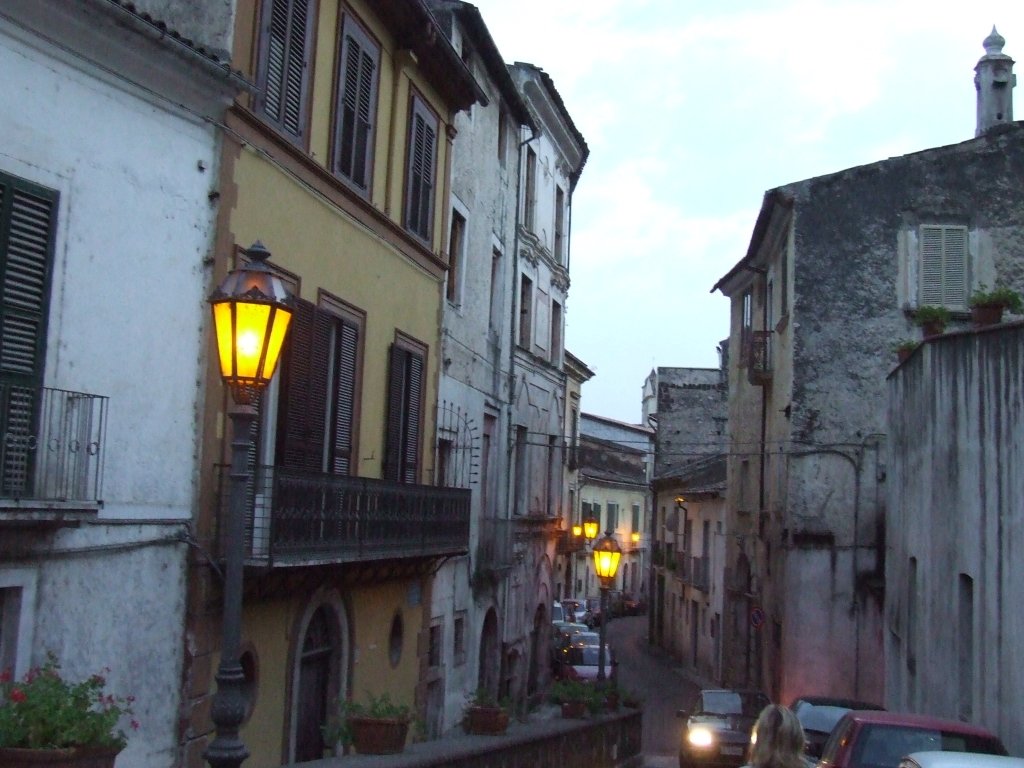
Borgo San Giovanni is a peaceful corner nestled among the Matese mountains, where time seems to have stood still. Upon arrival, you’re welcomed by an authentic medieval atmosphere, with cobblestone lanes gently climbing upward. The stone houses, ancient portals, and flower-adorned balconies create a picturesque scene, while your gaze sweeps freely across the Matese Massif, with peaks that touch the sky. It’s not just a village to photograph, but a place to experience: here you breathe in history, and nature becomes your travel companion. Ideal for those seeking an escape from the hustle and bustle, where every step tells a centuries-old story.

Historical Overview

The origins of Borgo San Giovanni date back to the 12th century, when it was founded as a rural settlement connected to nearby Piedimonte Matese. Over the centuries, it witnessed the passage of various ruling powers, from the Lombards to the Normans, who left their mark on the architecture and urban layout. During the Middle Ages, the village was a strategic point for controlling transit routes towards the Matese mountains, and its church dedicated to Saint John the Baptist became a spiritual reference point for the community. In subsequent centuries, it maintained its rural identity, surviving wars and changes, until becoming today a gem of historical preservation.

  • 12th century: Foundation as a rural settlement
  • Medieval era: Development under Lombards and Normans
  • 16th-18th centuries: Consolidation as an agricultural village
  • Today: Preservation as a site of historical and landscape interest

Architecture and Hidden Alleys

Walking through Borgo San Giovanni means discovering a labyrinth of alleys that weave between houses made of local stone, many of which still preserve the original pointed arches and massive wooden portals. One of the most characteristic spots is the Piazzetta degli Archi, where buildings dating back to the 15th century stand, featuring mullioned windows and wrought-iron balconies. Don’t miss the alley leading to the Ancient Fountain, once a water supply point for the inhabitants, now a resting place for visitors. The architecture is a mix of medieval and Renaissance styles, with details that tell centuries of peasant and artisan life.

Panoramas and Surrounding Nature

The village offers spectacular views of the Matese Massif, especially from the natural terrace facing north. From here, you can glimpse the peaks of Monte Miletto and Monte Gallinola, often snow-capped in winter. The surrounding area is ideal for short hiking excursions, with trails starting directly from the village and winding through beech and oak forests, home to deer and wild boar. In spring, the meadows bloom with wildflowers, while in autumn the foliage offers warm, enveloping hues. A perfect blend of history and pristine nature.

Why Visit

Borgo San Giovanni is worth visiting for its preserved authenticity, far from mass tourism. Here you can stroll through quiet alleyways without crowds, admiring still-intact medieval architecture. Additionally, it’s an ideal starting point for exploring the Matese Regional Park, with trails accessible even to families. Finally, its proximity to Piedimonte Matese allows you to combine your visit with food and wine experiences, sampling local products like typical cheeses and cured meats.

When to Go

The most enchanting time to visit Borgo San Giovanni is at sunset, when the warm sunlight bathes the stone houses and the mountains blush with shades of pink and orange. As for the season, autumn is particularly magical, with the vibrant foliage colors enhancing the landscape and the crisp air inviting leisurely strolls.

In the Surroundings

Just a short drive away, it’s worth visiting the Historic Center of Piedimonte Matese, with its Ducal Palace and the Church of San Tommaso d’Aquino. For nature lovers, Lake Matese offers opportunities for lakeside walks and observing local wildlife.

💡 Did You Know…?

A local legend tells that the village was a refuge for hermit monks, who found spiritual isolation here. Even today, some elderly residents claim to have seen shadows wandering through the narrow streets on full moon nights, perhaps spirits of ancient pilgrims. The village also preserves an ancient communal oven, where until the 1950s bread was baked for the entire town following recipes passed down through generations.