
🧭 What to Expect
Perfect for a city break: in one day you can visit the main monuments. Art and history under the gaze of the Strait: from the Cathedral to the Regional Museum. Walking itinerary: the entire historic center is easily walkable. Astronomical clock: a unique mechanical show in the world. Regional Museum: works by Antonello da Messina and Caravaggio. Views of the Strait: from the Torre Faro pylon and the waterfront.
Events nearby
If you're looking for what to see in Messina, you've come to the right place. This city on the Strait is a hub of art and history. Start at the Cathedral with its incredible astronomical clock, one of the largest in the world, which puts on a mechanical show of moving statues every day at noon. Then stroll through Piazza del Duomo among the Fountains of Orion and Neptune, works by Montorsoli, and the Falconieri Fountain. Don't miss the Regional Museum, home to masterpieces by Antonello da Messina and Caravaggio, and the Vittorio Emanuele Theatre, a neoclassical gem. For a unique view of the Strait, climb the Torre Faro pylon. Remember the Statue of the Madonna della Lettera, the city's symbol, and the medieval Castellaccio. With this walking itinerary, in one day you'll discover the best of Messina: monuments, churches, historic palaces, and the vibrant atmosphere of the center. Ready for your visit?
Overview
- Astronomical Clock: A Masterpiece in Motion
- Fountain of Orion: A Renaissance Masterpiece in Piazza Duomo
- Fountain of Neptune: The God Who Tames the Strait
- Regional Museum of Messina: Between Antonello and Caravaggio
- Teatro Vittorio Emanuele of Messina, a neoclassical gem
- Don John of Austria: History and Re-enactment
- Fontana Falconieri: A Neoclassical Gem Between History and Art
- Gennaro Fountain: A Mannerist Gem Between History and Restoration
- Church of Santa Maria della Valle in Messina: the Medieval Badiazza
- Castellaccio: Messina's Ancient Fortress
- Column of the Immaculate Conception: History, Art, and Devotion
- Statue of the Madonna della Lettera: The Symbol of the Port
- Capo Rasocolmo Lighthouse: History and Breathtaking Views
- Monument to the Fallen: History and Symbols in Piazza Municipio
- Birthplace of Giuseppe Seguenza
Itineraries nearby


Astronomical Clock: A Masterpiece in Motion
- Go to the page: Messina Astronomical Clock: An Engineering Masterpiece
- Piazza Duomo, Messina (ME)
- https://www.messinarte.it/campanile-del-duomo-di-messina/
- Open in Google Maps
- View on Google Images
- +39 090 675175
 If there's one thing you can't miss in Messina, it's the 12 o'clock show in Piazza Duomo. The astronomical clock, set in the bell tower about 60 meters high, is considered the largest and most complex mechanical and astronomical clock in the world. Built by the Ungerer company of Strasbourg in 1933 at the behest of Archbishop Angelo Paino, every day at noon it comes to life for about 12 minutes, with 54 bronze statues moving to the sound of Schubert's Ave Maria. The rampant lion roars three times waving the flag of Messina, the rooster crows, and the heroines Dina and Clarenza mark the time. Biblical and historical scenes alternate: the Embassy to the Madonna of the Letter, the founding of the Sanctuary of Montalto, the four ages of life, and a carousel of the days of the week drawn by deities. On the opposite side, a perpetual calendar of 3.5 meters and a planetarium show the orbits of the planets and the lunar phases. The clock is still perfectly functioning and represents a gem of engineering. The visit is free, and to enjoy the show you just need to arrive a few minutes before 12. Don't forget to look up: every quarter hour, the statues of the ages move, reminding you that time inexorably passes.
Fountain of Orion: A Renaissance Masterpiece in Piazza Duomo
- Piazza Duomo, Messina (ME)
- Open in Google Maps
- View on Google Images
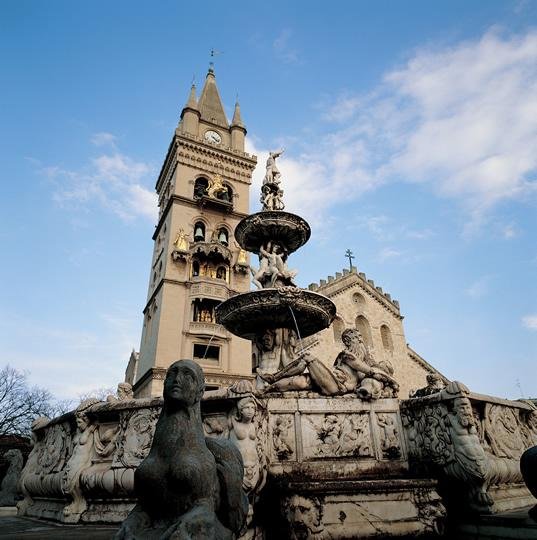 As you enter Piazza Duomo in Messina, it's impossible not to notice the Fountain of Orion. It stands before you majestic, with its pyramidal structure of overlapping basins that almost seems to touch the sky. Built between 1547 and 1553 by Giovanni Angelo Montorsoli, a pupil of Michelangelo, it was commissioned by the Messina Senate to celebrate the completion of the city's first aqueduct, which brought water from the Camaro and Bordonaro streams. The result? One of the most photographed monuments in the city — and for good reason.
The work is a riot of detail: at the base, a dodecagonal basin with statues of rivers Tiber, Nile, Ebro, and Camaro, interspersed with bas-reliefs from Ovid's Metamorphoses. Then rise four Tritons, four Naiads, putti riding dolphins, and at the top, the statue of Orion with his dog Sirius. Every element has precise meaning, conceived together with the scientist Francesco Maurolico, who carved Latin verses under the statues. It feels like a choreography of water and stone.
The fountain is always open and wheelchair accessible — you'll find it right in front of the Duomo. Sitting on the edge for a moment and watching the water flow is a small luxury. There's no ticket; it's completely free to enjoy. And if you feel you've seen a similar fountain before, it's perhaps because Montorsoli created another for Messina: the Neptune Fountain. But this one, the Fountain of Orion, has a special charm. Art historian Bernard Berenson called it "the most beautiful fountain of the European sixteenth century" — and after seeing it, you can only agree.
Fountain of Neptune: The God Who Tames the Strait
- Via Vittorio Emanuele II, Messina (ME)
- Open in Google Maps
- View on Google Images
 If there’s one monument that embodies the soul of Messina, it’s the Fountain of Neptune. Not just because it’s stunning, but because it tells the story of the city’s relationship with the sea. Created in 1557 by Giovanni Angelo Montorsoli (a pupil of Michelangelo), it was commissioned by the Messina Senate to celebrate control over the waters of the Strait. The scene is powerful: Neptune, with his trident and outstretched arm, holds the monsters Scylla and Charybdis in chains, symbols of the dangerous currents. It’s the oldest of Italy’s three great monumental fountains dedicated to Neptune (the others are in Bologna and Florence). Originally positioned facing away from the sea, in front of the port, it was moved in 1934 to Piazza Unità d’Italia and rotated 180 degrees, so now it looks toward the Strait. Legend has it that the reorientation was meant to protect the city after the 1908 earthquake. Note: the statue you see is a 19th-century copy by Gregorio Zappalà (Neptune) and Letterio Subba (Scylla); the originals are housed in the Museo Regionale di Messina. The fountain is surrounded by a large circular basin, with four oval pools at the corners filled with masks and dolphins. Every detail is rich in symbolism: coats of arms of Charles V, Spanish eagles, Latin inscriptions. Strolling here at sunset, with the sea in the background, is an experience I recommend to everyone. It’s an open, free place, perfect for a break between visits.
Regional Museum of Messina: Between Antonello and Caravaggio
- Go to the page: Regional Museum of Messina: Masterpieces by Caravaggio and Antonello
- Viale della Libertà, Messina (ME)
- https://www.beniculturali.it/luogo/museo-regionale-interdisciplinare-di-messina
- Open in Google Maps
- View on Google Images
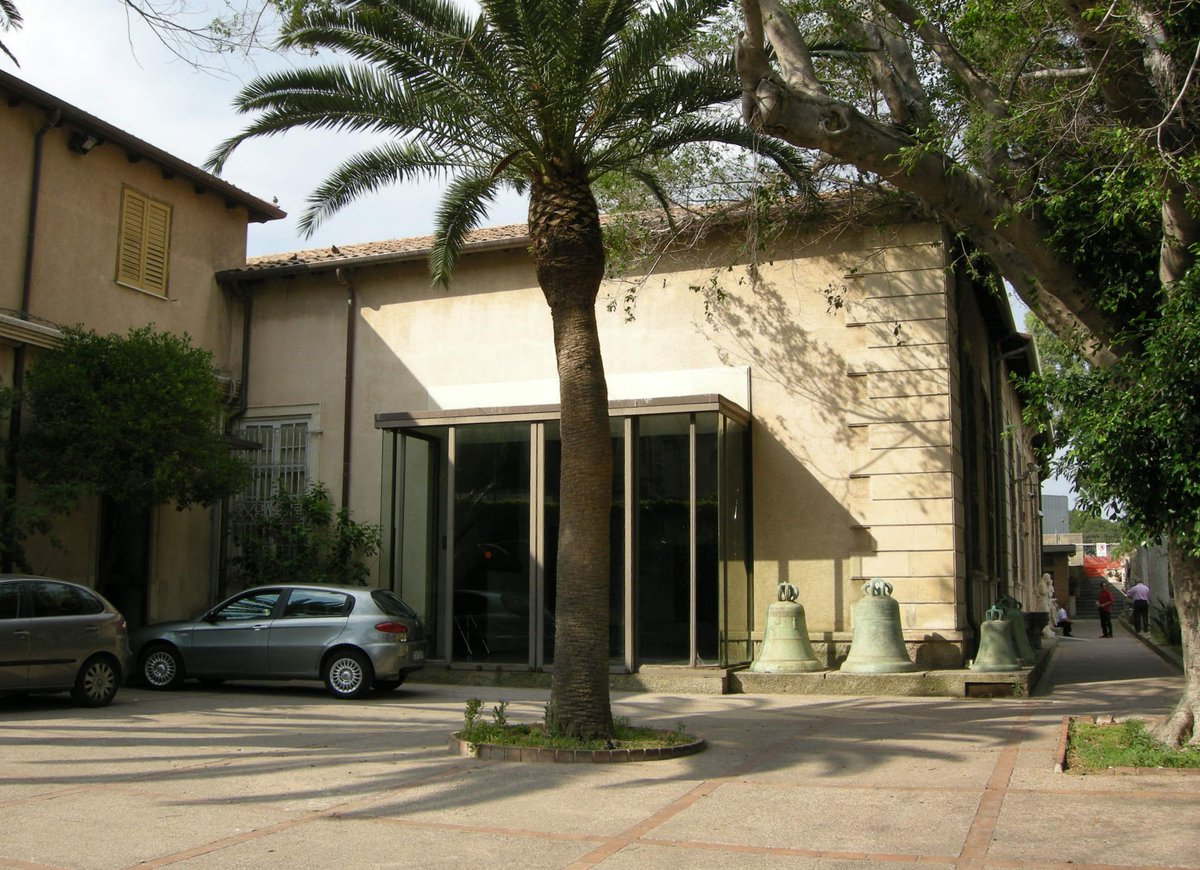 If you think Messina is only the Duomo and the Clock Tower, you're very mistaken. Just steps from the sea, on Viale della Libertà, there's a place that alone is worth the trip: the Regional Museum of Messina. Housed in a former 19th-century silk mill, the Mellinghoff, it gathered artworks recovered from the rubble after the 1908 earthquake. Step inside and you'll find yourself immersed in centuries of history, from the Middle Ages to the 18th century.
The crown jewel? Without a doubt, the masterpieces by Antonello da Messina: the Polyptych of St. Gregory, dated 1473, is one of his most important works. But the real surprise are two paintings by Caravaggio, the Adoration of the Shepherds and the Resurrection of Lazarus, painted during his stay in Messina in 1609. Seeing Caravaggio's dramatic light up close is an experience you won't forget.
That's not all: the collection also includes sculptures like Scilla by Montorsoli (original of the Neptune Fountain) and the Last Judgment by Girolamo Alibrandi. Wandering through the rooms, you'll notice that each era has a different color: blue for the Middle Ages, red for Mannerism, brown for Caravaggio. A clever way to find your bearings without getting lost.
The museum is huge: 5,000 sqm of exhibition space, with over 750 works. And don't forget the outdoor garden, filled with stone artifacts and statues. If you're an art lover, make yourself comfortable: it takes at least a couple of hours. If you're short on time, head straight to the Caravaggio room.
Practical info: admission is 8 € (reduced 4 €), open Tuesday to Saturday with split hours (9:30-15 and 16-21), Sunday only afternoon (16-21). Closed Mondays. Oh, and in 2022 it had nearly 22,000 visitors: a sign that something good is there.
Teatro Vittorio Emanuele of Messina, a neoclassical gem
- Via Giuseppe Garibaldi, Messina (ME)
- Open in Google Maps
- View on Google Images
- +39 090 8966226
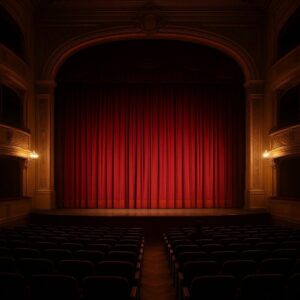
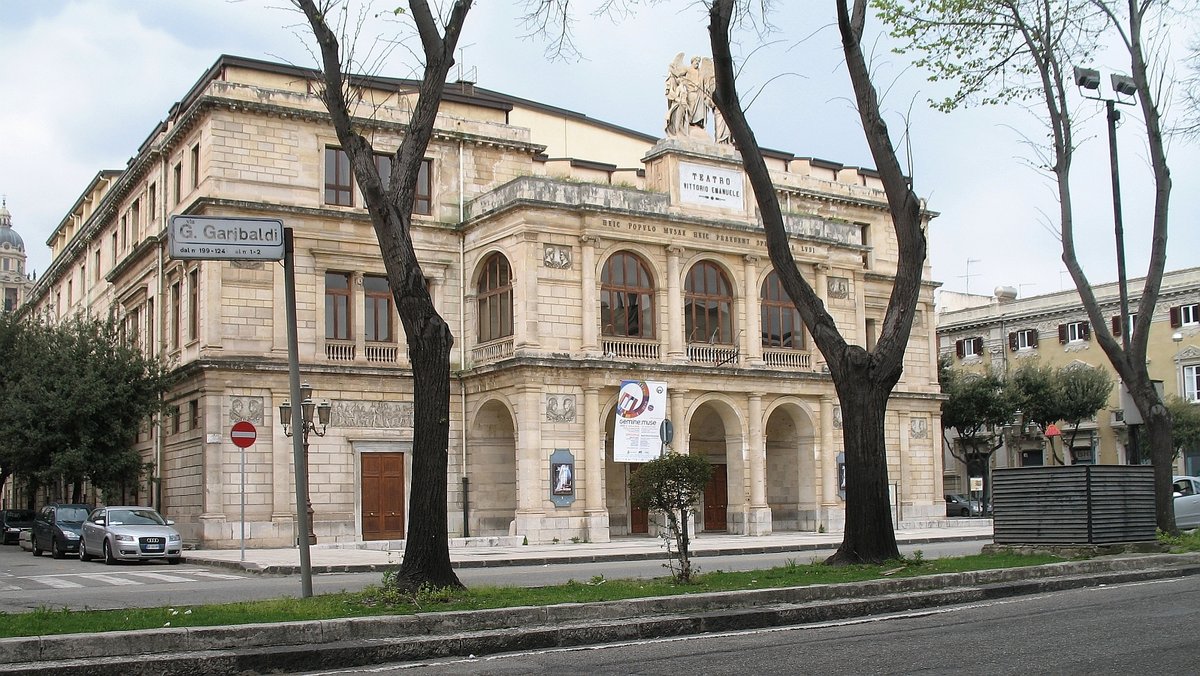 If you think Messina is just the Cathedral and the Clock Tower, think again. Just steps from the main street, the Teatro Vittorio Emanuele is a piece of history that will surprise you. It's not one of those cold, museum-like theaters: here culture is alive. Inaugurated in 1852 as Teatro Sant'Elisabetta, it was commissioned by Ferdinand II of Bourbon and designed by Neapolitan architect Pietro Valente in neoclassical style. After the Expedition of the Thousand, it was renamed after Italy's first king. The 1908 earthquake damaged it, but its spirit remained intact: restorations took decades, until its reopening in 1985 with Verdi's Aida. The exterior is imposing: a three-arched portico topped by a sculpture by Saro Zagari representing "Time Unveiling Truth". Inside, your eyes go straight to the ceiling: the fresco by Renato Guttuso depicts the legend of Colapesce, the youth who holds up Sicily. The horseshoe-shaped auditorium, with 987 seats, is pure emotion. Today the theater houses three halls—Grande, Laudamo, and Sinopoli—with seasons of drama, opera, and high-level concerts. Don't miss events like the Messina Opera Film Festival or the Clarinet Competition. The box office is open Tuesday to Saturday. Prices are affordable, and the atmosphere is that of a lived-in theater. Tip: if you can, see a show. Entering as a spectator is the best way to feel the magic of this place. But even just visiting is worth it. The Vittorio Emanuele is not just a theater: it's a symbol of Messina's rebirth.
Don John of Austria: History and Re-enactment
- Via Lepanto, Messina (ME)
- Open in Google Maps
- View on Google Images
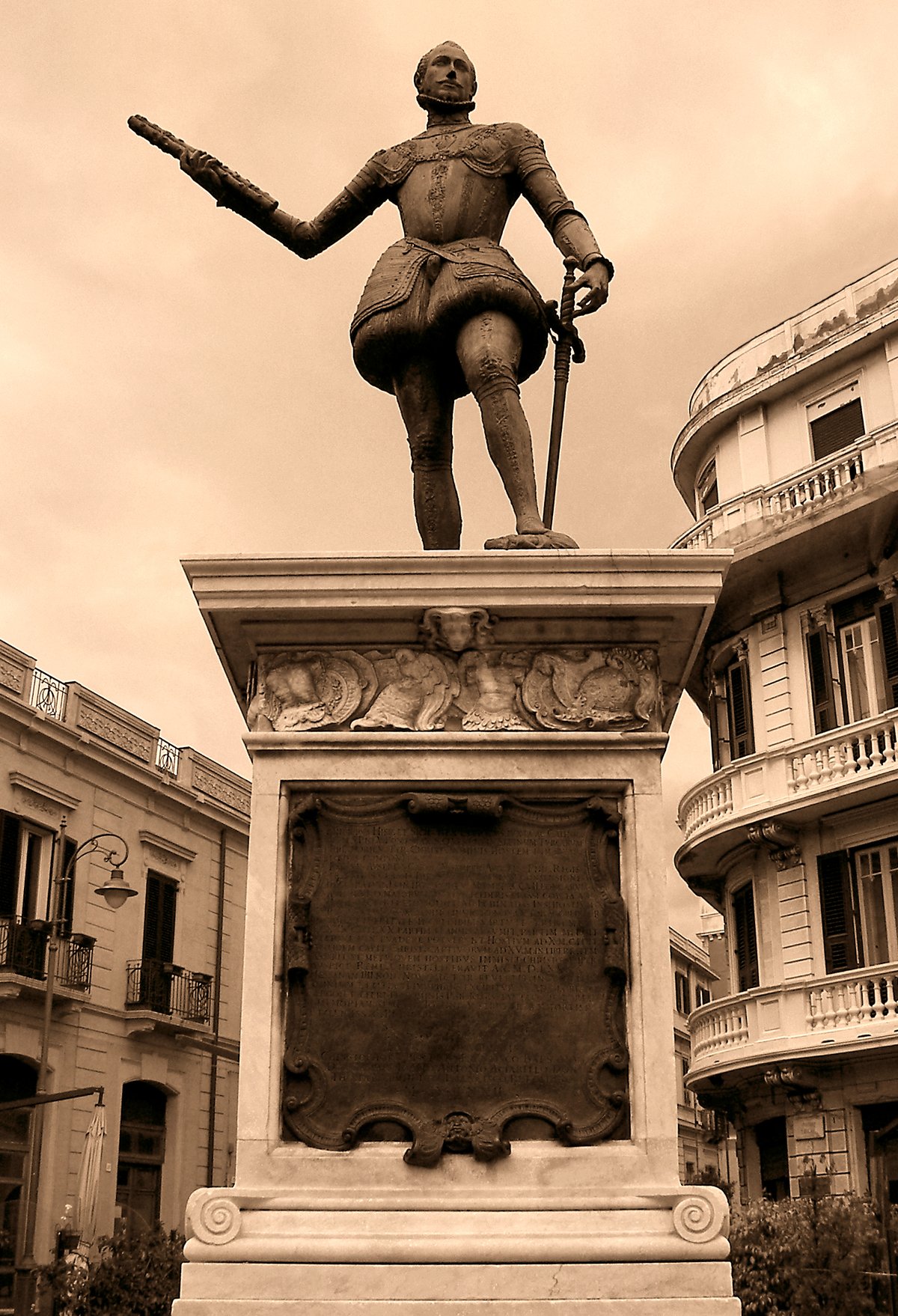 A few steps from the Duomo, in Piazza Catalani, you'll find the monument dedicated to Don John of Austria. A bronze statue crafted by Andrea Calamech in 1572, just one year after the Battle of Lepanto. Don John, the illegitimate son of Charles V, was only 24 when he commanded the Holy League fleet and defeated the Turks. He is depicted in Spanish armor, holding a three-banded baton of command, with his left foot treading on the head of Ali Pasha. The bas-reliefs on the pedestal recount the departure from Messina, the battle, and the triumphant return. The statue is nicknamed 'the guitarist' because of the shadow it casts on the building behind. If you come in August, don't miss the historical re-enactment of the landing: every year, on the first Saturday of the month, the training ship Palinuro and thirty boats recreate Don John's arrival. A procession of over 150 figures in 16th-century costumes parades to Piazza Municipio. The event is organized by the Aurora Association and involves groups from Italy, Spain, and Greece. It's a dive into the past that does justice to a hero whose fate was cut short: Don John died at 33, perhaps poisoned by his half-brother Philip II. But in Messina, between the sea and those ancient stones, his memory is more alive than ever.
Fontana Falconieri: A Neoclassical Gem Between History and Art
- Piazza Basicò, Messina (ME)
- Open in Google Maps
- View on Google Images
 If you stroll through Messina, stop in Piazza Basicò: here you'll find the Fontana Falconieri, a dreamlike work. Designed by architect Carlo Falconieri in 1842 to celebrate the eighteenth centenary of the arrival of the Madonna's letter, it is a perfect mix of marble and cast iron. Four marine creatures in iron (cast by the Oretea Foundry in Palermo in 1846) surround the basin: they have heads of a man, lion, dolphin, and griffin, each more bizarre than the last. At the center, a stele decorated with bas-reliefs of fantastic animals and foliage, topped by basins and shells from which water gushes. Originally in Piazza Juvarra, after the 1908 earthquake it was dismantled and stored in the museum, then reassembled here in 1957. It's a quiet corner, away from the chaos, perfect for taking photos and imagining 19th-century Messina. Not to be missed: the details of the Mannerist candelabra and the top shells. A symbol of the city that combines art, history, and a touch of magic.
Gennaro Fountain: A Mannerist Gem Between History and Restoration
- Via Ventiquattro Maggio, Messina (ME)
- Open in Google Maps
- View on Google Images
 Walking along Corso Cavour, almost hidden by tree branches, you'll find the Gennaro Fountain. It dates back to 1602, when the Messina Senate commissioned it to celebrate King Philip III. It is attributed to Rinaldo Bonanno, though it might be even older. At the center is a putto representing Aquarius: seated on a celestial globe decorated with zodiac signs, water once flowed from the amphorae he holds. At the base, four water-spouting masks complete the scene.
 The name 'Gennaro' comes from Janus, the Roman god to whom a nearby gate was dedicated. After the 1908 earthquake, the fountain was dismantled and safely stored at the Regional Museum. Only in 1931 was it relocated slightly away from its original spot, and in 2015 a restoration returned it to the city. A curious detail: in 1701, for a royal acclamation, it dispensed wine instead of water. Today it stands as a silent witness to Messina's history, unique and not to be missed.
Church of Santa Maria della Valle in Messina: the Medieval Badiazza
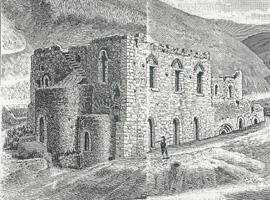 Just outside the center of Messina, hidden among the hills of the Scala Ritiro village, stands the Church of Santa Maria della Valle, known to all as the Badiazza. A name that evokes antiquity and mystery. Its origins date back to the 11th century, when it was founded as a Benedictine monastery, though some scholars link it to the Cistercians. In 1168, King William II elevated it to a Royal Chapel, a sign of the place's importance.
The most fascinating legend is tied to the icon of the Madonna della Scala: a ship could not set sail until a painting of the Virgin was unloaded. Placed on a cart pulled by oxen, the animals stopped right here, giving the sanctuary its name. Today that painting is lost, but the charm of the story remains.
Architecturally, the Badiazza is a mix of styles: Norman, Gothic, Arabic. The floor plan has three naves with ribbed cross vaults in limestone and black lava, creating a striking bichromatic contrast. The semicircular apses were once decorated with Byzantine mosaics, of which only a fragment of the head of Saint Peter remains, preserved in the Regional Museum. The exterior has a fortress-church appearance, with battlements and windows on two levels. Unfortunately, the Arab-style dome collapsed in the 19th century, but its memory lives on.
Visiting the Badiazza is a dive into the past. The atmosphere is silent, almost mystical. The site has recently been restored and entrusted to a local association that opens it periodically. Practical tips? Check the hours, as it is not always accessible. It usually opens on Fridays, Saturdays, and Sundays, but it's best to call +39 348 8831172. Admission is free.
If you're in the area, don't miss this gem. It's a place that tells stories of queens, nuns, and miracles, far from the city's chaos.
Castellaccio: Messina's Ancient Fortress
- Salita Castellaccio, Messina (ME)
- Open in Google Maps
- View on Google Images
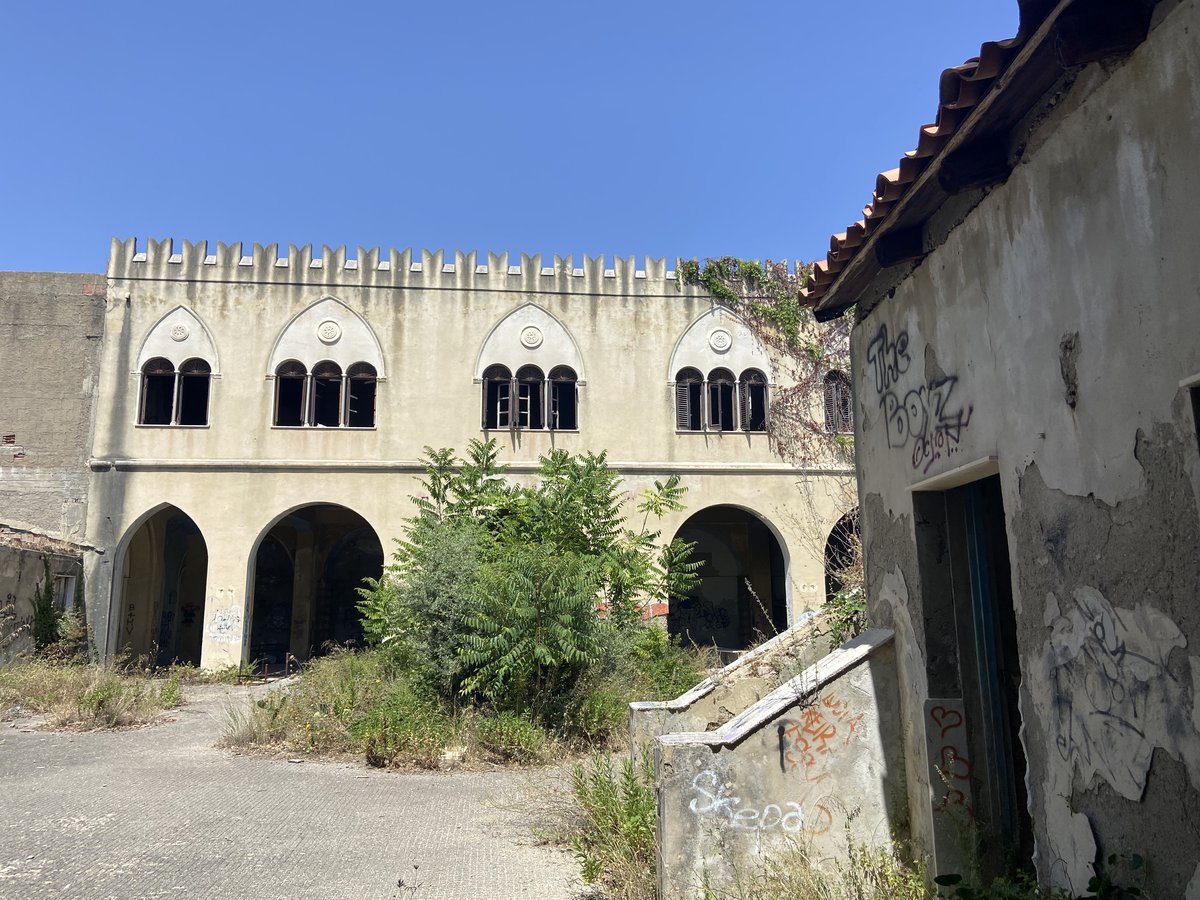 If you climb the hills of Messina, in the Gravitelli district, you'll come across a place steeped in legend: the Castellaccio. Perched 150 meters above the sea, it dominates the Strait with a silence that speaks of centuries. Its origins? Ancient, possibly pre-Hellenic, but the structure you see today is the work of architect Antonio Ferramolino in the 16th century: a square plan with four bastions, built in tuff and limestone.
The fortress has seen battles: in 1674 the people of Messina stormed it during the anti-Spanish revolt, in 1848 it was recaptured against the Bourbons. Then the 1908 earthquake and war damaged it. After WWII, Father Nino Trovato turned it into the Città del Ragazzo (City of the Boy), providing shelter for orphans and street children. Today, unfortunately, it lies abandoned, with ruins and ghost legends (the BBC even filmed a documentary there!).
But there's good news: with over 55 million euros from the PNRR, a restoration is coming that will transform it into a cultural and social hub. Imagine museums, exhibitions, events. It will be the 'Castellaccio' finally given back to the city. A place to see now, to breathe in history, and to see again in a few years, reborn.
Column of the Immaculate Conception: History, Art, and Devotion
- Via Loggia dei Mercanti, Messina (ME)
- Open in Google Maps
- View on Google Images
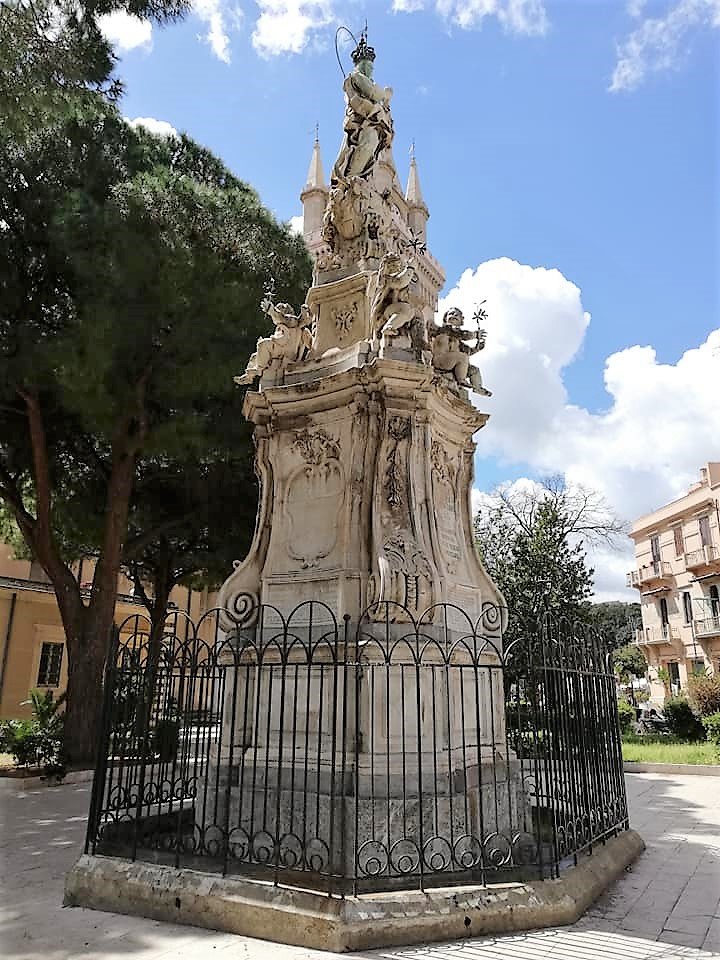 Strolling behind the Duomo of Messina, you come across a structure that immediately catches your eye: the Column of the Immaculate Conception. Standing about 14 meters tall, this white marble spire is a votive offering from the city. Created in 1757 by Messinese sculptor Giuseppe Buceti, it was erected to thank the Virgin after some people fell from the Vara chariot and miraculously remained unharmed. The monument has a troubled history: originally in Piazza della Concezione, it was moved after the 1908 earthquake to its current position, behind the bell tower. It also survived the bombings of World War II, when on the night of June 13, 1943, the cathedral was hit but the column was spared. Every year, on December 8, during the Feast of the Immaculate Conception, firefighters place a flower crown on the statue's head. The base is square with scrolls, winged putti, and a globe with zodiac signs. The statue of the Immaculate Conception, in Baroque marble, crushes a serpent with her left foot. In short, a place that blends art, faith, and history, all in a few square meters. If you pass through Messina, stop for a moment to observe the details: the putti, the dragon, the crown. It's truly worth it.
Statue of the Madonna della Lettera: The Symbol of the Port
- Via Vittorio Emanuele II, Messina (ME)
- Open in Google Maps
- View on Google Images
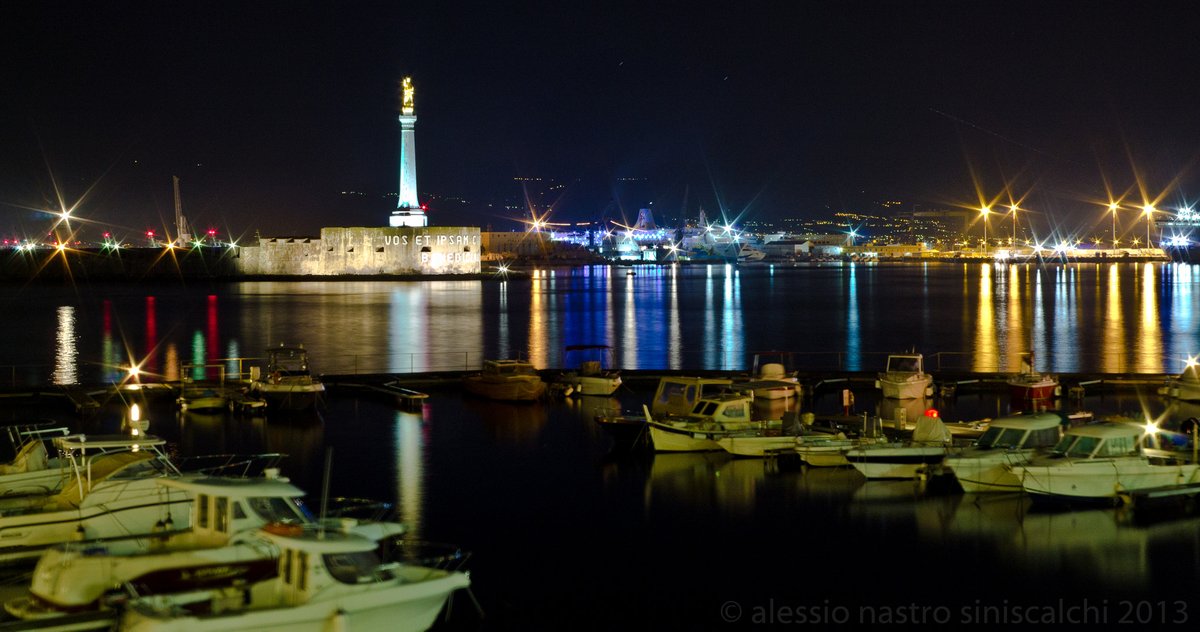 If you arrive in Messina by sea, the first thing you see is her: the Madonna della Lettera, a 7-meter gilded bronze statue atop a 35-meter stele at the port's entrance. Created by Tore Calabrò, the statue was commissioned by Archbishop Angelo Paino after the 1908 earthquake as a symbol of rebirth. It was inaugurated on August 12, 1934, with an extraordinary event: Pope Pius XI, from Castel Gandolfo, lit the stele's lights using a radio system designed by Guglielmo Marconi. Engraved on the base is the phrase "Vos et ipsam civitatem benedicimus" (We bless you and your city), from the legendary letter the Virgin is said to have sent to the people of Messina in 42 AD. Today, the statue serves as a landmark for sailors and a symbol of protection. Every June 3rd, during the patron saint festival, a silver simulacrum of the Madonna (made by Lio Gangeri) is carried in procession from the Cathedral to the port, amid white-clad faithful and fireworks. The port statue, however, remains there, arm raised in blessing, visible day and night thanks to lighting that makes it even more striking. A tip: at sunset, the golden reflection on the Strait is pure poetry.
Capo Rasocolmo Lighthouse: History and Breathtaking Views
- Strada statale Settentrionale Sicula, Messina (ME)
- Open in Google Maps
- View on Google Images
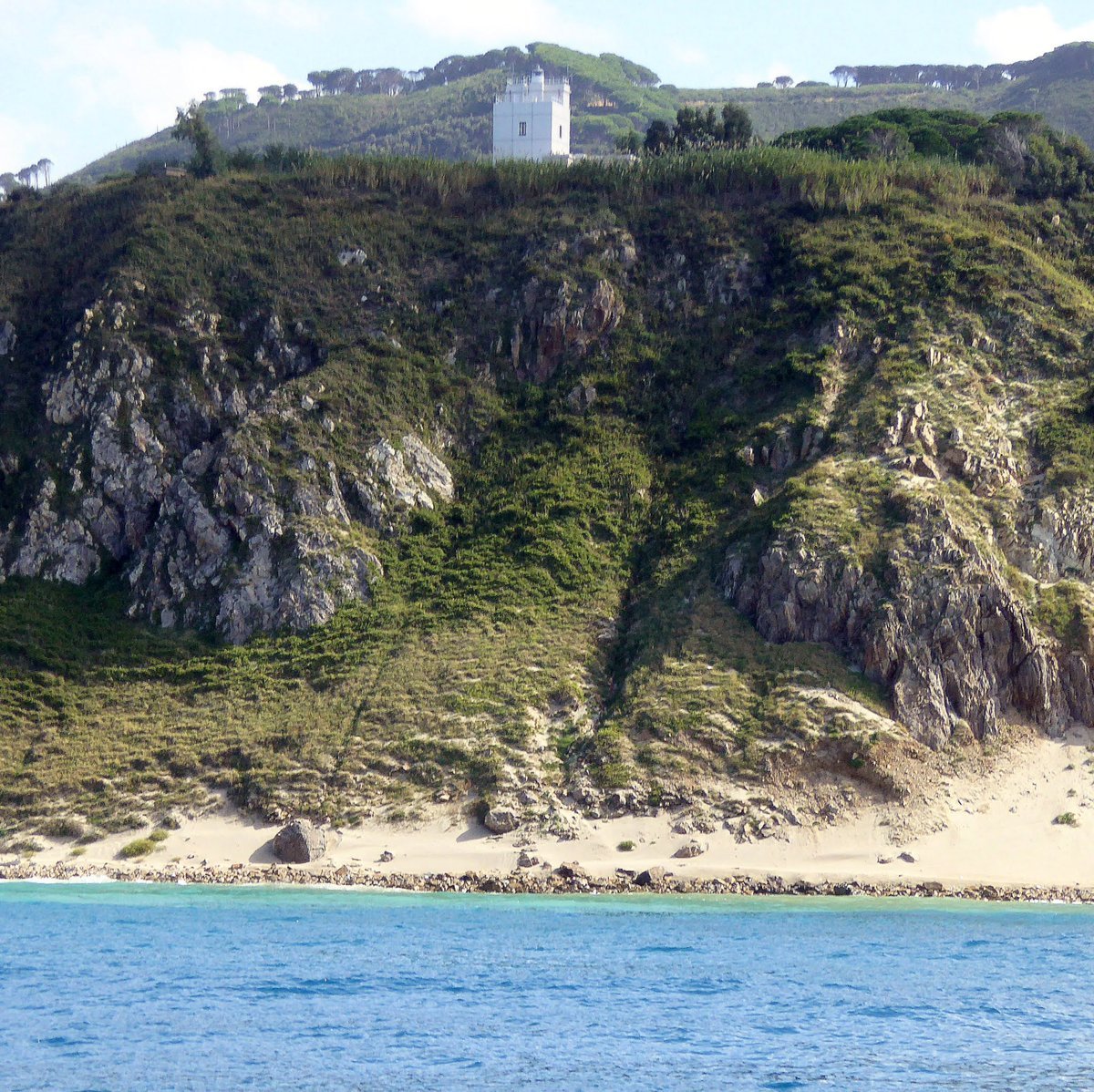 If you're looking for a place off the beaten tourist track, the Capo Rasocolmo Lighthouse is the perfect destination. Located about 12 miles from Messina, at the northeastern tip of Sicily, it offers panoramic views stretching from the Aeolian Islands to Cape Milazzo. I arrived at dawn, and I assure you, the spectacle is unforgettable. The lighthouse stands on an ancient watchtower, already in existence in 1405 when it was restored by order of Martin I. Today, beneath the modern plaster, the ancient stone masonry of the medieval tower is hidden. In 1932, the Italian Navy converted it into an active lighthouse: white light visible up to 15 nautical miles, with three flashes every 10 seconds. The structure is 13 meters high, but the focal plane is 85 meters above sea level, offering a commanding view of the entire gulf. The surrounding area is unique: the so-called Sand Mountains, fine sandy dunes shaped by marine and wind erosion. Climbing them leads to a crescent-shaped beach with crystal-clear water. Note: the lighthouse is in a military area, so you can park on the SS113 and continue on foot along a dirt road. Nearby is Tenuta Rasocolmo, a resort that produces Doc Faro wine and offers tastings – but the true magic is at sunset, when the sun paints the Aeolian Islands red. According to some historians, the Battle of Naulochus was fought here in 36 BC between Agrippa and Sextus Pompey; a Roman ship ram is displayed at the Messina town hall. In short, a place that combines history, nature, and postcard-perfect views.
Monument to the Fallen: History and Symbols in Piazza Municipio
- Via Consolato del Mare, Messina (ME)
- Open in Google Maps
- View on Google Images
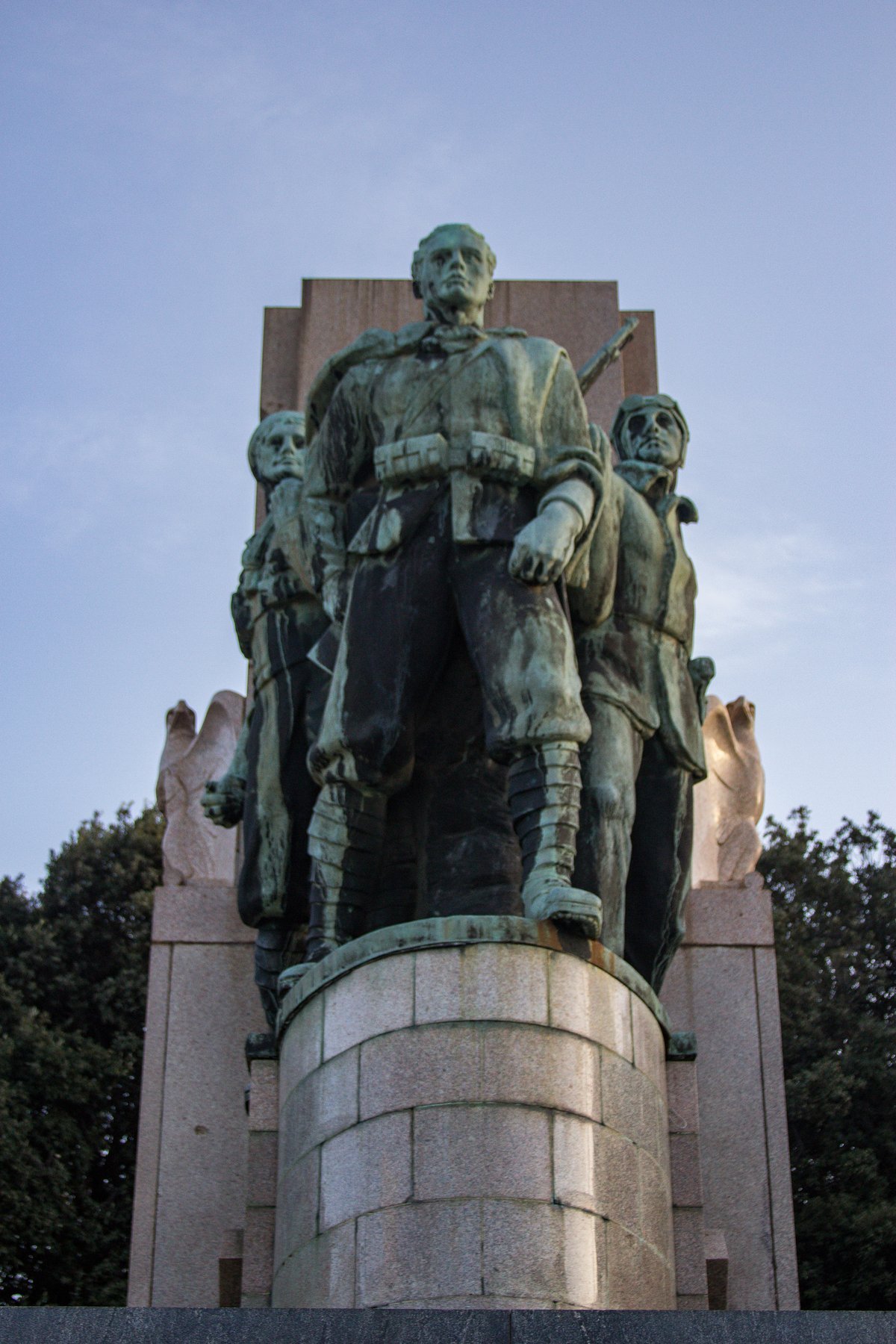 In the center of Messina, a stone's throw from the Duomo and the astronomical clock, stands the Monument to the Fallen, a work that blends art, history, and memory. Created by Giovanni Nicolini in 1936 during the Fascist era, it is dedicated to the fallen of World War I. Three bronze statues – a bareheaded infantryman, an airman, and a sailor – dominate a high red marble podium, their heroic poses capturing the eye. On the sides, two bas-reliefs depict war scenes: on one side, horsemen and infantry led by a winged Victory; on the other, a procession with the Roman salute, typical of the period. The altar-podium structure was designed for public speeches, with a front balustrade and a rear staircase. During World War II, the monument was damaged by bombings, and in 1950 a plaque was added to also remember the victims of that conflict. Today, surrounded by the square's greenery, it has shed its ideological connotations and is simply a place for reflection. During ceremonies on November 4 and April 25, flowers and wreaths are laid at its base. Admission is free and the monument is accessible 24/7, but I recommend visiting during the day to appreciate the details of the statues and reliefs. If you're in the area, pair it with the Sacrario di Cristo Re right next door, where you can see the monumental bell cast from enemy cannons. A piece of history worth a stop, perhaps at sunset, when the light caresses the bronze and the square comes alive.
Birthplace of Giuseppe Seguenza
- Via San Paolo dei Disciplinanti, Messina (ME)
- Open in Google Maps
- View on Google Images
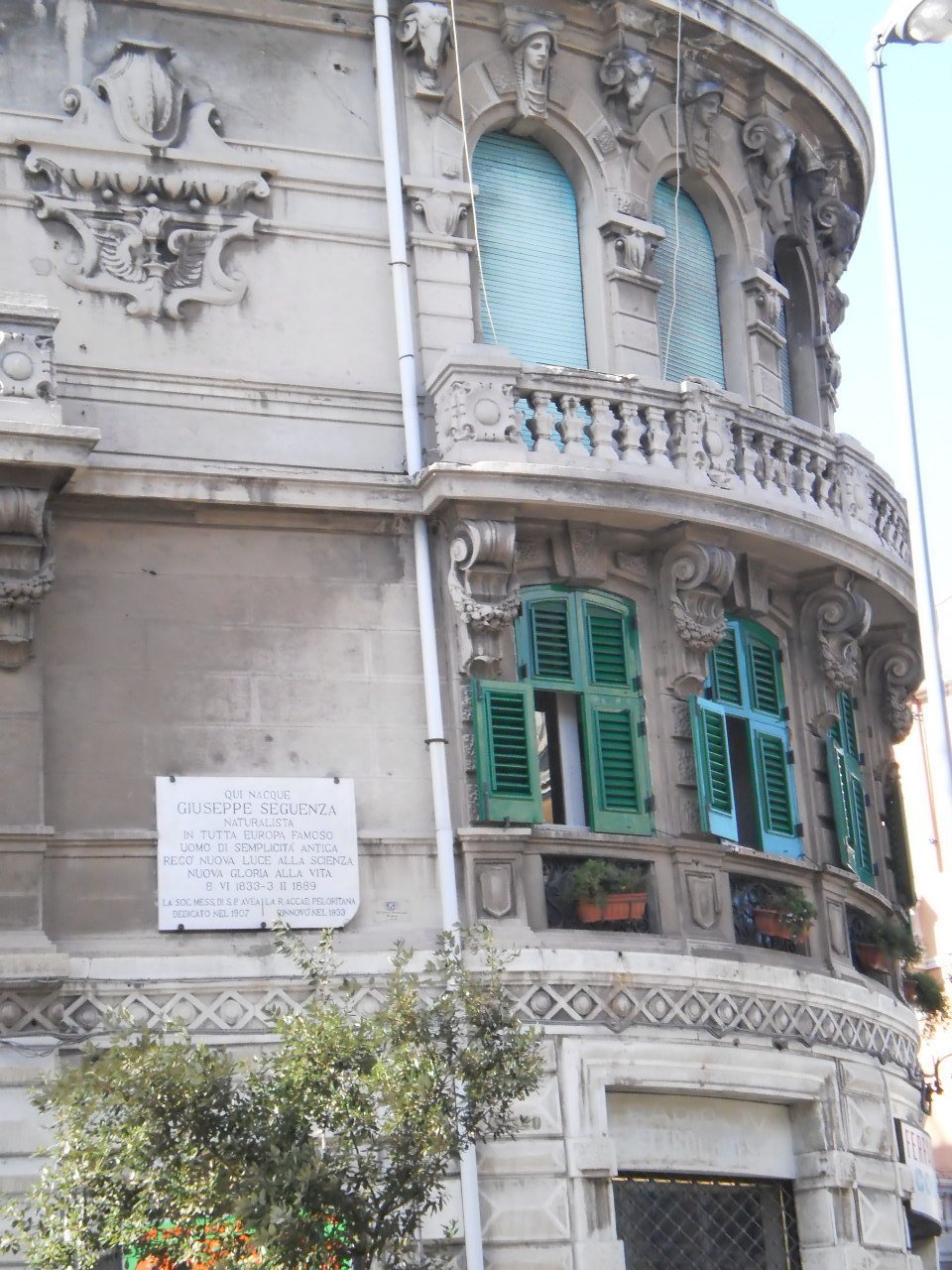 In Messina, right at the intersection of Viale Boccetta and Corso Cavour, in a square named after him, stands a house that tells a fascinating story. It is the Birthplace of Giuseppe Seguenza, the Messinese naturalist and geologist who left an indelible mark on science. A marble plaque marks the building: here, on June 8, 1833, Seguenza was born. Today the building is a place of memory, not far from the historic Farmacia Seguenza, still open.
Why is it worth a visit? Seguenza was no mere scholar: at age 23 he discovered that the emissions from Vulcano contain arsenic compounds, and his work earned him the silver medal at the Paris Exposition. But his most famous contribution is geological: he identified and named the Zanclean period (based on the rocks of Gravitelli) and his studies helped define the Messinian. Professor of Natural History at the Liceo Maurolico, then at the Technical Institute, and finally at the University of Messina, he also received the prestigious Wollaston Medal in 1876.
Walking in front of the house, you can feel the pride of a city that gave birth to a giant of paleontology. If you are passionate about science or simply want to discover an authentic corner of Messina, stop for a moment: the plaque tells it all, and with a little imagination you can picture Seguenza exploring fossils in the Messina area and Calabria. His son Luigi continued his work, and today the name Seguenza lives on in a scientific high school and a museum in Nizza di Sicilia.
A traveler's tip: don't look for a structured museum—the house is a private residence—but the exterior is a must-see monument, especially for those who love stories of visionary scientists.