
Piazza Navona is the Baroque heart of Rome, an open-air living room where art and daily life merge. Its elliptical shape follows that of the ancient Stadium of Domitian, and its three monumental fountains – Bernini’s Fountain of the Four Rivers, the Moor Fountain, and the Neptune Fountain – make it a unique masterpiece. Here’s what not to miss: Admire the Fountain of the Four Rivers with its statues of continents and obelisk, visit Borromini’s Church of Sant’Agnese in Agone, take a break at historic cafes among street artists, and discover the Befana Christmas market (from December 24 to January 6).
Events nearby


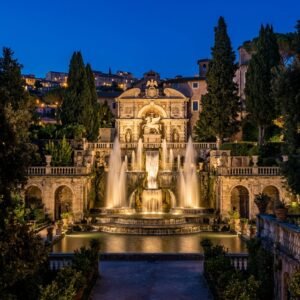

Strolling among Bernini’s fountains and the Church of Sant’Agnese, Piazza Navona tells centuries of history and Roman life. An open-air museum of art, traditions, and unmissable events like the Christmas market.
Good to know
Introduction: The Beloved Baroque Square
Historical Background
- 86 AD: Construction of the Stadium.
- 1477: Market moved to Piazza Navona.
- 1648-1651: Fountain of the Four Rivers.
- 1652: Sant’Agnese in Agone.
- 1869: Market moved from Piazza Navona.
Today it is a vibrant cultural center.
The Three Fountains: Art and Symbolism
Architecture and Atmosphere: Among Churches and Palaces
Why Visit It
When to Go
Nearby
Itineraries nearby

💡 Did You Know…?
Legend has it that the statue of the Nile, with its veiled head, wanted to avoid seeing Borromini’s church, while the Rio de la Plata raises its hand for fear it might collapse. Too bad the fountain was finished before the church! Another tradition: walking counterclockwise around the fountain brings bad luck in love. Only in Rome.