Arcumeggia: A Museum Village with Frescoes by Sassu, Funi, and Usellini in Valcuvia

Arcumeggia, a hamlet of Casalzuigno in Valcuvia, is a medieval village transformed into a widespread museum with frescoes created between 1956 and 1970. The ‘Painters on Holiday’ project involved nationally renowned artists who decorated house façades, creating a unique artistic trail immersed in the pre-Alpine landscape.

  • Over twenty frescoes by artists such as Aligi Sassu, Achille Funi, and Gianfilippo Usellini
  • Works depicting scenes of rural life, local legends, and sacred representations
  • Panoramic views over Valcuvia and opportunities for excursions in the surrounding nature
  • Free access without entrance tickets, perfect for an unconventional cultural visit


Events nearby

Copertina itinerario Arcumeggia: A Museum Village with Frescoes by Sassu, Funi, and Usellini in Valcuvia
Arcumeggia, a hamlet of Casalzuigno in the province of Varese, is an open-air museum with over twenty frescoes by Italian 20th-century artists. Discover works by Aligi Sassu, Achille Funi, and Gianfilippo Usellini among cobblestone alleys and views over Valcuvia.

Good to know


An Open-Air Museum

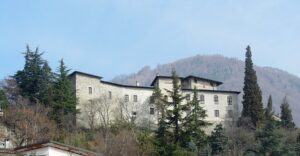
As soon as you arrive in Arcumeggia, a hamlet of Casalzuigno in Valcuvia, you immediately understand you’re in a special place. This medieval village perched on the slopes of Monte Nudo became a true open-air museum in the 1950s thanks to a unique project: transforming house facades into canvases for contemporary artists. Walking through the cobblestone alleys, you find yourself surrounded by over twenty frescoes that tell stories of rural life, local legends, and biblical scenes. The effect is magical: stone houses that become galleries, walls that speak through color. It’s not just art to look at, but an experience that completely envelops you as you explore the quiet village, where time seems to have stood still.

The Story of an Artistic Rebirth

Arcumeggia was at risk of becoming a ghost town after being abandoned in the 1930s, but in 1956 everything changed. The then-mayor of Casalzuigno, together with the Provincial Tourism Board, had the brilliant idea of inviting nationally renowned artists to decorate the village houses. The “Painters on Vacation” project attracted masters like Achille Funi, Aligi Sassu, and Gianfilippo Usellini, who between 1956 and 1970 transformed the village into what we know today. The frescoes were not mere decorations but works that engaged in dialogue with the local architecture, creating a perfect union between art and territory.

  • 1956: First frescoes with the “Painters on Vacation” project
  • 1957-1965: Golden period with the creation of the most significant works
  • 1970: Final interventions that complete the artistic journey
  • Today: Village recognized as a widespread museum in the province of Varese

Masterpieces not to be missed

As you wander through the village, some frescoes deserve a longer pause. The one by Aligi Sassu on the roadside house depicts “The Horse Race” with vibrant colors that seem to move under the sun. A little further on, Gianfilippo Usellini‘s work “The Grape Harvest” perfectly captures the rhythms of rural life with warm tones and characters that feel real. But the true gem is Achille Funi‘s fresco in the main square: “The Return of the Brave” which dominates the scene with its majesty. Each work has its own story and character, and by observing them closely you notice the details that make them unique: the brushstrokes, the colors that change with the light, the subjects that tell pieces of local history.

Walking Between Art and Nature

The beauty of Arcumeggia lies not only in its frescoes, but in how art seamlessly blends with the landscape. The village is reached via a scenic road that already prepares you for the special atmosphere you’ll find. Once you arrive, the path naturally winds between the houses, with no need for specific directions. You can stop to read the plaques explaining each artwork, or simply let your intuition guide you. The elevated position offers breathtaking views over Valcuvia, and on clear days you can even glimpse Lake Maggiore. It’s an experience that spontaneously combines culture and nature, perfect for those seeking something authentic away from the more beaten tourist trails.

Why It’s Worth Visiting

Visiting Arcumeggia means discovering a unique example of a diffused museum where art is integrated into daily life. It’s perfect for those seeking a cultural experience outside the box, with no entrance tickets or fixed schedules to follow. The quiet alleys and absence of tourist shops preserve the authenticity of the place, offering an atmosphere suspended in time. Moreover, the concentration of works by important artists in such a small space makes it an open-air gallery of rare completeness, where every corner holds a surprise.

The Right Moment

The best time to visit Arcumeggia is when the light is most favorable for admiring the frescoes. The late afternoon hours are magical: the slanting rays of the sun enhance the colors and create shadow plays that give depth to the artworks. Late spring or early autumn days also offer a golden light that perfectly complements the warm tones of the frescoes. Avoid the midday hours of summer days, when the overly strong sun can flatten the details of the paintings.

Complete the Experience

After Arcumeggia, it’s worth visiting Villa Della Porta Bozzolo in Casalzuigno, a splendid historic FAI residence with Italian-style gardens that transport you to another era. If you love characteristic villages, head to Castello Cabiaglio, another gem of Valcuvia that preserves its medieval structure intact. Both locations integrate perfectly with the artistic experience of Arcumeggia, offering a comprehensive picture of the cultural heritage of this area in the province of Varese.

Itineraries nearby


💡 Did You Know…?

Legend has it that the name Arcumeggia derives from ‘Arco di Mezzo’ (Middle Arch), referring to an ancient arch that divided the village into two parts. During the restoration works in the 1950s, the artists stayed in the homes of the inhabitants, creating a special bond with the community. It is said that Aligi Sassu, while painting ‘The Procession’, included the faces of some villagers who curiously watched him from below in the mural.