
🧭 What to Expect
- Ideal for combining culture, history, and relaxation in an urban setting overlooking the lake.
- Perfectly preserved historic center with medieval walls, Gothic-Renaissance Cathedral, and Broletto.
- Breathtaking views from Baradello Castle and strolls along the lakeside promenade.
- Art and science with Villa Olmo, Tempio Voltiano, and Pinacoteca Civica.
- Local tradition at the Silk Museum and archaeology at the Paolo Giovio Museum.
- Parks like Villa del Grumello and Villa Olmo for moments of peace and nature.
Events nearby

The City of Como welcomes you with its perfectly preserved historic center mirrored in the lake's waters. Walking along the medieval walls and discovering the Gothic-Renaissance Duomo is a unique experience. Don't miss the panoramic view from Baradello Castle and the elegant architecture of Villa Olmo. The lakeside promenade offers breathtaking glimpses, while the Voltian Temple celebrates the genius of Alessandro Volta. Here every alleyway tells centuries of history through art, silk, and landscapes that remain in your heart.
Overview
Itineraries nearby
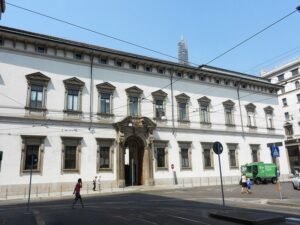
Como Cathedral
- Go to the page: Como Cathedral: Marble Facade with Statues of the Plinys and Juvarra's Dome
- Via Cinque Giornate, Como (CO)
- https://www.cattedraledicomo.it/
- Open in Google Maps
- View on Google Images
- +39 031 3312275
 The Como Cathedral dominates Piazza del Duomo with its facade of white Musso marble, a masterpiece blending Gothic and Renaissance styles. Begun in 1396 and completed only in 1770, the cathedral is dedicated to Santa Maria Assunta and impresses with its harmonious proportions. Upon entering, your gaze wanders among the cross-vaulted ceilings and majestic naves, illuminated by colorful stained-glass windows. Don't miss the statues of Pliny the Elder and Pliny the Younger, renowned naturalists from Como, positioned on the external facade. Inside, admire the 16th-century Flemish tapestries, the intricately carved wooden choir, and the altarpiece by Bernardino Luini, 'Adoration of the Magi'. The dome, added by Filippo Juvarra in the 18th century, creates a unique play of light. Perfect for a quick visit, the Cathedral can be explored in half an hour, but it's worth lingering over the details: look for the stone carvings on the portals and the sculptures that narrate centuries of local history. Just steps away, the Broletto and the Torre del Comune complete the medieval heart of the city. Tip: visit in the morning to enjoy the light streaming through the stained glass, and check the schedule for services or organ concerts.
Como Cathedral
Villa Olmo
 Villa Olmo is one of Como's most elegant landmarks, an architectural masterpiece that dominates the lakeside with its imposing neoclassical facade. Built in the late 18th century for the Odescalchi family, the villa takes its name from a majestic centuries-old elm tree that once towered in the park. Today it is owned by the Municipality of Como and hosts high-level temporary exhibitions, cultural events, and public gatherings. Park admission is free and accessible year-round, while interior access is available during exhibitions. The interiors preserve frescoes, stuccoes, and period furnishings that recount centuries of Como's history. The park, spanning several hectares, is a green oasis perfect for a relaxing stroll, with tree-lined paths, manicured flowerbeds, and benches overlooking the lake. The location is strategic: just a few minutes' walk from the city center, along the lakeside promenade. I recommend checking the exhibition schedule on the Municipality's website to avoid missing current displays. If you visit Como, Villa Olmo is an unmissable stop, ideal for combining culture, history, and nature in one place.
Villa Olmo
Baradello Castle
- Go to the page: Baradello Castle Como: Barbarossa's Medieval Tower with 360° Lake View
- Strada degli Alpini, Como (CO)
- Open in Google Maps
- View on Google Images
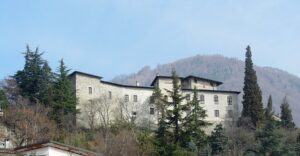
 Perched at 430 meters above sea level, Baradello Castle dominates Como, offering one of the most spectacular views of the lake and the city. This medieval fortress, built in the 12th century at the behest of Frederick Barbarossa, represents one of the most important historical symbols of the Como area. The main tower, standing 27 meters tall, is all that remains of the ancient fortified complex that once controlled access to the city and its trade routes. The climb to the castle, along a woodland path taking about 15-20 minutes, creates a magical atmosphere in itself, with increasingly expansive glimpses of the landscape as you ascend. Once at the top, the 360-degree panorama rewards every effort: your gaze embraces the entire first basin of Lake Como, the Prealps, and the city below with its Cathedral. The castle is open to visitors during specific periods of the year, often in conjunction with events and guided tours that recount its long history, from its imperial origins to its role during the wars between Milan and Como. Bring your camera because the sunsets from here are unforgettable, especially when the evening lights begin to mirror in the lake's waters.
Baradello Castle
Basilica of Sant'Abbondio
- Via Sant'Abbondio, Como (CO)
- Open in Google Maps
- View on Google Images
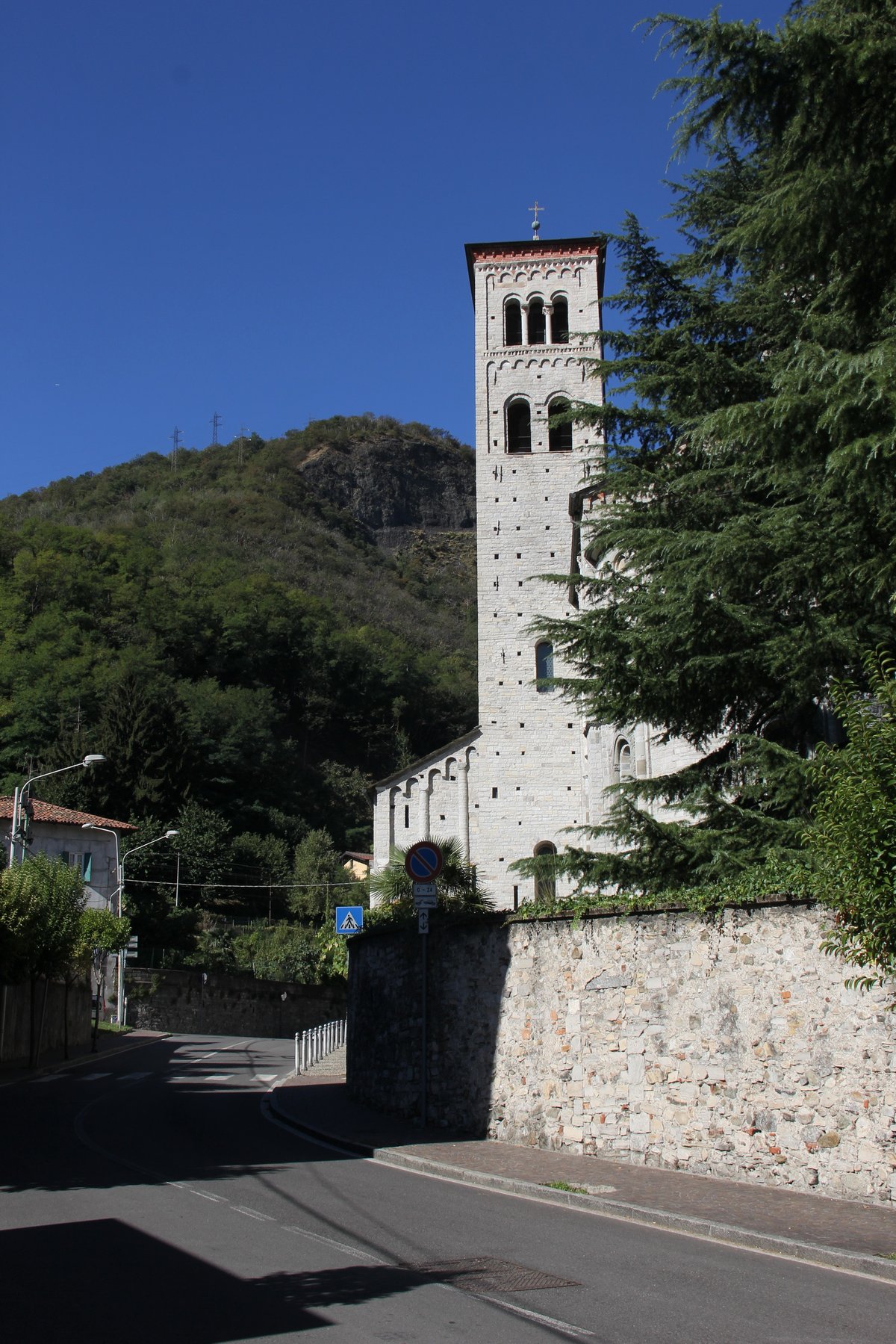 The Basilica of Sant'Abbondio is located just outside the medieval walls of Como, along the ancient Via Regina that connected the lake to the Alps. This masterpiece of Lombard Romanesque architecture dates back to the 11th century and was built on the remains of an earlier 5th-century Paleo-Christian basilica dedicated to Saints Peter and Paul. The simple and austere facade hides an interior that impresses with its majestic simplicity: five naves marked by cruciform pillars create an extraordinary effect of depth. The 14th-century frescoes in the main apse depict stories from the life of Christ and are among the most important examples of Gothic painting in Lombardy. The basilica houses the relics of Sant'Abbondio, the fourth bishop of Como who participated in the Council of Constantinople in 381. The adjacent cloister, now home to the Faculty of Law, completes the monastic complex. The slightly elevated position offers a breathtaking view of the city and surrounding mountains. The atmosphere here is one of absolute peace, far from the chaos of the city center. I recommend visiting in the morning hours when light filters through the windows creating chiaroscuro effects on the stone walls. The basilica is still an active place of worship today, so check mass times if you wish to attend a service.
Basilica of Sant'Abbondio
Volta Temple
- Viale Guglielmo Marconi, Como (CO)
- https://www.visitcomo.eu/it/scoprire/musei/tempio-voltiano/index.html
- Open in Google Maps
- View on Google Images
- musei.civici@comune.como.it
- +39 031 574705
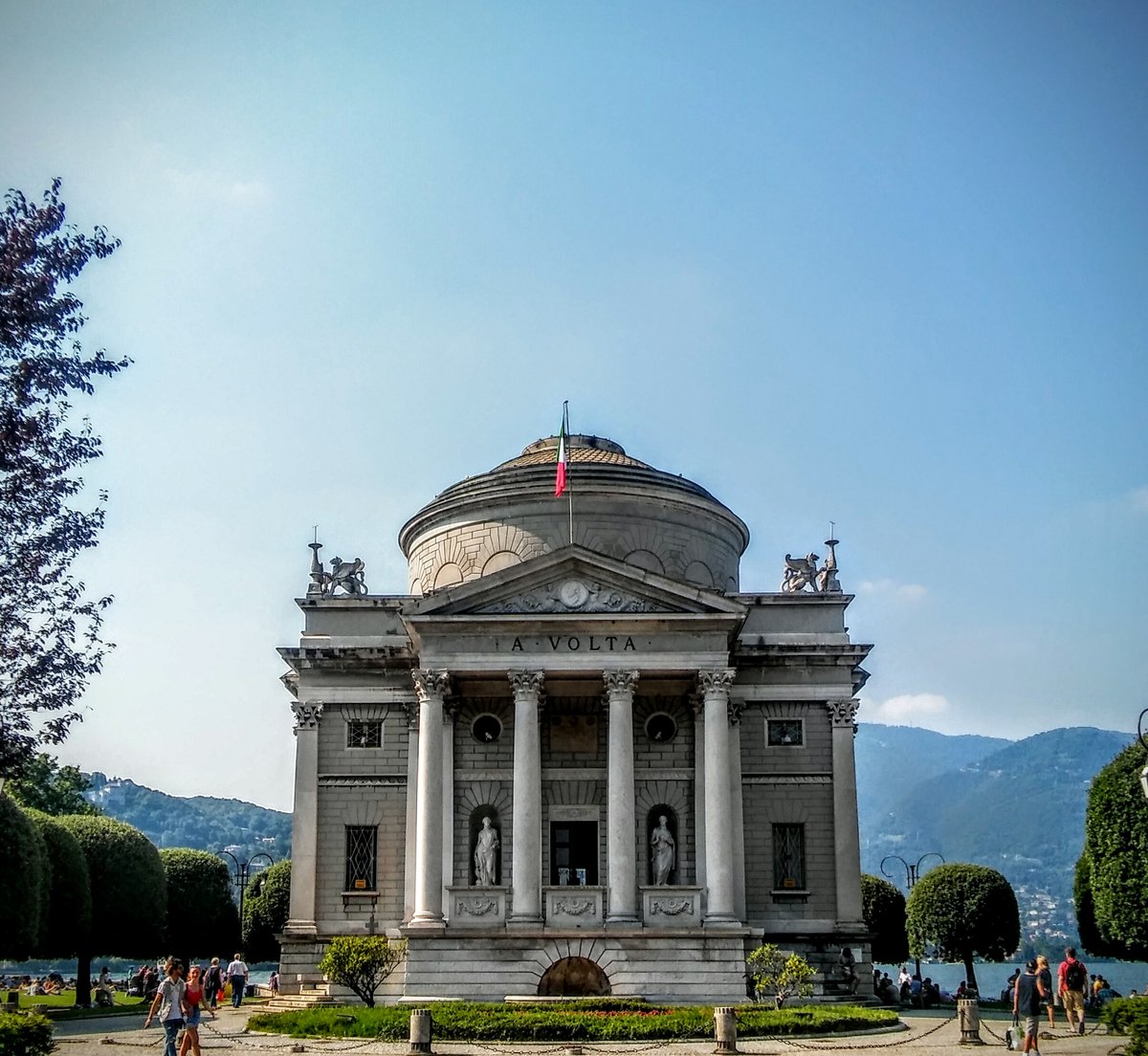 The Volta Temple is one of the most significant landmarks in Como, dedicated to the renowned physicist Alessandro Volta, inventor of the electric battery. Located along the lake shores, this neoclassical building was constructed in 1927 to commemorate the centenary of Volta's death and houses a unique collection of original scientific instruments. Inside, you can admire reconstructions of his experiments, including the first electric battery, along with documents, manuscripts, and personal items that narrate the life and discoveries of the Como-born genius. The structure, designed by architect Federico Frigerio, resembles an ancient temple, with columns and a dome that reflects in the lake waters, creating a solemn and evocative atmosphere. It's a perfect spot for science and history enthusiasts, as well as for those seeking a moment of reflection away from the crowds. The museum is well-organized, with clear explanatory panels that guide visitors through the key milestones of Volta's research. I recommend dedicating at least an hour to the visit to fully appreciate the details and context. The Temple is just a short walk from the city center, easily accessible on foot, and offers an ideal cultural break during a day by the lake.
Volta Temple
Broletto of Como
- Piazza Guido Grimoldi, Como (CO)
- Open in Google Maps
- View on Google Images
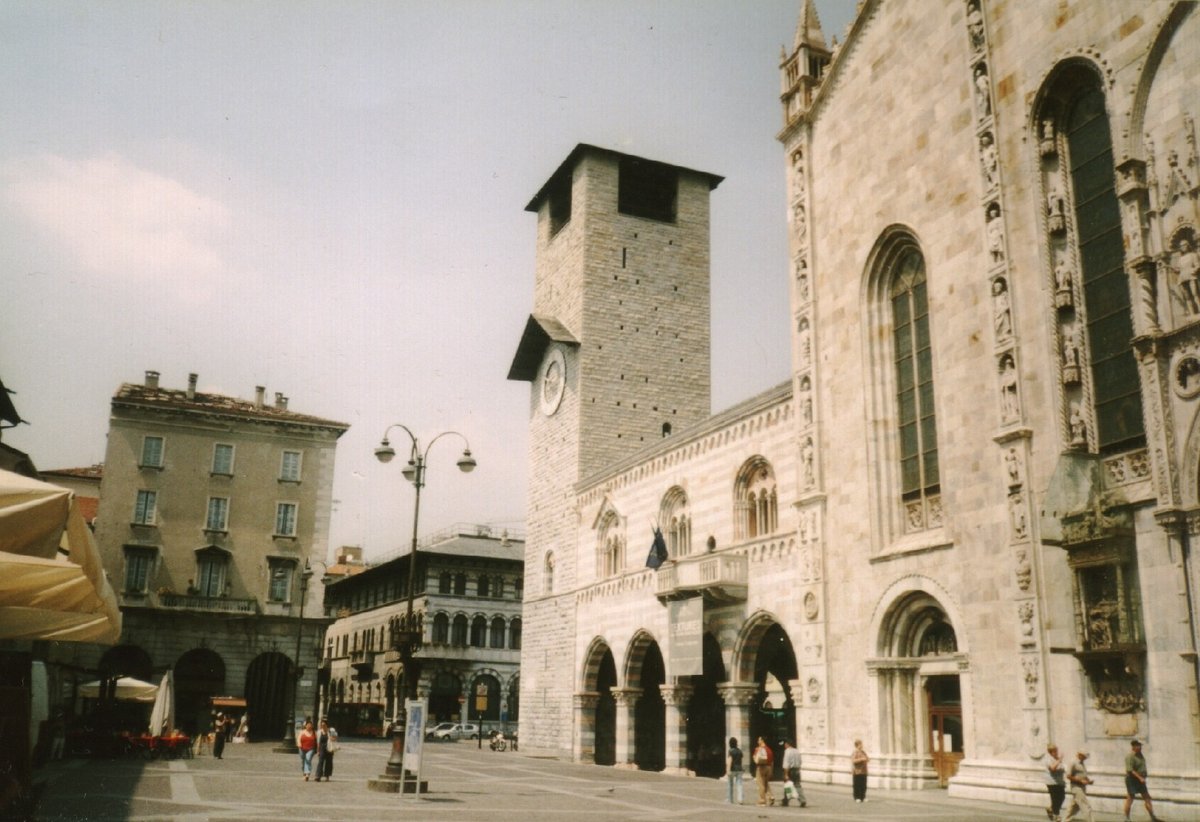 The Broletto of Como is one of the most fascinating landmarks in the historic center, located right next to the Cathedral in Piazza Duomo. This ancient town hall dates back to 1215 and represents a rare example of medieval civil architecture in Lombardy. Its façade with alternating stripes of white Musso marble and grey Moltrasio stone creates a unique chromatic effect that immediately catches the eye. Originally the seat of city government, the Broletto hosted public assemblies and the administrative activities of the Municipality. Today it is a multipurpose space that hosts temporary exhibitions, cultural events, and public gatherings, maintaining its role as a meeting point for the community. Its strategic position, nestled between the Cathedral and the Teatro Sociale, makes it an essential stop on any city center itinerary. You'll notice the passage arch that directly connects the two buildings, an architectural detail that tells centuries of Como's history. The structure, despite modifications over time, retains its medieval charm intact. The ground-floor loggias and first-floor bifora windows are characteristic elements worth careful observation. During your visit, pause to admire how sunlight plays with the chromatic contrasts of the façade, creating shadow games that change throughout the day. The Broletto is always accessible and its visit integrates perfectly with the other monuments in the square.
Broletto
Como Silk Museum
- Via Castelnuovo 9, Como (CO)
- https://www.museosetacomo.com/
- Open in Google Maps
- View on Google Images
- info@museosetacomo.com
- +39 031 303180
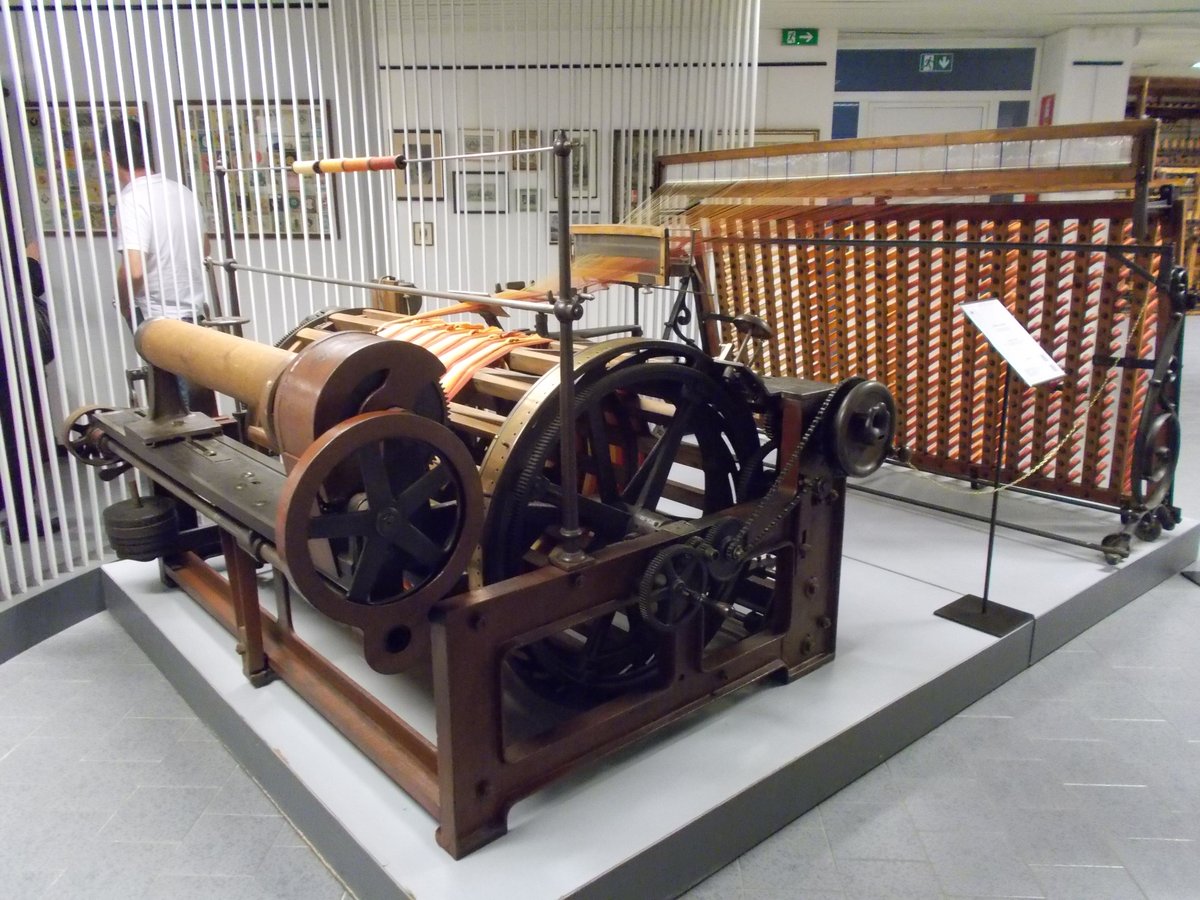 The Como Silk Museum is a hidden gem in the heart of the city, a place that tells the story of one of the most prestigious traditions of the Lake Como area. Located at 9 Via Castelnuovo, this museum documents the entire silk production chain, from silkworm breeding to the weaving of the precious fabrics that made Como famous worldwide. The permanent collection includes perfectly functioning historical looms, vintage fabric samples, and original machinery that showcase the technological evolution of the sector. Particularly interesting are the sections dedicated to printing and dyeing, with examples of artisanal techniques that characterized Como's production. The museum also offers guided tours that allow visitors to fully understand the manufacturing process and the economic importance this industry had for the city. The exhibition is organized clearly and accessibly, with explanatory panels in Italian and English that facilitate understanding for foreign visitors as well. The tour spans two floors and includes a section dedicated to contemporary textiles, demonstrating how the ancient tradition has evolved to the present day. For fashion and design enthusiasts, it's a unique opportunity to discover the secrets of an art that made the history of Made in Italy.
Silk Museum
Como Civic Art Gallery
- Via Armando Diaz 84, Como (CO)
- https://www.visitcomo.eu/it/scoprire/musei/pinacoteca-civica/index.html
- Open in Google Maps
- View on Google Images
- musei.civici@comune.como.it
- +39 031 269869
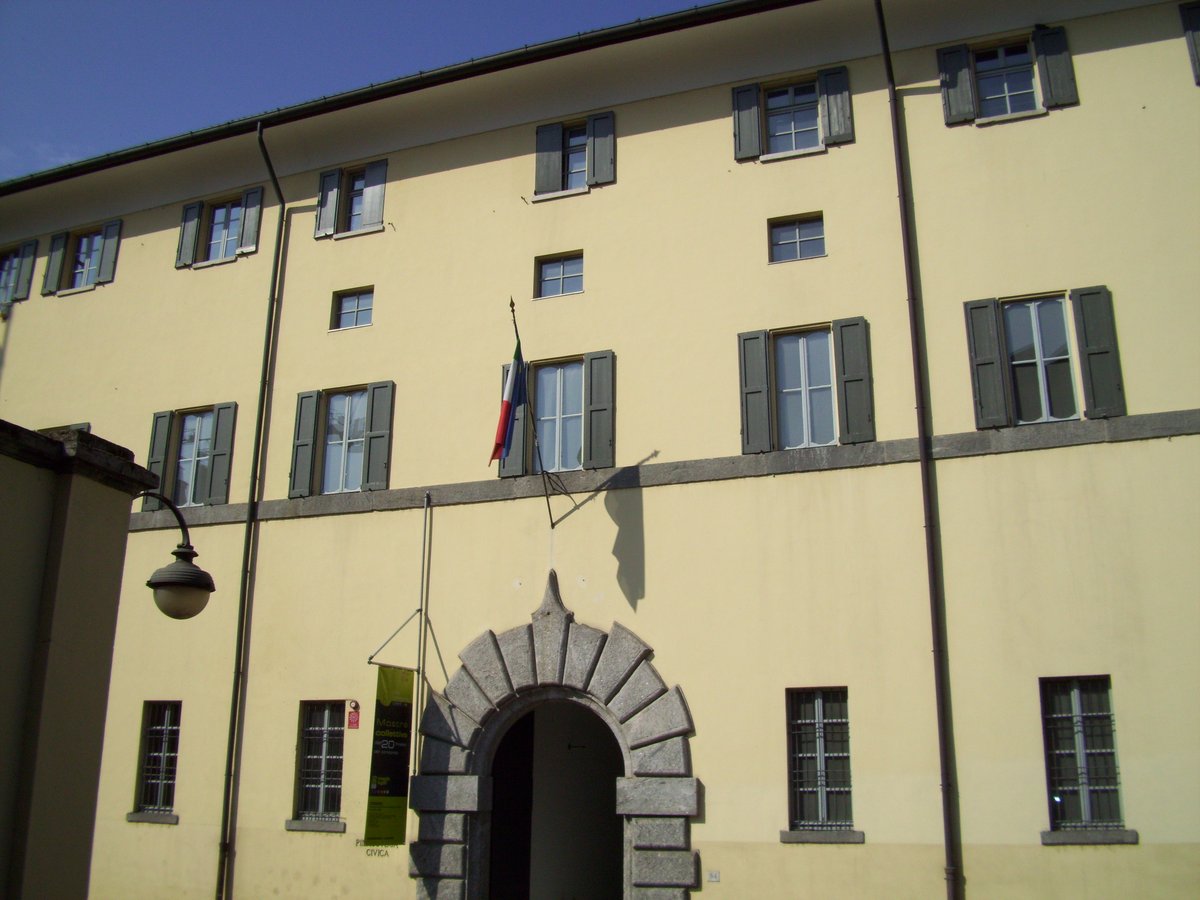 If you love art and history, the Como Civic Art Gallery is an unmissable stop in the historic center of the city. Housed within Palazzo Volpi, a 17th-century building that's worth a visit in its own right, the gallery features a collection spanning from the Middle Ages to the 20th century. Among the most significant works are paintings by Bernardino Luini, a pupil of Leonardo da Vinci, and canvases by Francesco Hayez, a master of Italian Romanticism. The contemporary art section includes works by local artists such as Mario Radice, a key figure in Como's abstract art movement. The collection of Lombard portraits and landscapes will immerse you in the culture and history of the region, with pieces that trace the artistic evolution of the area. The exhibition layout is well-organized and accessible, ideal for a one- to two-hour visit. Don't miss the room dedicated to sacred paintings, which features striking altarpieces and medieval panels that showcase Como's religious devotion and artistry. The gallery is a peaceful spot, away from the crowds of more touristy locations, perfect for those seeking an authentic cultural experience. Remember to check the opening hours on the official website, as they may vary by season.
Civic Art Gallery
Social Theatre
- Via Vincenzo Bellini 3, Como (CO)
- https://teatrosocialecomo.it/
- Open in Google Maps
- View on Google Images
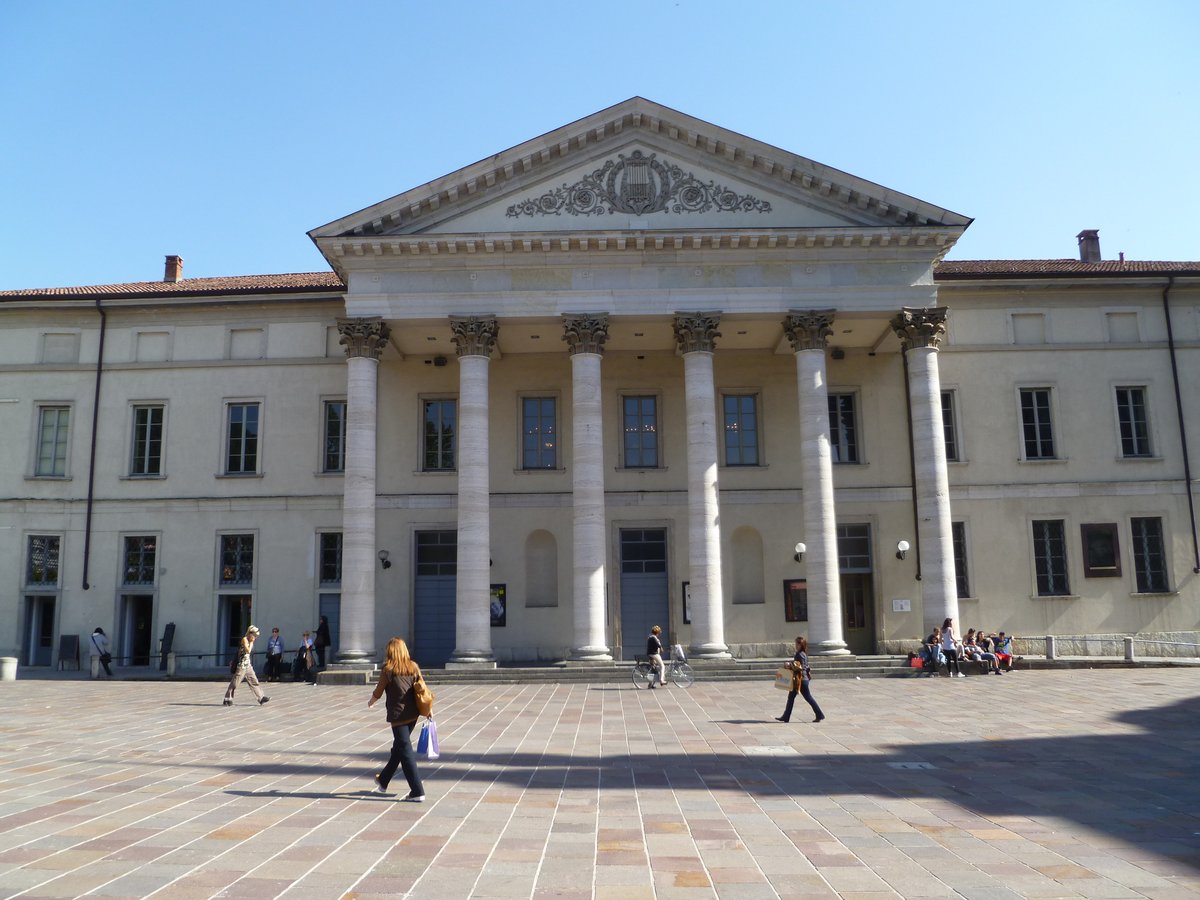 The Social Theatre of Como is one of the most captivating historic theatres in Lombardy, located right in the city centre just steps from the lake. Built between 1811 and 1813 based on a design by Giuseppe Cusi, it represents a perfect example of neoclassical architecture, with an elegant facade that immediately catches the eye. Upon entering, visitors are struck by the horseshoe-shaped hall, typical of Italian-style theatres, with four tiers of boxes decorated with golden stuccoes and red velvets. The acoustics are exceptional, the result of careful design that makes it ideal for opera, concerts, and ballet. Today the theatre is a vibrant cultural hub, with a rich season ranging from opera to drama theatre, from symphony concerts to family events. The programming often includes high-level productions featuring nationally and internationally renowned artists. During guided tours, visitors can discover interesting backstage stories, such as the history of the Boxholders' Society, which still manages the theatre today—a unique case in Italy. For those visiting Como, attending a performance here is an experience that combines culture and atmosphere, immersing you in an era of great elegance. I recommend checking the online calendar and booking in advance, especially for the most popular events. The theatre is easily reachable on foot from the train station and the lakeside promenade, fitting perfectly into a city discovery itinerary.
Social Theatre
Porta Torre
- Via Cesare Cantù, Como (CO)
- Open in Google Maps
- View on Google Images
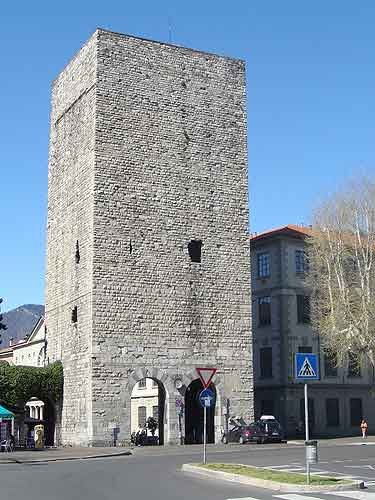 Porta Torre is one of Como's most recognizable symbols - an imposing defensive structure that welcomes you at the city's northern entrance. Built in 1192 by order of Frederick Barbarossa, this tower was part of the medieval fortification system that protected Como. Standing 40 meters tall with distinctive Ghibelline battlements, it still dominates Piazza Vittoria today, offering a spectacular view as you arrive from the lakeside. Its strategic position was crucial: it controlled the main access to the city from Via Regina, the ancient road connecting Como to the Alpine valleys. Looking at the stone facade, you'll notice the holes that once housed the drawbridge beams and the arrow slits for archers. Today, Porta Torre isn't just a monument to photograph, but the ideal starting point for exploring the historic center. Passing through it, you immediately immerse yourself in Como's medieval atmosphere, with cobblestone streets spreading toward the Cathedral and Broletto. In the evening, the lighting enhances its majesty, creating a suggestive atmosphere. A practical tip: spend a few minutes in Piazza Vittoria to admire the tower from different angles and appreciate all the architectural details that make it unique in the Lombardy landscape.
Porta Torre
Villa del Grumello Park
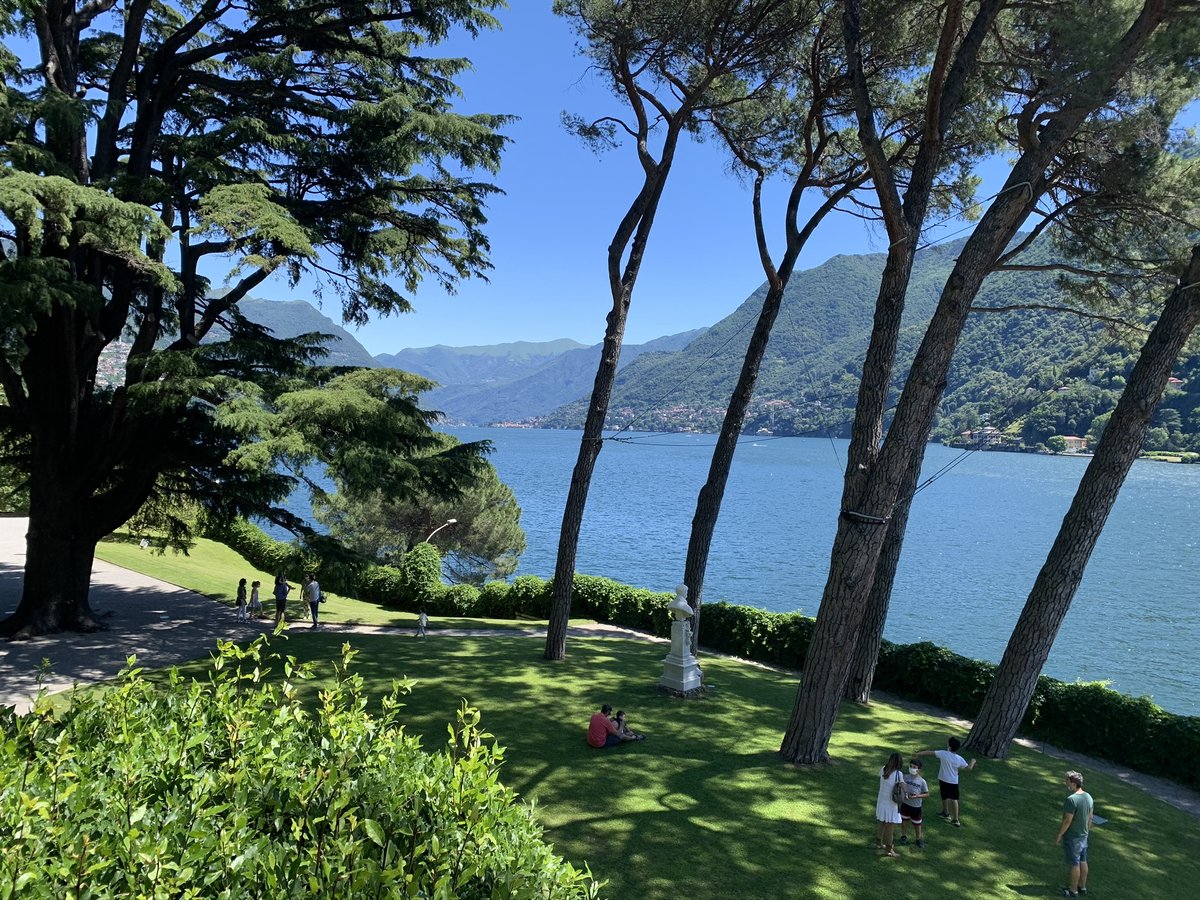 The Villa del Grumello Park is one of the most delightful surprises Como has in store for visitors. Located just a short walk from the city center, this approximately 8-hectare park overlooks the lake directly, offering breathtaking glimpses through lush vegetation. The 19th-century villa, surrounded by impeccably maintained Italian-style gardens, often hosts temporary exhibitions and cultural events that bring the indoor spaces to life. But it's outdoors where the park truly reveals its magic: well-marked paths wind through flower beds, ancient trees, and rare botanical species, creating a continuous journey of discovery. Particularly enchanting is the rose garden, with ancient and modern varieties that bloom in different seasons. Along the lakeside perimeter, strategically placed benches invite you to pause and admire the panoramic views stretching from the city to the surrounding mountains. The park is perfect for a refreshing stroll away from the crowds, but also for those seeking cultural inspiration: besides the main villa, you can visit the historic dependencies and the Oratory of San Francesco. The atmosphere is that of a private garden open to the public, where every corner tells a story of botanical passion and love for the Como area.
Villa del Grumello Park
Paolo Giovio Archaeological Museum
- Piazza Medaglie d'Oro 1, Como (CO)
- https://www.visitcomo.eu/it/scoprire/musei/museo-archeologico/index.html
- Open in Google Maps
- View on Google Images
- musei.civici@comune.como.it
- +39 031 252550
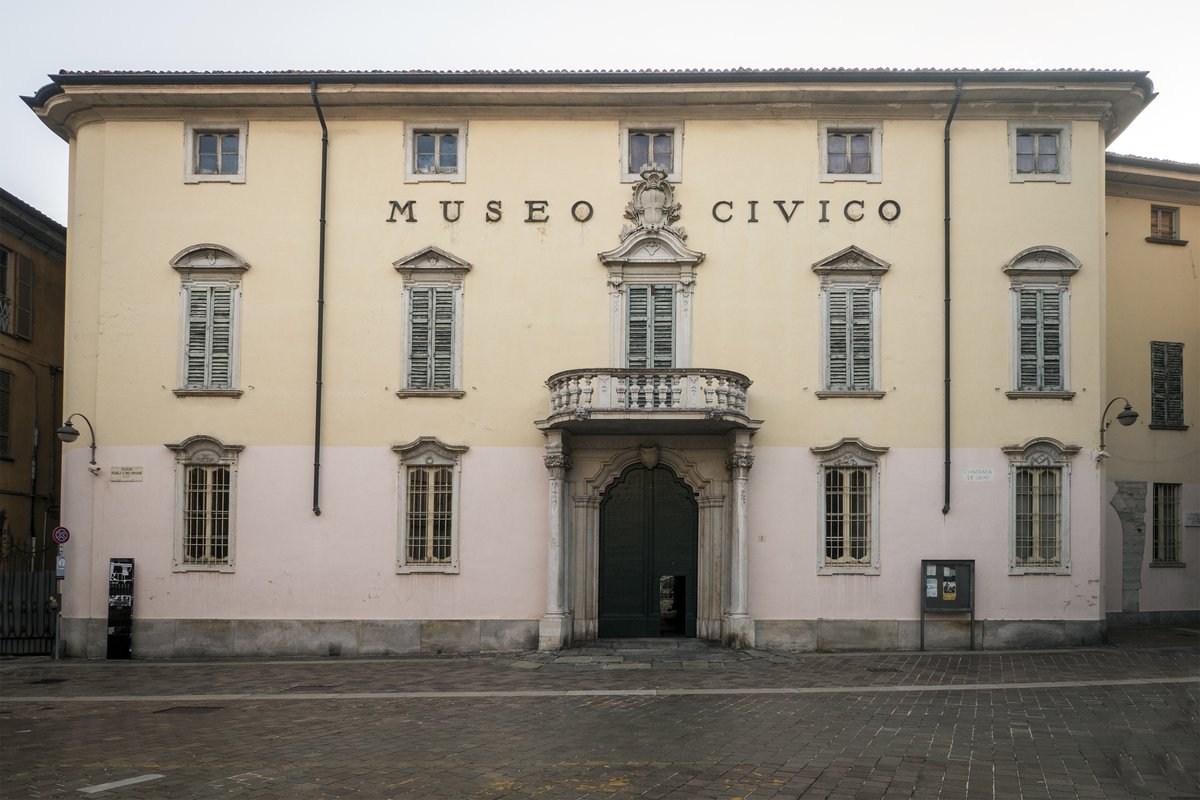 The Paolo Giovio Archaeological Museum is a true hidden gem in the heart of Como, housed within the historic Palazzo Giovio, a building that's worth visiting in its own right. Here, the city's ancient history comes to life through a well-curated collection spanning from prehistory to the early Middle Ages. The Roman section is particularly rich, with artifacts from excavations of Roman Como, including amphorae, coins, and everyday objects that reveal how life unfolded along the lake shores two thousand years ago. Don't miss the funerary steles and Latin inscriptions that offer an authentic glimpse into the society of that era. The museum stands out for its focus on ancient Lombardy, featuring local finds such as ceramics, glassware, and bronze tools, many of which were discovered right in the Como area. The layout is clear and accessible, with explanatory panels that guide visitors without overwhelming them. A practical tip: allow at least an hour to explore the rooms at a leisurely pace, paying special attention to the displays dedicated to the Iron Age and medieval artifacts, which complete the historical picture of the region. The museum is easily reachable on foot from the city center, making it perfect for a cultural break while discovering the city.
Paolo Giovio Archaeological Museum
The Life Electric
- Diga Foranea Piero Caldirola, Como (CO)
- Open in Google Maps
- View on Google Images
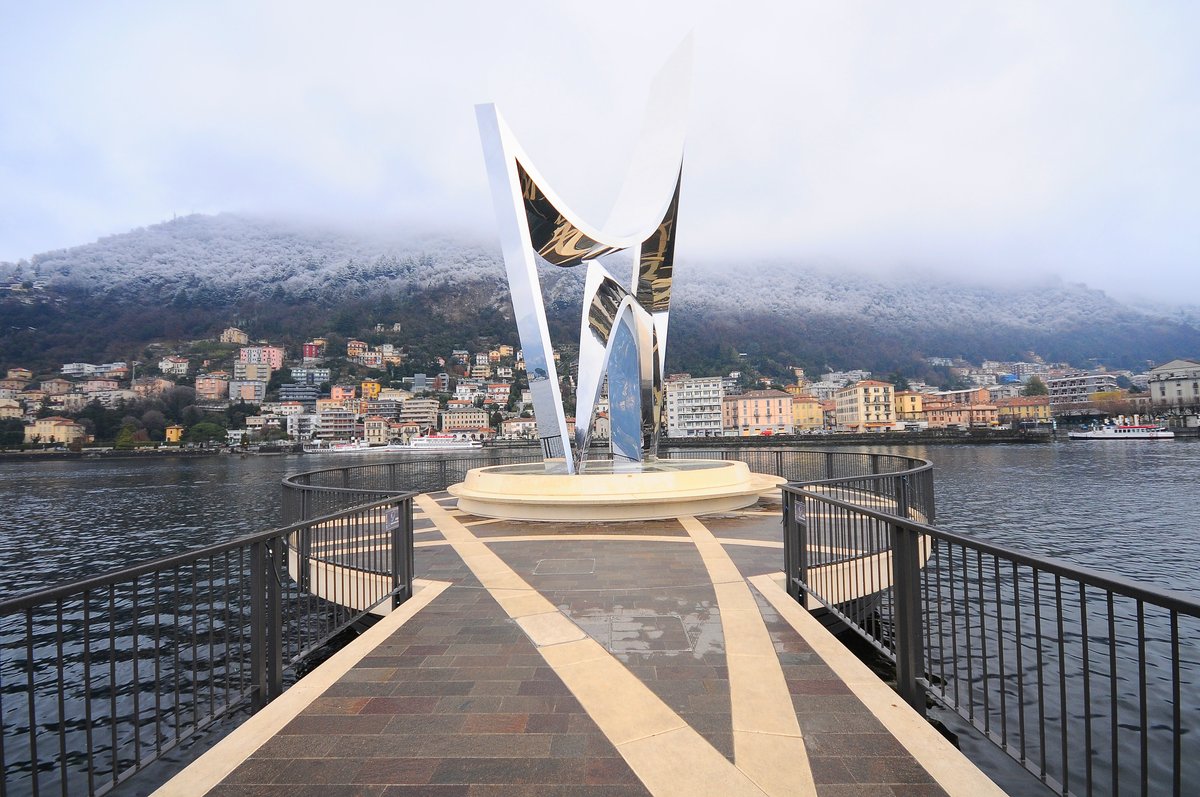 If you're looking for a unique perspective on Lake Como, The Life Electric is an unmissable stop. This contemporary sculpture, designed by architect Daniel Libeskind, stands on the Como lakefront, directly opposite the Tempio Voltiano. Its sinuous, dynamic form recalls electric waves, a tribute to Alessandro Volta, the Como-born inventor of the battery. Crafted from stainless steel, the work stands out against the sky and lake, creating a fascinating contrast between ancient and modern. The location is strategic: it sits at the end of the lakefront, where the dockyard once stood, and is now a gathering spot for tourists and locals. The sculpture is freely accessible and always visible, but the best time to admire it is at sunset, when the sun's reflections on the water and steel create an unforgettable spectacle. The Life Electric is not just a work of art, but a symbol of innovation and tradition that characterizes Como. It's perfect for a souvenir photo or a contemplative break, with views of the mountains and historic villas mirrored in the lake. If you're passionate about architecture or simply love scenic views, this place will win you over.
The Life Electric
Church of Sant'Agostino
 The Church of Sant'Agostino is located on Via Sant'Agostino, just a short walk from Como's historic center, and stands as one of the most fascinating examples of Lombard Gothic architecture. Built between the 14th and 15th centuries, it was originally part of an Augustinian convent, which was suppressed in the 18th century. The simple yet elegant brick façade conceals a single-nave interior with side chapels, where 15th-century frescoes and an original wooden truss ceiling stand out. Among the artworks, fragments of frescoes from the De' Donati school and a 15th-century wooden crucifix deserve attention, testifying to the site's rich devotional heritage. Today, the church is deconsecrated and occasionally hosts exhibitions and cultural events, yet it retains its intimate atmosphere. Admission is free, and a visit takes about 20–30 minutes. I recommend taking advantage of the tranquility of this place for a reflective break, away from the crowds of the lakeside. If you're in Como, don't miss it: it's a hidden historical gem that few know about but is well worth discovering.
Church of Sant'Agostino
Villa Olmo Park
 Villa Olmo Park is one of Como's most beloved green lungs, a place where nature and history merge in a unique atmosphere. Overlooking the lake directly, the park extends for about 4 hectares and offers breathtaking views of the waters and surrounding mountains. Strolling along the tree-lined avenues, you'll immediately notice the majestic Villa Olmo, an 18th-century neoclassical building that dominates the landscape. The villa, now home to exhibitions and cultural events, is surrounded by Italian-style gardens with geometric hedges and flower beds, while the rear opens into a vast English-style park with green lawns and centuries-old trees. Here you'll also find the Art Nouveau greenhouse, an architectural gem housing exotic plants and colorful flowers. The park is perfect for a relaxing walk, a picnic in the shade of the plane trees, or simply admiring the lake from one of the strategically placed benches. Throughout the year, the park hosts events like concerts and festivals, but even on a quiet day it offers moments of pure relaxation. I recommend visiting early in the morning or at sunset, when the sunlight caresses the lake and creates unforgettable plays of reflections. Don't forget to explore the pier that extends toward the waters, ideal for taking spectacular photos.
Villa Olmo Park