
The Monument to the Fallen unites the hamlets of Casamona, Faeto, Pratovalle, and Roveraia in a single remembrance with a structure made of pietra serena. Located in the historic center of Loro Ciuffenna, near the Romanesque bridge and the old water mill, it offers a moment of peace and memory in the Upper Valdarno.
- Monolithic block of pietra serena with names engraved by hamlet
- Distinct symbols: sheaf of wheat, oak tree, water source, and chestnut tree
- Focal point of an emotional path connecting the four hamlets
- Unique panoramic views of the Casentino area among gullies and forests
Events nearby
03/06/2026 - 10/06/2026

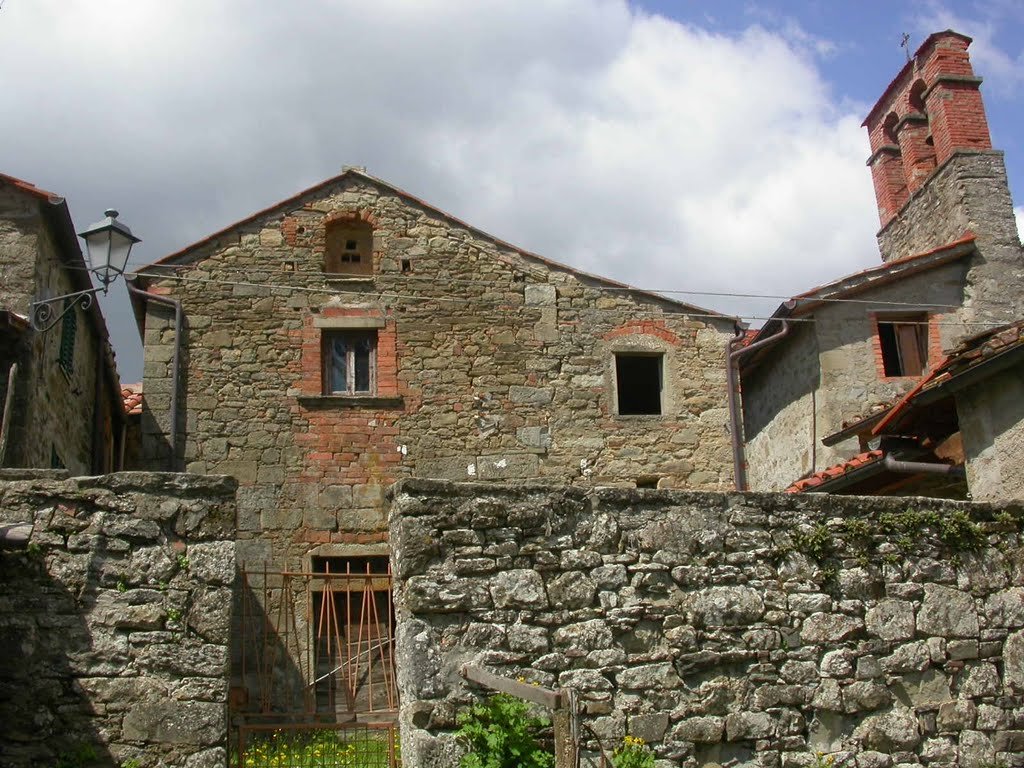
Local stone memorial with engraved names and distinct symbols for Casamona, Faeto, Pratovalle, and Roveraia. A stop in the historic center near the Romanesque bridge and water mill, a place for reflection away from mass tourism.
Good to know
Introduction
In the heart of the Casentino area near Arezzo, in Loro Ciuffenna, stands a memorial site that strikes with its essentiality and emotional power. The Monument to the Fallen of Casamona, Faeto, Pratovalle and Roveraia is not merely a plaque, but a gathering point that unites four small hamlets in a single remembrance. Strategically positioned along the road connecting these villages, the monument emerges with its sober elegance among the gullies and green Tuscan hills. The structure made of local stone blends perfectly with the landscape, creating a silent dialogue between history and nature. Visiting it means not only paying tribute to the fallen, but also discovering an authentic corner of Tuscany, far from tourist crowds. The visual impact is immediate: the simplicity of the forms contrasts with the depth of the message, inviting reflection. Here, every element tells a story of community and resistance, making this place unique in its kind.
Historical Notes
The monument was erected to commemorate the fallen from the two World Wars who originated from the hamlets of Casamona, Faeto, Pratovalle, and Roveraia. These small communities, nestled in the hills of Casentino, paid a significant tribute to the conflicts, with many young men never returning home. The work was completed in the 1950s, a period when many Italian municipalities dedicated spaces to collective memory. The decision to unite four hamlets in a single monument reflects the spirit of solidarity that characterizes these lands. The stone used comes from local quarries, inextricably linking the structure to the territory. The engraved names tell stories of families still present in the area, creating a bridge between past and present.
- Early 1900s: The communities of the four hamlets lived off agriculture and pastoral farming
- 1915-1918 and 1940-1945: Young men departed for the front
- 1950s: Creation of the commemorative monument
- Present day: Has become a place of active memory and community identity
Architecture and Symbols
The architecture of the monument reflects the Tuscan rural simplicity that characterizes the entire Loro Ciuffenna area. The main structure is a monolithic block of pietra serena, a typical local stone, skillfully crafted by local artisans. On the main facade stand out the names of the fallen, engraved in sober yet clearly legible characters, organized by their hamlet of origin. A distinctive feature is the presence of four distinct symbols representing each community: for Casamona a sheaf of wheat, for Faeto an oak tree, for Pratovalle a water source, and for Roveraia a chestnut tree. These symbols are not merely decorative but tell the identity of each hamlet through their characteristic elements. The arrangement of the surrounding area, with native plants and a small rest area, completes the work, making it a place of contemplation perfectly integrated into the environmental context.
Path of Memory
The monument is not an isolated point but the heart of an emotional journey that ideally connects the four hamlets. Starting from Casamona, you descend towards Faeto through trails among the gullies, then climb up towards Pratovalle and conclude at Roveraia. Each stop offers different glimpses of the monument, which appears and disappears along the road’s curves, creating a sense of progressive discovery. Along the way, small signs tell the story of daily life in these communities: the terraces for olive cultivation, the chestnut woods, the water sources that have shaped the development of the villages. Visiting the monument thus becomes a complete experience that combines historical memory and territorial discovery. The best way to appreciate it is to walk the stretches of road connecting it to the hamlets, savoring the silence and scents of the Tuscan countryside.
Why Visit It
Three concrete reasons make this place unmissable. First: it’s one of the few unified monuments that commemorate multiple communities together, bearing witness to a still-vibrant community spirit. Second: the location offers unique panoramic views over the Casentino, with vistas ranging from clay badlands to Apennine forests. Third: it represents an opportunity to discover an authentic area of Tuscany, where time seems to have stood still and farming traditions endure. The visit perfectly combines with exploring nearby villages, offering a complete experience of history and landscape. Additionally, the absence of architectural barriers makes it accessible to everyone, while the presence of benches invites stopping and contemplation.
When to Go
The most evocative time to visit is undoubtedly the first autumn afternoon, when the low-angled sunlight enhances the stone contrasts and the warm foliage colors create a spectacular frame. In this season, the silence of the place deepens, broken only by the rustle of dry leaves. Late spring days also offer intense emotions, with flowering fields framing the monument and the air filled with scents of broom and thyme. Avoid the midday hours of summer days, when the heat can make the stop less pleasant. The most magical atmosphere is experienced when low clouds envelop the hills, creating plays of light that seem to animate the names engraved in the stone.
In the Surroundings
Complete your experience with a visit to the Museum of the Pieve di Gropina, just a few minutes’ drive away, where you can discover the Romanesque art of Casentino through the sculpted capitals of the pieve. For a thematic experience on historical memory, head to the Castle of Romena in Pratovecchio, linked to the figure of Dante Alighieri and the medieval history of the valley. Both sites ideally dialogue with the monument, creating a journey through the history and identity of this corner of Tuscany.
Itineraries nearby

💡 Did You Know…?
The monument was erected in the 1950s through the will of the inhabitants of the hamlets, who raised funds through village festivals. It’s said that every year on November 4th, descendants of the fallen lay flowers and light candles, keeping alive a tradition that still unites Casamona, Faeto, Pratovalle and Roveraia today.