Aequum Tuticum: Roman station with baths and the Via Appia Traiana in Ariano Irpino

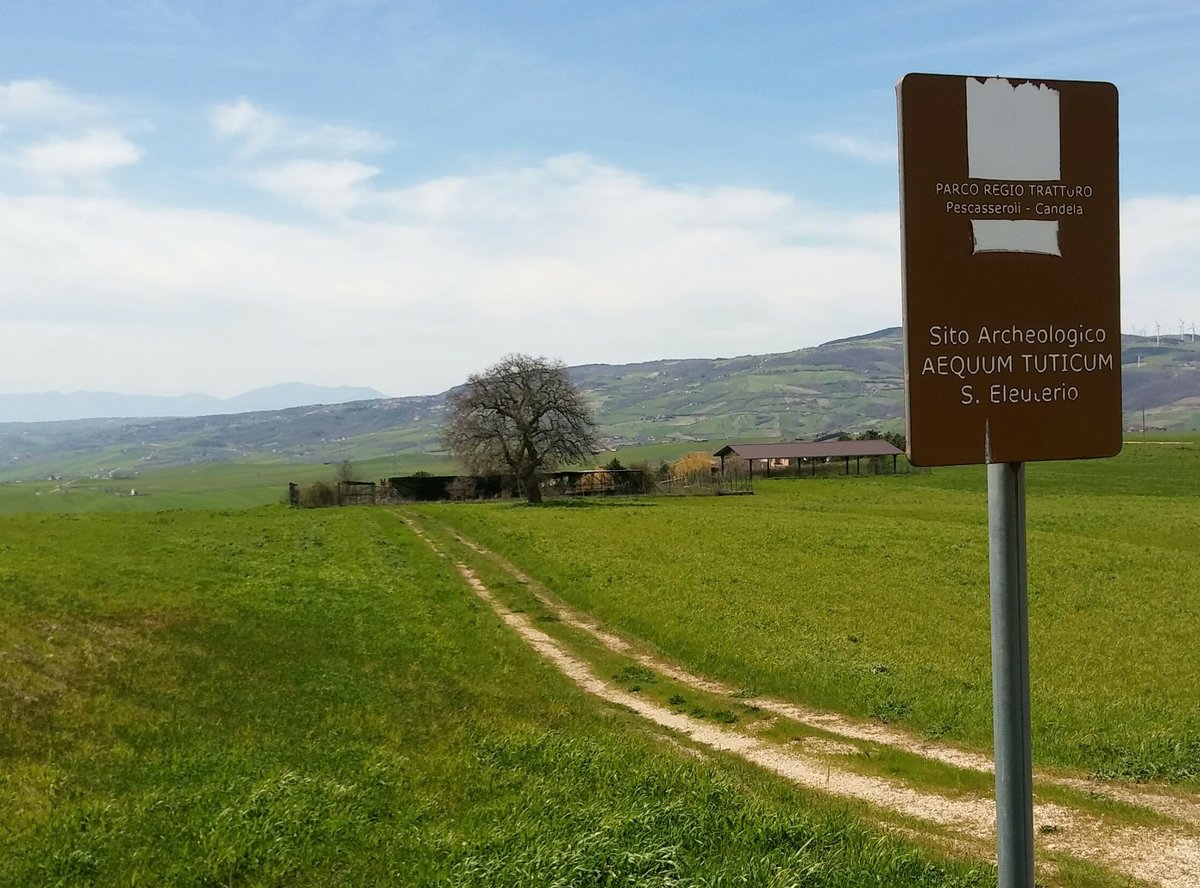
Aequum Tuticum is a Roman archaeological site in the territory of Ariano Irpino, in the province of Avellino. It was a strategic rest station along the Via Appia Traiana, with baths, tabernae, and public structures still visible. The elevated location offers striking views over the Irpinian countryside, making the visit an experience that combines history and landscape.

  • Well-preserved Roman baths with visible pools and heating systems (hypocausts)
  • Original section of the Via Appia Traiana with walkable paving stones, once trodden by legionaries and merchants
  • Panoramic views over the Miscano Valley from the strategic hilltop position
  • Less crowded and accessible site with explanatory panels for self-guided visits

Copertina itinerario Aequum Tuticum: Roman station with baths and the Via Appia Traiana in Ariano Irpino
A key Roman rest station along the Via Appia Traiana, featuring well-preserved baths and original road paving stones. A less crowded archaeological site with panoramic views over the Miscano Valley.

Good to know


Introduction

Walking among the ruins of Aequum Tuticum means treading the same stones once trodden by Roman legionaries and ancient travelers. This archaeological site, located in Ariano Irpino, is not just a pile of remains but a living crossroads of Irpinian history. Here, the Via Appia Traiana wound its way connecting Rome to Brindisi, and today the ruins of the baths, tabernae, and public structures emerge among the fields, offering a striking visual impact. The emotional resonance is powerful: you breathe in the essence of an ancient rest stop, where time seems to have stood still. The elevated position provides panoramic views over the Avellino hills, making the visit an experience that uniquely blends archaeology and landscape.

Historical Overview

Aequum Tuticum originated as a postal station along the Via Appia Traiana, built in the 2nd century AD to facilitate trade between Rome and the Adriatic. The site served as a strategic hub for the refreshment of travelers and soldiers, featuring baths, warehouses, and accommodations. It declined due to barbarian invasions and earthquakes, but recent excavations have uncovered coins, pottery, and structures that attest to its importance. Its history is intertwined with that of the Hirpini, a Samnite people who controlled commerce here.

  • 2nd century AD: Foundation as a station along the Via Appia Traiana
  • Roman era: Rest stop for legionaries and merchants
  • Middle Ages: Decline due to invasions and seismic events
  • Modern excavations: Rediscovery and archaeological enhancement

The Roman Baths

The Aequum Tuticum Baths are among the best-preserved remains, with pools and heating systems still visible. These structures weren’t just for hygiene but were social hubs where travelers and locals relaxed after long journeys. The hypocausts, raised floors for hot air circulation, showcase advanced technology for their time. Today, walking through these ruins allows you to imagine the daily life of those traveling along the Appian Way, bringing to life an often-overlooked aspect of archaeological sites: the human dimension of ancient travel.

The Via Appia Traiana

The stretch of Via Appia Traiana that crosses Aequum Tuticum is still recognizable in its original layout and basalt paving stones. This road was not merely a communication route, but a commercial artery that transported oil, wine, and grain from Irpinia to the rest of the empire. Walking it today means following in the footsteps of merchants and pilgrims, with the awareness of treading upon infrastructure that shaped the development of Southern Italy. Its presence explains why the site was strategic: not just a simple village, but a crucial hub for Roman trade.

Why Visit It

Visiting Aequum Tuticum offers three concrete advantages: first, it’s an uncrowded site, ideal for those seeking tranquility and reflection; second, its proximity to Ariano Irpino allows you to combine archaeology with discovering the medieval village; third, the absence of excessive architectural barriers makes it accessible to many. Additionally, the explanatory panels help contextualize the artifacts without needing a guide, making the visit autonomous and educational. It’s an opportunity to touch Roman history in an authentic rural setting.

When to Go

The most enchanting time to visit Aequum Tuticum is at sunset, when the slanting light enhances the shadows of the ruins and creates a magical atmosphere. In terms of seasons, mild periods like late spring or early autumn are ideal: the weather is pleasant for strolling among the remains, and the colors of the Irpinian countryside make the landscape even more captivating. Avoid the midday summer hours, when the sun can be too intense for a comfortable visit.

In the Surroundings

Just minutes from Aequum Tuticum, the Ariano Irpino Castle dominates the village with its Norman towers, offering a perfect contrast between the Roman and medieval eras. For a thematic experience, the Silver Museum in the historic center displays artifacts that narrate the local history, creating a connecting thread with the archaeological site. Both locations enrich the visit with insights into the long history of this area.

Itineraries nearby


💡 Did You Know…?

The name Aequum Tuticum means ‘safe and level place’, referring to its protected position and function as a refuge for travelers. Recent excavations have uncovered coins and ceramics that testify to trade with the East. Local legend tells that Roman legions heading to Apulia stopped here, leaving traces of their passage still visible in the perfectly preserved basalt paving of the Roman road.