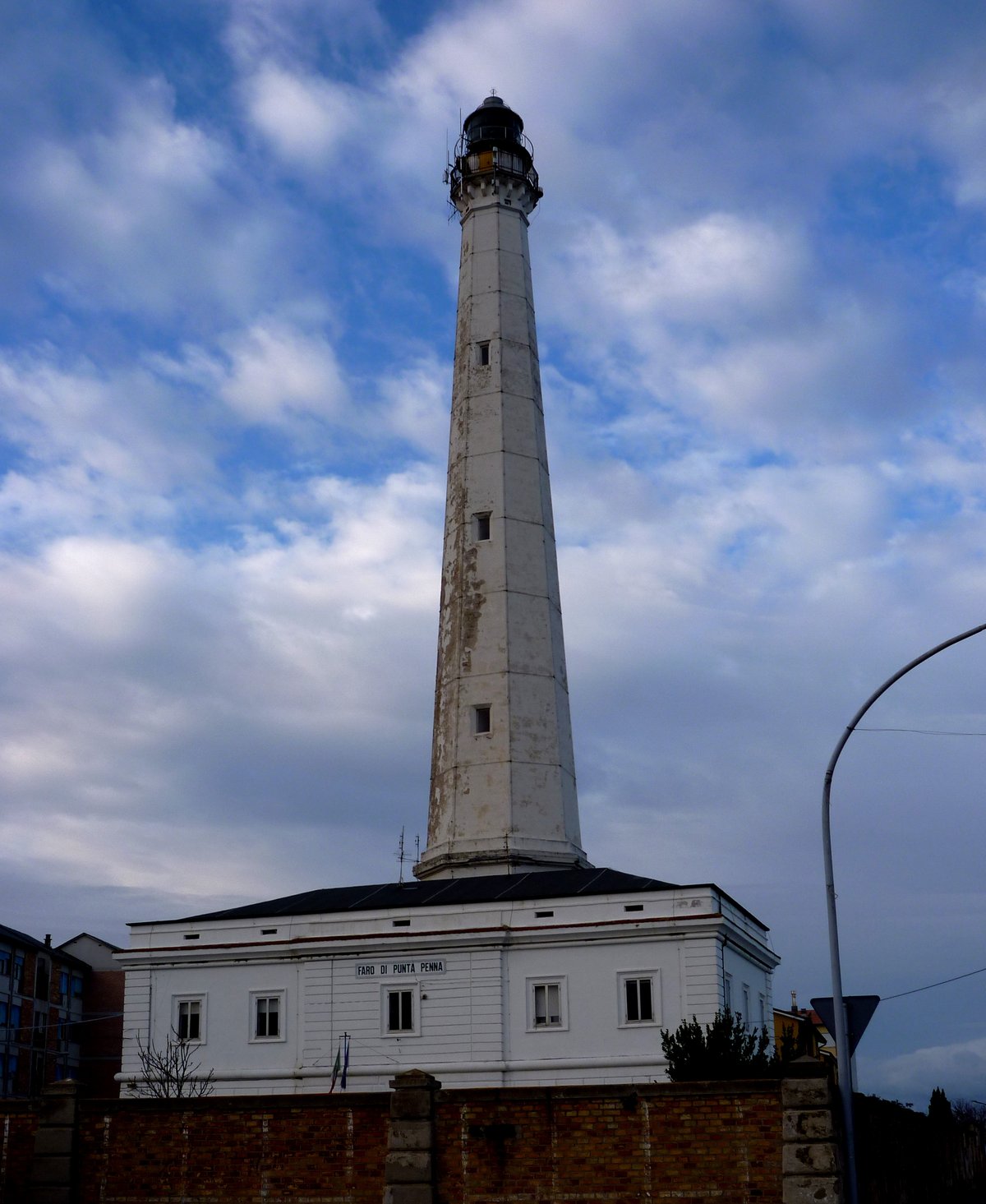
Dominating the Abruzzo coast, Punta Penna Lighthouse is an undisputed symbol of Vasto. With its 70-meter height and spiral staircase of 307 steps, it offers views stretching from Ortona to Gargano. Built in 1906 and rebuilt after the war, it is now an open-air museum and a must-see viewpoint.
– 70 meters high: second only to the Lanterna di Genoa, it is Italy’s tallest lighthouse after Genoa’s.
– 307 spiral steps: climb to the top for a 360° panorama of sea, hills, and mountains.
– Punta Aderci Nature Reserve: the lighthouse stands within this protected oasis, among pristine beaches and trabocchi.
– Open every day: from 9:00 AM to 5:00 PM, with guided tours available (by appointment).
Introduction
Imagine climbing 307 spiral steps and, at the end, finding yourself 70 meters high, with the Adriatic Sea stretching beneath you like a blue carpet. That’s what awaits you at the Punta Penna Lighthouse, the second tallest lighthouse in Italy after the Lantern of Genoa. Perched on a promontory in Vasto, it dominates the coast from Ortona to Gargano. It’s not just a monument: it’s an experience that combines history, nature, and a breathtaking view. If you love places with soul, this lighthouse will win you over.
Historical Notes
The history of Punta Penna Lighthouse began in 1906, when it was built for its strategic location between Ancona and Bari. Designed by Olindo Tarcione, it had a masonry tower with quarters for the keepers. During World War II, in 1944, the retreating German army severely damaged it. It was completely demolished in 1946 and rebuilt, to be inaugurated on May 2, 1948. Since then, it has been an active and manned lighthouse. Here are the key moments:
- 1906 – Construction of the original lighthouse
- 1944 – Partial destruction by the Germans
- 1946 – Complete demolition
- May 2, 1948 – Inauguration of the new lighthouse
- 2002 – Used as a set for the film “Il posto dell’anima”
- 2025 – Renovation and return to the community on April 2
Climbing to the Top: A Unique Experience
Climbing the 307 spiral steps of the Punta Penna Lighthouse is a small adventure. The narrow staircase takes you up, step by step, to the top. There, at 70 meters high (84 meters above sea level), the view is incredible: on one side the open sea, on the other the coast stretching as far as the eye can see. If you’re lucky with the weather, you can see all the way to Gargano. The lighthouse is still operational, with a light range of 25 nautical miles. It’s not just a climb: it’s a moment that stays with you.
Treasures Around the Lighthouse
Just outside the lighthouse, a whole world awaits discovery. A few steps away lies the Church of Santa Maria di Pennaluce, dating back to the 15th century, with its Romanesque facade and rose window. Next to it, the Torre di Punta Penna, a perfectly preserved 16th-century watchtower. And then there’s the legend: it is said that the statue of the Madonna della Penna, stolen by Turkish pirates, returned on its own to the place where it was taken, while the pirates’ ship sank. Every second Sunday of May, boats and fishing vessels hold a procession to celebrate.
Why visit it
Three good reasons? First: it’s one of the few lighthouses in Italy you can visit and climb to the top, a rare and fascinating experience. Second: the 360° panorama is postcard-worthy, and the sunset here is something special, with colors reflecting on the sea. Third: the lighthouse is immersed in the Punta Aderci Nature Reserve, a protected area perfect for a walk among beaches and nature. In short, it combines culture, adventure, and relaxation.
When to Go
The lighthouse is open all year, but the best time? For me, it’s sunset. The warm light flooding the sea and coast makes everything even more magical. If you prefer to avoid the crowds, go in spring or autumn: the climate is mild, the sky often clear, and you can enjoy the view at your leisure. In summer, on the other hand, the air is more humid and visibility sometimes drops, but if you feel like taking a dip afterwards, the beach below the lighthouse is perfect.
Nearby
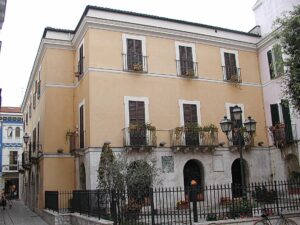
After your visit, don’t miss the Punta Aderci Nature Reserve, a paradise for nature lovers: trails between hills and sea, and a beach with a typical Abruzzo trabocco. A few minutes away, the historic center of Vasto is worth a stroll: alleys, ancient buildings, and many small restaurants for a seafood lunch. If you have time, the city of Ortona is also close by, with its castle and waterfront.