
🧭 What to Expect
- Ideal for travelers seeking both sea and mountains in an authentic Abruzzo, away from mass tourism.
- Highlights: Costa dei Trabocchi with golden beaches, Majella National Park for hiking, medieval villages like Roccascalegna, and archaeological sites like Iuvanum.
- Includes an interactive map with 15 geolocated places to plan your itinerary.
- Offers diverse experiences: nature, history, culture, and gastronomy with local products like oil and wines.
- Features unique structures: perched castles, panoramic lighthouses, thematic museums, and a rupestrian abbey.
Events nearby


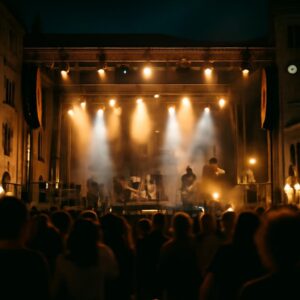
The Province of Chieti offers a unique blend of sea and mountains, with the Costa dei Trabocchi stretching for kilometers between golden beaches and the characteristic fishing machines on stilts. Inland, the Majella National Park dominates with its trails and perched villages like Roccascalegna with its spectacular castle. Historical evidence abounds: from the Teatro Marrucino in Chieti to the Iuvanum Archaeological Park, and the National Archaeological Museums that preserve artifacts from Italic peoples. Inland towns, such as Guardiagrele and Fara San Martino, are famous for copper craftsmanship and pasta, while Vasto and Ortona combine history and beach life. It's a territory to discover at a leisurely pace, between pristine nature and authentic flavors.
Overview
- Majella National Park Authority
- Punta Penna Lighthouse
- Iuvanum Archaeological Park
- Marrucino Theatre
- Castle of Roccascalegna
- Caldoresco Castle
- National Archaeological Museum of Abruzzo - La Civitella
- San Martino in Valle Abbey
- Museum of Costumes and Traditions of Our People
- Ortona Lighthouse
- Italic Temples of Schiavi d'Abruzzo
- Museum of the Battle of Ortona
- Fonte Del Borgo
- Chefs' Museum
- Abruzzo Zoo
Itineraries nearby
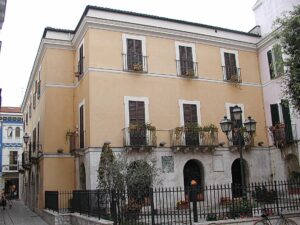


Majella National Park Authority
- Go to the page: Majella National Park: Rocky Hermitages and UNESCO Beech Forests in Abruzzo
- Via Occidentale 6, Guardiagrele (CH)
- https://www.parcomajella.it/Contatti.htm
- Open in Google Maps
- View on Google Images
- +39 0864 25701
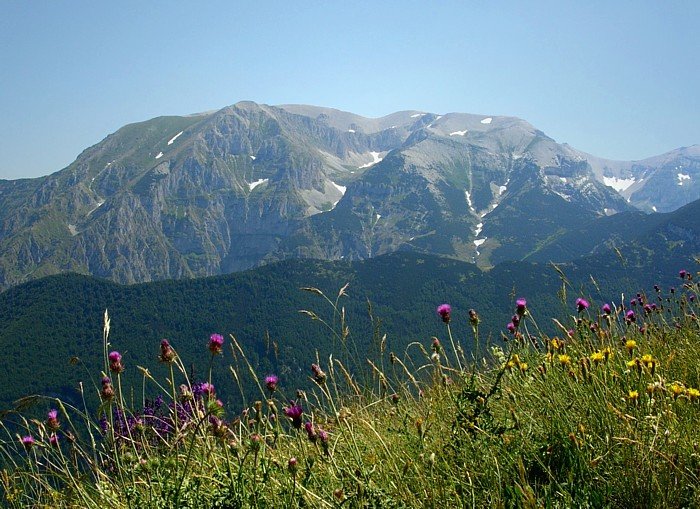 The Majella National Park is a true natural gem of Abruzzo, with its mountainous massif dominating the landscape. Here, nature takes center stage: Marsican brown bears, Apennine wolves, and chamois find refuge in a still pristine environment. The park offers a network of well-marked trails winding through ancient beech forests and flower-filled meadows, ideal for hikes of all levels. Don't miss the Hermitage of San Bartolomeo in Legio, an ancient hermitage nestled in the rock, and the Grotta del Cavallone, accessible with a guide. The park headquarters in Guardiagrele is the perfect starting point for organizing your visit, with detailed information on trails and local wildlife. In spring, the flowering meadows create a colorful carpet, while in autumn the woods turn shades of red and gold. Remember to respect the environment: take your trash with you and always follow the marked trails. For a complete experience, combine your visit with one of the medieval villages like Pennapiedimonte or Roccamontepiano, where time seems to have stood still.
Punta Penna Lighthouse
- Go to the page: Punta Penna Lighthouse: 70 meters high with views over the Costa dei Trabocchi and Tremiti Islands
- Via Pennaluce, Vasto (CH)
- Open in Google Maps
- View on Google Images
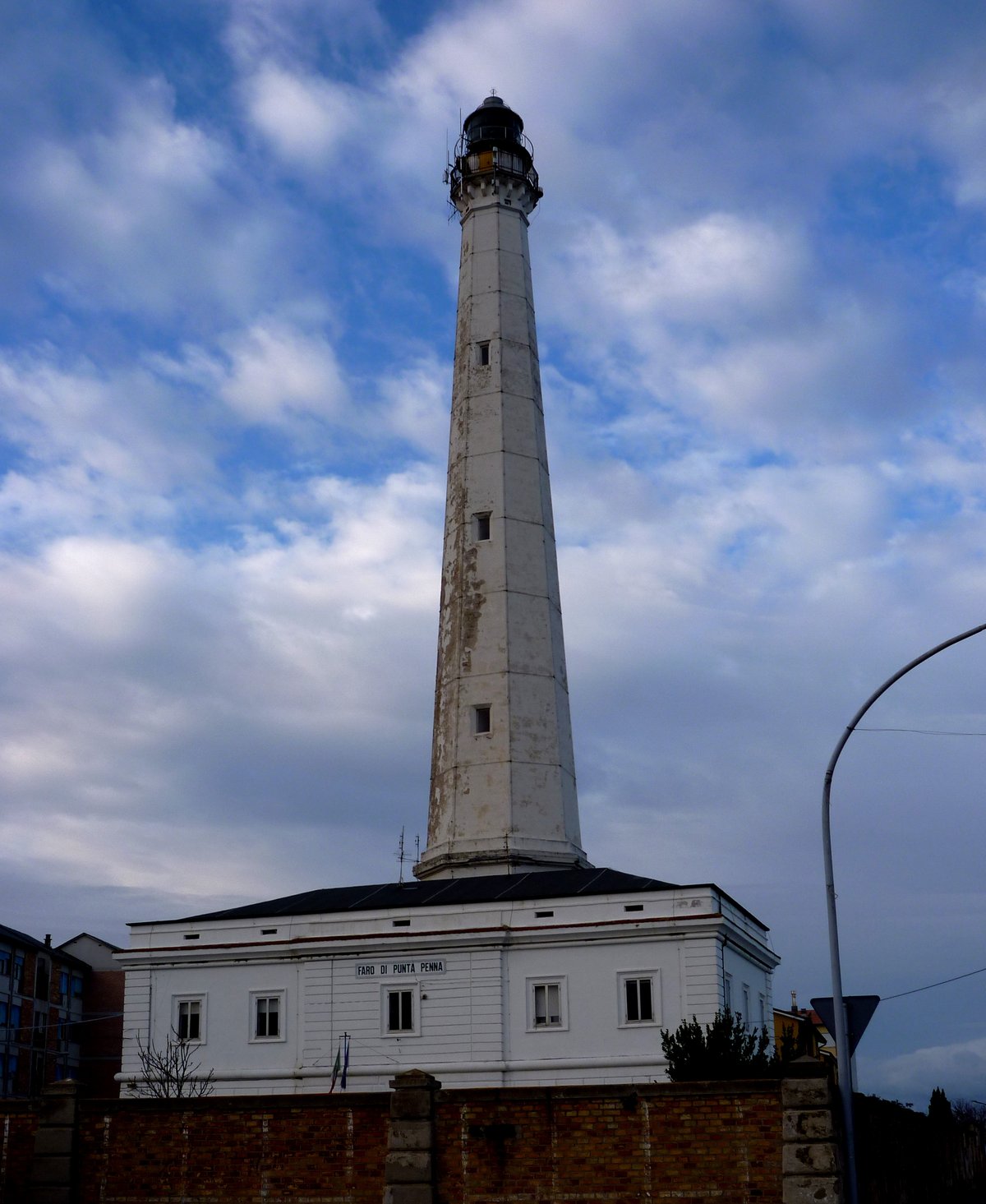 The Punta Penna Lighthouse is not just a navigational landmark, but a true symbol of Vasto. Built in 1906 on the site of a previous 1867 lighthouse, it stands majestically 70 meters above sea level, making it one of Italy's tallest lighthouses. Its white tower rises above the headland, offering a spectacular view that embraces the entire Vasto coastline, from the golden beaches to the Tremiti Islands on the clearest days. Access to the lighthouse is only possible on special occasions, but the real value lies in the journey to reach it. The unpaved road you walk along is an experience in itself: the biting wind, the scent of salt spray, and the sound of waves crashing against the rocks create an unforgettable atmosphere. Here, time seems to stand still, between the Punta Aderci Nature Reserve to the north and Vasto's historic center to the south. Don't forget your camera: the sunsets here are legendary, with the sun plunging into the Adriatic, painting the sky in shades of orange and purple. For those seeking an authentic corner of maritime Abruzzo, this is the place.
Iuvanum Archaeological Park
- Go to the page: Iuvanum: Roman Theater Carved into Rock and Italic Sanctuary in Abruzzo
- SP137, Montenerodomo (CH)
- https://www.iuvanum.it
- Open in Google Maps
- View on Google Images
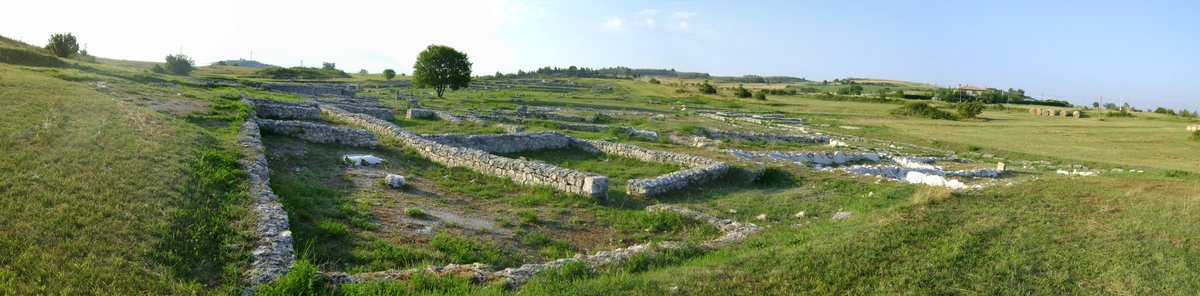 If you're looking for a place where history comes alive without crowds of tourists, the Iuvanum Archaeological Park is the perfect choice. This archaeological site nestled in the green pastures of Majella offers an authentic plunge into ancient Samnium. Arriving in Montenerodomo, you'll be greeted by a breathtaking panorama: 900 meters of altitude that make you feel above the clouds, with views over the Abruzzo mountains. The heart of the park is the Italic temple from the 3rd century BC, where the column bases and sacred area are still clearly distinguishable. A little further on, the Roman theatre preserves part of the cavea and lets you imagine the performances from two thousand years ago. Walking among the remains of the forum and the baths, you'll notice the details that make Iuvanum special: the still visible water channels, original pavements, and ancient cistern. The site is well marked with explanatory panels that tell the story of daily life of the Samnites first and the Romans later. Don't miss the attached museum, small but rich in artifacts found during excavations: pottery, coins, and tools that complete the visit. The best part? You can explore everything at your own pace, often having the place almost to yourself. Practical advice: wear comfortable shoes because the terrain is partly grassy and partly paved. Also bring a water bottle - the air is fresh but the sun beats down in summer. For photographers: the sunset light on the theatre is magical.
Marrucino Theatre
- Go to the page: Teatro Marrucino Chieti: Frescoed Ceiling and Perfect Acoustics from 1818
- Piazza Gian Gabriele Valignani 1, Chieti (CH)
- https://www.teatromarrucino.eu/
- Open in Google Maps
- View on Google Images
- botteghino@teatromarrucino.eu
- +39 0871 3304 70
 If you're visiting Chieti, the Marrucino Theatre is an unmissable stop. This historic theatre, inaugurated in 1818, is a perfect example of neoclassical architecture, with an elegant façade welcoming you on Corso Marrucino. Upon entering, you'll be struck by the horseshoe-shaped hall, with its four tiers of boxes and the ceiling frescoed by Giovanni Ponticelli, depicting allegories of music and theatre. The acoustics are exceptional, the result of careful restoration that preserved the venue's originality. Here, you don't just breathe art: the Marrucino is a cornerstone of Abruzzese culture, with a rich season of opera, concerts, and drama performances. Many call it the 'little San Carlo' for its elegance and high-calibre programme. If you're in Chieti, check the event calendar: attending a show here is an authentic experience that immerses you in the city's cultural life. The theatre is easily reachable on foot from the centre, and often offers guided tours to uncover backstage stories and anecdotes, like those tied to the great artists who have graced its stage. A tip: book in advance for the most popular shows, especially during holiday periods.
Castle of Roccascalegna
- Via Codacchie, Roccascalegna (CH)
- https://www.castelloroccascalegna.com
- Open in Google Maps
- View on Google Images
- castellomedievaleroccascalegna@gmail.com
- +39 335 8767589
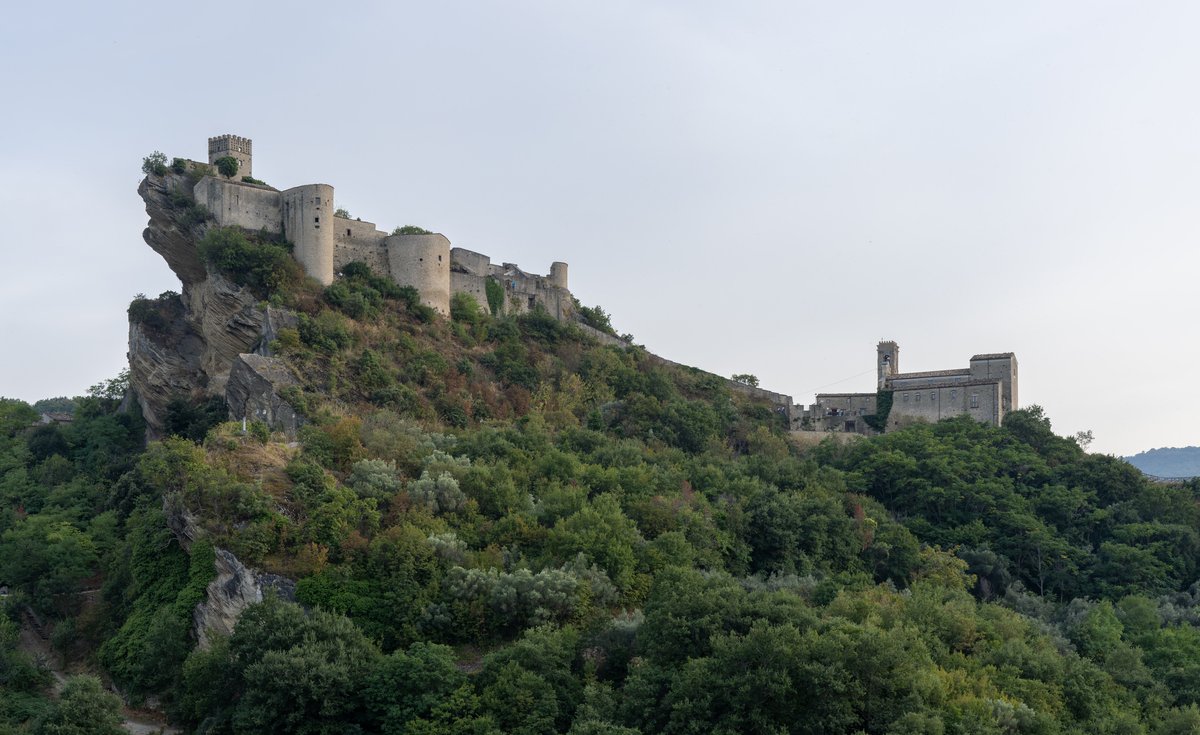 Perched on a rocky spur at 455 meters above sea level, the Castle of Roccascalegna is one of the most spectacular fortresses in Abruzzo. Its strategic position will gift you breathtaking views of the Maiella and the Sangro Valley. The current structure mainly dates back to the 12th-13th centuries, with subsequent Renaissance modifications. Strolling through its walls, you'll immediately notice the imposing circular tower soaring high - the best spot for taking memorable photos. The most famous legend is that of Baron Corvo de Corvis, who imposed the 'ius primae noctis' and was killed by the rebelling citizens. Today you can visit the prisons, the noble halls, and the patrol walkway. The castle has been recently restored and maintains its medieval charm intact. I recommend climbing to the top to admire the hilly landscape that stretches as far as the eye can see. The atmosphere here is magical, especially at sunset when the stones turn golden. Perfect for those seeking authentic history without the crowds.
Caldoresco Castle
- Corso Garibaldi, Vasto (CH)
- Open in Google Maps
- View on Google Images
 The Caldoresco Castle is one of Vasto's most recognizable landmarks, situated in the heart of the historic center. Built in the 15th century by order of Giacomo Caldora, this imposing fortress represents a perfect example of Angevin military architecture. Its massive structure with cylindrical towers and battlements dominates the landscape, offering breathtaking views of the Adriatic Sea and the rooftops of the ancient village. The main tower, standing over 30 meters tall, is the most distinctive feature and still preserves parts of the original defensive systems. Inside, the restored rooms frequently host temporary exhibitions and cultural events, while the inner courtyards tell centuries of history through their stones and arches. Particularly fascinating is the secret passage that connected the castle to the sea, once used for quick escapes or supplies. Today the castle is open year-round and represents an essential stop for anyone wanting to immerse themselves in Vasto's history. Its strategic location, between the Loggia of Palazzo d'Avalos and the Church of Santa Maria Maggiore, makes it the ideal starting point for exploring the historic center. During summer, the courtyard becomes a stage for concerts and theatrical performances, creating unique atmospheres under the stars.
National Archaeological Museum of Abruzzo - La Civitella
- Via Generale Giuseppe Salvatore Pianell, Chieti (CH)
- https://www.musei.abruzzo.beniculturali.it/musei?mid=316&nome=museo-archeologico-nazionale-la-civitella
- Open in Google Maps
- View on Google Images
- pm-abr.museolacivitella@beniculturali.it
- +39 0871 63137
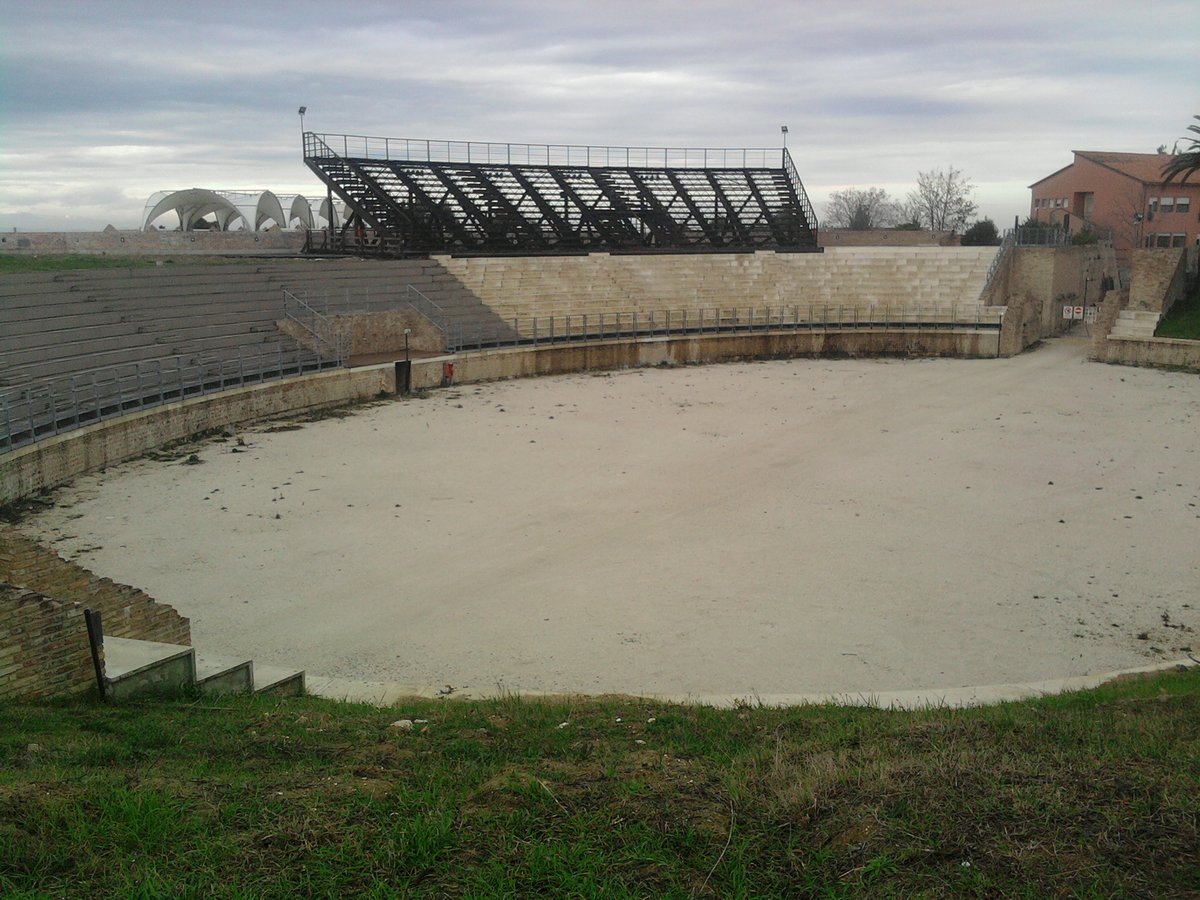 If you think Chieti is just about scenic views and good food, get ready for a surprise. The National Archaeological Museum of Abruzzo - La Civitella awaits you with a collection that tells the ancient history of Abruzzo like no other place. Located in the archaeological area of the Roman amphitheater of Teate, the museum stands right where the Marrucini, the Italic people who inhabited these lands, once had their religious and political center. As you enter, you're immediately greeted by the Warrior of Capestrano statue, the most famous symbol of Italic art, with its mysterious gaze that seems to have been watching you for millennia. But that's not all: the rooms take you through artifacts ranging from the Iron Age to Romanization, with ceramics, coins, and everyday objects that bring to life the people who came before us. The section dedicated to Italic sanctuaries is particularly fascinating, with ex-votos and offerings showing how these peoples worshipped their gods. The layout is well-organized and the captions clear, perfect even if you're not an archaeology expert. The building itself, modern and integrated with the Roman ruins, is worth a visit: the large windows offer glimpses of the amphitheater and the city, creating a continuous dialogue between past and present. If you love history or simply want to better understand the roots of this region, here you'll find answers that books often don't provide.
San Martino in Valle Abbey
- Sentiero n. 20 (Sorgenti del Verde-Monastero di San Martino in Valle), Fara San Martino (CH)
- https://www.parcomajella.it/Monastero-di-S-Martino-in-Valle.htm
- Open in Google Maps
- View on Google Images
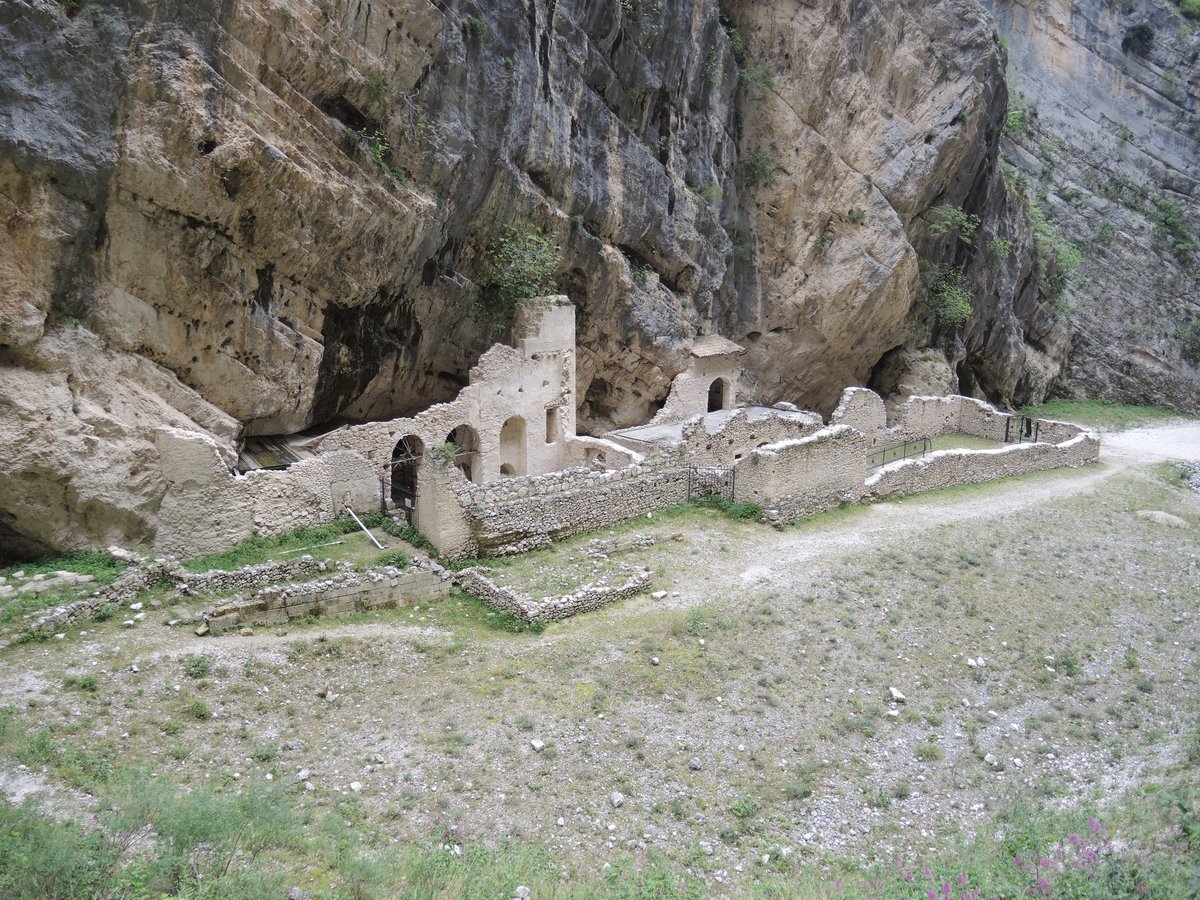 San Martino in Valle Abbey is a place that surprises with its uniqueness: a rock-cut monastic complex embedded in the stone, just a few kilometers from Fara San Martino. Upon arrival, you follow a path that winds through the vegetation, offering breathtaking glimpses of the Santo Spirito Valley. Founded in the 8th century, the abbey is carved directly into the mountainside, with cells, chapels, and spaces that blend seamlessly with the natural environment. Inside, you can admire well-preserved medieval frescoes, including a Madonna and Child and scenes from the life of Saint Martin. The main church, with its semicircular apse, is an example of Lombard architecture. The silence here is broken only by the sound of the nearby stream. It's an ideal spot for those seeking tranquility and spirituality, away from the crowds. Bring a flashlight: some areas are poorly lit. Admission is free, but check the opening hours, which may vary seasonally. I recommend combining your visit with a walk in the surrounding area, rich with marked trails in the Majella National Park.
Museum of Costumes and Traditions of Our People
- Piazza San Francesco, Guardiagrele (CH)
- Open in Google Maps
- View on Google Images
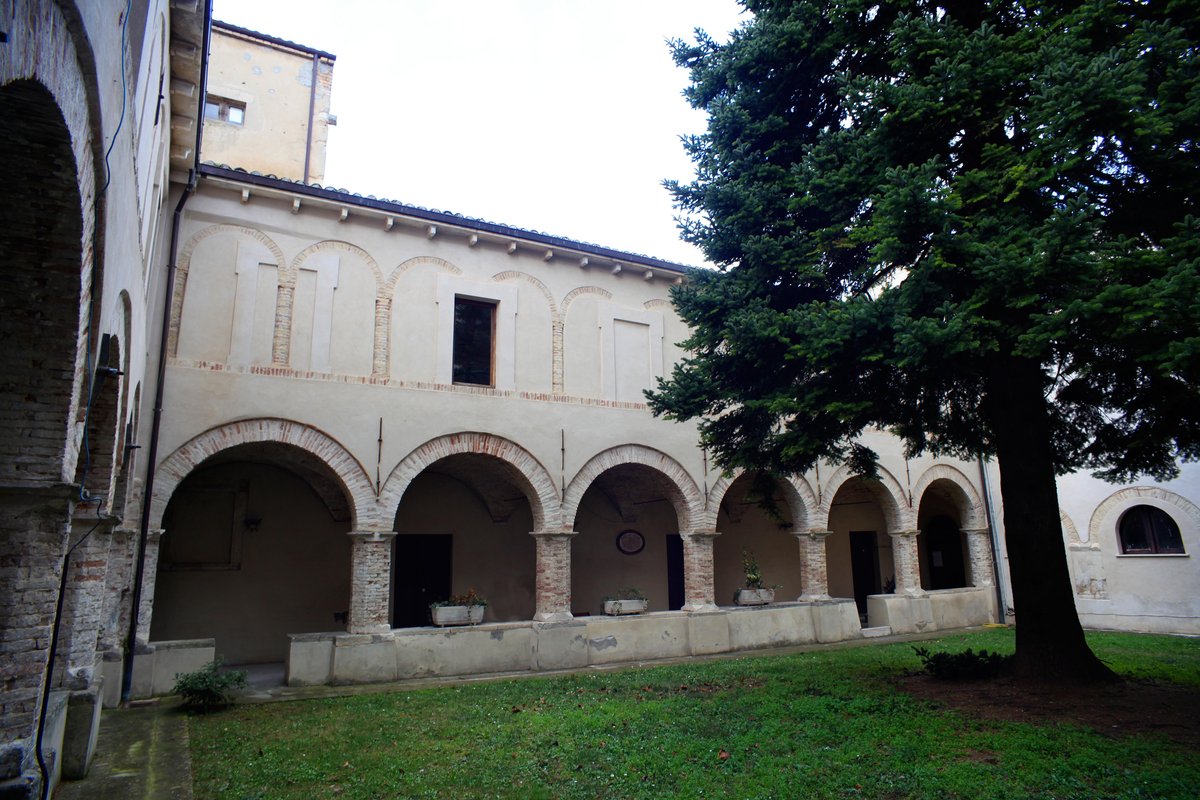 If you truly want to understand the rural Abruzzo of yesteryear, this museum in Guardiagrele is an essential stop. This isn't your typical dusty museum: here you breathe the daily life of our grandparents, with a collection that transports you back in time. The traditional garments are the real stars: hand-embroidered women's costumes, wedding trousseaus, and the iconic headwear women wore on festive days. Every detail tells a story, like the filigree jewelry, a craft specialty of Guardiagrele, displayed alongside agricultural and domestic work tools. The section dedicated to transhumance immerses you in the epic migration of flocks between Maiella and Tavoliere, with vintage photos and shepherds' objects. The museum is small but intense: you can visit it in an hour, and the atmosphere is familiar, like stepping into a house from another era. Ask for the audio guides if you want to delve deeper: the voices of local witnesses enrich the experience. Perfect for those seeking the real Abruzzo, far from the usual clichés.
Ortona Lighthouse
- Go to the page: Ortona Lighthouse: Historic 1923 Tower with 360° Views of the Gulf
- Via Cervana, Ortona (CH)
- Open in Google Maps
- View on Google Images
 The Ortona Lighthouse, built in 1923, is a symbol of the city that rises on a rocky promontory overlooking the Adriatic Sea. Its strategic position offers a spectacular view of the Abruzzo coast, from Ortona's port to the surrounding hills. The structure, 25 meters high, is still operational and managed by the Italian Navy, with its light guiding sailors for over a century. Access to the lighthouse is free and can be reached with a short walk from the historic center, crossing a scenic path that offers unique glimpses of the sea. At the base of the lighthouse, a small equipped area with benches invites you to stop and enjoy the panorama, especially at sunset when the colors of the sky reflect on the water. It is not possible to climb to the top of the tower for safety reasons, but the exterior and surroundings are already worth the visit. The lighthouse is surrounded by Mediterranean vegetation, with mastic trees and scrubland that perfume the air. Nearby, you can find the remains of a military post from the Second World War, a testimony to Ortona's wartime past. This place is ideal for taking memorable photos, with the contrast between the white of the tower and the blue of the sea. I recommend combining the visit with a stop nearby to taste brodetto alla vastese, a typical dish of Abruzzese maritime tradition.
Italic Temples of Schiavi d'Abruzzo
- Strada Provinciale 206 dei Templi Italici, Schiavi di Abruzzo (CH)
- https://sabapchpe.cultura.gov.it/soprintendenza/aree-tematiche/patrimonio-archeologico/schiavi-dabruzzo/
- Open in Google Maps
- View on Google Images
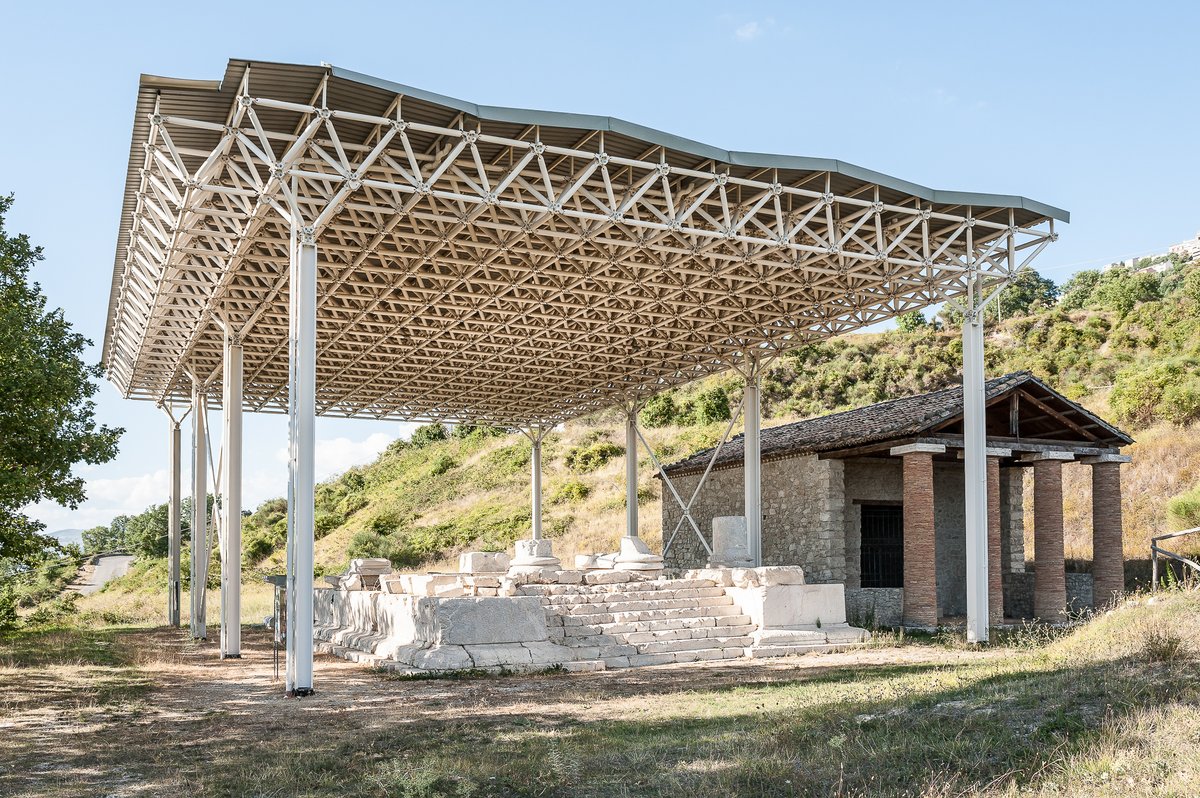 If you're looking for a place where history comes alive amidst breathtaking landscapes, the Italic Temples of Schiavi d'Abruzzo are the perfect destination for you. This archaeological site, located in Schiavi di Abruzzo in the province of Chieti, is one of the most important sacred complexes of the ancient Samnite Pentri people. Upon arrival, you'll be greeted by a magical atmosphere: two perfectly preserved temples stand on a natural terrace at 1,028 meters above sea level, with a spectacular view over the Trigno Valley. The main temple, probably dedicated to Hercules, still shows the foundation made of local limestone blocks and the remains of the cella. Next to it, the smaller temple completes the picture of a sanctuary that was active from the 2nd century BC until the Roman imperial era. Walking among the remains, you'll notice the channels for liquid offerings and the fragments of architectural terracottas that decorated the buildings. The location is no coincidence: the Samnites chose elevated places to get closer to the deities. Today, the site is perfect for a relaxing visit, with explanatory panels that guide you through the discovery. The best time to visit? Spring and autumn, when the light is golden and the temperatures are ideal. Bring a camera: the sunsets here are unforgettable. To reach it, follow the directions from the village of Schiavi di Abruzzo - convenient parking is just a few minutes' walk away.
Museum of the Battle of Ortona
- Corso Giuseppe Garibaldi 1, Ortona (CH)
- https://www.beniculturali.it/mibac/opencms/MiBAC/sito-MiBAC/Luogo/MibacUnif/Luoghi-della-Cultura/visualizza_asset.html?id=151594&pagename=57
- Open in Google Maps
- View on Google Images
- +39 085 9068207;+390859068207
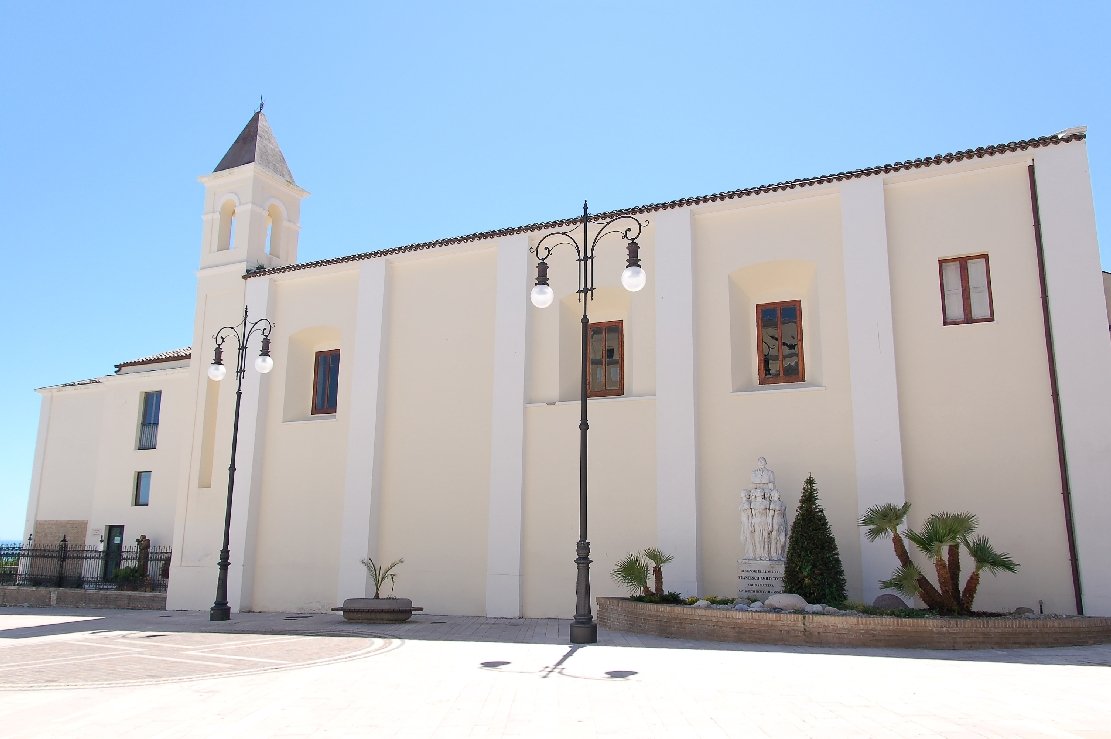 The Museum of the Battle of Ortona catapults you back to December 1943, when the city became the stage for one of the most brutal clashes of the Italian Campaign. Located in the historic center, the museum occupies part of the Aragonese Castle, a symbolic place that witnessed the events firsthand. Here you won't just find relics, but a moving narrative that combines original artifacts, period photographs, and firsthand accounts. The rooms are organized to make you relive the phases of the battle, with particular attention to the 'Stalingrad of Italy', as it was nicknamed for its ferocity. Among the most significant pieces are Canadian and German uniforms, weapons, and soldiers' personal items. Notable is the section dedicated to civilians, which recalls the price paid by the population. The tour is enriched by bilingual panels (Italian and English) and multimedia supports, ideal for those who want to delve deeper without getting lost in technicalities. Perfect for those seeking an authentic historical experience, the museum leaves you with a profound reflection on war and human resilience. I recommend combining the visit with a walk through Ortona, to discover the still visible marks of that period.
Fonte Del Borgo
- Piazza della Pietrosa, Lanciano (CH)
- Open in Google Maps
- View on Google Images
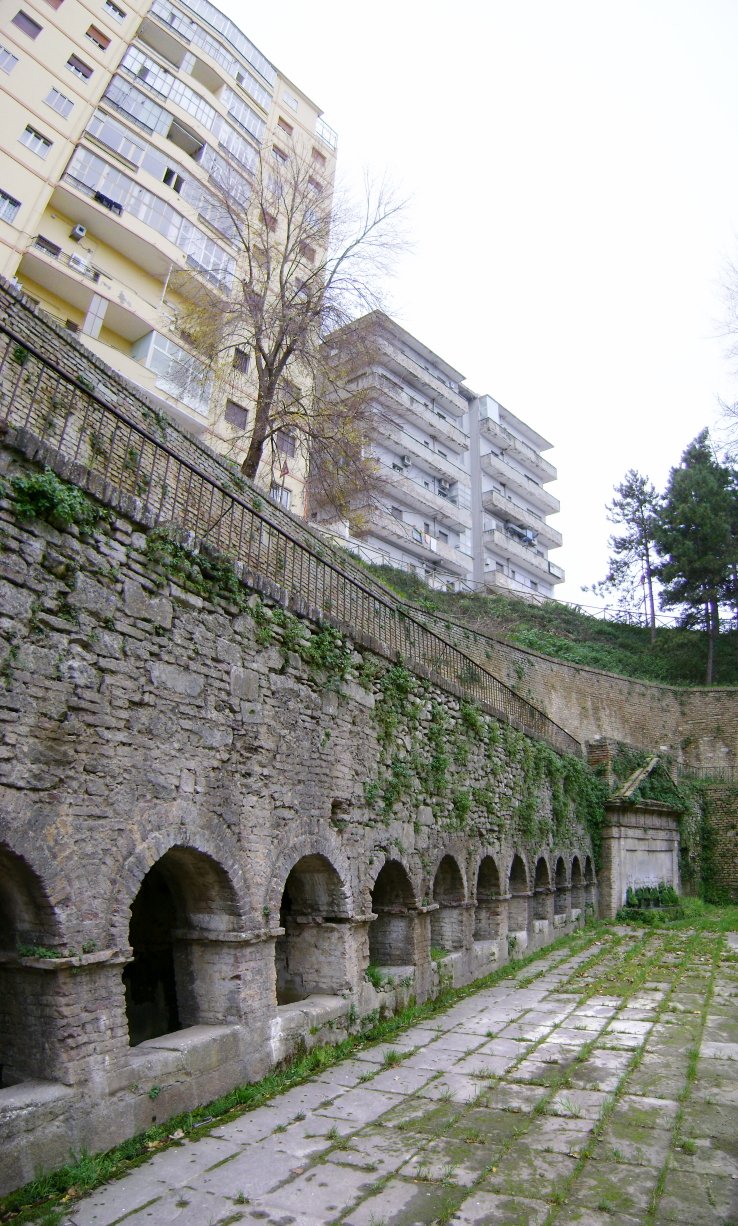 The Fonte Del Borgo is one of those discoveries that make a visit to Lanciano truly special. Located in the historic center, this public fountain is not just a place to quench your thirst, but a genuine piece of the city's history. Built in the 16th century, it represents an example of Abruzzese Renaissance architecture, with its stone structure and characteristic masks decorating the basin. The water that flows is fresh and drinkable, a precious gift for travelers exploring the narrow streets of the old town on foot. Its location is strategic: it lies along the path connecting Piazza Plebiscito to the oldest part of the city, making it an essential stop during your visit. Locals affectionately call it 'a funtànë', and it's not uncommon to see them stopping by to fill their bottles or simply for a chat. The fountain has recently been restored, preserving its original charm intact. Surrounding it, Lanciano's historic buildings create a captivating atmosphere, especially in the evening when the lights highlight the textures of the stone. If you pass by here, don't just take a photo: taste the water and imagine how many travelers, over the centuries, have done the same. It's a detail that tells the story of authentic Abruzzo, far from the more conventional tourist routes.
Chefs' Museum
- Corso Umberto Primo 3, Villa Santa Maria (CH)
- https://www.villasantamaria.eu/c069102/zf/index.php/musei-monumenti/index/dettaglio-museo/museo/1
- Open in Google Maps
- View on Google Images
- +39 0872 944 416
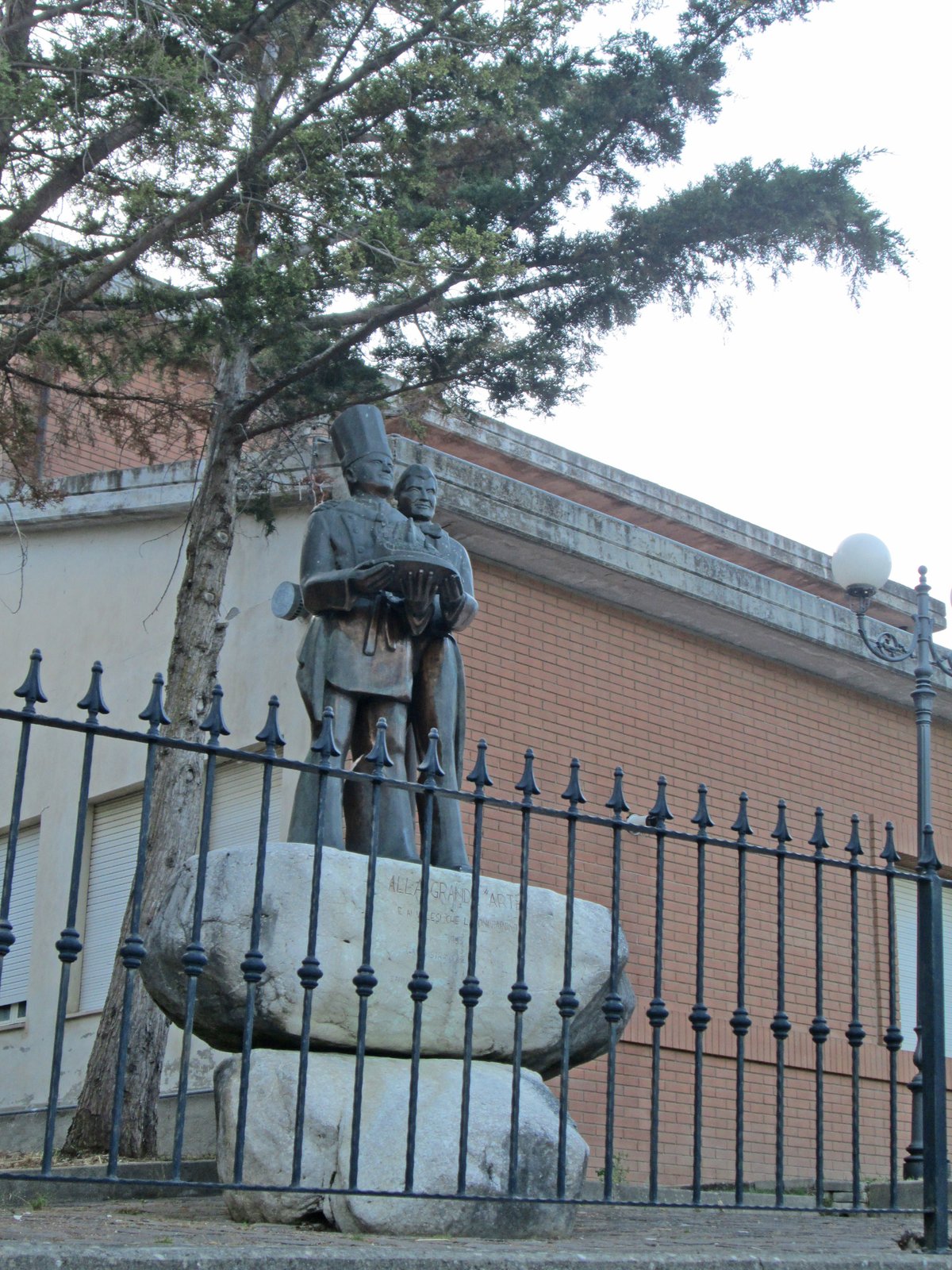 If you love Italian cuisine, the Chefs' Museum in Villa Santa Maria is an unmissable stop. This Abruzzese village is known as the 'City of Chefs', a title it has deserved for centuries. The museum, housed in the former San Francesco convent, tells the story of a unique culinary tradition. Here you'll discover how Villa Santa Maria has trained generations of chefs, many of whom worked in royal courts across Europe. The rooms display vintage kitchen tools, such as copper pots and hand-forged knives, which testify to the evolution of the culinary arts. Historical documents, archival photos, and chef uniforms narrate the lives of local masters. One section is dedicated to the Hotel School, one of the oldest in Italy, founded right here. The journey winds through traditional Abruzzese recipes, like maccheroni alla chitarra, and anecdotes about the chefs who brought the flavors of the region to the world. The atmosphere is authentic: it feels like stepping into a kitchen from another era, where every object has a story to tell. For foodies, it's a chance to understand the roots of regional gastronomy and appreciate Abruzzo beyond its landscapes. The museum is small but rich in details, ideal for a one-hour visit. I recommend pairing it with a tasting at local restaurants, where you can sample dishes inspired by this heritage.
Abruzzo Zoo
- Contrada Scalzino 27e, Rocca San Giovanni (CH)
- https://www.zooabruzzo.it/
- Open in Google Maps
- View on Google Images
- +39 0872 618012
 The Abruzzo Zoo in Rocca San Giovanni offers a unique opportunity to get close to Abruzzo's biodiversity in a family-friendly and well-organized setting. Located just a few kilometers from the sea, the park spans a green area where native species such as the Apennine chamois, the wolf, and the Marsican brown bear coexist with exotic animals like monkeys, tigers, and reptiles. The aviaries house birds of prey and local birds, with informative panels explaining the importance of conservation. For children, there is a dedicated area with ponies and farm animals, where safe interaction is possible. The path is comfortable and accessible, with refreshment points and shaded picnic areas. The zoo participates in programs to protect endangered species, making the visit not only fun but also educational. Ideal for a day trip, it combines contact with nature with the discovery of Abruzzo's wildlife.