
The Fermo Civic Art Gallery, housed in the Palazzo dei Priori, offers a collection from the 14th to the 18th century with works by Marche artists such as Vincenzo Pagani and Carlo Maratta. It is an intimate and authentic venue, perfect for discovering quality art away from the crowds.
- Assumption Altarpiece by Vincenzo Pagani, a Renaissance masterpiece
- Polyptychs by Carlo and Vittore Crivelli with gilding and meticulous details
- Hall of the 14th-Century Marche School with gilded panels of rare beauty
- Canvases by Carlo Maratta, a European-famous Baroque painter born in the Marche region
Events nearby

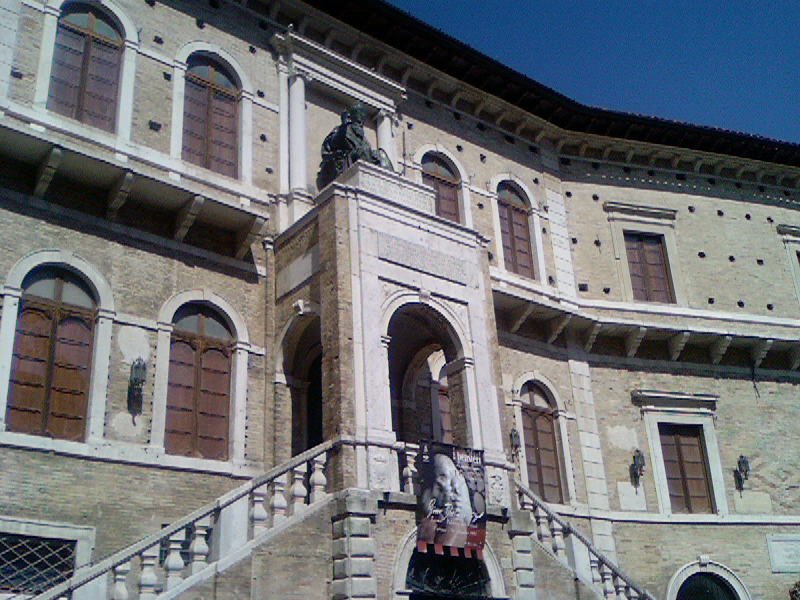
The Fermo Civic Art Gallery houses works from the 14th to the 18th century, including Vincenzo Pagani’s ‘Assumption Altarpiece’ and canvases by Carlo Maratta. Discover the polyptychs of the Crivelli brothers and the Hall of the 14th-Century Marche School in the Palazzo dei Priori.
- Piazza del Popolo, Fermo (FM)
- Open in Google Maps
- View on Google Images Pinacoteca Civica a Fermo
Good to know
A Treasure in the Heart of Fermo
As soon as you cross the threshold of Fermo’s Civic Art Gallery, you immediately understand you’re in a special place. It’s not just a museum, but a journey through time that welcomes you within the walls of Palazzo dei Priori, with its authentic and intimate atmosphere. The collection, spread across multiple rooms, captivates you with works ranging from the 14th to the 18th century, creating a continuous dialogue between different eras. The room dedicated to Carlo Crivelli is pure emotion, with its polyptychs shining with gold leaf and meticulous details. Walking among these works, many of which come from local churches and convents, makes you feel part of Fermo’s history. It’s an intimate experience, far from the city’s noise, where each painting tells a different story.
History and Transformations
The Fermo Civic Art Gallery was officially established in 1981, but its roots trace back to the 18th century, when the collection of artworks from suppressed churches and private donations began. The original core owes its existence to the dedication of local scholars who sought to preserve the city’s artistic heritage. Over time, the collection has been enriched through targeted acquisitions, such as the Sant’Eutizio polyptych, originating from the namesake abbey. Today, the art gallery stands as a cultural landmark for the Marche region, featuring a modern exhibition design that highlights works by artists like Vittore Crivelli and Francesco Podesti.
- Late 18th century: initial collections of artworks from religious buildings
- 1981: official opening of the Civic Art Gallery
- 2000s: gallery reinstallation and expansion
Must-See Masterpieces
Among the absolute masterpieces, the Triptych of Saint Eutizio by Vittore Crivelli stands out with its vibrant colors and rigorous composition. It’s a work that stops you in your tracks, thanks to the mastery of details and the intensity of the sacred figures. Then there’s the Madonna and Child by Jacobello del Fiore, a painting that combines elegance and devotion, typical of International Gothic. Don’t overlook the rooms dedicated to the 17th and 18th centuries, where you’ll find canvases by Andrea Lilli and Pier Simone Fanelli, artists who left their mark on local painting. Each work is accompanied by clear captions explaining its origin and meaning, making the visit accessible even to non-experts.
The Layout and Route
The art gallery is organized in a chronological route that smoothly guides you from the Middle Ages to the Baroque period. The rooms are illuminated with natural light wherever possible, creating a warm atmosphere that respects the artworks. Particularly interesting is the section dedicated to the Crivellis, with Carlo and Vittore dominating the scene with their richly symbolic polyptychs. The route also includes works on panel and canvas, featuring sacred themes and portraits that reflect Fermo’s devotion and society through the centuries. The audio guide, available in Italian and English, enriches the visit with anecdotes and curiosities, but even without it, the flow is intuitive and enjoyable.
Why You Should Visit
Visit the Pinacoteca Civica in Fermo to admire works that are unique in the Marche region, such as the polyptychs by the Crivellis, which are hard to find elsewhere in such concentration. It’s an opportunity to discover lesser-known but highly talented artists who worked in the area. Additionally, the location in Palazzo dei Priori adds value, allowing you to explore a historic building while immersing yourself in art. Perfect for a one- or two-hour cultural break without any hassle, thanks to its compact size and intimate atmosphere.
When to Go
The best time to visit is early afternoon, when natural light streams through the windows and illuminates the artworks in a captivating way, especially in the upper-floor rooms. Avoid weekend peak hours if you prefer a more peaceful visit. In spring and autumn, the mild weather invites you to continue with a stroll through the historic center right after.
In the Surroundings
After the art gallery, head to Piazza del Popolo, the heart of Fermo, with its Renaissance porticoes and palaces. Just a short walk away, you can visit the Roman Cisterns, an Augustan-era hypogeum site that offers a fascinating contrast to the art gallery’s collection. Both locations are easily accessible and complete the cultural experience in the city.
Itineraries nearby

💡 Did You Know…?
Did you know that the gallery preserves the Polyptych of Saint Eutizio, a fundamental work for understanding early 15th-century painting in Le Marche? This masterpiece, attributed to Pietro Alemanno, shows the meeting between late Gothic tradition and new Renaissance influences. Every detail of the garments and golden backgrounds tells the story of the mastery of artists who worked for the churches of the Fermo area.