If you're looking for a Po Delta Ferrara itinerary that combines wild nature and thousand-year-old history, this 2-day route is perfect for you. We'll start from the Comacchio Valleys, where you can observe pink flamingos and take boat excursions through the canals. Then we'll visit Pomposa Abbey, a Romanesque jewel with breathtaking frescoes. The Po Delta Park will offer you unique landscapes: from salt pans to fossil dunes. I'll guide you step by step through the most suggestive spots, with practical tips on where to eat fresh fish and how to get around between land and water. A slow journey between biodiversity and ancient testimonies, perfect for those who love nature without giving up culture.
🗺️ Your trip at a glance
Two days in the Ferrara Po Delta between wild nature and millennia of history, from the Comacchio Valleys to Pomposa Abbey. A slow journey that combines birdlife, art, and archaeology in a unique landscape.
- Ideal for travelers seeking authenticity and unique landscapes, nature lovers who don't want to miss out on culture.
- Highlights: 2-day itinerary with 5 stops between Comacchio and Pomposa, including interactive maps, perfect for slow-paced rhythms between land and water.
- Perfect for those looking for a practical route with tips on boat excursions and where to eat fresh fish, away from classic tourist circuits.
Itinerary stops
Day 1 - Stop no. 1
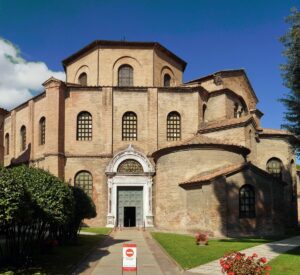
Pomposa Abbey
 The Pomposa Abbey welcomes you with its Romanesque bell tower soaring above the plain, a landmark visible from miles away. This monastic complex, founded by the Benedictines between the 6th and 7th centuries, was a primary cultural and spiritual hub in the Middle Ages. Stepping into the Basilica of Santa Maria, you'll be struck by the precious 14th-century fresco cycles from the Bolognese school, depicting biblical stories and saints' lives with vivid colors. The cloister retains the atmosphere of peace and contemplation that defined monastic life, while the refectory houses a fresco of the Last Supper. Don't miss the museum with archaeological finds and illuminated manuscripts, evidence of the scriptorium where monks copied manuscripts. The isolated location, once surrounded by water, adds a unique charm to this place that unites art, faith, and nature.
- Località Pomposa Centro 12, Pomposa (FE)
- Open in Google Maps
- View on Google Images

You should go if...
Day 1 - Stop no. 2
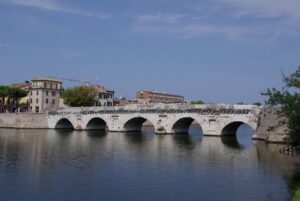
Trepponti
 The Trepponti is not just a bridge, but the true calling card of Comacchio. This 17th-century structure designed by architect Luca Danesi stands majestically at the entrance to the historic center, with its five staircases radiating like spokes toward the different canals. Walking across its red brick arches gives you the sensation of overlooking the entire lagoon city, with a privileged view of the pastel-colored buildings reflected in the waters. Each staircase leads to a different neighborhood, revealing how strategically positioned this bridge was to control access to the city. The sunset light creates particularly magical atmospheres here, when water reflections blend with the glow of historic street lamps. It's the perfect spot to capture the most iconic photos of Comacchio before continuing toward the valleys.
- Via Trepponti, Comacchio (FE)
- Open in Google Maps
- View on Google Images
You should go if...
Day 1 - Stop no. 3
Ancient Delta Museum
 After admiring the Trepponti, the route continues to the Ancient Delta Museum, housed in the former San Camillo Hospital along Vicolo Ospedale. This museum is a true journey through time that tells the story of the Po Delta through archaeological finds of extraordinary value. The Roman ship of Comacchio, discovered in 1981 in the valleys, is the highlight of the collection: a 1st-century BC wreck with its cargo of amphorae, ceramics, and everyday objects that testify to trade along the river. The exhibition halls guide visitors from prehistory to the medieval era, with a focus on the Etruscan city of Spina and the evolution of the lagoon landscape. Each display case reveals how water has influenced settlements and human activities, making the museum an essential stop to understand the identity of this territory.
- Vicolo Ospedale, Comacchio (FE)
- Open in Google Maps
- View on Google Images
You should go if...
Day 2 - Stop no. 4
Spina Archaeological Site
 Leaving behind the treasures of the Museo Delta Antico, you immerse yourself in the suspended atmosphere of the Spina Archaeological Site, along Via Valle Lepri. This extraordinary place preserves the remains of an ancient Etruscan city that flourished between the 6th and 3rd centuries BC, when it was a bustling commercial port on the Adriatic Sea. Excavation campaigns have uncovered tombs rich with funerary goods including Attic pottery, bronzes, and jewelry that testify to contacts with Greece. Today, walking among the remains of buildings and necropolises, you sense how the landscape has changed: the ancient sea has become dry land due to the advancing delta. Information panels help reconstruct the daily life of this community that knew how to exploit water routes for its trade, creating a bridge between different cultures.
- Via Valle Lepri, Comacchio (FE)
- Open in Google Maps
- View on Google Images
You should go if...
Day 2 - Stop no. 5
Mesola Este Castle
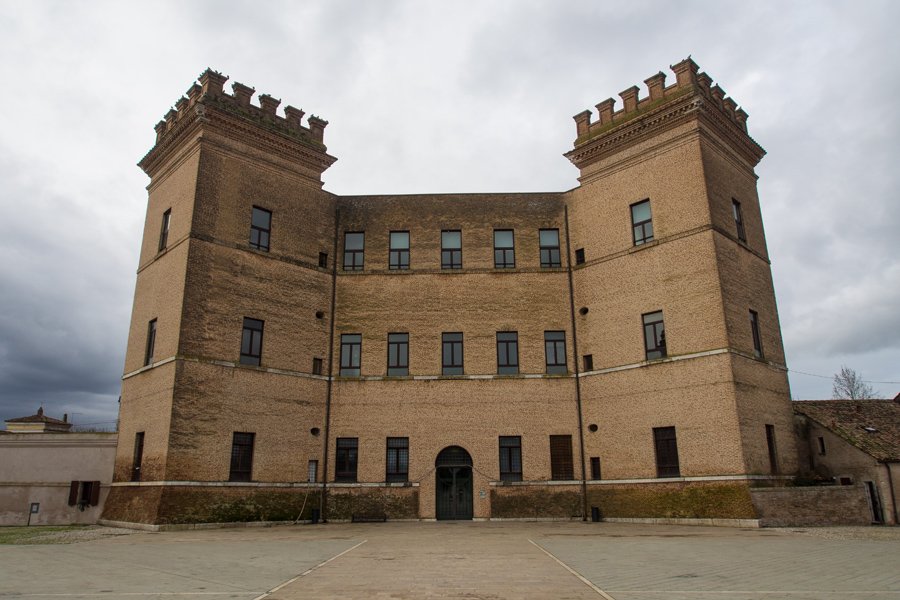 After exploring the ancient remains of Spina, the journey continues northeast to Mesola, where the Este Castle stands imposingly in Piazza Umberto Primo. Built at the end of the 16th century by the will of Alfonso II d'Este, this hunting residence represents the last great architectural work of the family before the devolution of Ferrara to the Papal State. The structure, with its characteristic square layout and corner towers, was conceived as the center of a vast hunting estate, the Mesola Wood Reserve, now an integral part of the Po Delta Park. Inside, the rooms preserve traces of frescoes and decorations that tell of the court's splendor, while the museum itinerary illustrates the history of the territory and its transformations. Strolling through the courtyards and along the walls allows one to imagine the dukes' hunting expeditions, surrounded by a nature that still dominates the landscape today.
- Go to the page: Estense Castle of Mesola: Renaissance fortress in the Po Delta with historic park
- Piazza Umberto primo, Mesola (FE)
- Open in Google Maps
- View on Google Images
You should go if...