Villa Godi Malinverni in Lugo di Vicenza is the first villa designed by Andrea Palladio in 1542 and today a UNESCO World Heritage site. The interiors are decorated with Renaissance frescoes by Zelotti, Padovano, and del Moro, while the romantic park with a lake and statues offers views over the valley. Inside, you’ll also find the Fossil Museum with a nearly 10-meter-tall fossil palm tree.
– First Palladian villa and UNESCO World Heritage
– Frescoes by 16th-century Venetian masters
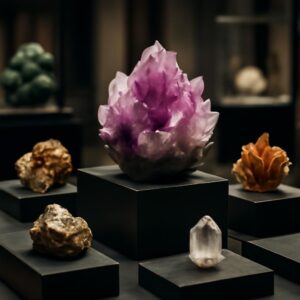
– Fossil Museum with giant fossil palm
– Romantic park with lake and centuries-old statues
Villa Godi: A Dive into Palladio’s First Masterpiece
Villa Godi is the first villa designed by Andrea Palladio, a gem in Lugo di Vicenza that surprises you at every turn. Built in 1542, its façade resembles a castle, with a turret and a dovecote. But as soon as you enter, the frescoes by Zelotti and Padovano tell you stories of gods and myths. The romantic park, with its 1,300 meters of paths and a lake inhabited by swans, is the perfect place for a walk. And don’t miss the Fossil Museum, where there is a fossil palm tree almost 10 meters high. A mix of art, nature, and history that leaves you speechless. I was enchanted by the soft colors of the rooms, unique.
Historical Background
Villa Godi was designed by Andrea Palladio in 1542 for the Vicentine nobleman Girolamo Godi. It is his first villa, predating his famous trips to Rome. After a period of neglect, in 1962 Professor Remo Malinverni purchased and restored it, bringing it back to its former glory. In 1954, Luchino Visconti chose it to shoot some scenes of the film ‘Senso’. Since 1996 it is a UNESCO World Heritage site. Here are the key moments:
- 1542: Construction for Gerolamo Godi
- 1852: Design of the romantic park by Caregaro Negrin
- 1962: Purchase and restoration by Remo Malinverni
- 1996: UNESCO designation
Frescoes and Architecture: a 16th-Century Masterpiece
The frescoes of Villa Godi are a masterpiece of the 16th century Veneto. Nine rooms are open to the public, with works by Gualtiero Padovano, Gianbattista Zelotti, and Battista del Moro. The left wing has a classical style, with deities and Greek landscapes, while the right wing is more mystical, with satyrs and telamons. The Sala dei Cesari makes you feel like you’re in an ancient Roman palace, with gilded busts on a white-gray background. The Sala delle Muse e dei Poeti is a riot of soft colors and putti. One detail that struck me: the fireplace with Dante Alighieri. The villa’s symmetrical plan, with loggia and central hall, is already typically Palladian, although the facade retains castellated features.
The Romantic Park and the Fossil Museum
The romantic park was designed by Antonio Caregaro Negrin in 1852. Tree-lined avenues, a swan lake, and about fifty statues by Marinali and Albanese. At the back, Italian-style gardens with fountains and pools. Inside the villa, the Fossil Museum houses Count Andrea Piovene’s collection with over 350 fossilized plant species. The star is a 9.85-meter fossilized palm, discovered in 1863, displayed horizontally. It is the longest in the world. A museum that amazes adults and children alike, with local finds that tell of a prehistoric tropical climate. The park is ideal for a break in the shade of centuries-old trees.
Why Visit It
Three reasons not to miss it. 1) Palladio’s first work: a unique opportunity to see the beginning of his architectural genius, with details you won’t find in other villas. 2) The contrast between Renaissance frescoes and the fossil museum: two worlds in one villa, from mythology to paleontology. 3) The romantic park, perfect for a relaxing break away from the chaos, with paths that invite you to stroll. And then, the restaurant Il Torchio Antico in the barchesse is a great excuse to stop for lunch. In short, a place that combines culture, nature, and taste.
When to Go
The best time? A spring Sunday, when the park is in bloom and the frescoes are lit by natural light streaming through the windows. In autumn too, with the warm colors of the foliage, the park is magical. If you prefer tranquility, choose a Tuesday afternoon (open in summer and spring/autumn) – but on Sundays there’s extended hours until 7 PM, so you have more time. In winter the villa is open only by appointment, but if you arrange a private visit, it’s an exclusive experience. In short, go whenever you can, but afternoon light is best.
In the Surroundings
Just a stone’s throw away is Villa Piovene, adjacent, with a panoramic terraced garden offering breathtaking views (the interior is not open to visitors). Another stop is Thiene, with its medieval castle hosting exhibitions and events. If you have time, pop over to Vicenza to see the Teatro Olimpico and the Basilica Palladiana – but a tour of the villages in the Alto Vicentino area, like Schio, is also worth it. All in a day that blends art, history, and nature, stress-free.