
The Luigi Musini Civic Museum of the Risorgimento in Fidenza holds an authentic collection of 19th-century memorabilia, donated by a local scholar. Located in the historic center at Palazzo delle Orsoline, it offers an intimate experience away from tourist circuits.
- Original military uniforms of Garibaldi’s volunteers and the Savoy army, including that of an officer from the Battle of Bezzecca
- Autographed letters from historical figures such as Giuseppe Garibaldi and Camillo Benso di Cavour
- Original documents from the 1860 plebiscites that sanctioned the annexation of Emilia to the Kingdom of Sardinia
- Private correspondence of Fidenza citizens, including the Rondani family correspondence that funded Garibaldi’s expeditions
Events nearby
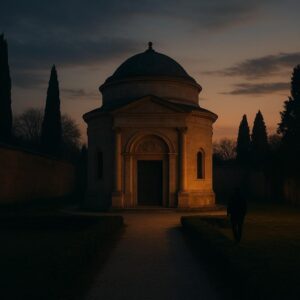
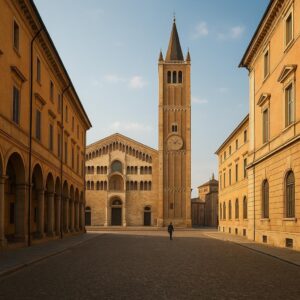
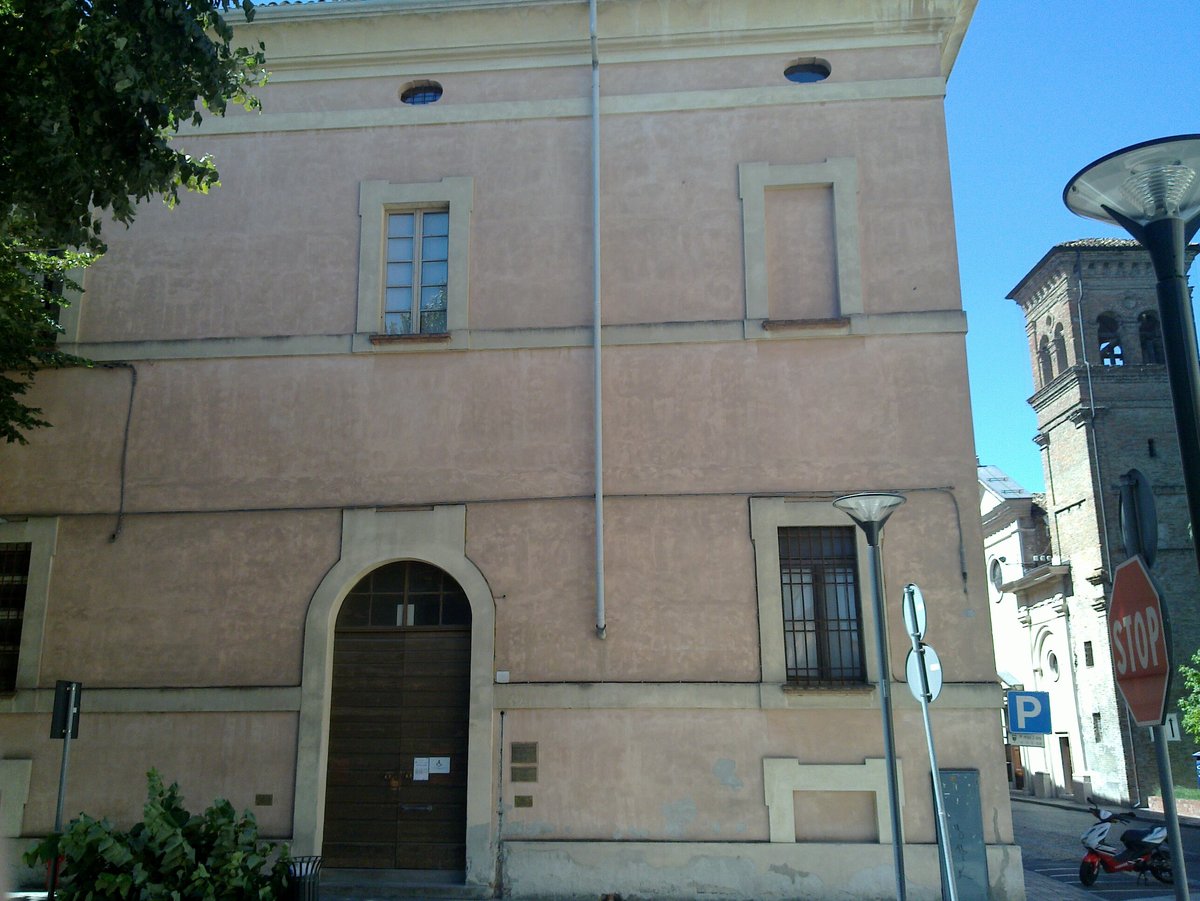
The Luigi Musini Civic Museum of the Risorgimento in Fidenza displays original Garibaldi uniforms, autographed letters from Garibaldi and Cavour, and documents from the 1860 plebiscites. A unique collection housed in the Palazzo delle Orsoline.
- Via Agostino Berenini, Parma (PR)
- Open in Google Maps
- View on Google Images Museo civico del Risorgimento Luigi Musini a Parma
Good to know
Introduction
Stepping into the Luigi Musini Civic Museum of the Risorgimento in Fidenza is like opening a history book that comes to life. You won’t just find dusty display cases, but relics that tell the stories of men and women who fought for the Unification of Italy. Housed in the 18th-century Palazzo delle Orsoline, the museum welcomes you with an intimate and cozy atmosphere, far from the hustle and bustle of large museums. Here, every object – from military uniforms to private letters – speaks of courageous choices and ideals that shaped 19th-century Emilia. The collection, donated by scholar Luigi Musini, is a treasure trove of local memories that makes you feel part of a larger story, perfect for those seeking an authentic experience off the beaten tourist path.
Historical Overview
The museum originated from the passion of Luigi Musini, a Fidentine scholar who personally collected documents and memorabilia from the Emilia region’s Risorgimento period. The collection focuses on the timeframe spanning from the 1831 uprisings to the proclamation of the Kingdom of Italy, with particular emphasis on the role of Fidenza and the Duchy of Parma in national events. Among the most significant pieces are the original documents from the plebiscites of 1860, which ratified the annexation of Emilia to the Kingdom of Sardinia. The museum’s history is deeply intertwined with that of the city: many artifacts come from local families who actively participated in the battles for independence, creating a direct connection between visitors and the territory.
- 1831: First revolutionary uprisings in the Duchy of Parma
- 1859: Fidenza actively participates in the Second War of Independence
- 1860: Plebiscite for annexation to the Kingdom of Sardinia
- 1926: Official establishment of the museum
- 1970: Relocation to its current venue at Palazzo delle Orsoline
Uniforms That Speak
One of the most evocative sections of the museum is dedicated to the original military uniforms of Garibaldi’s volunteers and the Savoy army. These are not mere display costumes: by closely observing the worn woolen jackets and leather gear, one can sense the hardships and sacrifices of those who wore them. Particularly moving is the uniform of an officer from Fidenza who fought in the Battle of Bezzecca in 1866, complete with epaulettes and saber. Alongside the military attire, civilian clothing from the era also stands out, bearing witness to daily life during the Risorgimento, creating a poignant contrast between normality and heroism.
Documents and Private Memories
The heart of the museum lies in its epistolary collection, which includes autographed letters from figures such as Giuseppe Garibaldi and Camillo Benso di Cavour. However, it’s the private correspondence of Fidentine citizens that truly stands out for its immediacy: hastily written notes before battles, minutes from clandestine meetings, personal diaries recounting the hopes and fears of a transitional era. The Rondani family correspondence is particularly noteworthy – these local notables who funded Garibaldi’s expeditions, with details about financing and logistical support networks. These documents transform History with a capital H into personal stories that strike deep emotional chords.
Why Visit It
Three concrete reasons not to miss this gem: first, the authenticity of the collection – these are not reproductions, but objects actually used during the Risorgimento, preserving their emotional impact intact. Second, the unique local perspective: while many Risorgimento museums focus on major national figures, here you discover how epochal events were experienced in a small Emilian town. Third, the careful management that allows you to appreciate every detail without crowds, with clear explanations that make a complex historical period accessible even to non-experts.
When to Go
The best time to visit the museum is an autumn afternoon, when the slanting light filtering through the windows of Palazzo delle Orsoline creates a particularly evocative atmosphere, accentuating the shadows on the antique uniforms and time-yellowed documents. Avoid crowded weekends and opt for weekdays to enjoy the quiet of the place without distractions. The autumn season, with its warm colors, perfectly complements the intimate and reflective atmosphere that characterizes this museum space.
In the Surroundings
Complete your Risorgimento experience with a visit to the Pieve di San Donnino, Fidenza’s ancient cathedral that preserves crucial medieval and Renaissance memories essential for understanding the city’s identity before Unification. Just a short walk away, the Museo del Duomo provides the perfect counterpart, showcasing how Fidenza has preserved its artistic heritage across centuries, creating an ideal dialogue between the Middle Ages and the nineteenth century that enriches your understanding of the territory.
Itineraries nearby

💡 Did You Know…?
Among the most emotional relics is the original flag of the Fidenza National Guard, raised during the uprisings of 1848. It’s said to have been secretly sewn by a group of local women, using fabrics taken from their most precious dresses. A detail that makes the visit even more personal and connected to the community.