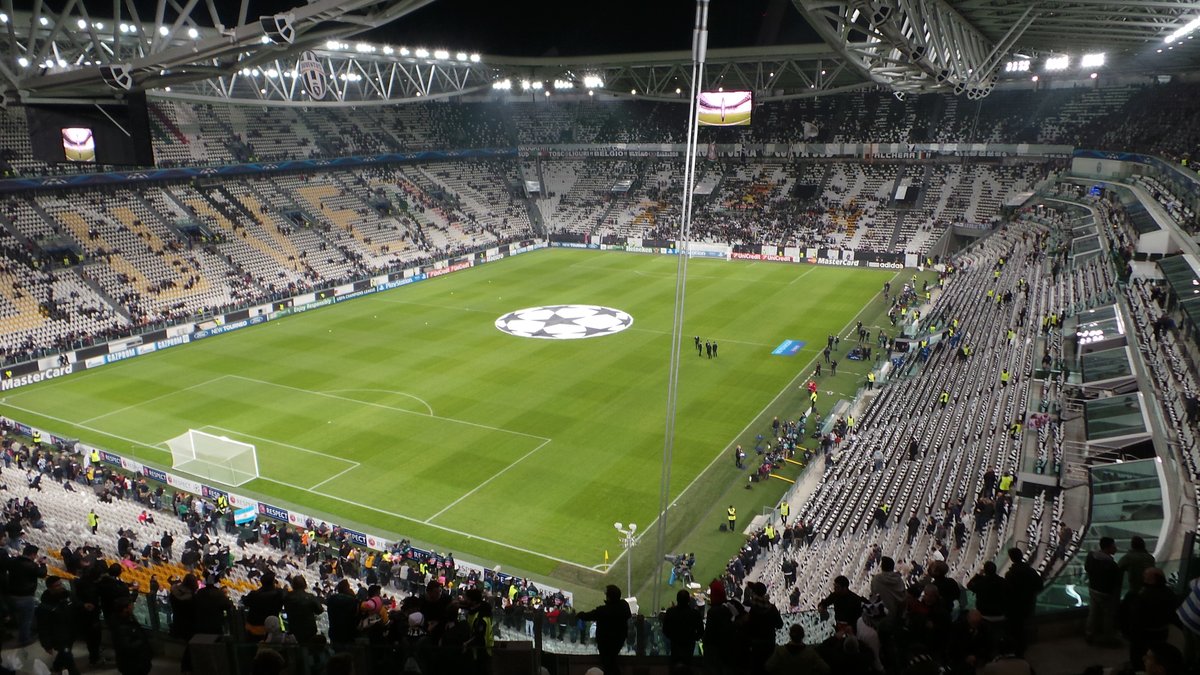
The Allianz Stadium, inaugurated on September 8, 2011, is Juventus’s home stadium in Turin, built on the site of the old Stadio delle Alpi. With a capacity of over 41,500 seats and eco-friendly postmodern architecture, it offers a unique experience between sports and entertainment. You can visit the Juventus Museum, take the Stadium Tour, attend concerts by major artists, and much more.
● Stadium Tour: visit locker rooms, tunnel, and VIP areas with multilingual audio guide.
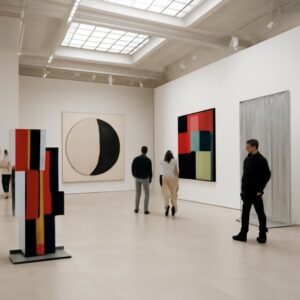
● Juventus Museum: 1,500 sqm of Bianconeri history with memorabilia and interactive installations.
● Concerts: artists like Tiziano Ferro, Max Pezzali, Modà, and Eros Ramazzotti.
● Sustainability: world’s first eco-friendly stadium, with ISO 14001 certification.
Introduction: The Black and White Temple
Entering the Allianz Stadium is an experience that grabs you immediately. The stands are very close to the pitch – just 7.5 meters – and the atmosphere is electric, almost like the mythical English stadiums. Everything is modern, clean, designed to make you feel part of the show. In Turin, in the Vallette district, this facility is not just football: it’s a multifunctional center open every day, with a museum, restaurants, and shops. The first time you set foot in it, you are struck by its compactness and the feeling of being inside a hi-tech arena.
Introduction: The Black and White Temple
Entering the Allianz Stadium is an experience that grabs you immediately. The stands are very close to the pitch – just 7.5 meters – and the atmosphere is electric, almost like the mythical English stadiums. Everything is modern, clean, designed to make you feel part of the show. In Turin, in the Vallette district, this facility is not just football: it’s a multifunctional center open every day, with a museum, restaurants, and shops. The first time you set foot in it, you are struck by its compactness and the feeling of being inside a hi-tech arena.
A Brief History: From the Delle Alpi to the Allianz Jewel
Before 2011, Juventus played at the old Stadio delle Alpi, an expensive and unloved venue. In 2002, the club obtained a 99-year surface right from the municipality. Demolition took place in 2008, followed by construction: €155 million and 2 years of work. Inaugurated on September 8, 2011, with a friendly match against Notts County, it has been called the Allianz Stadium since 2017 thanks to a naming rights agreement with Allianz, renewed through 2030. Here is the timeline:
- 2002: right of surface granted to Juventus
- November 2008: demolition of Delle Alpi begins
- July 2009: construction starts
- September 2011: inauguration
- July 2017: naming as Allianz Stadium
A Brief History: From the Delle Alpi to the Allianz Jewel
Before 2011, Juventus played at the old Stadio delle Alpi, an expensive and unloved venue. In 2002, the club obtained a 99-year surface right from the municipality. Demolition took place in 2008, followed by construction: €155 million and 2 years of work. Inaugurated on September 8, 2011, with a friendly match against Notts County, it has been called the Allianz Stadium since 2017 thanks to a naming rights agreement with Allianz, renewed through 2030. Here is the timeline:
- 2002: right of surface granted to Juventus
- November 2008: demolition of Delle Alpi begins
- July 2009: construction starts
- September 2011: inauguration
- July 2017: naming as Allianz Stadium
Architecture and Sustainability
Designed by GAU and Shesa studios, the Allianz Stadium is an example of postmodern design with a suspended roof supported by two 86-meter-high pylons. It is Italy’s first eco-friendly stadium: materials from the old Delle Alpi were 100% recycled (saving €2.3 million), energy comes from renewable sources with photovoltaic panels, and there is a rainwater collection system. The grass is a GrassMaster hybrid, and the stands are barrier-free. A gem of efficiency that has obtained ISO 14001 certification.
Architecture and Sustainability
Designed by GAU and Shesa studios, the Allianz Stadium is an example of postmodern design with a suspended roof supported by two 86-meter-high pylons. It is Italy’s first eco-friendly stadium: materials from the old Delle Alpi were 100% recycled (saving €2.3 million), energy comes from renewable sources with photovoltaic panels, and there is a rainwater collection system. The grass is a GrassMaster hybrid, and the stands are barrier-free. A gem of efficiency that has obtained ISO 14001 certification.
Beyond Football: Museum, Tour, and Services
The Allianz Stadium is not just for match days. The Juventus Museum, opened in 2012, is an interactive journey across 1,500 sqm that tells the story of the club and Italian football, with trophies, jerseys, and memorabilia. The Stadium Tour takes you into the dressing rooms, the tunnel, the VIP stands, and onto the pitch. And then there’s the Walk of Stars, a Walk of Fame with 50 stars for the great champions, plus 39 in memory of the Heysel victims. Just steps away are the J-Medical, the megastores, and Area12. Open every day, it’s a hub that lives 7 days a week.
Beyond Football: Museum, Tour, and Services
The Allianz Stadium is not just for match days. The Juventus Museum, opened in 2012, is an interactive journey across 1,500 sqm that tells the story of the club and Italian football, with trophies, jerseys, and memorabilia. The Stadium Tour takes you into the dressing rooms, the tunnel, the VIP stands, and onto the pitch. And then there’s the Walk of Stars, a Walk of Fame with 50 stars for the great champions, plus 39 in memory of the Heysel victims. Just steps away are the J-Medical, the megastores, and Area12. Open every day, it’s a hub that lives 7 days a week.
Why Visit It
Three good reasons to add the Allianz Stadium to your Turin itinerary. First: the spine-tingling atmosphere. Sitting in a section just 7.5 meters from the pitch, hearing the sound of studs and the chant from the curva is a unique experience, even without a match (the tour lets you imagine it). Second: the Museum. It’s not just a trophy room, but an emotional journey with videos, installations, and memorabilia that captivate even non-Juventus fans. Third: sustainability. Knowing you’re in a stadium with almost zero impact, using recycled materials and clean energy, makes the visit even better.
Why Visit It
Three good reasons to add the Allianz Stadium to your Turin itinerary. First: the spine-tingling atmosphere. Sitting in a section just 7.5 meters from the pitch, hearing the sound of studs and the chant from the curva is a unique experience, even without a match (the tour lets you imagine it). Second: the Museum. It’s not just a trophy room, but an emotional journey with videos, installations, and memorabilia that captivate even non-Juventus fans. Third: sustainability. Knowing you’re in a stadium with almost zero impact, using recycled materials and clean energy, makes the visit even better.
When to Go
If you’re a football fan, the perfect day is a home match: Sunday afternoon or Wednesday evening in the Champions League. The roar of 40,000 fans is unforgettable. If you prefer a quiet visit, choose a weekday morning when the museum and tour are less crowded. Spring and autumn are ideal for exploring the area, with mild temperatures. In summer, musical events (Modà, Tiziano Ferro) turn the stadium into an open-air arena.
When to Go
If you’re a football fan, the perfect day is a home match: Sunday afternoon or Wednesday evening in the Champions League. The roar of 40,000 fans is unforgettable. If you prefer a quiet visit, choose a weekday morning when the museum and tour are less crowded. Spring and autumn are ideal for exploring the area, with mild temperatures. In summer, musical events (Modà, Tiziano Ferro) turn the stadium into an open-air arena.
In the Surroundings
Just steps from the stadium, don’t miss the Reggia di Venaria Reale, a splendid Savoy residence and UNESCO World Heritage site, with its gardens and the Galleria Grande. Or, for a walk in nature, the Parco della Mandria surrounds the Reggia with woods and trails for biking and hiking. If you have time, the J-Village is also worth a visit: hotel, training center, and restaurants. Everything within easy reach, in a triangle of football, history, and greenery.
In the Surroundings
Just steps from the stadium, don’t miss the Reggia di Venaria Reale, a splendid Savoy residence and UNESCO World Heritage site, with its gardens and the Galleria Grande. Or, for a walk in nature, the Parco della Mandria surrounds the Reggia with woods and trails for biking and hiking. If you have time, the J-Village is also worth a visit: hotel, training center, and restaurants. Everything within easy reach, in a triangle of football, history, and greenery.