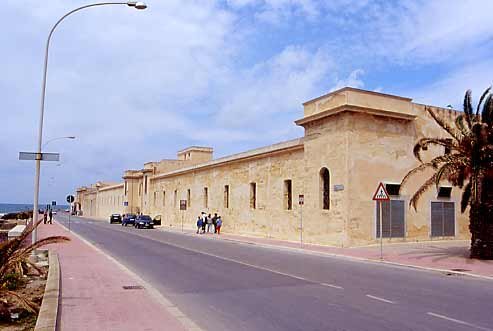
The Baglio Anselmi Archaeological Museum in Marsala safeguards a perfectly preserved 3rd century BC Punic shipwreck, discovered in the sea off Marsala. The exhibition is accessible and engaging, with clear explanations that won’t bore even the less experienced. The museum is small and focused, ideal for a one- or two-hour visit during a tour of salt pans and wineries.
- 3rd century BC Carthaginian warship wreck, approximately 35 meters long
- Hull, anchors, and onboard objects visible up close
- Clear and well-organized exhibition with explanatory panels
- Historic building: renovated 19th-century former wine production facility
Introduction
Stepping into the Baglio Anselmi Archaeological Museum in Marsala is like taking a leap back in time, but not in the boring way you might expect from a museum. You find yourself face-to-face with a perfectly preserved Punic shipwreck from the 3rd century BC that leaves you breathless. It’s not just an old piece of wood: it’s a story of battles, trade, and human lives intertwining across the Mediterranean. The atmosphere is quiet, almost sacred, and those remains still seem to whisper tales. For me, seeing that fragile yet resilient structure was thrilling, as if the past were murmuring in your ear. If you love archaeology or simply want to understand more about ancient Sicily, this place is a must. It may not be as grand as other museums, but it has a unique soul that captures you instantly.
Historical Background
The history of this museum revolves around a Punic ship, likely sunk during the First Punic War between Rome and Carthage.
Built in the 3rd century BC, the ship carried amphorae and goods, showcasing trade exchanges in the ancient Mediterranean. Accidentally discovered in 1971 near the Egadi Islands, it was recovered through meticulous work that took years. Today, the Baglio Anselmi – a former winery – houses it in a controlled environment, protecting it from humidity. I was struck by how an industrial site transformed into a guardian of history, almost a second life for both. The timeline below gives you a clear overview of key moments without excessive encyclopedic details.
- 3rd century BC: Construction and use of the Punic ship during the wars between Rome and Carthage.
- 1971: Discovery of the wreck off Marsala, near the Egadi Islands.
- 1970s-1980s: Recovery and restoration of the wreck, with in-depth studies of materials.
- 1986: Opening of the Baglio Anselmi Archaeological Museum to display the ship and other artifacts.
- Today: The museum continues to be a reference point for underwater archaeology in Sicily.
The Wreck That Speaks
The most fascinating thing here isn’t just seeing the wreck, but understanding how it was built and what it tells us. The Punic ship is about 35 meters long, with an oak and pine wooden hull, and shows signs of ancient repairs – proof that it was used intensively. Looking closely, you can see holes for ropes and traces of cargo, like amphorae for wine and grain. For me, it was surprising to think that this wood sailed for centuries, surviving battles and tides. The museum explains everything with clear panels, without too much technical jargon, and at times I stopped to imagine life on board. It’s not a static exhibit: it almost seems like the ship is still breathing, and perhaps that’s why it attracts so many enthusiasts. If you like concrete detail, here you’ll find stories that books often skip.
The Atmosphere of the Baglio
The museum is not just the wreck: it’s the entire context of Baglio Anselmi that makes the visit special. The building is a former 19th-century winery, with stone arches and large halls that recall Marsala’s wine tradition. Walking through these walls gives a sense of continuity – from wine production to the preservation of history. I noticed how light filters through the high windows, creating plays of shadow on the ancient wood, and the air is cool, perfect for a break from the Sicilian heat. Sometimes, I wondered if the workers of the past would have imagined this change of use, and perhaps it’s precisely this layering that makes the place authentic. It’s not a sterile museum: it has character, and you can feel it. I recommend getting a bit lost in the side rooms, where there are minor but equally interesting artifacts, such as ceramics and coins.
Why Visit It
Visiting the Baglio Anselmi Museum is worthwhile for at least three practical reasons. First, it’s one of the few places in the world where you can see such a well-preserved Punic shipwreck – not an everyday occurrence, and it offers a unique perspective on naval history. Second, the exhibition is accessible and engaging, with explanations that don’t bore even the less experienced: I, who am not an archaeologist, understood everything effortlessly. Third, the museum is small and focused, so you can see it in an hour or two without tiring yourself, ideal if you have little time or are passing through Marsala. Plus, the ticket costs little, and there are often temporary exhibitions that enrich the experience. For me, it was a well-spent investment of time because I learned something concrete without feeling overwhelmed.
When to Go
The best time to visit the museum? In the early afternoon, when the sunlight gently streams through the windows and illuminates the wreck in a suggestive way. Avoid peak summer hours, as it can get crowded with tourist groups, and you’ll miss that intimate atmosphere that makes the place special. I visited in September, and the autumn calm made everything more pleasant – without too many people, I could observe every detail at leisure. If you go in winter, take advantage of milder days: the museum is indoors, but the outdoor area of the baglio is still pleasant for a stroll. In general, choose a time when you can take your time, because rushing doesn’t pay off here: it’s worth lingering over those silent remains.
In the Surroundings
After the museum, explore the surroundings to enrich your day. Just a short walk away is the Marsala Salt Pans, where you can stroll among water basins and windmills, with evocative views of the sea and salt production—a natural experience that complements the area’s history. Alternatively, head to Mozia Island, reachable by boat from Marsala, an ancient Phoenician settlement with excavations and a museum that perfectly dialogue with the Baglio Anselmi Museum. I did both in one day, and it felt like following a red thread between archaeology and landscape. These places aren’t far away, and they give you a broader view of this story-rich area. If you’re in the mood for something lighter, a stop at a local winery to taste Marsala wine is always a good idea.