Castello del Catajo: Renaissance Frescoes and Monumental Gardens in Battaglia Terme

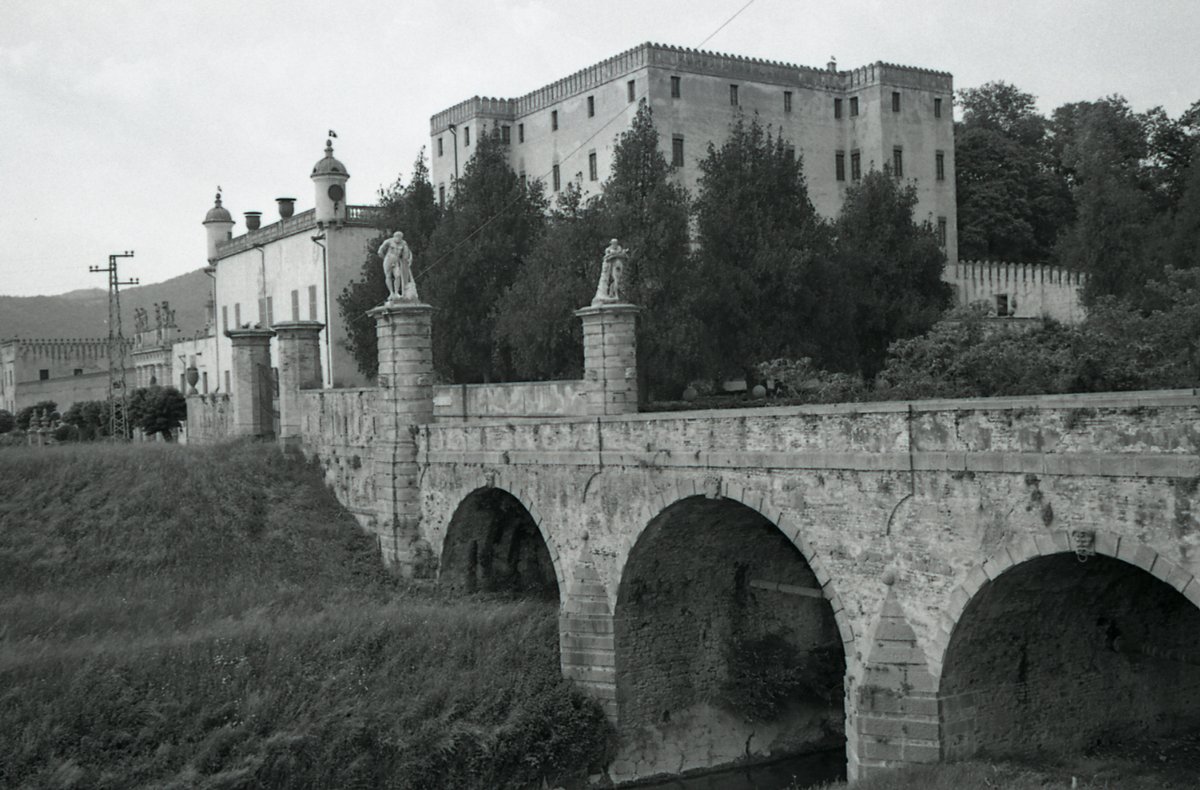
Castello del Catajo in Battaglia Terme is a 16th-century Renaissance residence with frescoes depicting the deeds of the Obizzi family and monumental Italian-style gardens. Just minutes from Padua, it offers an immersive experience in history and art without crowded queues.

  • Renaissance frescoes by Giovanni Battista Zelotti in the Sala delle Gesta
  • Italian gardens with fountains, mythological statues, and terraces
  • Guided tour revealing stories of the former owners and architectural details
  • Strategic location near Padua, ideal for day trips


Events nearby


Copertina itinerario Castello del Catajo: Renaissance Frescoes and Monumental Gardens in Battaglia Terme
A 16th-century Renaissance residence with frescoes by Giovanni Battista Zelotti and Italian-style terraced gardens. Guided tour to discover the history of the Obizzi family near Padua.

Good to know


Introduction

Upon arriving in Battaglia Terme, the Castello del Catajo welcomes you with a fairytale-like setting. It’s not just a castle, but a visual experience that catapults you into the Renaissance. Its imposing architecture and monumental gardens make you feel like you’re in a small Paduan Versailles, far from the city’s hustle and bustle. Strolling through its walls, you breathe in history and art, with frescoes that tell stories of nobles and battles. It’s the perfect place for those seeking total immersion in beauty, without having to travel far from Padua. Here, every corner hides a detail to discover, from the monumental staircases to the fountains nestled among the greenery.

Historical Background

The Catajo Castle was built in the 16th century at the behest of the Obizzi family, nobles of French origin. Initially conceived as a country villa, it soon transformed into a fortified residence, enriched with fresco cycles celebrating the family’s deeds. In the 18th century, it passed to the Habsburg-Este family, who turned it into a hunting lodge, adding Baroque elements. Today, it is privately owned but open to the public, preserving the timeless charm of its past. Its history is a tapestry of power, art, and courtly life, visible in every room.

  • Around 1550: Construction begins for the Obizzi Counts
  • 1570-1573: Creation of the frescoes in the Sala delle Gestà
  • 1805: Transfer to the Habsburg-Este family
  • 1929: Declared a national monument
  • Today: Open for visits and events

The Talking Frescoes

Entering the halls of the Castello del Catajo means walking into an illustrated history book. The frescoes by Giovanni Battista Zelotti, a pupil of Paolo Veronese, are the beating heart of this place. In the Sala delle Gestà, the walls come alive with epic scenes depicting the military exploits of the Obizzi family, such as the Battle of Lepanto. The vibrant colors and meticulous details transport you directly to the sixteenth century, showcasing not only artistic skill but also precise family propaganda. Each figure tells a story, from knights in armor to ladies in lavish attire, making the visit a uniquely immersive experience.

Dream Gardens

The gardens of Castello del Catajo are a masterpiece of green architecture worth a leisurely stroll. Designed in Italian style, they unfold across terraces connected by monumental staircases, with fountains, mythological statues, and boxwood hedges creating perspective games. Here you’ll find quiet corners perfect for a break, such as the secret garden with aromatic plants or the tree-lined avenue leading to the fishpond. In spring, rose and camellia blooms add a touch of color, while in summer the shade of ancient trees offers refreshment. It’s an ideal spot for photographs or simply to enjoy a moment of peace, away from the noise.

Why Visit It

Visiting Castello del Catajo is worthwhile for at least three concrete reasons. First, the frescoes are among the best preserved in the Veneto region, offering a journey into Renaissance art without having to face queues in crowded museums. Second, the gardens are accessible and perfect for a relaxing outing, with open spaces that children also enjoy. Third, the location is convenient: just a few minutes from Padua, it easily pairs with other visits in the area, such as the Terme di Battaglia or the Euganean Hills. Additionally, it often hosts events like concerts or temporary exhibitions, adding another reason to return.

When to Go

The best time to visit Catajo Castle is early morning or late afternoon, when the slanting light enhances the colors of the frescoes and the gardens are less crowded. In spring and autumn, the mild climate makes the outdoor walk pleasant, with leaves changing hues. Avoid days of heavy rain if you want to explore the gardens, but the interior rooms are always welcoming. During summer, check the opening hours to avoid the hottest hours, and take advantage of evenings with special events, when the castle lights up creating a magical atmosphere.

In the Surroundings

After visiting the Catajo Castle, explore the surroundings of Battaglia Terme to enrich your day. Just a short walk away, you’ll find the Battaglia Terme, a historic complex where you can relax in thermal waters, perfect for a moment of wellness. If you love nature, head to the Euganean Hills for a walk among vineyards and trails, perhaps stopping at a winery to taste local wines like Moscato. Another idea is to visit the Museum of River Navigation, which tells the story of boatmen and the Battaglia Canal, adding a touch of tradition to your outing.

Itineraries nearby


💡 Did You Know…?

One of the most fascinating aspects of Castello del Catajo is its armory hall, which houses a collection of perfectly preserved ancient armor and weapons. But the real highlight is the legend of the ghost of Beatrice Obizzi, said to still wander the rooms. During the visit, ask about the Renaissance bathroom, a true luxury for the time, with an advanced hydraulic system. And don’t miss the secret garden, accessible only through a hidden passage, where the nobles retreated for moments of peace.