
The Trieste Civic Botanical Garden is a green lung in the Chiadino district, perfect for a relaxing break. With free admission, it offers a journey among rare plants, lotus flowers, and unusual paths. Highlights:
– 12 thematic zones such as the Garden of Simples and Shakespearean Walks.
– Garden of Poisons: a path dedicated to toxic plants.
– Geopaleontological Path with fossils from the Karst.
– Family activities and the “Invasati” market in spring.
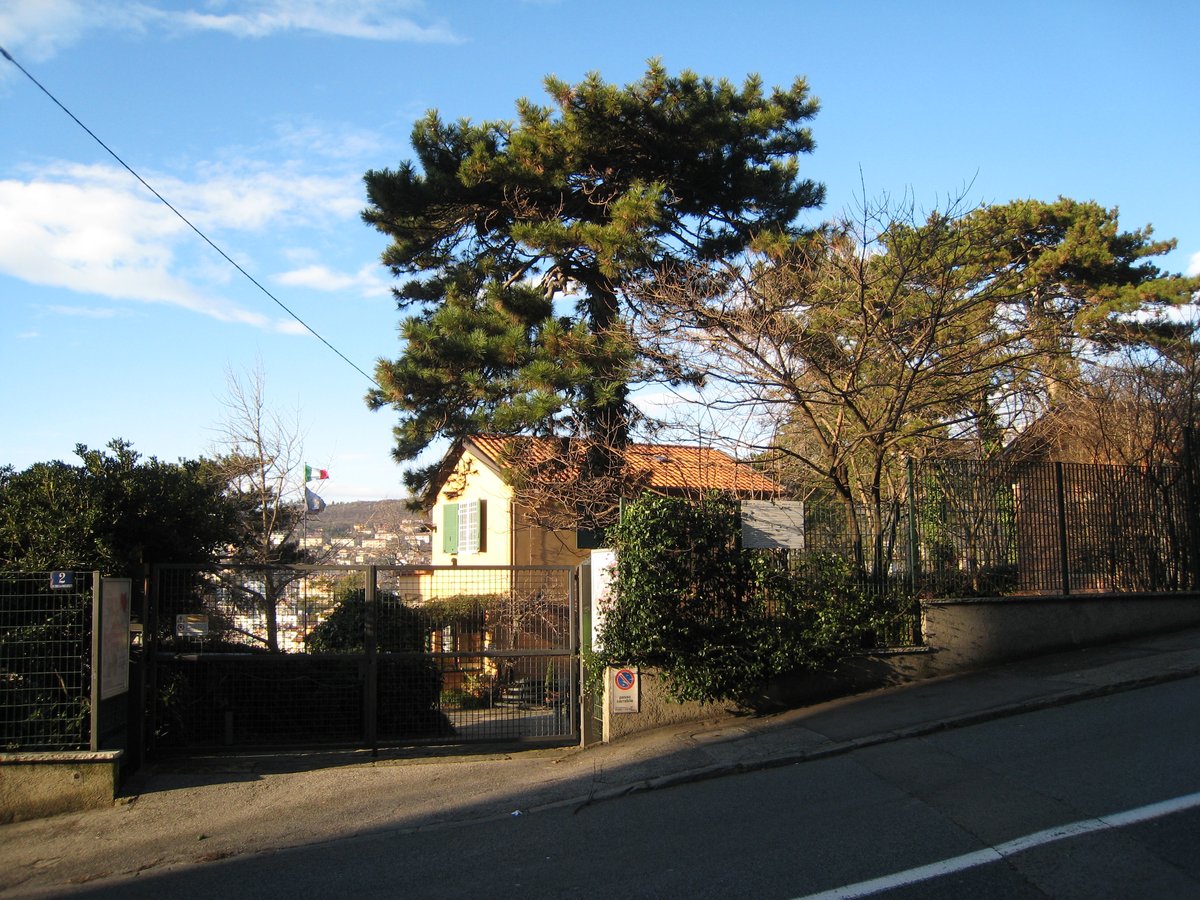
Founded in 1842, the Trieste Civic Botanical Garden is a free historic garden with 12 thematic areas, including the Garden of Poisons and the Geopaleontological Path. Open from April to October.
- Via Carlo De Marchesetti 2, Trieste (TS)
- Open in Google Maps
- View on Google Images Civico Orto Botanico a Trieste
Good to know
Introduction
Right in the heart of the Chiadino district, just a stone’s throw from Trieste’s center, lies a place that feels like it’s from another era. The Civico Orto Botanico is a green urban oasis, a historic free garden that welcomes you with terraces, paths, and hidden corners. Founded in 1842, it now spans 90 hectares of biodiversity, with rare plants and unusual trails. If you’re looking for a break from the city chaos, here you’ll find peace and wonder.
Introduction
Right in the heart of the Chiadino district, just a stone’s throw from Trieste’s center, lies a place that feels like it’s from another era. The Civico Orto Botanico is a green urban oasis, a historic free garden that welcomes you with terraces, paths, and hidden corners. Founded in 1842, it now spans 90 hectares of biodiversity, with rare plants and unusual trails. If you’re looking for a break from the city chaos, here you’ll find peace and wonder.
Historical Background
The garden was established in 1842 as an experiment to reforest the Karst with Austrian black pine, commissioned by the Municipality and entrusted to botanist Bartolomeo Biasoletto. In 1861 Muzio de’ Tommasini, mayor and botanist, expanded it with species from the Julian Alps, Istria, and Dalmatia. Under Carlo de Marchesetti the garden reached its maximum expansion, defining the current layout. Closed in 1986 due to lack of resources, it was partially reopened in 2001. Today it is part of the Civic Museums of Natural History and continues its mission between research and education.
- 1842 – Foundation and first black pine plantings
- 1861 – Expansion with new species
- 1903 – Annexation to the Natural History Museum
- 1986 – Closure to the public
- 2001 – Partial reopening
Historical Background
The garden was established in 1842 as an experiment to reforest the Karst with Austrian black pine, commissioned by the Municipality and entrusted to botanist Bartolomeo Biasoletto. In 1861 Muzio de’ Tommasini, mayor and botanist, expanded it with species from the Julian Alps, Istria, and Dalmatia. Under Carlo de Marchesetti the garden reached its maximum expansion, defining the current layout. Closed in 1986 due to lack of resources, it was partially reopened in 2001. Today it is part of the Civic Museums of Natural History and continues its mission between research and education.
- 1842 – Foundation and first black pine plantings
- 1861 – Expansion with new species
- 1903 – Annexation to the Natural History Museum
- 1986 – Closure to the public
- 2001 – Partial reopening
The 12 Themed Areas
Walking here means crossing 12 different areas all waiting to be discovered. The Garden of Simples collects medicinal plants, the Garden of Poisons displays toxic species with scientific explanations – not to be missed by the curious. The Geopaleontological Path shows rocks and fossils from the Karst in chronological order. There is also the Florilegium of Magical Plants, with flowerbeds of esoteric meaning, and the Formal Garden with box hedges. Each area is a journey into botany between science and suggestion.
The 12 Themed Areas
Walking here means crossing 12 different areas all waiting to be discovered. The Garden of Simples collects medicinal plants, the Garden of Poisons displays toxic species with scientific explanations – not to be missed by the curious. The Geopaleontological Path shows rocks and fossils from the Karst in chronological order. There is also the Florilegium of Magical Plants, with flowerbeds of esoteric meaning, and the Formal Garden with box hedges. Each area is a journey into botany between science and suggestion.
A garden for everyone: events and activities
It’s not just an open-air museum. The garden organizes guided tours and educational activities by reservation (info: CoopCulture). Every second Sunday of April, May, June, and September there is the market “Invasati, tutti pazzi per i fiori”, with plants, seeds, and bulbs to buy or swap. There is also the “Progetto Nidi” by WWF, with nests for birds and bats, perfect for birdwatching. And if you’re lucky, catch one of the mathematical walks with educational notebooks.
A garden for everyone: events and activities
It’s not just an open-air museum. The garden organizes guided tours and educational activities by reservation (info: CoopCulture). Every second Sunday of April, May, June, and September there is the market “Invasati, tutti pazzi per i fiori”, with plants, seeds, and bulbs to buy or swap. There is also the “Progetto Nidi” by WWF, with nests for birds and bats, perfect for birdwatching. And if you’re lucky, catch one of the mathematical walks with educational notebooks.
Why Visit
Three good reasons: first, it’s free and open to all, including people with disabilities. Second, it’s a concentration of biodiversity: collections of wild, medicinal, ornamental, and rare plants, plus a path featuring lotus flowers (in full bloom July-August). Third, it’s a living laboratory: it participates in the Germplasm Bank and publishes the Index Seminum for seed exchange with other gardens. A place that combines science and relaxation.
Why Visit
Three good reasons: first, it’s free and open to all, including people with disabilities. Second, it’s a concentration of biodiversity: collections of wild, medicinal, ornamental, and rare plants, plus a path featuring lotus flowers (in full bloom July-August). Third, it’s a living laboratory: it participates in the Germplasm Bank and publishes the Index Seminum for seed exchange with other gardens. A place that combines science and relaxation.
When to Go
I recommend spring, when bulbs, peonies, and irises bloom, and the weather is mild – perfect for strolling among the flowerbeds. If you enjoy a slightly gothic atmosphere, the Garden of Poisons is also fascinating in autumn, amid the warm colors of the leaves. Lotus flowers peak in July and August, but the garden is only open Friday-Sunday, so plan accordingly. Avoid Mondays and rainy days because the paths are unpaved.
When to Go
I recommend spring, when bulbs, peonies, and irises bloom, and the weather is mild – perfect for strolling among the flowerbeds. If you enjoy a slightly gothic atmosphere, the Garden of Poisons is also fascinating in autumn, amid the warm colors of the leaves. Lotus flowers peak in July and August, but the garden is only open Friday-Sunday, so plan accordingly. Avoid Mondays and rainy days because the paths are unpaved.
In the Vicinity
After leaving the garden, take a stroll through the adjacent Biasoletto Forest, a 90-hectare nature reserve with ancient trees and shady paths. If you’re up for a longer walk, continue to Farneto Forest, connected by marked trails. Alternatively, Trieste’s city center is just a few minutes away by bus (lines 25 or 26): you could combine your visit with a trip to the Museum of Natural History, which manages the garden, or simply lose yourself among the historic cafes of Piazza Unità.
In the Vicinity
After leaving the garden, take a stroll through the adjacent Biasoletto Forest, a 90-hectare nature reserve with ancient trees and shady paths. If you’re up for a longer walk, continue to Farneto Forest, connected by marked trails. Alternatively, Trieste’s city center is just a few minutes away by bus (lines 25 or 26): you could combine your visit with a trip to the Museum of Natural History, which manages the garden, or simply lose yourself among the historic cafes of Piazza Unità.
Itineraries nearby


💡 Did You Know…?
A fun fact: the garden publishes the Index Seminum each year, a catalog of seeds to exchange with other botanical gardens. Additionally, the WWF’s Nest Project has installed bird and bat boxes, making the garden a true biodiversity sanctuary.