Clitunno Temple: 7th-century Paleochristian frescoes and UNESCO site

The Clitunno Temple in Pissignano is a 7th-century paleochristian oratory, a UNESCO World Heritage site, blending Roman architecture and Christian art in an isolated, tranquil location. Access is generally free, but it’s advisable to check availability. Ideal for a stop during an itinerary between Spoleto, Trevi, or Foligno.

  • Early medieval frescoes among the oldest in Umbria, depicting Christ among angels and saints
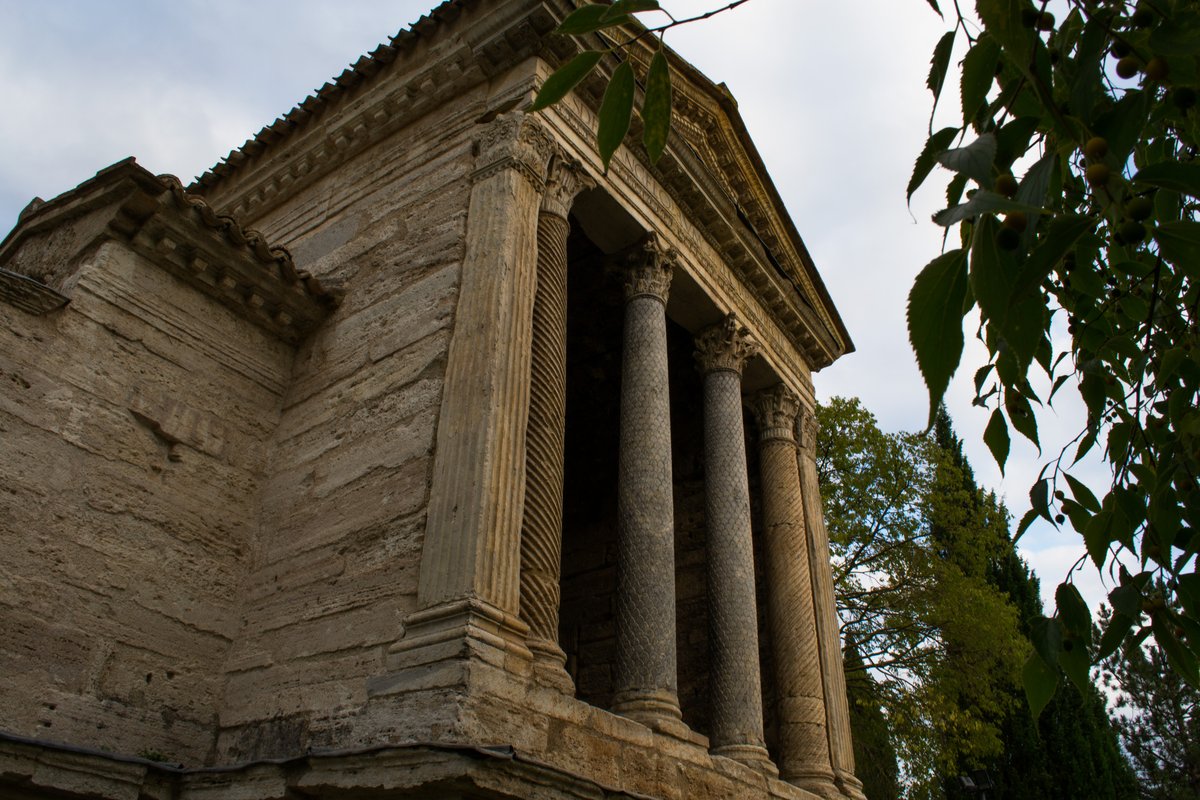
  • Pediment facade with four Roman-era spolia columns
  • Unique atmosphere of peace and contemplation, away from mass tourism
  • Site included in the UNESCO list as part of ‘The Longobards in Italy: Places of Power’
Copertina itinerario Clitunno Temple: 7th-century Paleochristian frescoes and UNESCO site
Clitunno Temple in Pissignano, a 7th-century paleochristian oratory with early medieval frescoes and a Roman column facade. UNESCO heritage, free access, peaceful atmosphere among the Umbrian hills.

Good to know


Introduction

Arriving at the Tempietto del Clitunno is like discovering a secret. You don’t expect this small Paleochristian jewel, nestled among the green Umbrian hills, almost hidden. It seems to have come straight out of an art history book, yet it’s there, real and touching. Its simple elegance, with those ancient columns and the façade reminiscent of a miniature Roman temple, strikes you immediately. It’s not grandiose, but it has an aura of sacredness and history that you can feel in the tranquil air of Pissignano. A place that speaks without needing to shout, perfect for those seeking something authentic, away from the crowds.

Historical Notes

This small temple is a true architectural mystery. Likely built in the 7th century AD, it incorporates materials from the Roman era, possibly from an earlier shrine dedicated to the god Clitumnus. It’s not a large church but an oratory, an intimate place of prayer. The fascinating aspect is that it resembles a classical temple, yet inside it preserves Paleo-Christian frescoes—a unique blend. It has been studied for centuries, even by artists like Palladio. In 2011, it was added to the UNESCO list as part of ‘Longobards in Italy: Places of Power’, though its attribution to the Longobards is debated. Its history is one of reuse and adaptation, making it even more intriguing.

  • 7th century AD: Probable construction as a Christian oratory
  • Subsequent centuries: Various restorations and modifications, used as a rural chapel
  • 2011: Inclusion in the UNESCO World Heritage List

Architecture That Tells a Story

What strikes you is not the size, but the details. The pedimented facade with four columns looks like it’s taken from a Roman temple, and indeed the columns are spolia, reclaimed from older buildings. Inside, the interior is small, almost intimate. The vaulted ceiling and side niches create a cozy atmosphere. But the real treasure is the apse frescoes, even if somewhat faded by time. They depict Christ blessing among angels and are among the few examples of early medieval painting in Umbria. Notice the Latin inscriptions on the walls, which add a touch of mystery. It’s a place where every element, from the stone to the muted colors, tells a story of continuity between the pagan and Christian worlds.

The Atmosphere of the Place

Visiting the Tempietto is not just about art. It’s an experience of peace. The site is isolated, surrounded by olive trees and a green meadow. There is no noise, only the wind through the leaves and perhaps the song of a bird. It allows you to imagine how it must have been in past centuries, a spiritual refuge along an important road. Sometimes you have the feeling of being in a place forgotten by time, and perhaps that is precisely its charm. Don’t expect services or kiosks: you come here for the silence and the discreet beauty. Personally, I like to sit for a moment on the meadow in front, letting the atmosphere envelop me. It’s one of those places that stays with you, more for what it conveys than for what it shows.

Why Visit It

Three concrete reasons not to miss it. First: it is one of the best-preserved Paleo-Christian monuments in Italy, a rare example of architecture blending Roman and Christian elements. Second: the atmosphere is unique, away from mass tourism; you can enjoy it peacefully, almost alone. Third: it is a UNESCO site, but without the queues or chaos of other famous places. Plus, it’s an excellent opportunity to delve into the history of early medieval Umbria, often overlooked. If you love ancient art and places rich in history without being overwhelming, this is perfect. And let’s face it, it always impresses to say you’ve seen a 7th-century gem!

When to go

The best time? Early morning or late afternoon, when the slanting light illuminates the stone facade, creating shadow plays that highlight architectural details. Avoid midday hours when the sun is too harsh and robs the magic. As for the season, spring and autumn are ideal: the surrounding hills are green or colorful, and the climate is mild. Winter can be evocative with a bit of fog, but check opening hours as it may close earlier. Summer is fine, but be prepared for the heat. In short, choose a quiet moment, and you’ll find the experience more intense.

In the Surroundings

Your visit to the Tempietto can be combined with other experiences in the area. Just a short drive away is Spoleto, with its Cathedral, the Ponte delle Torri, and the summer festival, perfect for a bit of culture and city life. Alternatively, if you want to stay on the theme of water and nature, the famous Fonti del Clitunno are nearby: a park with natural springs and lush vegetation, celebrated even by Roman poets. It’s a beautiful contrast between history and nature. And if you’re hungry, you’ll find trattorias in the area serving genuine Umbrian products, such as lentils or cured meats. This way, you can enrich your day without having to travel far.

💡 Did You Know…?

The real magic lies in the details. Look closely at the frescoes: the inscriptions in Greek and Latin testify to the cultural complexity of the Longobard era. According to some local sources, the structure incorporates spolia from a pre-existing Roman temple dedicated to the god Clitunno. The place is linked to a legend: it is said that the waters of the nearby Clitunno Springs, now a natural park, had the power to turn white the oxen destined for sacrifices. Poets such as Virgil and Carducci also sang of its beauty. Therefore, the visit is not just to a monument, but to a place rich in history, art, and literary suggestions that has fascinated for centuries.