
Uzzo Cave is a unique prehistoric site in the Zingaro Nature Reserve, perched above the sea between Scopello and San Vito Lo Capo. Reachable with a 30-minute easy trail walk, it offers an experience combining archaeology, coastal trekking, and breathtaking landscapes.
- Archaeological finds from the Paleolithic to Neolithic periods, including a 9,000-year-old double burial
- Clifftop location with panoramic coastal views and access to pristine coves
- Easy coastal trail through Mediterranean scrubland, suitable for families
- Spacious and accessible cave showing excavation traces and a historical atmosphere
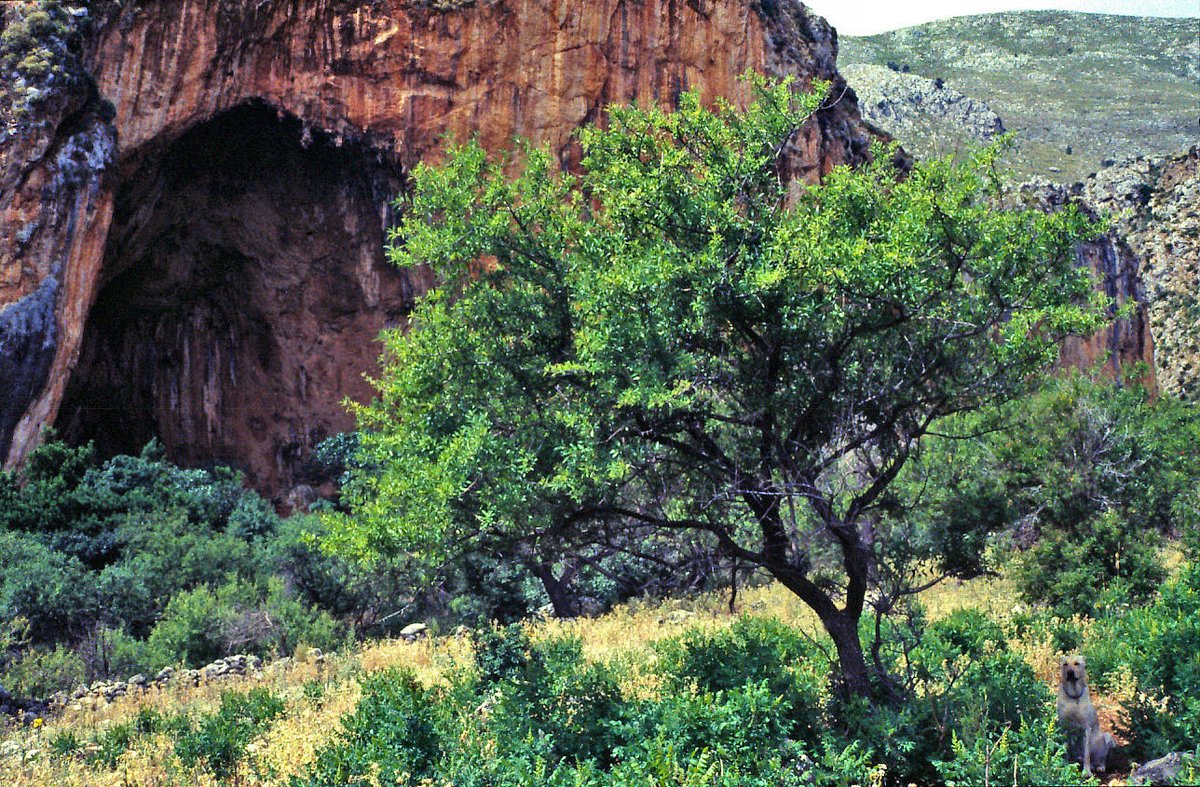
Uzzo Cave in the Zingaro Reserve: Archaeological site with 10,000-year-old artifacts, accessible via an easy walk from the coastal trail. Breathtaking views of the sea and nearby coves.
- Sentiero di collegamento, Trapani (TP)
- Open in Google Maps
- View on Google Images Grotta dell’Uzzo a Trapani
Good to know
Introduction
Historical Overview
- Around 10,000 years ago: First traces of human presence (Final Epigravettian).
- Mesolithic (around 8,000 years ago): Cave used as a seasonal shelter by hunter-gatherers.
- Neolithic (around 6,000 years ago): Stable settlement, first evidence of agriculture and animal husbandry.
- Bronze Age: Continued use, followed by gradual abandonment.
- 1970s: Systematic archaeological excavations reveal the site’s importance.
The Cave and the Coastal Trail
A (Literal) Dive into Prehistory
Why Visit
When to Go
In the Surroundings
💡 Did You Know…?
The most fascinating feature of the Grotta dell’Uzzo is linked to a double burial discovered by archaeologists: the remains of a man and a woman dating back about 9,000 years, buried together in a fetal position. This find, unique for the period, has provided valuable information about Mesolithic funeral rites. Furthermore, excavations have uncovered remains of fauna now extinct in Sicily, such as the lynx and deer, telling of an environment very different from the present one. The cave was inhabited continuously for millennia, until the Bronze Age, demonstrating its strategic importance as a shelter and observation point.