Caverna delle Arene Candide: The Prehistoric Cave of Finale Ligure with Unique Finds

The Caverna delle Arene Candide, just minutes from Finale Ligure’s center, is a must-see for history and nature enthusiasts. This limestone cave has yielded exceptional prehistoric finds, including the famous burial of the ‘Young Prince.’ Access is permitted only by guided tour with prior reservation, ensuring a safe and informative experience. The path is easy and family-friendly, with a short walk from the road. The most important artifacts are displayed at the Museo Archeologico del Finale in the Finalborgo village.

Unique Paleolithic burials dating back over 20,000 years
Mandatory guided tour with advance booking
Easy path from the road, suitable for children too
Artifacts exhibited at the Museo Archeologico del Finale in Finalborgo

Copertina itinerario Caverna delle Arene Candide: The Prehistoric Cave of Finale Ligure with Unique Finds
The Caverna delle Arene Candide in Finale Ligure is a key archaeological site for Ligurian prehistory, featuring Paleolithic burials and artifacts preserved at the Museo Archeologico del Finale. Guided tours are available by reservation.

Good to know


A Dive into Prehistory

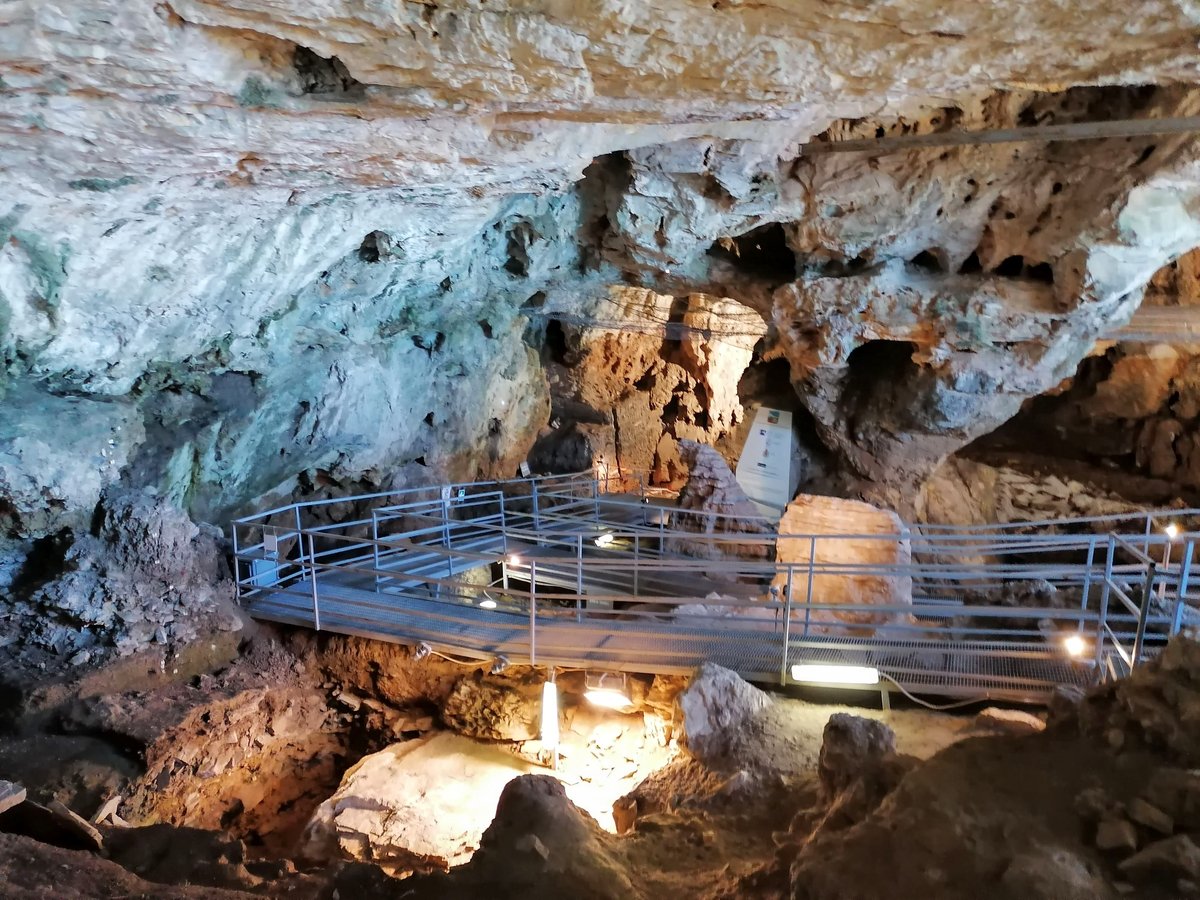
As soon as you arrive at the Caverna delle Arene Candide, you immediately understand you’re in a special place. This isn’t just any cave: the entrance opens onto a sheer rock wall overlooking the sea, with a breathtaking view of Finale Ligure. Inside, the atmosphere is almost sacred. I felt small, thinking that here, millennia ago, Paleolithic people lived and buried their dead. The white sand that gives the cave its name (arene candide, indeed) creates a surreal contrast with the dark rock. It’s not just an archaeological site; it’s an experience that transports you through time. The sensation is like stepping into a living history book, where every corner tells an ancient story. The light filtering through the entrance illuminates the sand in an almost magical way, especially in the early morning hours. I recommend pausing for a moment before entering to absorb the landscape: the blue sea, the rocks, and this opening in the mountain that holds secrets from 30,000 years ago.

Historical Background

The history of the Caverna delle Arene Candide is fascinating and full of discoveries. The first serious excavations began in the 19th century, but it was archaeologist Luigi Bernabò Brea in the 1940s who brought to light the most important finds: Paleolithic burials with grave goods, stone tools, and remains of now-extinct animals. One of the most famous burials is that of the “Young Prince,” a teenager buried with a shell necklace and red ochre—a ritual suggesting an already complex society. The excavations revealed layer upon layer of human occupation, from the Upper Paleolithic to the Bronze Age. Each level tells a different phase: hunting, gathering, early attempts at agriculture. The cave was not just a shelter but a true place of life and worship. Today, many artifacts are at the Museo Archeologico del Finale, but visiting the original site offers a different emotion: you walk on the same stones as prehistoric humans.

  • Upper Paleolithic (around 30,000 years ago): first traces of human occupation
  • 1940-1942: excavations by Luigi Bernabò Brea, discovery of burials
  • 1980s: new investigations confirm the site’s importance
  • Today: site visitable with a guide, artifacts displayed at the Museo del Finale

The Guided Tour: What You Actually See

Visiting the Caverna delle Arene Candide is only possible by reservation and with a guide – and it’s not just a formality, it’s essential. The guide (often a local archaeologist) explains things you would never notice on your own. They show you the exact spots where burials were found, with details about funeral rituals. You can still see the natural niches in the rock that might have served as storage areas. The lighting is designed to avoid damaging the site, but it creates a suggestive atmosphere. What impressed me the most? The explanation of the stratigraphy: the guide points out the different layers of earth and sand, each corresponding to a different era. You understand why this place is so important for Ligurian prehistory. The tour lasts about an hour, but it flies by. I recommend asking questions: the guides are passionate and know how to tell interesting anecdotes, like the discovery of cave bear bones or flint tool making. Don’t expect reconstructions or special effects: here, authenticity is everything.

Itineraries nearby


💡 Did You Know…?

During excavations, the skeleton of a young man from the Upper Paleolithic was discovered, nicknamed the ‘Young Prince’ due to a burial assemblage rich in shells and red ochre. The cave gets its name from the white sand (arene candide) that once covered the entrance, still visible today. The finds, including flint tools and faunal remains, testify to the life of hunter-gatherers in the Finale area.