Iuvanum: Roman Theater Carved into Rock and Italic Sanctuary in Abruzzo

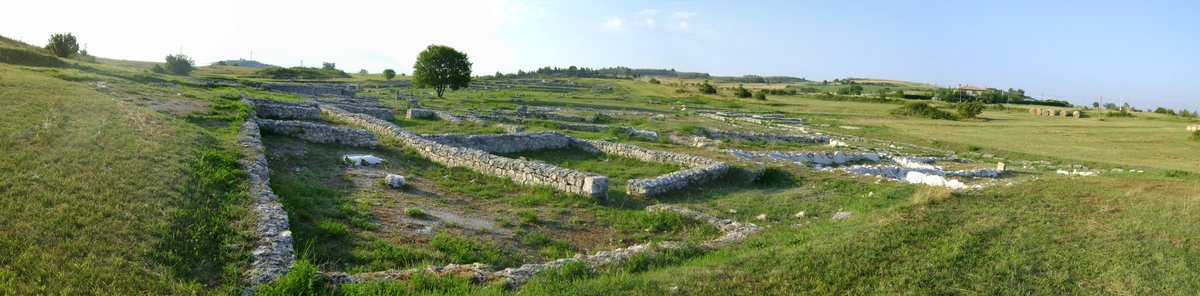
The Iuvanum Archaeological Park preserves the remains of an ancient Italic city of the Samnite Pentri, later a Roman municipality, active from the 4th century BC to the Middle Ages. Located at 1000 meters altitude in the heart of mountainous Abruzzo, it offers an immersive archaeological experience away from the crowds, with explanatory panels detailing the daily life of the ancient inhabitants.

  • Roman theater partially carved into rock with seating tiers overlooking the valley
  • Forum with remains of the basilica, temple, and statue bases
  • Italic sanctuary dedicated to the goddess Juturna with bronze and ceramic votive offerings
  • Breathtaking panorama of the Maiella massif and surrounding valley
Copertina itinerario Iuvanum: Roman Theater Carved into Rock and Italic Sanctuary in Abruzzo
Iuvanum Archaeological Park in Montenerodomo: Roman theater with seating tiers, forum with basilica and temple, Samnite sanctuary dedicated to Juturna. Panoramic view of Maiella at 1000 meters.

Good to know


Introduction

Arriving at Iuvanum is like taking a leap back in time, to a place where history still breathes among the ancient stones. This archaeological park, nestled in the Maiella mountains, welcomes you with a unique atmosphere: silence broken only by the wind whistling through the remains of the theatre and the forum. Walking among these ruins makes you feel part of a distant civilization, that of the Italic peoples, who built a thriving city here. It’s not just an archaeological site, but an emotional experience that connects you to the land of Abruzzo. The mountain landscape frames a hidden treasure, perfect for those seeking authenticity away from the crowds.

Historical Overview

Iuvanum was a major center of the Carricini Samnites, an Italic tribe that built a city here between the 4th and 3rd centuries BC. Conquered by the Romans after the Samnite Wars, it became a Roman municipium, as evidenced by inscriptions found at the site. The settlement was abandoned during the medieval period, but excavation campaigns since the 20th century have uncovered significant structures. The city was organized around the forum, with public and religious buildings that attest to a sophisticated society. Coins and ceramic artifacts discovered reveal vibrant commercial exchanges.

  • 4th-3rd century BC: Foundation by the Carricini Samnites
  • 3rd century BC: Roman conquest and transformation into a municipium
  • Imperial Age: Period of greatest prosperity
  • Middle Ages: Gradual abandonment
  • 20th-21st century: Archaeological excavations and site enhancement

The Theatre and the Forum

The theatre of Iuvanum is one of the park’s jewels, with tiered seating overlooking what was once the stage, offering breathtaking views of the valley. Built from local stone, it could accommodate hundreds of spectators for performances and assemblies. Nearby, the forum was the beating heart of the city: this is where political and commercial life unfolded, with statue bases and shop remains evoking a vibrant past. Walking through these spaces, you can imagine merchants haggling and citizens discussing public affairs. The forum’s elevated position, dominating the plain, underscores Iuvanum’s strategic importance.

The Italic Sanctuary

The sanctuary of Iuvanum is a place of great charm, dedicated to local deities before the arrival of the Romans. The remains include altars and offering bases, where the Samnites practiced religious rites connected to nature and fertility. Recent excavations have uncovered bronze and ceramic ex-votos, which testify to the devotion of the inhabitants. This sanctuary was likely a reference point for nearby communities, uniting faith and cultural identity. Visiting it immerses you in ancient beliefs, far from the official pantheons, in a corner of Abruzzo where spirituality was deeply rooted.

Why Visit It

Visit Iuvanum to experience Italic history firsthand, a rarity in Italy, set within pristine natural surroundings. It’s a unique opportunity to explore an uncrowded site where you can wander freely among the ruins at your own pace. Additionally, the combination of theater, forum, and sanctuary provides a comprehensive picture of ancient life, perfect for archaeology enthusiasts or simply the curious. The park is ideal for a refreshing day trip, away from the hustle and bustle, where every stone tells a forgotten story.

When to Go

The best time to visit Iuvanum is in spring or early autumn, when the weather is mild and the surrounding vegetation bursts with color. During these seasons, the sunlight illuminates the ancient stones, creating evocative shadow plays, and the fresh air makes strolling among the ruins even more enjoyable. Avoid days with heavy rain, as the ground can become muddy. A visit early in the morning or late afternoon offers magical atmospheres, with the silence amplifying the sense of discovery.

In the Surroundings

After Iuvanum, explore the medieval village of Montenerodomo, perched on a hill with panoramic views of the Maiella. Here, you can wander through the cobblestone alleys and sample local cheeses at one of the traditional trattorias. For a nature experience, head to the Maiella National Park, with trails winding through ancient beech trees and pristine wildlife, perfect for short hikes immersed in Abruzzo’s natural beauty.

💡 Did You Know…?

The Italic sanctuary of Iuvanum was dedicated to the goddess Giuturna, deity of spring waters. The inscriptions found testify that the cult of healing waters was practised here. During excavations, bronze votive statuettes emerged that pilgrims offered to the goddess to obtain healings. The location of the site, between two springs, is not coincidental but precisely linked to this ancestral cult.