Introduction
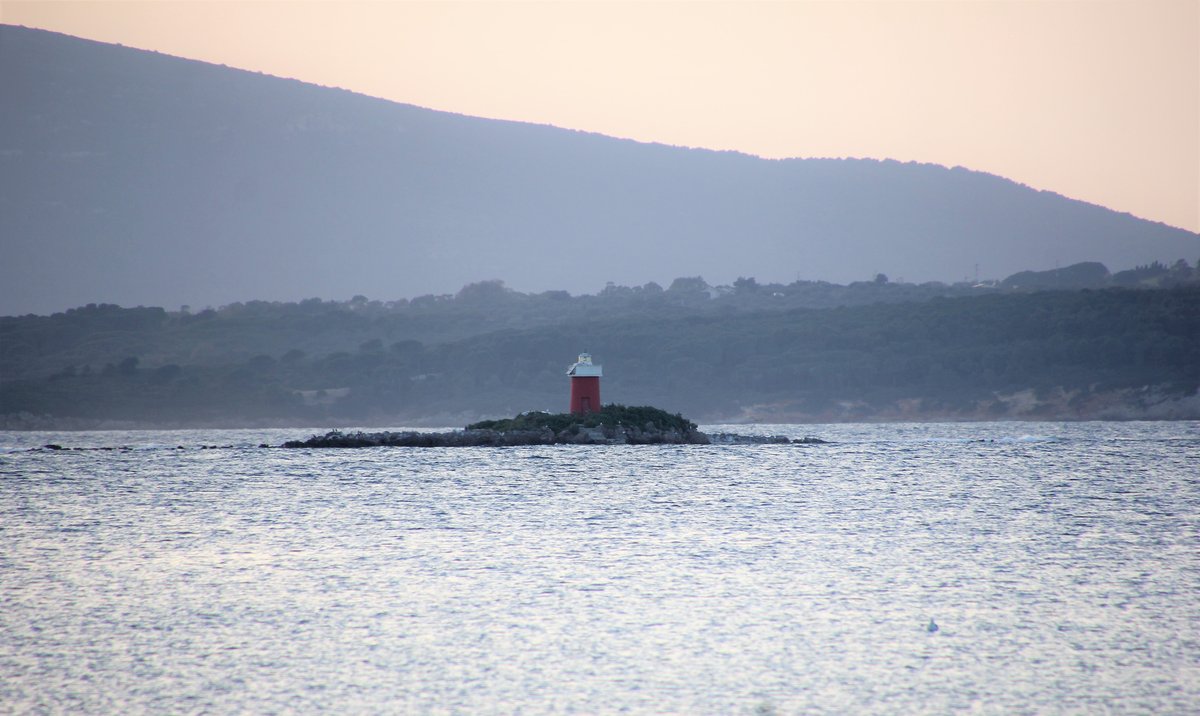
The Maddalenetta Lighthouse is not just a navigational aid for ships, but a true silent guardian watching over Alghero. Perched on a sea cliff at Capo Caccia, it offers a breathtaking view: on one side, the deep blue of the Mediterranean, on the other, the limestone cliffs that seem sculpted by the wind. It’s one of those places that makes you feel small in the face of nature’s power, perfect for those seeking a moment of peace away from the crowds. Personally, I was struck by the contrast between its simple white structure and the dramatic landscape surrounding it. It’s not a lighthouse accessible to everyone, and perhaps that’s precisely its charm.
Historical Notes
Its history is inextricably linked to the safety of navigation in an often treacherous stretch of sea. It became operational in 1913, illuminating a crucial coastal area for trade routes with its oil lamp. During World War II, like many strategic lighthouses, it was garrisoned and sustained damage. Today, it is automated, but its white masonry tower remains a symbol of resilience, a silent witness to decades of Sardinian history. There are no major events or famous figures associated with it, and perhaps that’s for the best: its essence lies precisely in its practical, humble, and necessary function.
- 1913: The lighthouse entered service.
- Wartime period: Military garrison and damage.
- Automation: End of the physical presence of keepers.
The Climb and the View
Getting there is already part of the adventure. You start from the Capo Caccia area, famous for the Neptune’s Grotto. From there, a rather steep concrete staircase (about 650 steps, they say) descends toward the sea. Note: the lighthouse is on a separate rocky spur; to reach it, you must follow a narrow, exposed trail on the rock, not suitable for those with vertigo or who are not in good shape. I found it challenging, but it was absolutely worth it. Once there, the 360-degree view is pure magic: you can see the entire Porto Conte bay, the tip of Capo Caccia plunging into the sea, and on the clearest days, you can even spot the silhouette of Corsica on the horizon. Bring water and comfortable shoes—this is no joke.
A Lighthouse, Two Experiences
The visit to Maddalenetta Lighthouse offers two very different faces. During the day, it’s an unparalleled natural viewpoint, ideal for spectacular photographs and for observing the flight of seagulls and, with luck, peregrine falcons nesting in the cliffs. In the evening, or rather at sunset, the warm light of the sun setting behind Capo Caccia sets the white tower ablaze in red and orange, creating an almost surreal atmosphere. There is no artificial lighting along the path, so if you stay until late, a headlamp is essential. I recommend planning your visit to enjoy both moments, if possible. It’s a place that changes its appearance with the light.
Why Visit It
For at least three concrete reasons. First: it offers a unique viewpoint over Alghero and its coastline, different from the usual beaches. Second: it provides a sense of minimalist conquest and adventure, without the need for special equipment (just good legs). Third: it’s free and always accessible, unlike some nearby paid attractions. Additionally, it’s a dive into a more rugged and authentic Sardinia, far from the resorts. Personally, it reminded me how fascinating ‘service’ infrastructures can be when they blend with such a powerful landscape.
When to go
Avoid the midday hours on summer days: the sun beats down strongly on the staircase and rocky path, with no shade. The best time, in my experience, is late afternoon, around sunset. The light is magnificent, the temperature more bearable, and you can witness the spectacle of the sun setting over the sea. It’s also excellent in spring or autumn, when the air is cooler and the colors of the Mediterranean seem more intense. In winter, with the mistral wind blowing, it can be challenging but very evocative for those who love dramatic landscapes.
In the Surroundings
The visit to the lighthouse pairs perfectly with two nearby experiences. The first is the Neptune’s Grotto, reachable via the same staircase or by sea: an underground world of stalactites and salt lakes that leaves you breathless. The second is a stop in Alghero’s historic center, the little Sardinian Barcelona, for an aperitif with a view of the Catalan walls and a taste of bottarga, a local specialty. Two completely different settings that complete the picture of this area rich in contrasts.