
Rovereto’s MART is a cultural hub with over 15,000 works, including the world’s largest collection of Fortunato Depero. The architecture by Mario Botta, with its glass and steel dome, dominates Piazza delle Erbe, creating a unique atmosphere for 20th-century and contemporary art.
- Permanent collection featuring works by Depero, Balla, Morandi, and Futurist artists
- Iconic architecture by Mario Botta with a glass and steel dome
- International temporary exhibitions of contemporary art and design
- Depero Futurist House of Art just minutes from the main museum
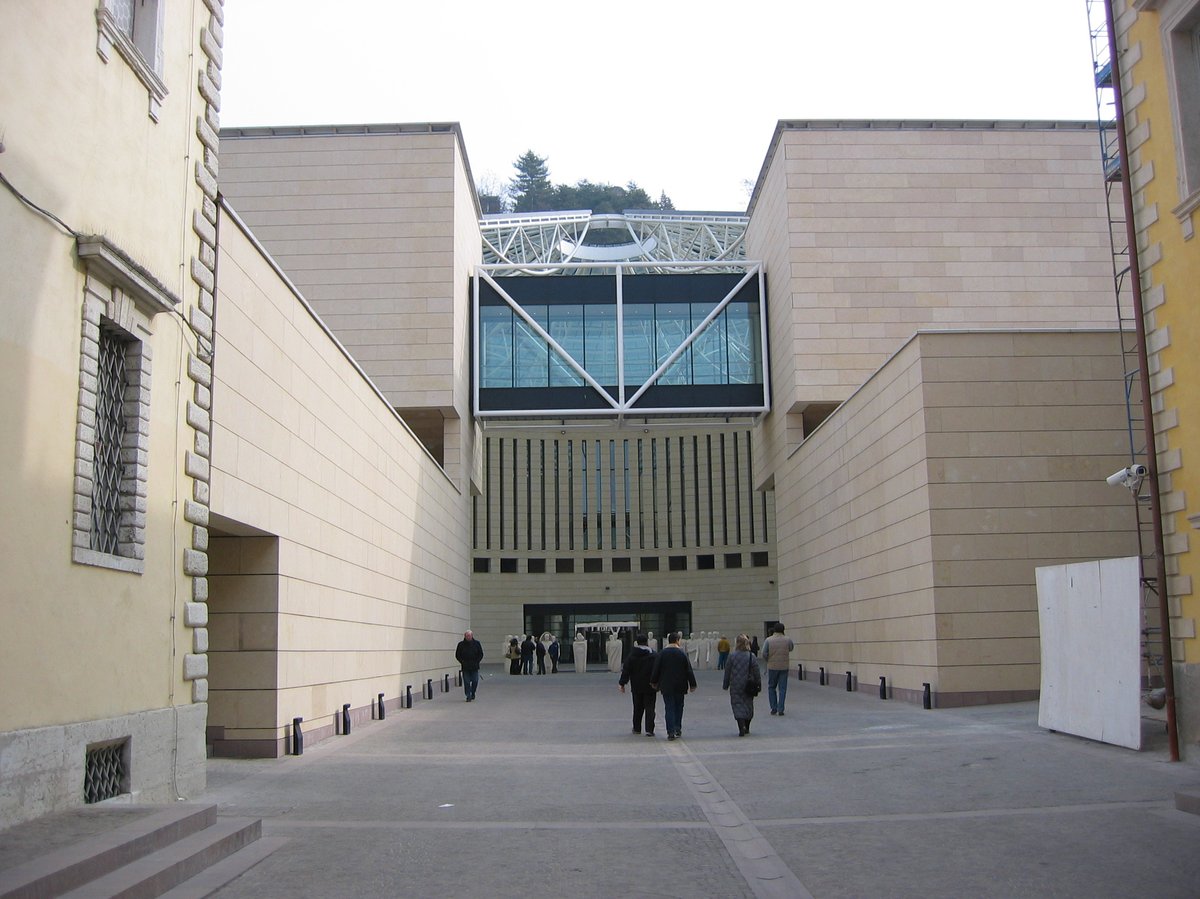
Rovereto’s MART offers modern and contemporary art with works by Depero, Balla, and Morandi, international temporary exhibitions, and the iconic dome by Mario Botta. Ideal for families and enthusiasts.
Good to know
Introduction
The MART in Rovereto is not just a museum; it’s an experience that strikes you from the outside. The glass and steel dome by Mario Botta dominates Piazza delle Erbe with an architecture that bridges the ancient and contemporary. Upon entering, the light filtering from above creates an almost magical atmosphere, perfect for immersing yourself in art. What surprised me is how this space manages to be welcoming even to non-experts – the artworks speak for themselves, without needing too much explanation. Rovereto, with its historic streets, provides the perfect backdrop for this cultural gem that transforms a visit to Trentino into something memorable.
Historical Overview
MART was born from a visionary idea: to create a hub for modern and contemporary art in Trentino. Inaugurated in 2002 after years of planning, it stands where a covered market once was, maintaining that connection to city life. The permanent collection has been built over time, with significant acquisitions ranging from Futurism to art from the 2000s. It’s not just a container for artworks, but a living place that continues to tell new stories through temporary exhibitions. The timeline summary:
- 1987: First concept of the museum
- 1995: Construction begins on Mario Botta’s design
- 2002: Official inauguration
- 2008: Opening of the Casa d’Arte Futurista Depero
- Today: Over 15,000 works in the collection
The Collection That Surprises
What makes MART unique is how it blends renowned masterpieces with unexpected discoveries. In the permanent galleries, you’ll find works by Morandi, De Chirico, or Fontana, but alongside them are lesser-known Trentino artists who deserve attention. Personally, I was struck by Fortunato Depero’s works—the Futurist section is vibrant, almost noisy. Then there are the temporary exhibitions that shift perspectives: I’ve seen displays on design, contemporary photography, and site-specific installations that transform the spaces. It’s not uncommon to encounter pieces that play with light or unusual materials, creating a continuous dialogue with Botta’s architecture. For families, the educational activities are well thought out, with workshops that genuinely engage children.
Beyond the Exhibition Halls
The MART experience doesn’t end when you leave the main building. The Casa d’Arte Futurista Depero, just a short walk away, is a plunge into the 1920s: here the artist lived and worked, and the spaces retain that creative atmosphere. Then there’s the library, with over 100,000 volumes – even if you’re not a scholar, it’s worth a look. But the real plus is how the museum engages with the city: in summer they organize events in the courtyard, sometimes evening screenings, creating a bridge between art and community. I found it interesting how some exhibitions include city routes, discovering public artworks or architecture that dialogue with what you’ve seen at the museum.
Why Visit It
Three concrete reasons not to miss MART: first, the balance between historical and contemporary art gives you a comprehensive overview without being overwhelming. Second, its location in the center of Rovereto allows you to combine culture with a stroll among arcades and Baroque palaces. Third, the temporary exhibitions are always well-curated – I’ve never seen a dull one; there’s always an original approach. And for those traveling with children, the family-friendly activities are well-integrated, not an afterthought.
When to Visit
The best time? An autumn afternoon, when the low light filters through the dome and creates shadow plays on the artworks. In winter, with snow-capped mountains outside, the contrast between the white exterior and the colors inside is evocative. I’d avoid peak weekend hours—the museum is spacious, but on weekday mornings you can enjoy more tranquility. An interesting note: on some summer evenings they organize special guided evening openings, and the atmosphere completely changes.
In the Surroundings
After the MART, two thematic suggestions: the Castle of Rovereto, just a few steps away, houses the War Museum with a different but complementary historical perspective. Then, for a natural experience, the Walk along the Leno – the stream that runs through the city – takes you into a green setting where you’ll find outdoor art installations connected to the museum. If you’re interested in craftsmanship, in the streets of the historic center there are workshops that still work with silk, a Roveretan tradition.
💡 Did You Know…?
Perhaps not everyone knows that the MART holds the world’s largest archive of Fortunato Depero, a Futurist artist closely linked to Rovereto. In the dedicated rooms, you can admire his famous ‘tapestries’ and advertising sketches, which offer a unique perspective on applied art from the early 20th century. A detail that makes a visit here different from any other modern art museum.