Pistoia Civic Museum: Masterpieces in the Palazzo Comunale

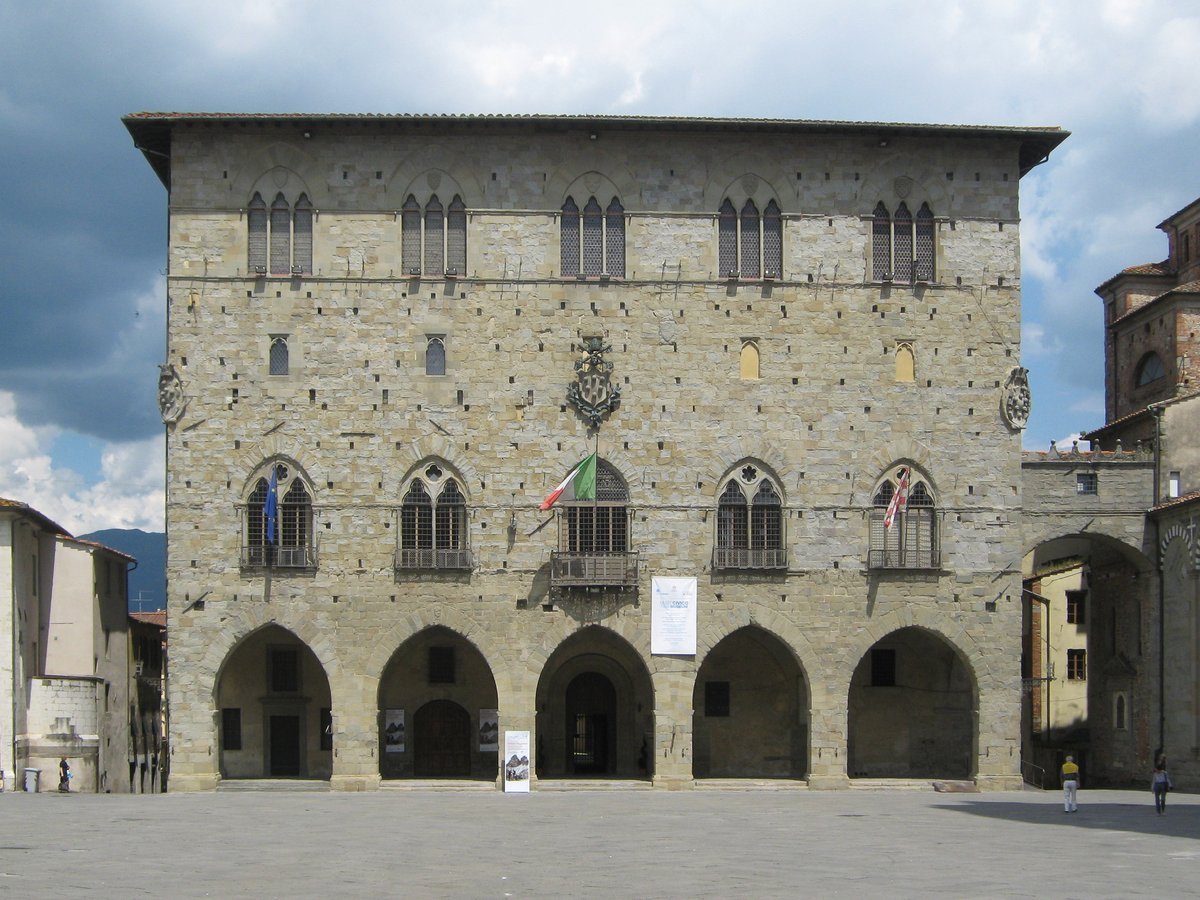
Pistoia’s Civic Museum of Ancient Art is the city’s main museum, with a collection spanning seven centuries of local artistic history. Housed in the 14th-century Palazzo Comunale, it offers a chronological journey through paintings, sculptures, and applied arts from the Florentine and Pistoian schools. Entry just €3.50 and educational activities for families and schools.
Key highlights:
– Over 300 works on display
– Puccini Collection on the top floor
– Giovanni Michelucci Documentation Center
– Open year-round, closed Mondays


Events nearby

Copertina itinerario Pistoia Civic Museum: Masterpieces in the Palazzo Comunale
Over 300 artworks from the 13th to the 20th century in Pistoia’s 14th-century Palazzo Comunale, featuring the Puccini Collection and the Michelucci Center.

Good to know


Introduction

As soon as you step into the Museo Civico di Pistoia in Piazza del Duomo, you’re greeted by a silence broken only by footsteps on the stone stairs. The 14th-century Palazzo Comunale is the perfect setting for over 300 works spanning seven centuries of Tuscan art. From gold-backed panels of the 1200s to Romantic paintings of the 1800s, each room is a leap into the past. And then there’s the view: from the mezzanine windows you peek at the square and feel like part of history.

Historical Overview

The museum was founded in 1893, when the first works were gathered, and opened to the public in 1922 at the Palazzo degli Anziani (now the town hall). Most of the collection comes from religious congregations suppressed at the end of the 18th century, later donated to the town. In the 1950s the space expanded to the top floor, but the current layout dates to 1982. In 1914 the Puccini collection arrived, while the Michelucci Center was founded in 1980. Here are the key moments:

  • 1893 – initial core
  • 1922 – official opening
  • 1914 – Puccini donation
  • 1956 – top floor expansion
  • 1980 – Michelucci Center
  • 1982 – current layout

Unmissable Works

On the first floor you’ll find the cornerstones of the Pistoian school: the Saint Francis attributed to Coppo di Marcovaldo, a gold-ground work that still seems to pray. Next to it, the Lamentation of Christ by Lippo di Benivieni and the Madonna and Saints by the Master of 1310 immediately reveal the quality of the collections. Then on to masterpieces like the Sacra Conversazione by Lorenzo di Credi and the Madonna della Pergola by Bernardino Detti. Each room is arranged to invite close viewing, and the captions are clear. If you love ancient art, you’ll be moved here.

Puccini Collection and Michelucci Center

As you climb to the third floor, the Puccini Collection transports you to another world: paintings from the 14th to the 19th centuries gathered by the patron Niccolò Puccini. Pieces like Gimignani’s Hero and Leander and Bezzuoli’s Portrait of Niccolò Puccini showcase the Romantic taste of the era. Then, on the mezzanine, the Giovanni Michelucci Documentation Center preserves over 2,000 drawings by the architect from Pistoia. It’s a quiet place where you can browse through projects and admire models. A leap into modernity after so much ancient art.

Why Visit It

First reason: it is the main museum of Pistoia, a concentration of local history you won’t find anywhere else. Second: the ticket costs only 3.50 euros and allows you to see works of great quality, without the queues of more famous museums. Third: it is accessible to people with disabilities and has a nice educational program. If you are in Pistoia, it is a must-stop to understand the city.

When to Go

In my opinion, the best time is late afternoon, around 4-5 PM, when the low light filters through the palace windows and illuminates the paintings warmly. Sunday morning is quiet, but in summer I prefer evening hours (it opens at 3 PM on Tuesdays) to then take a stroll in the cool square. Avoid Monday, as it’s closed. One visit is enough to savor everything.

Nearby

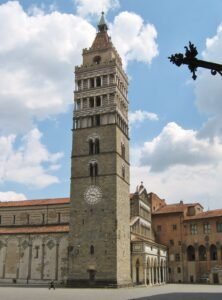
Just a short walk away, visit the Cathedral of San Zeno and the Baptistery, then lose yourself in the Museo dello Spedale del Ceppo (part of the same museum network). Another gem is Piazza della Sala with its market, perfect for a coffee after some culture. If you have time, the Garden of Villa Puccini in Scornio is a great spot for a picnic blending art and nature.

Itineraries nearby


💡 Did You Know…?

Fun fact: the museum’s original core dates back to 1893, with works from suppressed religious congregations. Don’t miss the spectacular view of Piazza del Duomo from the mezzanine windows, where the Michelucci Center houses over 2,000 architectural drawings.