
The Potentia Archaeological Area in Porto Recanati allows you to walk among the remains of an ancient Roman city founded in 184 BC along the Via Flaminia. The structures are well-preserved, and the site is accessible with informative panels, offering a unique historical experience by the sea.
- Public baths with a visible hypocaust heating system, calidarium, tepidarium, and frigidarium
- Patrician domus with black-and-white mosaic floors and walls frescoed with geometric patterns
- Roman forum, which was the heart of civic life in ancient Potentia
- Strategic location just steps from the Adriatic Sea, perfect for combining culture and relaxation
Events nearby

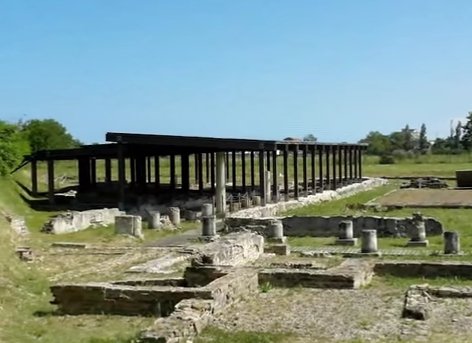
The Potentia Archaeological Area in Porto Recanati preserves public baths with a hypocaust heating system, patrician domus with mosaics and frescoes, and the Roman forum. Located just steps from the Adriatic Sea, it was founded in 184 BC.
- Via Adriatica, Macerata (MC)
- +39 071 5029811
- Open in Google Maps
- View on Google Images Area Archeologica di Potentia a Macerata
Good to know
Introduction
Walking among the remains of Potentia is like flipping through an open-air history book. This ancient Roman city, overlooking the Adriatic Sea in Porto Recanati, welcomes you with its well-preserved thermal baths and domus houses with mosaic floors. It’s not just an archaeological site, but a true journey back in time where you can imagine the daily life of the Romans who lived and traded here. The atmosphere is unique: the scent of the sea blends with history, creating an experience that touches both the eyes and the heart. You’ll discover hidden corners and details that tell stories from two thousand years ago, all just steps away from modern beaches.
Historical Overview
Potentia was founded as a Roman colony in 184 BC, during a period of expansion toward the Adriatic. The city became an important commercial hub thanks to its strategic location between the Potenza River and the sea. In the 2nd century AD, it reached its peak of prosperity, featuring public baths, a forum, and wealthy private residences. Barbarian invasions and flooding led to its gradual abandonment between the 5th and 6th centuries. Modern excavations have uncovered remarkable artifacts, such as amphorae and coins, which testify to trade connections throughout the Mediterranean.
- 184 BC: Foundation of the Roman colony
- 2nd century AD: Period of maximum urban development
- 5th-6th centuries: Decline and progressive abandonment
- 1980s: Beginning of systematic archaeological excavations
The Roman Baths
The public baths of Potentia are among the best-preserved structures in the entire archaeological site. You can still clearly distinguish the calidarium (the hot room), the tepidarium (warm room), and the frigidarium (cold room), with their hypocaust heating systems visible through the brick pillars. Walking through these spaces, you’ll almost feel like you can hear the steam and voices of ancient visitors. Particularly evocative are the remains of the pools and water channels, showcasing the advanced Roman hydraulic engineering. It’s a rare opportunity to see up close how a thermal complex of that era functioned, complete with changing rooms and relaxation areas.
The Frescoed Domus
The private domus excavated at Potentia reveal the luxury and refined taste of its inhabitants. Several houses still preserve traces of the wall frescoes that decorated the rooms, with geometric patterns and vibrant colors that must have illuminated the interiors. The mosaic floors, particularly the one with black and white tesserae forming intricate decorations, are among the most photographed features of the site. Observing these details, you immediately understand the social status of the ancient owners and how they organized their domestic spaces between the atrium, cubicula, and triclinium for banquets.
Why Visit It
Visiting Potentia is worthwhile for three concrete reasons. First, it’s one of the few Roman archaeological sites in direct contact with the sea, offering a unique panorama where history and nature meet. Second, the preservation of the baths and domus allows you to truly understand ancient daily life without having to imagine too much. Third, access is easy and the visit route is well-marked, ideal even for those who aren’t archaeology experts but want an authentic and educational experience.
When to Go
The best time to visit Potentia is at sunset, when the low-angled sunlight accentuates the textures of the ancient stones and creates evocative shadows among the remains of the walls. In spring and autumn, the cool air and soft landscape colors make the walk even more pleasant, away from the summer heat that can be intense during midday hours.
In the Surroundings
Complete your day with a visit to the Swabian Castle in Porto Recanati, just a short walk from the archaeological area. This medieval fortress overlooks the seafront and frequently hosts temporary exhibitions. For a thematic experience, stop by the Civic Museum where the most significant artifacts discovered at Potentia are displayed, including ceramics and coins that enrich the historical context of your visit.
Itineraries nearby

💡 Did You Know…?
During excavations, a treasure of Roman coins emerged hidden under the floor of a domus, probably buried hastily during a barbarian raid. The thermal baths still preserve the hypocaust system, with brick pillars that supported the heated floor. Particularly evocative are the geometric black and white mosaics that decorated the reception rooms, witnesses to an era of great wealth.