Shrine of Our Lady of the Moor: Between Miracles and Baroque

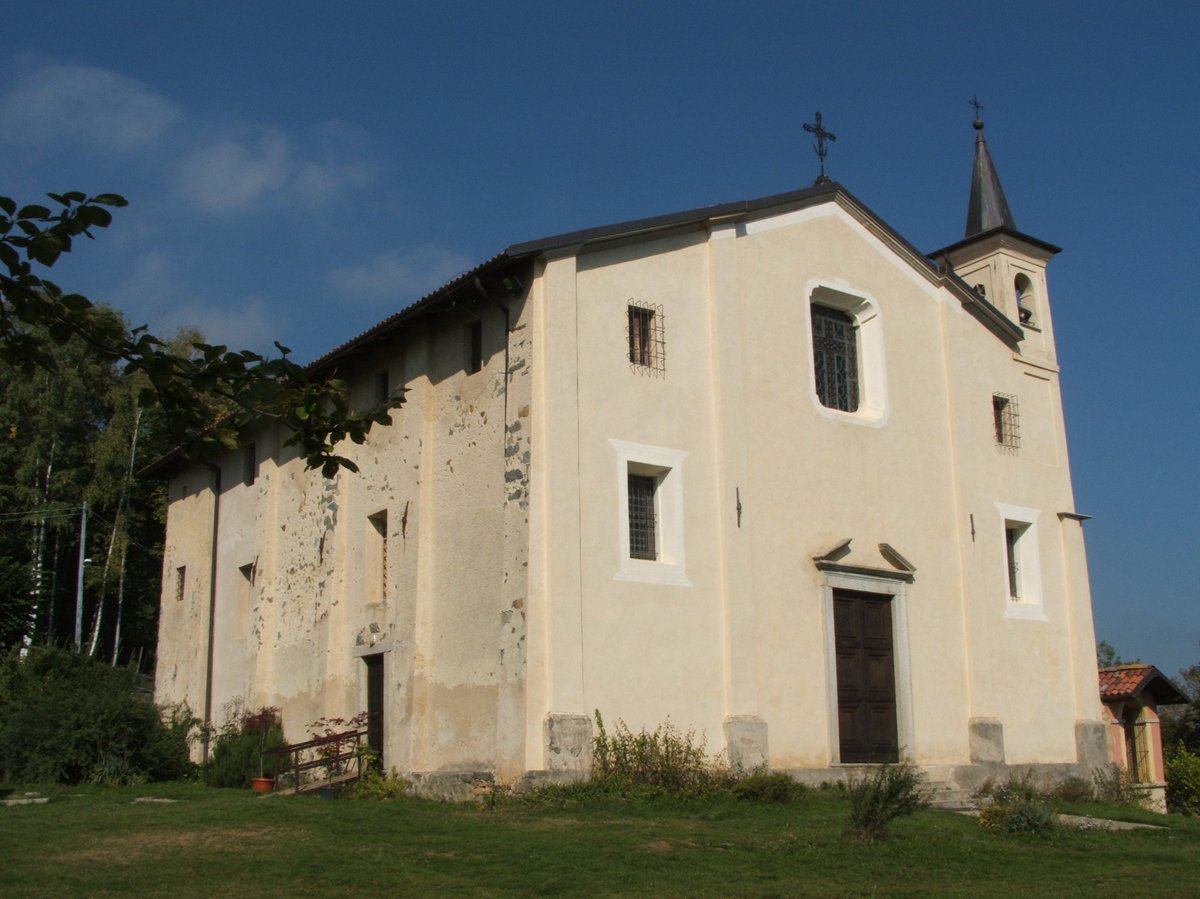
At an altitude of over 800 meters, among chestnut groves and pastures of the Upper Biellese, stands the Shrine of Our Lady of the Moor. The complex includes two churches: the Old Church, linked to a 16th-century miracle, and the Great Church in Baroque style, with frescoes by Pietro Lace and a canvas by Gian Giacomo Barbelli. A Stations of the Cross path with fourteen chapels connects the shrine to Bulliana, offering an experience of faith and nature.

What you will find:
• Panoramic location at 800 m, in the Oasis Zegna
• Great Church with Baroque frescoes and wooden altarpiece
• Old Church with statue of Our Lady of the Moor
• Stations of the Cross with 19th-century chapels and the legend of the ‘Battle of the Shootout’


Events nearby

Copertina itinerario Shrine of Our Lady of the Moor: Between Miracles and Baroque
Marian shrine in the Upper Biellese, between two Baroque churches, legends of apparitions and a panoramic Stations of the Cross. A peaceful oasis nestled in the woods of the Zegna Oasis, ideal for a spiritual or nature outing.

Good to know


A peaceful oasis between woods and Baroque

Nestled in the woods of the Oasi Zegna, at over 800 meters above sea level, the Sanctuary of Our Lady of the Brughiera is a hidden gem of the Alto Biellese. Two churches overlook a grassy esplanade: the small Ancient Church, tied to a Marian apparition from the 1500s, and the larger Baroque Grand Church. Here, history, art, and nature blend into an atmosphere of absolute peace. The panorama stretches across the Po Valley, while the silence is broken only by the wind through the chestnut trees. A place that touches the soul, ideal for a spiritual pause or a revitalizing walk.

A peaceful oasis between woods and Baroque

Nestled in the woods of the Oasi Zegna, at over 800 meters above sea level, the Sanctuary of Our Lady of the Brughiera is a hidden gem of the Alto Biellese. Two churches overlook a grassy esplanade: the small Ancient Church, tied to a Marian apparition from the 1500s, and the larger Baroque Grand Church. Here, history, art, and nature blend into an atmosphere of absolute peace. The panorama stretches across the Po Valley, while the silence is broken only by the wind through the chestnut trees. A place that touches the soul, ideal for a spiritual pause or a revitalizing walk.

Historical Background

Tradition has it that at the beginning of the 16th century, a deaf-mute shepherdess regained her hearing and speech after an apparition of the Virgin. Later, the Old Church was built on the remains of a 14th-century chapel. Growing devotion led to the construction of the Great Church in the 17th century, an example of Biellese Baroque. A crucial event was the so-called “Battle of the Gunshots” on March 25, 1643, when the inhabitants of Mosso and Trivero clashed over possession of the church: tradition tells that the Madonna stopped the bullets, preventing injuries. In the 19th century, the fourteen chapels of the Via Crucis were added, painted by Giovanni Avondo and Antonio Ciancia.

  • 16th century: apparition and construction of the first chapel
  • 1606: pastoral visit attests a sanctuary with three naves
  • March 25, 1643: bloodless clash between Trivero and Mosso
  • 17th century: construction of the Baroque Great Church
  • 1833: beginning of construction of the Via Crucis chapels

Historical Background

Tradition has it that at the beginning of the 16th century, a deaf-mute shepherdess regained her hearing and speech after an apparition of the Virgin. Later, the Old Church was built on the remains of a 14th-century chapel. Growing devotion led to the construction of the Great Church in the 17th century, an example of Biellese Baroque. A crucial event was the so-called “Battle of the Gunshots” on March 25, 1643, when the inhabitants of Mosso and Trivero clashed over possession of the church: tradition tells that the Madonna stopped the bullets, preventing injuries. In the 19th century, the fourteen chapels of the Via Crucis were added, painted by Giovanni Avondo and Antonio Ciancia.

  • 16th century: apparition and construction of the first chapel
  • 1606: pastoral visit attests a sanctuary with three naves
  • March 25, 1643: bloodless clash between Trivero and Mosso
  • 17th century: construction of the Baroque Great Church
  • 1833: beginning of construction of the Via Crucis chapels

The Two Churches: Art and Devotion

The Old Church preserves the wooden statue of the Madonna della Brughiera in a marble niche, the endpoint of the Via Crucis. The Large Church is a Baroque triumph: three naves punctuated by stone columns, ceilings frescoed by Pietro Lace of Andorno (1648-1733), and valuable paintings. Notable is the Adoration of the Shepherds by Gian Giacomo Barbelli, set in an eighteenth-century wooden altarpiece by Valsesian artists. Not to be missed is the large ex-voto depicting the battle of 1643, and the ancient wooden pulpit from 1679, now reused as an altar. Every corner tells centuries of faith and artisan mastery.

The Two Churches: Art and Devotion

The Old Church preserves the wooden statue of the Madonna della Brughiera in a marble niche, the endpoint of the Via Crucis. The Large Church is a Baroque triumph: three naves punctuated by stone columns, ceilings frescoed by Pietro Lace of Andorno (1648-1733), and valuable paintings. Notable is the Adoration of the Shepherds by Gian Giacomo Barbelli, set in an eighteenth-century wooden altarpiece by Valsesian artists. Not to be missed is the large ex-voto depicting the battle of 1643, and the ancient wooden pulpit from 1679, now reused as an altar. Every corner tells centuries of faith and artisan mastery.

The Way of the Cross and the Woods

From the parish church of Bulliana, a mule track gently climbs up to the sanctuary, following the fourteen stations of the Way of the Cross. Each chapel, built starting in 1833 and painted by local artists, offers a moment of reflection surrounded by greenery. The path winds through chestnut trees and pastures, offering glimpses of the Prealps. The sanctuary lies within the Oasi Zegna, a protected area cared for by the Zegna family, perfect for those who love nature and silence. At the center of the esplanade, the Burnel fountain provides pure water—a refreshing stop before visiting the churches.

The Way of the Cross and the Woods

From the parish church of Bulliana, a mule track gently climbs up to the sanctuary, following the fourteen stations of the Way of the Cross. Each chapel, built starting in 1833 and painted by local artists, offers a moment of reflection surrounded by greenery. The path winds through chestnut trees and pastures, offering glimpses of the Prealps. The sanctuary lies within the Oasi Zegna, a protected area cared for by the Zegna family, perfect for those who love nature and silence. At the center of the esplanade, the Burnel fountain provides pure water—a refreshing stop before visiting the churches.

Three Good Reasons to Visit

1) Two Churches in One: the contrast between the ancient intimate chapel and the sumptuous Baroque Grande Chiesa is unique in the Biellese area. 2) A Devotional and Nature Trail: the Via Crucis can be walked at least up to the sanctuary, offering peace and an authentic contact with the woods. 3) Timeless Atmosphere: far from the chaos, one breathes a special serenity here, enriched by the view of the plain and the water from the Burnel fountain. Ideal for a half-day trip that combines faith, art, and nature.

Three Good Reasons to Visit

1) Two Churches in One: the contrast between the ancient intimate chapel and the sumptuous Baroque Grande Chiesa is unique in the Biellese area. 2) A Devotional and Nature Trail: the Via Crucis can be walked at least up to the sanctuary, offering peace and an authentic contact with the woods. 3) Timeless Atmosphere: far from the chaos, one breathes a special serenity here, enriched by the view of the plain and the water from the Burnel fountain. Ideal for a half-day trip that combines faith, art, and nature.

The Right Moment

The sanctuary is open all year round, but each season offers a different experience. In spring, flowering meadows frame the churches, while in autumn the woods turn red and gold. In winter, snow creates a cozy, almost mystical atmosphere. For the best light, I recommend sunset: the golden rays illuminate the frescoes and the view over the plain becomes spectacular. Early morning is ideal for those seeking deeper silence.

The Right Moment

The sanctuary is open all year round, but each season offers a different experience. In spring, flowering meadows frame the churches, while in autumn the woods turn red and gold. In winter, snow creates a cozy, almost mystical atmosphere. For the best light, I recommend sunset: the golden rays illuminate the frescoes and the view over the plain becomes spectacular. Early morning is ideal for those seeking deeper silence.

Exploring the Surroundings

The sanctuary is part of the CoEUR and Cammino di San Carlo itineraries, which connect other minor sanctuaries in the Biellese area. A short walk away, the Santuario di Banchette (Bioglio) and the Santuario del Mazzucco (Camandona) are worth a visit, both nestled in the woods. For a scenic walk, don’t miss the Panoramica Zegna, a road that winds through the hills offering breathtaking views. The entire Oasi Zegna area offers trails for all levels, among centuries-old beech and chestnut trees.

Exploring the Surroundings

The sanctuary is part of the CoEUR and Cammino di San Carlo itineraries, which connect other minor sanctuaries in the Biellese area. A short walk away, the Santuario di Banchette (Bioglio) and the Santuario del Mazzucco (Camandona) are worth a visit, both nestled in the woods. For a scenic walk, don’t miss the Panoramica Zegna, a road that winds through the hills offering breathtaking views. The entire Oasi Zegna area offers trails for all levels, among centuries-old beech and chestnut trees.

Itineraries nearby


💡 Did You Know…?

According to tradition, on March 25, 1643, the inhabitants of Mosso and Trivero clashed over the possession of the old church. During the shooting, the Madonna appeared to stop the bullets, and no one was injured. A large ex-voto in the Great Church commemorates the event, called the ‘Battle of the Shootout‘.