Brughiera Sanctuary: 17th-Century Marian Fresco and Panoramic Trail in the Elvo Valley

The Sanctuary of Nostra Signora della Brughiera in Bulliana, built in the 17th century after the discovery of a Marian image, offers an experience of spirituality and tranquility immersed in the Biellese woods, with free entry and always open.

  • 17th-century Marian fresco preserved on the high altar, locally venerated.
  • 20-minute panoramic trail from Bulliana, with votive shrines and views over the Elvo Valley.
  • Simple Baroque architecture in local stone, with an interior lit by natural light effects.
  • Peaceful atmosphere among chestnut and beech woods, ideal for a restorative break.


Events nearby


Copertina itinerario Brughiera Sanctuary: 17th-Century Marian Fresco and Panoramic Trail in the Elvo Valley
A 17th-century sanctuary, always open and free of charge, featuring a 1600s Marian fresco, Baroque architecture in local stone, and a 20-minute woodland path with votive shrines and panoramic views over the Elvo Valley.

Good to know


A peaceful oasis in the woods

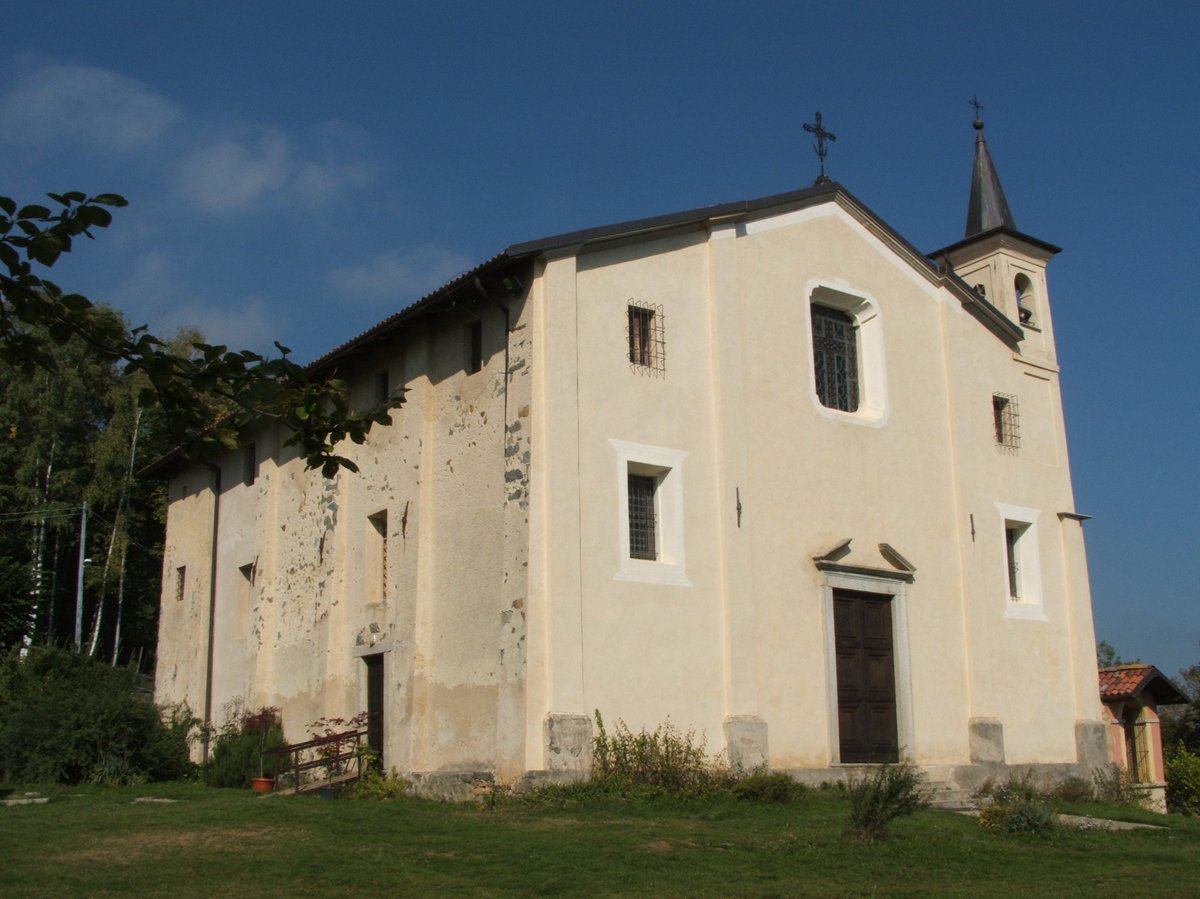
Arriving at the Sanctuary of Our Lady of the Brughiera, you immediately feel enveloped by a special atmosphere. The grey stone building emerges among chestnut and birch trees of the Biella heath, creating an evocative contrast with the deep green of the woods. It’s not just a place of worship, but a refuge where silence speaks louder than words. The simple façade and slender bell tower welcome you unassumingly, while inside, light filters through the side windows, illuminating the frescoes and creating plays of light and shadow that invite contemplation. Here, even those who are not particularly religious can find a break from the daily hustle, breathing fresh air and listening only to the rustle of leaves and the song of birds.

History and Devotion

The sanctuary dates back to the 17th century, specifically 1657, when an image of the Madonna was found on a boulder by a local shepherd. This miraculous event gave rise to a popular devotion that led to the construction of a first chapel, later expanded into the current structure between 1720 and 1750. Marian devotion has drawn pilgrims for centuries, especially during the festivals in May and September. Inside, the carved wooden high altar and the ex-votos hanging on the walls tell stories of graces received, bearing witness to the deep bond between the community and this holy place.

  • 1657: Discovery of the Marian image
  • 1720-1750: Construction of the current sanctuary
  • 19th century: Increase in pilgrimages
  • Today: Site of devotion and spiritual tourism

The Essential Architecture and Frescoes

The church strikes you with its baroque simplicity, typical of rural sanctuaries in the Biella area. Outside, the local stone and the roof made of lose (stone slabs) blend into the landscape. Upon entering, your gaze is immediately drawn to the altarpiece of Our Lady of the Brughiera, a 17th-century panel painting housed in the central niche. On the sides, 18th-century frescoes depict saints tied to local tradition, such as St. Gratus and St. Eusebius, with soft colors that time has made even more evocative. Also noteworthy is the vaulted ceiling, decorated with geometric motifs reminiscent of the humble art of the nearby valleys. Every detail, from the walnut confessionals to the time-worn pews, tells of centuries of prayers and silence.

The Pilgrims’ Path

To fully experience it, walk the ancient path that leads from the village of Bulliana to the sanctuary. It’s an easy, roughly 20-minute walk through a beech and oak forest where, in spring, lily of the valley blooms. Along the way, small wayside shrines mark the stations of the cross, inviting reflection. At the top, besides the sanctuary, you can enjoy a panoramic view of the lower Elvo Valley, with the stone roofs of the hamlets below peeking through the trees. It’s an itinerary that blends spirituality and nature, perfect for a refreshing break without the need for special equipment.

Why Visit

Three concrete reasons to include the sanctuary in your itinerary: first, it’s free and always open, so you can plan your visit stress-free. Second, accessibility is excellent even for families with children or the elderly, thanks to the well-maintained path and the alternative car-friendly road. Third, it offers an authentic experience away from the crowds: here you won’t find souvenir shops, but the genuineness of a place still lived by the local community. Plus, the proximity to Bulliana allows you to combine the visit with a stop at one of the characteristic agriturismi in the area.

When to Go

The best time is early morning or late afternoon, when the low-angled light brings out the colors of the stone and woodland, creating an almost magical atmosphere. During these hours, the silence is deeper and you may spot roe deer venturing into the clearing. Avoid public holidays if you’re looking for peace and quiet, while in autumn, the foliage offers unforgettable views, with red and gold leaves framing the sanctuary. In winter, snow transforms the landscape into a fairy-tale scene, but always check the weather conditions before heading up.

Nearby

Round off the day with a visit to the Ricetto di Candelo, one of the best-preserved medieval villages in Piedmont, just a 15-minute drive away. Here you can stroll through the covered lanes and discover Biella’s rural history. Another recommended stop is the Bessa Natural Reserve, a unique archaeological area where gold was once mined, now ideal for nature hikes among piles of stones and marked trails.

Itineraries nearby


💡 Did You Know…?

Legend has it that the sanctuary was built where a shepherd boy miraculously found an image of the Madonna unscathed after a fire had ravaged the moorland. Still today, every September 8th, the faithful gather for the patronal feast, carrying the statue of the Virgin in procession along the woodland paths. The place retains intact that simple and genuine spirituality that has made it a destination of popular devotion for centuries.