
Torre Cabrera is a perfectly preserved 16th-century watchtower, built by order of Giovanni Cabrera to defend the Sicilian coast from pirate raids. Its strategic position between Marina di Ragusa and Punta Secca offers one of the most spectacular views of the Iblean coastline, with 360-degree panoramas stretching from the Mediterranean to the Ragusan hills. Climbing the internal staircase leads to the upper terrace, where breathtaking sunsets can be admired, and the historical communication system using fires and smoke signals that connected coastal towers can be understood.
- Original 1598 military architecture with arquebus loopholes and still-visible water cisterns
- 360-degree panoramic view over Marina di Ragusa bay and the Iblean hills
- Historical defensive system against Barbary pirate incursions
- Cliffside sea location with easy access and authentic atmosphere
Events nearby

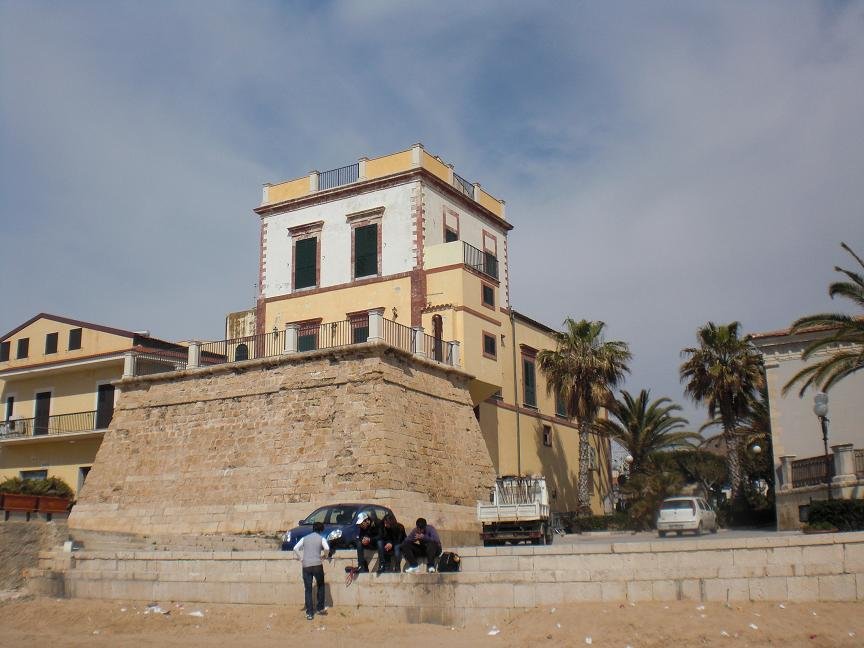
Torre Cabrera in Ragusa: 1598 coastal watchtower with panoramic terrace overlooking the bay. Original Spanish military architecture, defensive system against pirates, and cliffside location by the sea.
- Via Icnusa, Ragusa (RG)
- Open in Google Maps
- View on Google Images Torre Cabrera a Ragusa
Good to know
Introduction
Historical Overview
- 1598: Construction commissioned by Giovanni III Cabrera
- 16th-17th centuries: Active military garrison against pirate incursions
- 18th century: Gradual abandonment of defensive function
- Modern restoration: Recovery and opening to the public
The Architecture That Speaks
The View That Conquers
Why Visit It
When to Go
In the Surroundings
Itineraries nearby


💡 Did You Know…?
Local legend has it that from the top of Torre Cabrera, on particularly clear days, you can glimpse the African coast. Historically, the tower was part of a complex communication system: using fires and smoke signals, it alerted nearby towers, such as Torre di Mezzo and Torre Vigliena, of approaching enemy ships. A little-known detail: its walls, over two meters thick, conceal cisterns for collecting rainwater, essential during long sieges. During restoration, traces of soldiers’ quarters and cannon positions emerged, making the visit a real dive into 16th-century military life.