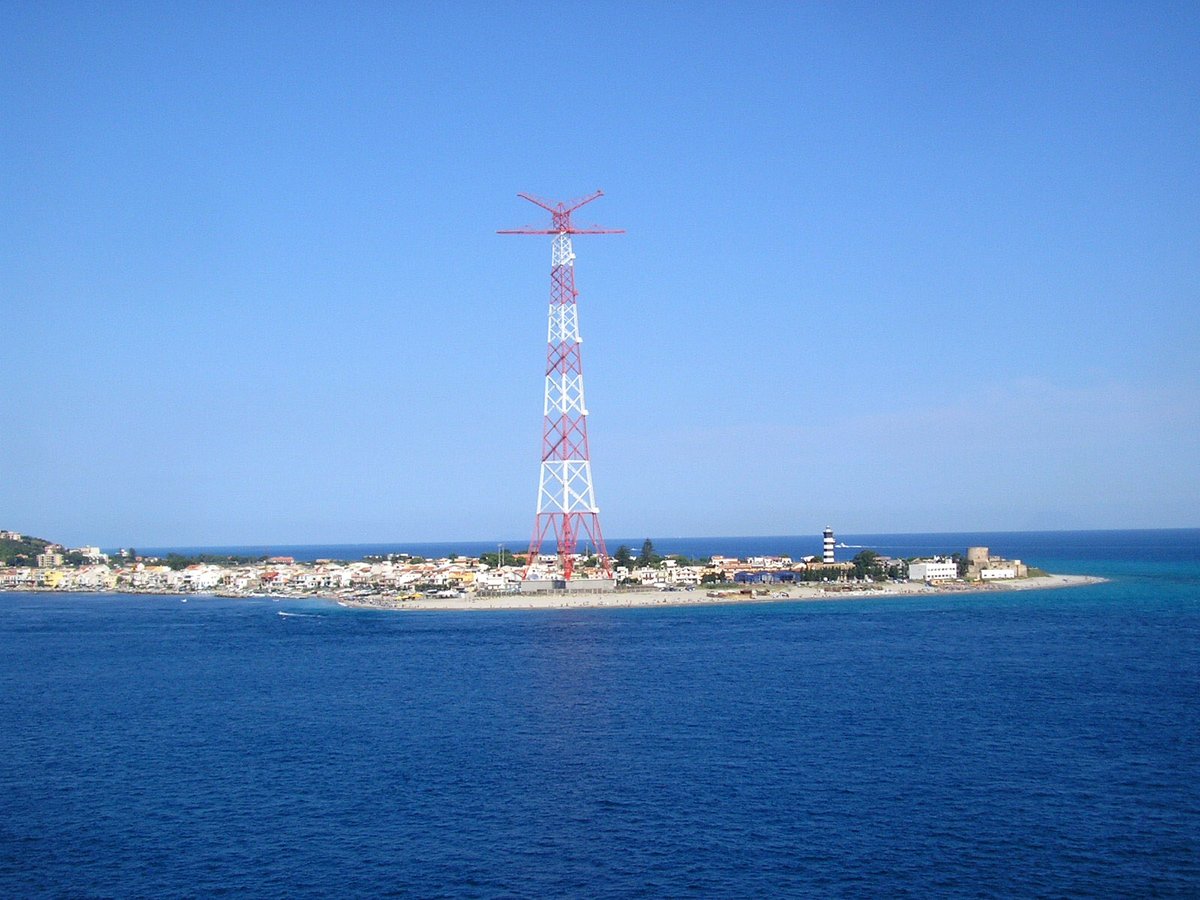
The Pilone di Torre Faro is a former 1885 lighthouse offering a 360-degree view of the Strait of Messina, a privileged spot for observing marine currents and the Fata Morgana phenomenon. Located in the Capo Peloro Nature Reserve, it’s an authentic place away from the hustle and bustle, perfect for photography and quiet moments.
- Unique panoramic view of the Tyrrhenian Sea, Ionian Sea, and Calabrian coast
- Opportunity to observe the optical phenomenon of Fata Morgana
- Occasional dolphin sightings in the Strait’s waters
- Authentic, timeless atmosphere in a non-touristy area
Introduction
The Pilone di Torre Faro is not just a lighthouse: it’s a privileged observation point over the Strait of Messina, where the sea seems to narrow between Sicily and Calabria. When you’re there, you immediately understand why this place has a special charm: the view is breathtaking, almost hypnotic, with currents drawing streaks on the water and, if you’re lucky, some dolphins jumping in the distance. It’s not a crowded place; in fact, it has that authentic and somewhat wild atmosphere that makes you feel like you’re in a genuine corner of Sicily, away from the usual tourist circuits. Personally, I like to think of it as a natural balcony suspended between two lands, perfect for those seeking unique panoramas and a moment of quiet.
Historical Notes
The history of the Pilone di Torre Faro is deeply intertwined with that of the Strait. Built in 1885, it was originally a signaling tower for navigation, later replaced by the current reinforced concrete structure in 1955. It has witnessed ships from every era and, during World War II, was damaged but never destroyed. Today, it is no longer active as a lighthouse, but remains a symbol of the area, almost like a silent guardian. Some local enthusiasts have told me that, in past decades, fishermen used it as a reference point for their fishing trips—a detail that makes me smile because it shows how these places are part of everyday life.
- 1885: construction of the first signaling tower
- 1955: erection of the current reinforced concrete Pilone
- Second half of the 20th century: gradual decommissioning as an active lighthouse
- Today: a scenic and historical point of interest
The Allure of the Currents
One of the most fascinating aspects of the Pilone is observing the Strait currents, a unique natural phenomenon. Here, the waters of the Ionian Sea and the Tyrrhenian Sea meet, creating that famous ‘whirlpool’ spoken of in ancient legends. It’s not uncommon to see streaks on the water, almost as if the sea had two different colors. If you pause for a moment, you’ll notice that local fishing boats skillfully navigate these currents, moving with a mastery that seems like magic. I visited on a day with a light breeze, and seeing the waves ripple in such a distinctive way made me understand why this place is so beloved by photographers and sea enthusiasts. It’s a natural spectacle that, honestly, stays with you.
A Timeless Atmosphere
What strikes you, beyond the view, is the atmosphere: it feels like being in a place outside of time, far from the frenzy. Around the Pilone, there are only the coastal road, a few fishermen’s houses, and the sound of the sea. There are no bars or tourist shops, making it perfect for a peaceful stop. I met a local gentleman who told me he often comes here to read the newspaper, sitting on a bench, and I really liked this image because it tells of a simple and genuine use of the place. If you’re looking for silence and authenticity, this is the right spot. However, be aware: don’t expect services or attractions, the beauty lies precisely in its essentiality.
Why Visit It
Visiting the Pilone di Torre Faro is worthwhile for three concrete reasons. First, the panoramic view of the Strait is truly unique: from here, you can see both Sicily and Calabria simultaneously, with mountains in the background and the sea that seems endless. Second, it’s a historical place but not museum-like, making you feel part of the local daily life, away from the crowds. Third, it’s perfect for those who love photography or simply want to unwind: no need to book or pay for tickets, just arrive and enjoy the view. I would return for that sense of peace it offers, especially if you need a break from a more hectic itinerary.
When to Go
The best time? Without a doubt at sunset, when the sun sets behind the Calabrian mountains and paints the sky orange and pink. The atmosphere becomes magical, almost romantic, and the light is perfect for unforgettable photo shots. In summer, avoid the midday hours as it can get very hot and there’s no shade; opt for late afternoon instead. In winter, clear days offer crystal-clear panoramas, but bring a jacket because the Strait’s wind can be biting. Personally, I preferred an autumn evening, with cool air and few other visitors: it was exactly what I was looking for.
In the Surroundings
If you’re at the Pilone, it’s worth exploring the surroundings for a more complete experience. Just a few minutes’ drive away is Capo Peloro, the extreme tip of Sicily, with its nature reserve and sandy beaches: it’s another spectacular panoramic point, ideal for a walk through the Mediterranean scrub. Alternatively, if you’re interested in history, head towards Torre Faro, the nearby hamlet, where you can see the remains of the ancient watchtower and immerse yourself in the atmosphere of an authentic fishing village. Both locations pair well with a visit to the Pilone, enriching your day with nature and tradition.