Villa Contarini: Baroque Frescoes and Italian Gardens in Piazzola sul Brenta

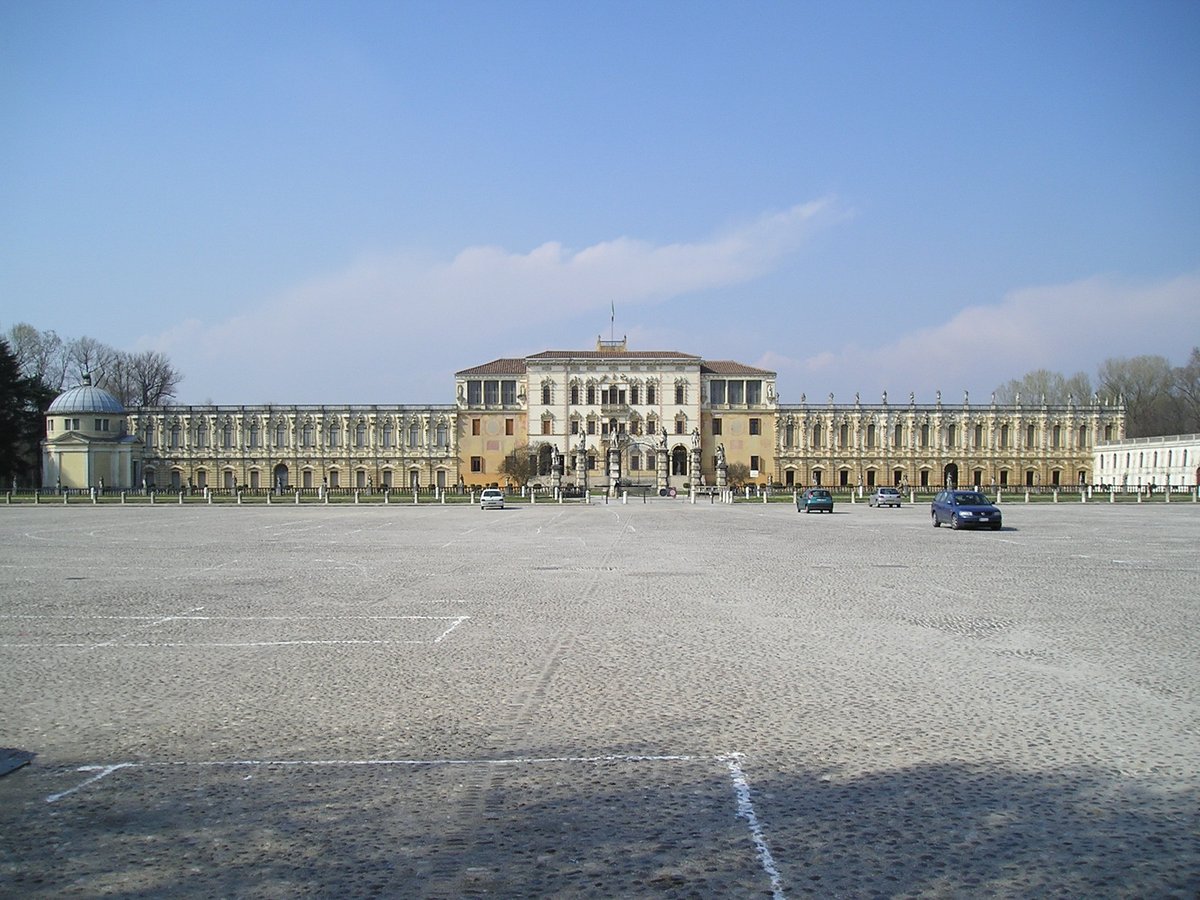
Villa Contarini in Piazzola sul Brenta is a majestic Baroque villa with over 150 rooms, frescoes by artists such as Francesco Zugno and Giambattista Tiepolo, and Italian-style gardens with a vegetal labyrinth. Its location along the Brenta River creates evocative atmospheres, especially at sunset.

  • Baroque frescoes with mythological scenes in the Music Hall and the ‘Triumph of Virtue’ salon
  • Italian-style gardens with geometric pathways, 18th-century statues, and bubbling fountains
  • An 18th-century organ still functioning for concerts in a hall with perfect acoustics
  • Over 150 rooms spread across multiple floors, one of the largest villas in Veneto
Copertina itinerario Villa Contarini: Baroque Frescoes and Italian Gardens in Piazzola sul Brenta
Villa Contarini in Piazzola sul Brenta is one of the largest Venetian villas with over 150 rooms, frescoes by artists like Zugno and Tiepolo, geometric gardens, and a functioning 18th-century organ. Ideal for art and history near Padua.

Good to know


Introduction

Arriving at Villa Contarini is like discovering a hidden treasure in the Venetian countryside. You don’t expect a Baroque palace of this size in Piazzola sul Brenta, yet here it is: a majestic facade over a hundred meters long dominating the landscape. They call it the Veneto’s Versailles for good reason. As soon as you pass through the gate, you’re greeted by an atmosphere of eighteenth-century opulence, with its Italian-style gardens that seem to invite you for a leisurely stroll. It’s not just a villa; it’s a symbol of the Contarini family’s power and taste, which left an indelible mark here. Perfect for those seeking art without the crowds of major museums, it offers that thrill of discovery that makes a trip to the Padua province unique.

Historical Overview

The history of Villa Contarini is a tapestry woven from powerful families and architectural transformations. Its construction began in the 16th century under the Contarini family, one of Venice’s most influential dynasties, reaching its peak of splendor in the 18th century under the direction of Marco Contarini, who expanded it in the Baroque style, commissioning renowned artists. It became a hub for festivities and culture, hosting musicians such as Antonio Vivaldi. After periods of decline, it was acquired and restored in the 20th century, opening to the public as a museum. Today, beyond its frescoes, it houses a still-functional 18th-century organ used for concerts.

  • 1546: Construction begins at the behest of the Contarini family.
  • Late 17th to early 18th century: Baroque expansion under Marco Contarini.
  • 19th century: A period of abandonment and decay.
  • 1974: Acquisition and restoration that returned it to its former glory.

Baroque Frescoes: A Journey into Myth

Entering the halls of Villa Contarini means immersing yourself in a triumph of colors and stories. The Baroque frescoes, created by artists like Francesco Zugno and Giambattista Tiepolo (attributed to his school), cover ceilings and walls with mythological and allegorical scenes that leave you breathless. In the Music Room, for example, the dancing figures almost seem to move to the rhythm of an invisible concert. Each room has a different theme: from the Glory of the Contarini Family to representations of the seasons. They are not just decorations; they tell the desire to eternalize the family’s greatness through art. Take the time to look up: the details, such as playful putti or fluttering drapery, are so vivid they seem three-dimensional.

The Gardens: An Oasis of Geometry and Peace

After the richness of the interiors, Villa Contarini’s gardens offer a breath of fresh, orderly air. Designed as a classic Italian garden, they are a triumph of symmetry: precisely trimmed boxwood hedges, intersecting gravel paths, and bubbling fountains create an almost theatrical landscape. Strolling here is relaxing, with shaded corners perfect for a break. Don’t miss the vegetable maze, a curiosity that delights both adults and children, and the eighteenth-century statues dotting the path. In spring, the blooms add splashes of color. It’s the ideal place to unwind from the hustle and bustle and imagine what life in the villa must have been like centuries ago, with elegant strolls and sophisticated conversations.

Why Visit It

Villa Contarini is worth visiting for three concrete reasons. First, the Baroque frescoes are authentic masterpieces accessible without endless queues, perfect for an intimate artistic experience. Second, the gardens offer immediate relaxation: after culture, you can rejuvenate outdoors in a meticulously maintained space. Third, it is a unique example of a Venetian villa that harmoniously combines residence, art, and nature, showcasing the lifestyle of Venetian aristocracy. Plus, it often hosts concerts on the historic organ, adding a touch of sonic magic to the visit.

When to Go

The best time to visit Villa Contarini is early afternoon on a sunny spring or autumn day. The slanting light enhances the colors of the frescoes inside, while in the gardens, the mild weather makes strolling pleasant without the summer heat. During these seasons, the vegetation is lush or wrapped in warm tones, creating evocative atmospheres. Avoid the midday hours in summer, when the heat can be intense. If you love music, check the events schedule: attending a concert in the ancient Music Hall is an experience that amplifies the enchantment of the place.

In the Surroundings

To complete the experience, near Piazzola sul Brenta you can explore other gems. A few kilometers away is Villa dei Vescovi in Luvigliano, another splendid Venetian villa with Renaissance frescoes and a panoramic park, ideal for a stylistic comparison. If you’re looking for a characteristic village, head towards Montagnana, famous for its perfectly preserved medieval walls and DOP ham, where art and taste blend in a leap back in time.

💡 Did You Know…?

A curiosity that makes Villa Contarini special is its music hall, designed with perfect acoustics thanks to niches and stuccoes that amplify sound. It’s said that court musicians performed here, and even today, during some events, the space offers a unique sonic experience. Also, in the gardens, look for the statue of the ‘Dwarf’: an enigmatic sculpture that, according to legend, brought good luck to the owners. Small details that turn a visit into an adventure between art and mystery.