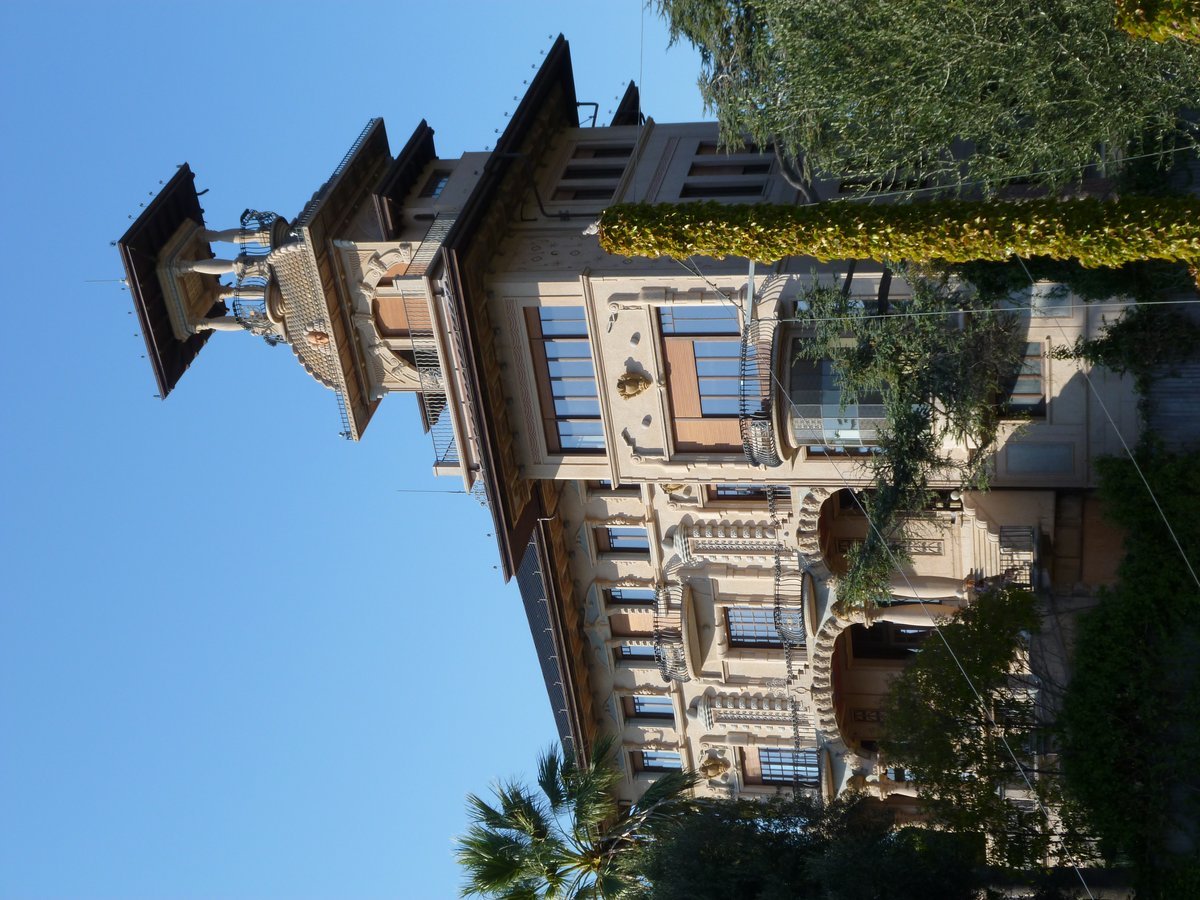
Villa Grock is the fascinating residence built between 1924 and 1930 by the famous clown Grock on the hills of Oneglia. Today it houses the Clown Museum with interactive installations that tell his story and the art of the circus. The 7,000 sqm park is a riot of symbolism, with fountains, ponds, and rare plants.
Explore the themed rooms of the museum, from the Music Room to the Room of Wonders.
Get lost in the symbolic park among Lebanon cedars, fountains, and water features.
Discover Grock’s life, the King of Clowns, through original artifacts and vintage films.
Enjoy the panoramic terrace with views of the city and the sea.
Introduction: A Dive into Fantasy
Villa Grock is a Liberty gem nestled in the hills of Oneglia, Imperia. Stepping inside means crossing the threshold into a fantasy world created by the ‘King of Clowns,’ Adrien Wettach. Every corner oozes creativity: arches, club-shaped columns, sundials, playful fountains, and a park rich in esoteric symbols. It is not just a villa; it is a stone self-portrait of a brilliant artist. The interactive museum completes the experience, making the visit suitable for all ages. Get ready to smile and be amazed.
Historical Notes: From Villa to Museum
Grock purchased the land in 1927 and, together with surveyor Brignole, realized his residential dream. The villa was originally called Villa Bianca, in honor of his daughter. After his death in 1959, the property fell into disrepair. In 2002, the Province of Imperia purchased it and began restoration: the park reopened in 2006, the villa in 2010. In 2013, the Clown Museum was born. By 2025, it had reached 28,000 visitors, a sign of growing interest. Here is the essential timeline:
Liberty Architecture and Esoteric Symbols
The villa is an eclectic mix of styles: Liberty, Baroque, Rococo, Art Deco, and Orientalizing. The decorations are rich in esoteric symbolism, with spheres and sundials representing temporal perfection. Water is a key element: from the hemispherical fountain to the elliptical fish pond, with water games and jets. The original park covered 7,000 square meters, with cedars, palms, and rare plants. The spindle-shaped columns recall juggling clubs, and clownish masks adorn balustrades and fountains. A true visual spectacle.
The Interactive Clown Museum
The museum spans three floors and offers an immersive experience. On the first floor, the Music Room lets you ‘play’ Grock’s instruments, while the Wonder Room features distorting mirrors. On the second floor, the Emotion Room projects interactive films and the Theater of Symbols Room showcases color-changing photographic panels. There are also historical artifacts, costumes, and clown tools. The panoramic terrace offers a breathtaking view of the park and the sea. It’s an experience that blends history, art, and fun.
Why Visit It
1. It is the only Liberty-style home in the world dedicated to a clown, a total work of art. 2. The Clown Museum is interactive and engaging, perfect for families: you can play instruments, try on costumes, and discover the magic of the circus. 3. The park is a peaceful oasis with a view of the Gulf of Imperia, ideal for a stroll among fountains, statues, and rare plants. Additionally, the visit pairs well with other city museums, such as the Olive Museum or the Naval Museum.
When to go
The most suggestive moment? Late afternoon, when the low sun illuminates the Liberty decorations and the water features. The warm light enhances the colors of the mosaics and fountains. In spring the park is in bloom, in autumn the temperatures are mild and there are fewer crowds. Avoid Monday if possible, as it closes early (only 10-13). It is closed on Tuesday, so plan your visit from Wednesday to Sunday.
In the Surroundings
Just a stone’s throw away is the Olive Museum of Imperia, a perfect stop for lovers of Ligurian food culture. Or, take a stroll through Porto Maurizio with its colorful historic center, the Cathedral of San Maurizio, and typical alleys. If you love the sea, the seaside promenade starts from Oneglia. Imperia also offers the Naval Museum and the Museum of Contemporary Art, all easily reachable by car or public transport.