
🧭 What to Expect
- Ideal for a weekend exploring Romagna's history
- Highlights: Abbey of San Mercuriale, Cathedral, San Domenico Museums
- Recommended for art lovers and curious travelers
- Best time spring and autumn, but visitable year-round
Events nearby
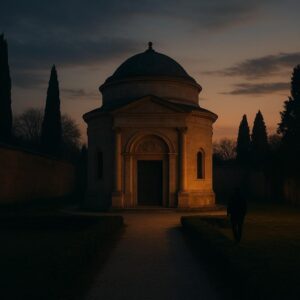
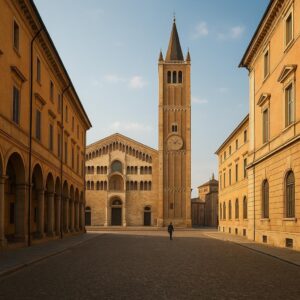
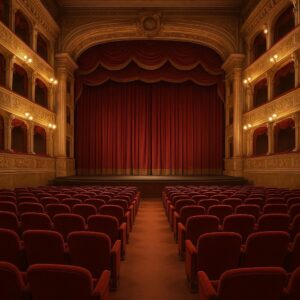
What to see in Forlì? Forlì is a city that surprises: a compact historic center full of monuments and museums, perfect for a weekend or a day trip. Strolling through Piazza della Vittoria, the main square, you'll encounter the Cathedral of Santa Croce and the imposing Abbey of San Mercuriale, symbols of the city. Don't miss the San Domenico Museums, which house the art gallery and temporary exhibitions, and the Museum of the Risorgimento for history buffs. For architecture lovers, the Rocca di Ravaldino and the Civic Tower offer stunning views. Forlì also boasts vibrant culture with the Diego Fabbri Theater. The route can start from Porta Schiavonia, an ancient gateway, and continue towards the Church of San Pellegrino and the Sanctuary of Santa Maria delle Grazie. For a green break, the Franco Agosto Urban Park offers relaxation. Forlì is also about food: try the piadina romagnola and passatelli. In short, a concentration of history, art, and flavors.
Overview
- Cathedral of Santa Croce: A Dive into History, Art, and Faith
- Abbey of San Mercuriale
- Rocca di Ravaldino
- Rocca di Ravaldino
- San Domenico Museums and Art Gallery
- Museum of the Risorgimento: Between Relics and National History
- Porta Schiavonia: Forlì's Only Surviving Gate
- Basilica of San Pellegrino Laziosi: Between Faith and History
- Piazza della Vittoria: The Monumental Heart of Forlì
- Civic Tower: Forlì's Rediscovered Symbol
- Teatro Diego Fabbri: A Modern Treasure Chest of Theatre and Culture
- Sanctuary of Santa Maria delle Grazie: a Renaissance Jewel with a Circular Floor Plan
- Romagna Theatre Museum: A Journey into Forlì's Opera
- Villa Carpena – The House of Memories
- Church of Sant'Antonio Vecchio: A Romanesque Gem in the Heart of Forlì
- Palazzo Guarini Torelli: Art, History, and a Canovian Legacy
Itineraries nearby
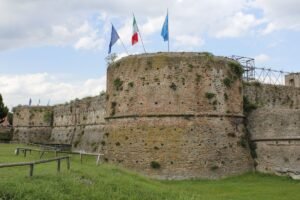
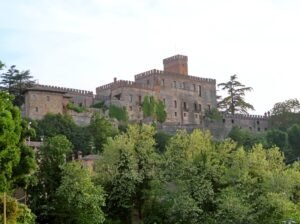
Cathedral of Santa Croce: A Dive into History, Art, and Faith
- Go to the page: Forlì's Santa Croce Cathedral: Neoclassical Facade and Romanesque Bell Tower
- Via degli Orgogliosi, Forlì (FC)
- Open in Google Maps
- View on Google Images
 The Cathedral of Santa Croce, Forlì's Duomo, is far more than a place of worship: it's a journey through the city's history. Don't be fooled by its 19th-century neoclassical facade, the work of architect Giulio Zambianchi (completed in 1841). As soon as you step inside, you realize the past is alive and layered here. The floor plan features three naves with Corinthian columns, but the real surprise lies in the two side chapels, remnants of the medieval church. On the left, the Chapel of the Madonna of the Fire is a Baroque triumph: built between 1619 and 1636, it houses the 15th-century woodcut that, according to tradition, miraculously survived a fire in 1428. She is the city's patron saint, and her feast day on February 4th is a must-see event (complete with anise-flavored piadina!). The octagonal dome, frescoed by Carlo Cignani with the Assumption of the Virgin, will leave you speechless. On the entrance arch, Pompeo Randi painted the miracle. On the other side, the Chapel of the Blessed Sacrament (1490) was commissioned by Caterina Sforza: it houses the fresco of the Madonna of the Wound, which legend says bled after being stabbed. Don't miss the 12th-century Romanesque wooden crucifix, with Christ in triumph (no nails or crown of thorns, but open eyes and a royal crown). A small gem: under the dome's arch, to the right, lies the tomb of painter Cignani. The current bell tower is a postwar reconstruction (the original collapsed in 1944), but it doesn't spoil the view. Admission is free, and the church is open daily (6:30 AM–12:00 PM and 4:00 PM–7:00 PM). A tip: seek out the Chapter Archive (accessible by request in the sacristy) to see 14th-century reliquaries and the painting of the miracle. In short, a place where you can truly touch centuries of devotion and art.
Abbey of San Mercuriale
- Go to the page: San Mercuriale Abbey Forlì: 75m Romanesque Bell Tower and Renaissance Cloister
- Piazzetta delle Poste, Forlì (FC)
- Open in Google Maps
- View on Google Images
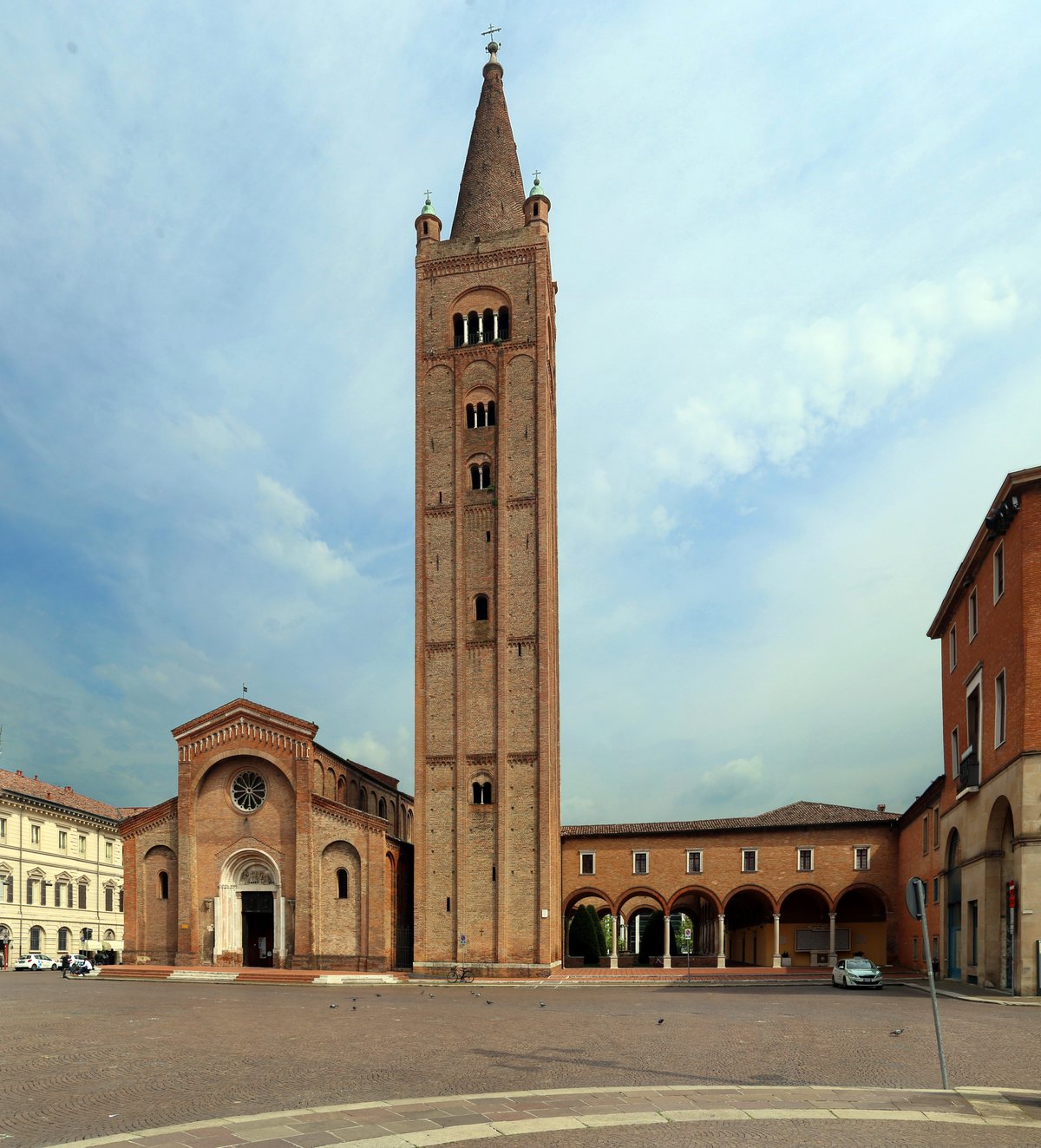 In the heart of Forlì, in Piazza Aurelio Saffi, stands the Abbey of San Mercuriale, the city's most iconic monument. Built between 1178 and 1181 in Lombard Romanesque style, it rises on the remains of a 6th-century parish church. The red brick façade is dominated by a bell tower over 75 meters tall, which inspired that of St. Mark's in Venice. On the lunette of the portal, a high relief by the Master of the Months of Ferrara depicts the Dream and Adoration of the Magi, considered one of the first carved nativity scenes. Inside, with three naves and wooden trusses, works by Marco Palmezzano, Ludovico Cardi, and the funerary monument of Barbara Manfredi (1466) are preserved. The relics of the patron saint are in the Mercuriali Chapel; studies from 2018-2019 confirmed that the body and head belong to a man of Asian origin, who died between the ages of 50 and 60. The atmosphere is intimate, amid the scent of incense and light filtering through the rose window. Admission is free and the church is open daily from 7:30 AM to 7:00 PM. The bell tower can only be visited on special occasions (Christmas, Easter, February 4, and October 26). Park in Piazza XX Settembre and stroll through the Renaissance cloister, frescoed with scenes from the life of Saint John Gualbert.
Rocca di Ravaldino
- Go to the page: Rocca di Ravaldino: The Fortress of Caterina Sforza in Forlì
- Via Giovanni dalle Bande Nere, Forlì (FC)
- Open in Google Maps
- View on Google Images
 While strolling through Forlì, you simply can't miss the Rocca di Ravaldino, better known as the Rocca di Caterina Sforza. This imposing Renaissance fortress was rebuilt in 1471 at the behest of Pino III Ordelaffi, designed by Giorgio Marchesi da Settignano. Its square layout with four circular towers and a tall keep makes it instantly recognizable. One detail that really struck me? The spiral staircase carved from sandstone inside the keep: a full 47 steps (some sources say 67) that support themselves through overlapping, with no central pivot. A true architectural rarity! Here, Caterina Sforza lived and heroically held out after the assassination of her husband Girolamo Riario in 1488. Her story is wrapped in legend: it's said that during the siege she displayed incredible courage, defying her enemies with a gesture that became a symbol of her determination. In 1500, the fortress fell under Cesare Borgia, whose coat of arms is still visible on the southern curtain wall. Later used as a prison, it still bears the prisoners' carvings. Today, after a long restoration, it reopened to the public in April 2024. It hosts the summer event 'Arena Forlì Rocca di Caterina Estate' with music and shows, while in winter 'Forlì Rocca Experience' offers historical reenactments. Entry is free on weekends (hours vary). A visit here will transport you back in time, amid history, architecture, and a breathtaking view over the city. Oh, and the garden with its old benches is perfect for a break in the shade of the nettle trees.
Rocca di Ravaldino
- Go to the page: Ravaldino Fortress: Medieval Fortress with Towers and Panoramic View over Forlì
- Via Giovanni dalle Bande Nere, Forlì (FC)
- Open in Google Maps
- View on Google Images
While strolling through Forlì, you simply can't miss the Rocca di Ravaldino, better known as the Rocca di Caterina Sforza. This imposing Renaissance fortress was rebuilt in 1471 at the behest of Pino III Ordelaffi, designed by Giorgio Marchesi da Settignano. Its square layout with four circular towers and a tall keep makes it instantly recognizable. One detail that really struck me? The spiral staircase carved from sandstone inside the keep: a full 47 steps (some sources say 67) that support themselves through overlapping, with no central pivot. A true architectural rarity! Here, Caterina Sforza lived and heroically held out after the assassination of her husband Girolamo Riario in 1488. Her story is wrapped in legend: it's said that during the siege she displayed incredible courage, defying her enemies with a gesture that became a symbol of her determination. In 1500, the fortress fell under Cesare Borgia, whose coat of arms is still visible on the southern curtain wall. Later used as a prison, it still bears the prisoners' carvings. Today, after a long restoration, it reopened to the public in April 2024. It hosts the summer event 'Arena Forlì Rocca di Caterina Estate' with music and shows, while in winter 'Forlì Rocca Experience' offers historical reenactments. Entry is free on weekends (hours vary). A visit here will transport you back in time, amid history, architecture, and a breathtaking view over the city. Oh, and the garden with its old benches is perfect for a break in the shade of the nettle trees.San Domenico Museums and Art Gallery
- Piazza Guido da Montefeltro, Forlì (FC)
- Open in Google Maps
- View on Google Images
 If you're passing through Forlì, don't miss the San Domenico Museums, a complex that blends history, art, and culture in a stunning setting. Housed in a former 13th-century Dominican convent, it now hosts the Civic Art Gallery and world-class temporary exhibitions. The museum route winds through five historic buildings: the Dominican Convent, the Church of San Giacomo Apostolo, the Augustinian Convent, the Santa Caterina Hall, and Palazzo Pasquali. Each space has its own character, but the real gem is the refectory with 16th-century frescoes by Girolamo Ugolini, including the Crucifixion and scenes from the life of Saint Dominic. Inside, the gallery boasts masterpieces like Lady with Jasmine by Lorenzo di Credi, the Annunciation by Marco Palmezzano – with the bell tower of San Mercuriale in the background – and the famous Ebe by Canova, one of four autograph versions. Works by Beato Angelico, Guercino, and many other masters are also on display. Note: the gallery ticket also grants access to the Palazzo Romagnoli site. The complex is easily reachable, with adjacent parking, and is wheelchair accessible. Beyond the permanent collection, unmissable exhibitions are held every year – past themes have included Baroque, Ulysses, and Mary Magdalene – drawing visitors from across Italy. In short, it's a place where ancient and contemporary art dialogue, perfect for a morning or afternoon of discovery.
Museum of the Risorgimento: Between Relics and National History
- Corso Giuseppe Garibaldi, Forlì (FC)
- Open in Google Maps
- View on Google Images
 If you find yourself in Forlì and want to immerse yourself in Italian history, don't miss the Museo del Risorgimento “A. Saffi”, a small treasure trove of memories housed in the eighteenth-century Palazzo Gaddi. Founded in 1888 thanks to a donation from Amalia, wife of patriot Piero Maroncelli, the museum has been enriched over the decades by bequests from Forlì citizens, now covering the period from the Napoleonic era to World War II. Upon entering, a intimate atmosphere welcomes you: eight rooms named after figures such as Aurelio Saffi, Achille Cantoni, and Carlo Matteucci, featuring documents, manuscripts, clothing, and period photographs. The Garibaldi spirit of the Forlì people emerges strongly: there are relics of Garibaldi, of Antonio Fratti (fallen at Domokos), and of the Spazzoli brothers. A small room is dedicated to the two Gold Medals of the Great War, Fulcieri Paulucci di Calboli and Italo Stegher. Also on display are artifacts from the 11th Infantry Regiment “Forlì”, with its historical diary from 1871 to 1938, and testimonies of the Resistance, such as those of the Corbari partisan group. Due to restorations begun in 2004, the museum has been relocated to the ground floor, where the reduced space has temporarily hidden the sections on World War II and the African wars. But what remains is already fascinating. Don't miss the adjoining Sala Raniero Paulucci de Calboli, with exquisite bookbindings from the 16th to the 20th century and sculptures by Adolfo Wildt. Free admission, open Tuesday–Saturday 9–13 and Sundays by request. I recommend calling ahead (0543 712627 or 0543 21109) to be sure. A place that moves and inspires reflection, perfect for those who love stories of courage and freedom.
Porta Schiavonia: Forlì's Only Surviving Gate
- Piazzale di Porta Schiavonia, Forlì (FC)
- Open in Google Maps
- View on Google Images
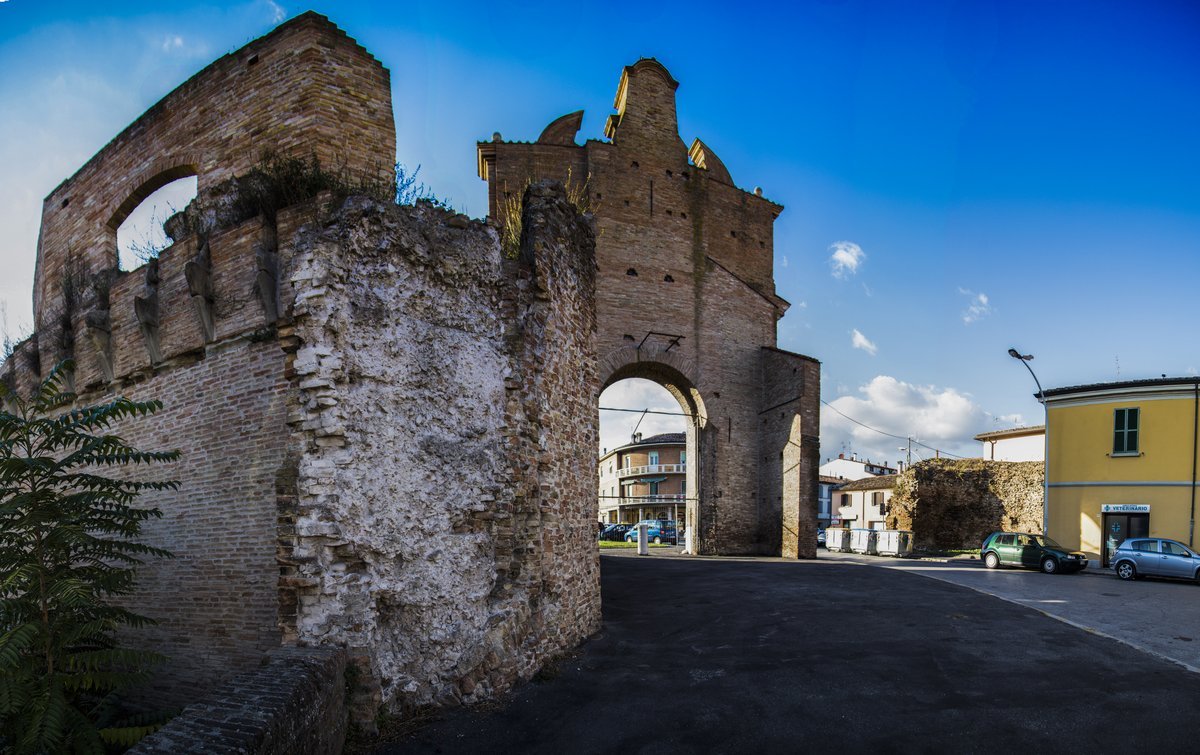 As you stroll along Corso Garibaldi toward the Montone River, you'll come across Porta Schiavonia, the only one of Forlì's four medieval gates to survive the demolitions of the early 1900s. It faces north, once connecting the city to the outer borough, and now stands amid an area undergoing radical transformation. Its current appearance dates back to the 17th century, in Baroque style: a single round-arched gateway flanked by pilasters, topped with the city coat of arms and a Latin inscription. Beneath the arch, a niche once held a painting of the Madonna del Fuoco between Saints Vitale and Valeriano, patrons of Forlì. But the gate's history is turbulent: first documented in the 1200s, it was demolished and rebuilt several times, and in 1556 even Pope Paul IV ordered its removal to rebuild it in a more strategic position. The name 'Schiavonia' possibly derives from Slavic merchants who frequented the area, though locals pronounce it 'S-ciavanì'. Today, the gate is at the center of a redevelopment project: two large buildings that housed the Centro Giochi 2000 and the Diagonal Loft Club have been demolished, and in their place a Despar supermarket with public parking will be built, ensuring hydraulic safety after the May 2023 flood (when the Montone overflowed right here). Nearby, the remains of the ancient Rocchetta di Schiavonia and the Monument to the Angels of Mud commemorate the community's resilience. A place where history, urban planning, and neighborhood life intertwine.
Basilica of San Pellegrino Laziosi: Between Faith and History
- Piazza Giovan Battista Morgagni, Forlì (FC)
- Open in Google Maps
- View on Google Images
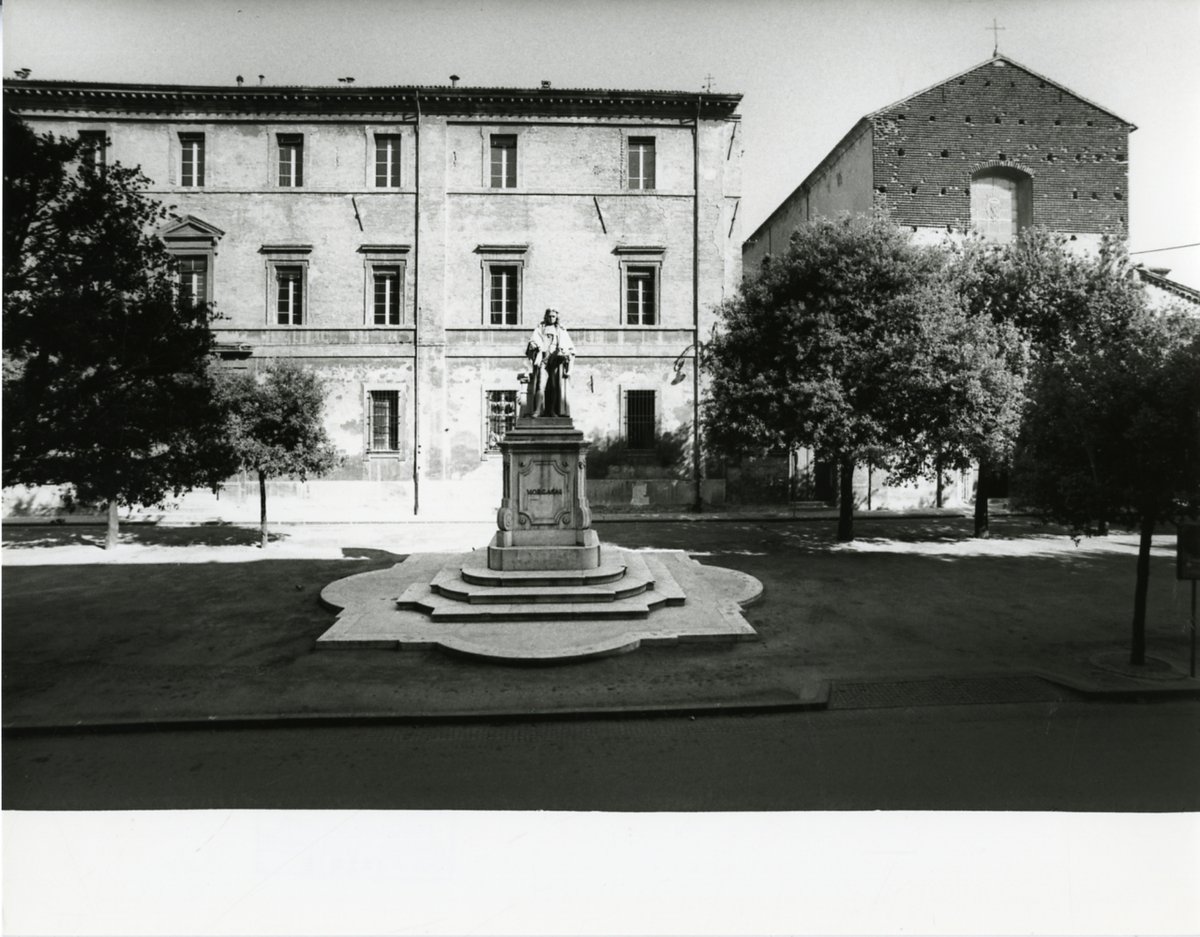 If you're passing through Forlì, you can't miss the Basilica of San Pellegrino Laziosi, also known as the Church of Santa Maria dei Servi. The brick façade is deceptively simple: once inside, you're immersed in a Baroque extravaganza, with three naves and ten richly decorated side altars. The contrast is deliberate, almost theatrical. Here lies the saint's body, in a glass case within the Cappella di San Pellegrino, designed by Giuseppe Merenda between 1741 and 1743. I also recommend checking out the Sala del Capitolo, a 14th-century room preserving frescoes from the Giottesque school – one of the few examples of Gothic art in Romagna. Pellegrino Laziosi, who lived between the 13th and 14th centuries, is the patron saint of cancer patients: legend has it that he was miraculously healed of a gangrenous leg after praying before the crucifix. Every May 1st, in his honor, the Fiera di San Pellegrino takes place: the church square fills with stalls selling cedars, the saint's symbolic fruit, which according to tradition had healing properties. Admission is free, and the church is open daily from 7:30 to 11:30 and from 4:30 to 6:45 PM. In short, a place that surprisingly blends art, devotion, and folk traditions.
Piazza della Vittoria: The Monumental Heart of Forlì
- Forlì (FC)
- Open in Google Maps
- View on Google Images
 If you're passing through Forlì, stop at Piazza della Vittoria: it's the city's monumental living room, a busy intersection that tells stories of war and imposing architecture. At the center stands the 22-meter-high Tuscan column in Trani stone, topped by three bronze statues of the Winged Victory – a 1932 work by Cesare Bazzani. On the sides, two sacrificial altars with bas-reliefs by Bernardino Boifava depict Attack, Defense, Sacrifice, and Victorious Peace; water flowing from the masks adds an almost sacred touch. Don't miss the Twin Palazzos (also by Bazzani) that form a scenic entrance to Corso della Repubblica, and the nearby former Aeronautical College, in pure rationalist style, with the statue of Icarus in front. Beneath your feet, Roman artifacts remind you that the Via Emilia once passed here. It's a place that blends national pride and everyday life: among cars and pedestrians, you can breathe an atmosphere of times past.
Civic Tower: Forlì's Rediscovered Symbol
- Piazzetta della Misura, Forlì (FC)
- Open in Google Maps
- View on Google Images
 Walking through Piazza Saffi, you can't miss it: the Civic Tower rises behind the town hall, 72 meters high, a symbol of civic power. But what you see today is not the original: the tower was blown up by the retreating Nazis on November 9, 1944, and for thirty years Forlì's center was without its sentinel. Rebuilt between 1975 and 1976 thanks to a public subscription, the tower is now a few meters taller than its 19th-century version, which stood at 65 meters. The load-bearing structure is reinforced concrete clad in exposed brick, retaining its original appearance. But its history goes back much further: it stands on Roman-era remains, when the Montone River flowed here. In the Middle Ages, it served as a watchtower, bell tower, clock tower, and even a prison. Beheaded corpses of the executed were displayed at the top—a gruesome warning. The clock, now electric, has four faces and has marked the city's life since the 14th century. At its base, in the underground, a prison was hidden where many died, including Cecco IV Ordelaffi. Today, the tower is not open to the public, but admiring it from outside is an experience that takes you back in time. The rear side, overlooking Piazzetta XC Pacifici, holds three plaques commemorating the reconstruction and some fallen individuals. A tip? Look up: the four clock faces are visible from every corner of the square, and in the evening the tower is lit up, creating a magical atmosphere. Forlì without its Civic Tower would not be the same.
Teatro Diego Fabbri: A Modern Treasure Chest of Theatre and Culture
- Corso Armando Diaz 47, Forlì (FC)
- https://www.accademiaperduta.it/teatro_diego_fabbri_forli-856.html
- Open in Google Maps
- View on Google Images
 If you're passing through Forlì, don't miss the Teatro Diego Fabbri, the city's main theatre. Inaugurated in September 2000 with a memorable concert by the Filarmonica della Scala orchestra conducted by Riccardo Muti, this theatre has a fascinating history. It stands on the site of the old Cinema Astra, which itself had replaced the Teatro Comunale destroyed in 1944 when the civic tower collapsed onto it during a bombing. The name pays homage to Forlì-born playwright Diego Fabbri. Today it is a cultural landmark, with a capacity of 710 seats (550 in the stalls and 160 in the gallery), a 100-seat foyer, and two rehearsal rooms. The structure is modern, not in the Italian style, with clean, functional lines. The programming ranges from drama to dance, comedy to music, with a season featuring over 30 events. I found it welcoming and well-organized, with a lively, youthful atmosphere. The foyer is perfect for an aperitif before the show, and the staff are friendly. If you're in town, check the schedule: it's worth booking a ticket. The box office (0543 26355) is open on performance days, or you can purchase online. In short, a place that combines history, art, and quality entertainment.
Sanctuary of Santa Maria delle Grazie: a Renaissance Jewel with a Circular Floor Plan
- Via del Santuario, Forlì (FC)
- Open in Google Maps
- View on Google Images
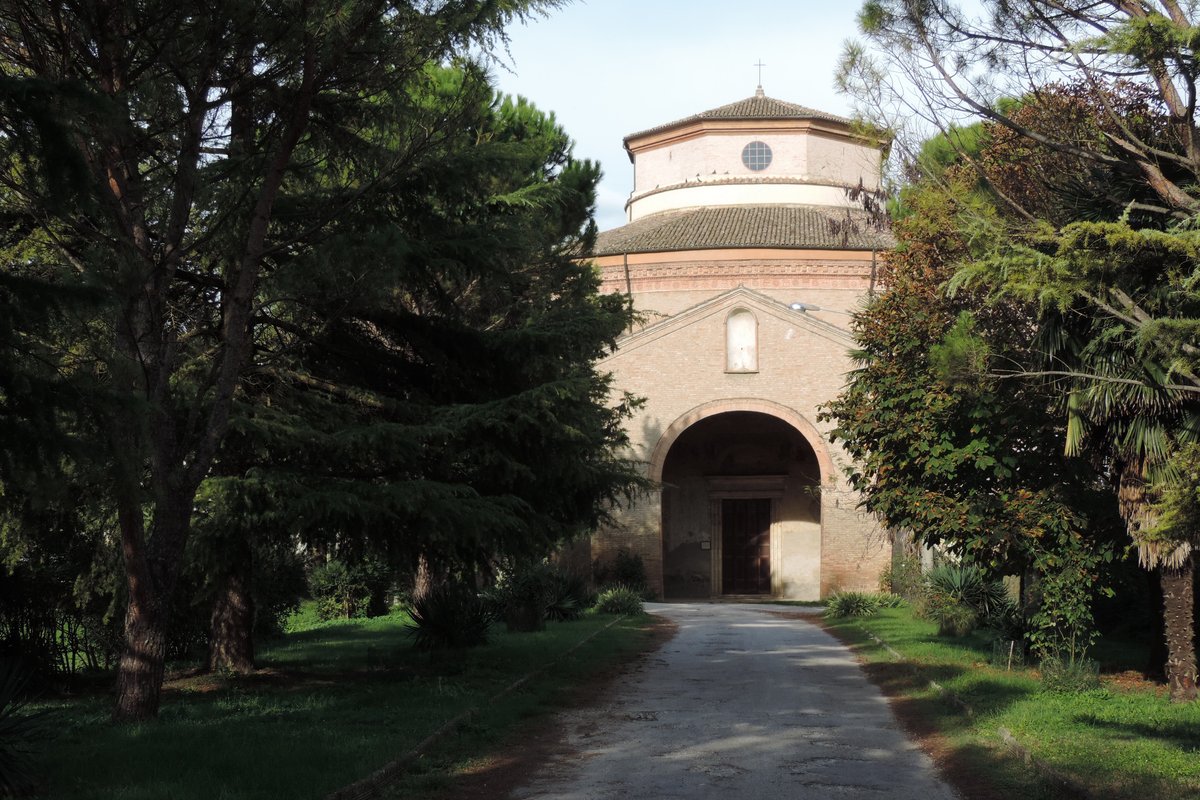 If you find yourself in Forlì, don't miss the Sanctuary of Santa Maria delle Grazie, in the hamlet of Fornò. This building is one of the most important examples of Renaissance architecture in Romagna, with a circular floor plan 34 meters in diameter that makes it one of the most significant circular churches in Italy. Its history begins in 1450 at the behest of Pietro Bianco, a former Albanian pirate turned hermit, who wanted to build a sanctuary dedicated to the Madonna. From the outside, the atrium with trusses and frescoes by Pietro da Bagnara stands out, while above the portal a niche houses a copy of the Madonna and Child by Agostino di Duccio (the original is at the Bishop's Palace). Inside, the space is enveloping: under the octagonal dome, a Renaissance terracotta frieze depicts apostles and saints, restored in 1853. On the left, the portrait of Pope Julius II stands out, who stayed here in 1507. Opposite is the tomb of Pietro Bianco (1479), a suspended marble sarcophagus with the hermit's lifelike face, as if molded from a death mask. But the true masterpiece is the marble aedicule of the Holy Trinity adored by Pietro Bianco, attributed to Agostino di Duccio: a bas-relief that Vittorio Sgarbi defines as unique in the world. On the central altar shines the icon of the Madonna Theotokos, while in the side chapels there are 17th-century paintings. Note: to visit, you must ring the bell of the Papa Giovanni XXIII community (contact don Mauro Ballestra at 3393315393). Weekend Masses are at 8:30 and 10:30. The sanctuary is also open from 3 pm to 5 pm. Getting there is easy: from the A14 Forlì tollbooth, take via Cervese toward Cervia, then at Carpinello turn right onto via del Santuario. A place that combines art, faith, and an incredible story.
Romagna Theatre Museum: A Journey into Forlì's Opera
- Via Sassi, Forlì (FC)
- Open in Google Maps
- View on Google Images
 If you are in Forlì and you are passionate about opera or theatre history, you cannot miss the Romagna Theatre Museum, housed on the ground floor of Palazzo Gaddi (Corso Garibaldi 96). A true gem born from donations by tenor Angelo Masini and soprano Maria Farneti, later expanded with over 650 objects collected by Antenore Colonnelli. Wandering through the eight rooms, you will almost hear the applause of the audience at the Imperial Theatre in St. Petersburg or the Teatro Comunale of Forlì, designed by Cosimo Morelli in 1776 and sadly destroyed in 1944. Each room has a story: Masini's room displays his cobbler's workbench, stage costumes (such as the Duke of Mantua's corset), and even an autograph note from Verdi. A little further on, Maria Farneti's room recounts her rise in the verismo repertoire with photos and memorabilia. The part that struck me most is the Musical Instruments Room, with the 'Masini' string quartet built by Secondo Paganini on a Guarneri del Gesù model, and a 1926 player piano. And then there are the Canterini Romagnoli, with their a cappella 'cante' set to music by Cesare Martuzzi. A corner is also dedicated to Ines Lidelba, queen of operetta, and actor Ermete Novelli. The museum is open by appointment only, but entrance is free. A gem: in the courtyard, two bronze medallions of Siboni and Tadolini, originally from the old theatre. For enthusiasts, the puppet collection (about a hundred) is available upon request. A dive into Romagna culture that is definitely worth a visit.
Villa Carpena – The House of Memories
- Via Crocetta, Forlì (FC)
- Open in Google Maps
- View on Google Images
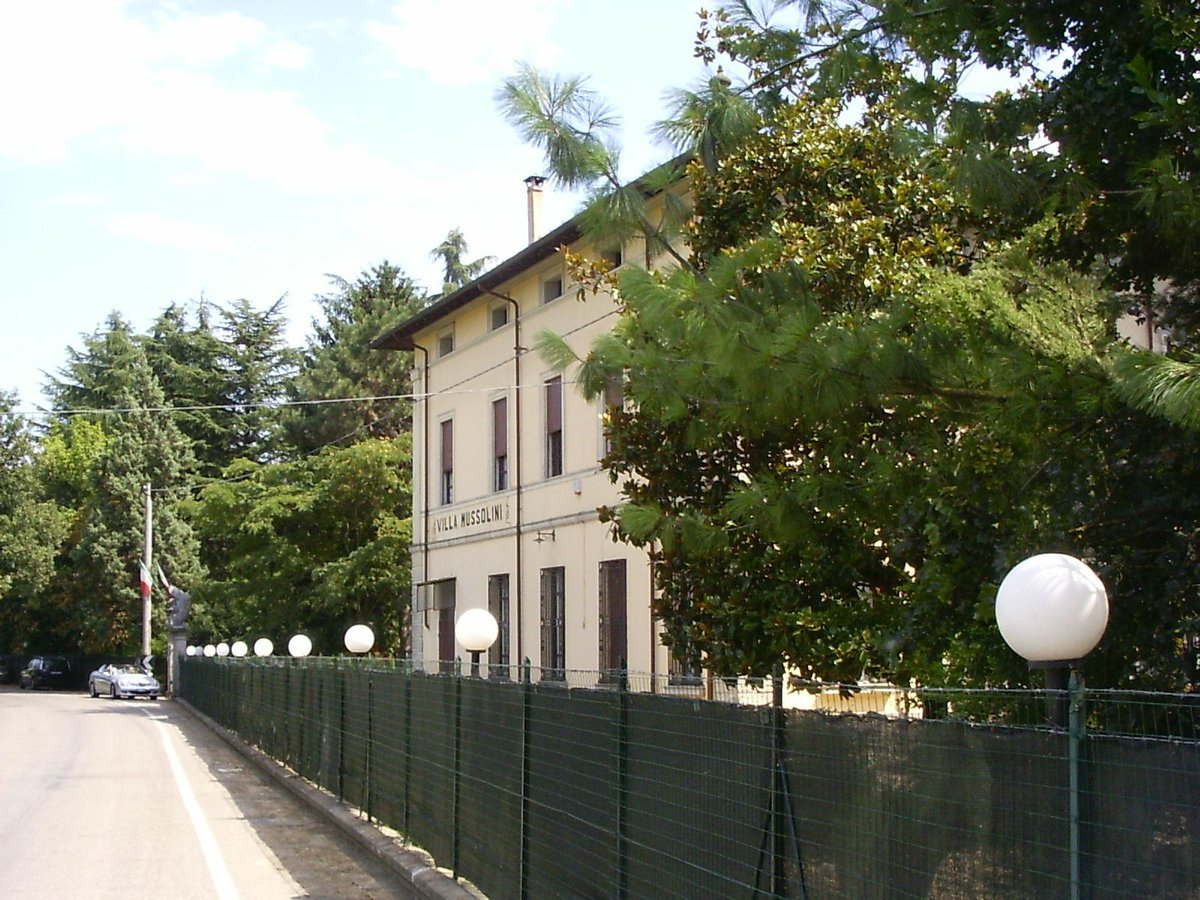 Just a few kilometers from Forlì, nestled in the countryside, you'll find Villa Carpena, also known as Villa Mussolini. Don't expect a palace: this is a rural home that tells the story of a family, with all its ups and downs. Purchased in 1914 by Rachele Guidi, the villa was expanded by Benito Mussolini in 1923. Today it is a private museum, open since 2001, where time seems to have stood still. You step into a world of everyday objects, original furniture, and personal memories: from the Bianchi motorcycle to the Duce's violin, from the uniform worn on April 25, 1945, to a pastel drawing by his son Bruno. But it's not just nostalgia: the garden surprises with a working Fieseler Fi 156 Storch, a cardboard playhouse from 1927 for the children, and statues by Francesco Messina. There's also a votive pagoda donated by Emperor Hirohito. Every corner has a story to tell. Guided tours are ideal for discovering the rooms – from the waiting room to Mussolini's study – and the guide's tales bring everything to life. The route unfolds over three floors: on the ground floor the kitchen and study, on the first floor the bedrooms, and in the attic a library dedicated to Romano Mussolini. The ground is slightly uneven, so comfortable shoes are a must. Villa Carpena is not only a place for history enthusiasts but also for those seeking an authentic atmosphere, amidst the scents of the countryside and silence. And if you're lucky, you might come across one of the sports or cultural events organized by the local tennis club.
Church of Sant'Antonio Vecchio: A Romanesque Gem in the Heart of Forlì
- Via Sant'Antonio Vecchio, Forlì (FC)
- Open in Google Maps
- View on Google Images
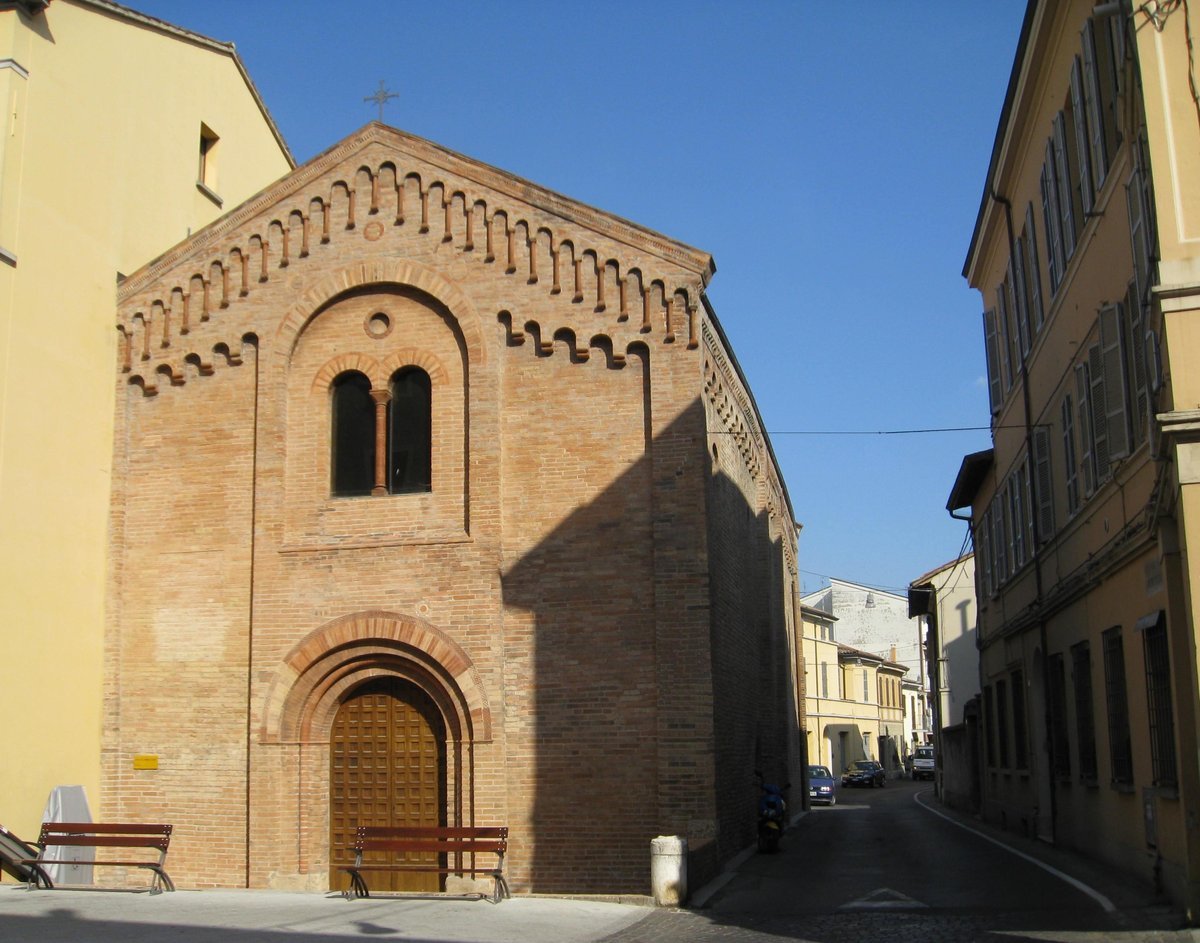 If you stroll along Corso Armando Diaz, you'll come across a small Romanesque church that seems to have emerged from another era: it's the Church of Sant'Antonio Vecchio, a building that has crossed centuries, changing its face countless times. Built in the early years of the 12th century at the behest of the abbot of the monastery of Fiumana, it first appears in a document from 1226. After the Napoleonic deconsecration in 1797, it served as a barn, stable, dance hall (called "Gran Bretagna"), fodder store, and even a grocery shop. A degradation that seemed irreversible, but thanks to restorations in the 1930s and 1950s, the church now shines again. On the brick façade, an elegant central two-light window stands out, while the ancient frescoes (a Madonna with Child and Saint Anthony Abbot) were detached in 1997 and are now at the San Domenico Museums. Inside, two large plaques commemorate over a thousand fallen from Forlì, from Guido da Montefeltro to World War II, four women killed in 1832, and much more. Since 1954, it has been the Shrine of the Fallen of All Wars, but it is also used for exhibitions and cultural events: in 2021 it hosted "Ignoto Militi 1921-2021", with free admission. The atmosphere is intimate, almost suspended: among the modern works by Piero Angelini and Enzo Pasqui, past and present merge. A stop here is a dive into Forlì's history, authentic and sometimes forgotten.
Palazzo Guarini Torelli: Art, History, and a Canovian Legacy
- Corso Giuseppe Garibaldi, Forlì (FC)
- Open in Google Maps
- View on Google Images
 Palazzo Guarini Torelli is one of those places that, while not always open, tells a fascinating story. Located along Corso Garibaldi, the ancient Via Emilia, this noble building dates back to the 16th century and boasts an austere facade with a pre-baroque balcony at the corner. Inside, unfortunately not accessible due to private ownership, hides a 16th-century square courtyard with porticoes and loggias, attributed even to Michelangelo. The garden houses a dovecote tower of unusual proportions. But the true treasure of the palace is the famous statue Ebe by Antonio Canova, commissioned in 1816 by Countess Veronica Guarini. The work, equipped with a rotating mechanism to be admired from every angle, remained here until 1887, when it was sold to the Municipality after a heated debate. Today, the Hebe is preserved at the Musei San Domenico, but its bond with Palazzo Guarini Torelli is indissoluble. The interiors, decorated by Felice Giani with neoclassical tempera, and the 18th-century furnishings make this palace a true gem. If you stroll through Forlì, stop in front of number 94: even just the exterior, with its 17th-century portal and imagined courtyard, deserves a look. And who knows, maybe one day the piano nobile will find a tenant and we'll be able to visit it again.