
🧭 What to Expect
- Ideal for a cultural weekend in the compact, walkable historic center.
- Highlights: medieval and Renaissance art, featuring the Cathedral and the unfinished Palazzo Farnese.
- Includes an interactive map with 13 marked locations, from the Etruscan Liver to the Ricci Oddi Gallery.
- Authentic, low-touristy atmosphere, perfect for a day trip between Emilia and Lombardy.
Events nearby
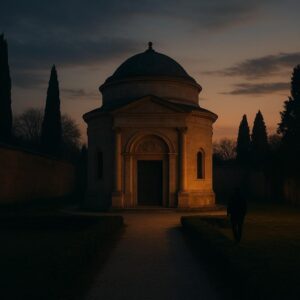
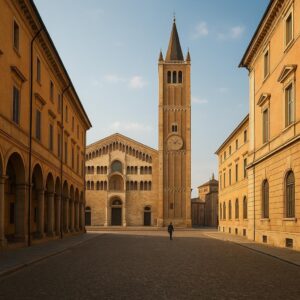
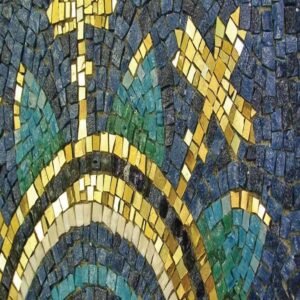
The City of Piacenza welcomes you with its perfectly preserved medieval historic center, where every stone tells centuries of history. The Romanesque-Gothic Cathedral dominates Piazza Duomo with its pink marble facade and majestic bell tower. Just steps away, Farnese Palace transports you to the Renaissance with its museums and splendid courtyard. Don't miss the Basilica of Sant'Antonino, the city's patron saint, with its characteristic octagonal porch. Walking through the streets of the center you'll discover the Ricci Oddi Gallery of Modern Art and the Romanesque churches housing artistic masterpieces. Piacenza is a human-scale city, where in just a few hours you can experience the essence of Emilia-Romagna through art, history, and excellent cuisine.
Overview
- Piacenza Cathedral
- Farnese Palace
- Basilica of Sant'Antonino
- Ricci Oddi Modern Art Gallery
- Basilica of Santa Maria di Campagna
- San Sisto
- Basilica of San Savino
- Piazza Duomo
- Margherita Gardens
- Equestrian Statue of Ranuccio I Farnese
- The Equestrian Statue of Ranuccio I Farnese
- Bridge Builders Monument
- Votive Column of the Immaculate Conception
Itineraries nearby

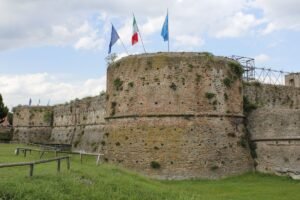
Piacenza Cathedral
- Go to the page: Piacenza Cathedral: 14th-century frescoes, crypt with 108 columns, and panoramic view
- Piazza Duomo, Piacenza (PC)
- https://cattedralepiacenza.it/
- Open in Google Maps
- View on Google Images
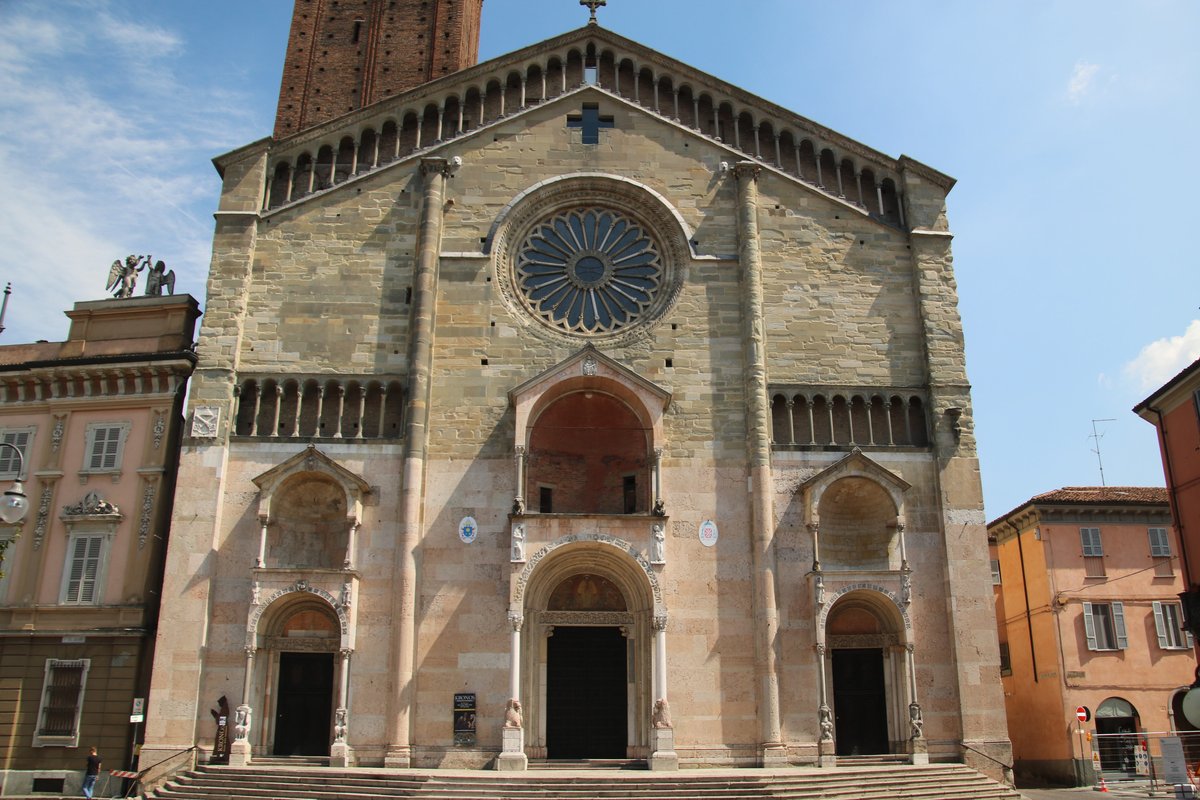 The Piacenza Cathedral, dedicated to Saint Mary of the Assumption and Saint Justina, is one of the most important examples of Romanesque architecture in Emilia-Romagna. Construction began in 1122, and it dominates Cathedral Square with its imposing sandstone facade, featuring a central rose window and three decorated portals. Inside, the frescoes in the dome, created by Guercino and Morazzone, immediately catch the eye, depicting the Assumption of the Virgin. Don't miss the Crypt, with its 108 columns, which houses the relics of Saint Justina, the city's patron saint. Climb the Bell Tower (67 meters high) for a unique panoramic view of the historic center and the Po River. Take a close look at the Labyrinth carved on a stone slab outside: a medieval symbol of spiritual pilgrimage. The cathedral is still an active place of worship, so please maintain silence during services. Admission is free, but a small fee is required to climb the bell tower. The best times to visit are early morning or late afternoon, when the sunlight illuminates the frescoes, creating captivating color effects.
Farnese Palace
- Via Campo della Fiera, Piacenza (PC)
- https://www.palazzofarnese.piacenza.it/it
- Open in Google Maps
- View on Google Images
 If you're visiting Piacenza, Farnese Palace is an unmissable stop. This imposing Renaissance building, begun in 1558 at the behest of Margaret of Austria, wife of Ottavio Farnese, dominates Piazza Cittadella with its majestic brick façade. Unfortunately, construction was interrupted and the palace remained unfinished, but this doesn't diminish its charm. Inside, the Civic Museum houses precious collections: don't miss the Etruscan Liver, an extremely rare bronze model of a sheep's liver used by haruspices for divination, a unique artifact in the world. The Art Gallery preserves works by local and other artists, such as Botticelli and Guercino, while the archaeological section collects Roman and medieval finds. Ascending to the noble floor, the Frescoed Halls transport you to the splendor of the Farnese family, with pictorial cycles celebrating the dynasty. The Courtyard of Honor, although unfinished, is an example of Mannerist architecture. The palace also hosts temporary exhibitions and cultural events. Admission is charged, with discounts for students and seniors over 65. Check the opening hours, which may vary on holidays. A tip: allow at least an hour and a half to leisurely visit all sections.
Basilica of Sant'Antonino
- Via Gianbattista Scalabrini, Piacenza (PC)
- http://www.sant-antonino.it/default.aspx
- Open in Google Maps
- View on Google Images
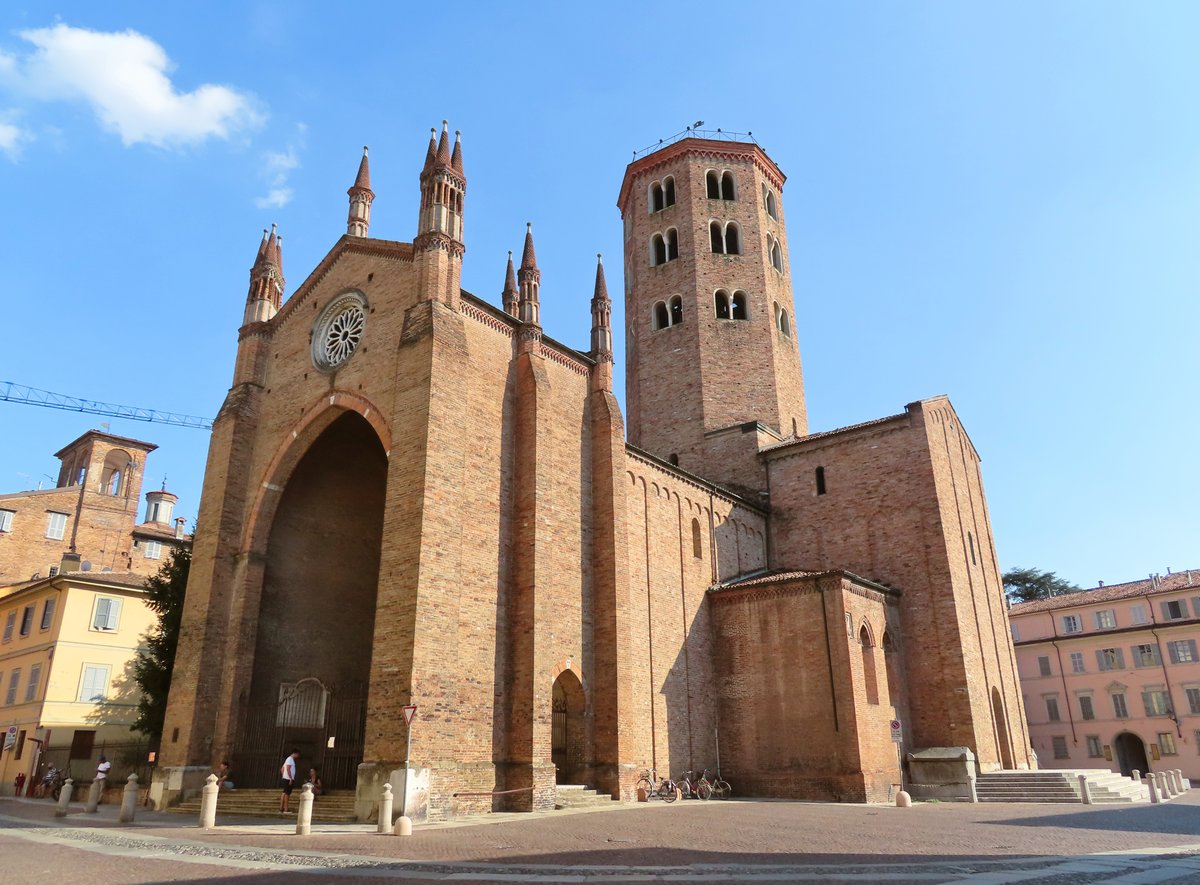 The Basilica of Sant'Antonino is the true beating heart of Piacenza, a place that tells centuries of history through its stones. Founded in the 8th century and dedicated to the city's patron saint, this basilica is not just a place of worship but a true open-air museum. The first thing that strikes you is the imposing octagonal tower that rises above the square, a unique architectural element that makes it immediately recognizable. Upon entering, you are enveloped in an atmosphere of deep spirituality, with the central nave guiding your gaze toward the high altar. Don't miss the Romanesque crypt, one of the oldest and most evocative spaces, where you can still breathe the air of the early centuries of Christianity. The basilica houses artworks of great value, including Renaissance frescoes and the tomb of Sant'Antonino, a pilgrimage destination for the devout. But what makes this place special is its Door of Paradise, a side portal that according to tradition was used by pilgrims heading to Rome along the Via Francigena. Today as in the past, the basilica remains a point of reference for those visiting Piacenza, offering not only a spiritual experience but also a journey through time via art and architecture. The advice? Visit in the morning hours, when light filters through the stained glass windows creating breathtaking plays of light.
Ricci Oddi Modern Art Gallery
- Via San Siro 13, Piacenza (PC)
- https://riccioddi.it
- Open in Google Maps
- View on Google Images
 If you love modern art, the Ricci Oddi Gallery is an unmissable stop in Piacenza. Housed in an elegant Liberty-style building from the early 1900s, this gallery welcomes you with a collection spanning from the late 19th century to the mid-20th century. Giuseppe Ricci Oddi, the collector who brought this museum to life, gathered over 400 works, focusing particularly on Italian and Piacenza artists. Among the most celebrated names stand out Giorgio Morandi, with his still lifes that enchant through their simplicity, and Umberto Boccioni, one of the fathers of Futurism. But it's not just about big names: here you'll also discover local artists like Giannino Marchig, whose portraits and landscapes tell the story of Piacenza in times past. The gallery's structure itself is a work of art, with its colorful stained-glass windows and luminous spaces that enhance every painting. Particularly interesting is the section dedicated to Symbolism and Divisionism, with works that play with light and emotions. If you visit Piacenza, don't miss this cultural corner: it's a place where art speaks directly to the heart, without needing lengthy explanations. The atmosphere is intimate and allows you to enjoy each work at your own pace, away from the crowds of more famous museums. A practical tip: always check the opening hours on the official website, as they sometimes organize temporary exhibitions that further enrich the experience.
Basilica of Santa Maria di Campagna
- Via Campagna, Piacenza (PC)
- Open in Google Maps
- View on Google Images
 If you're looking for a place that captures the artistic essence of Piacenza, the Basilica of Santa Maria di Campagna is an unmissable stop. Built in the 16th century based on a design by Alessio Tramello, this basilica stands where an ancient country church once stood, serving as the starting point for pilgrims heading to Rome along the Via Francigena. The interior will leave you breathless: the central dome is adorned with extraordinary frescoes by Pordenone, depicting God the Father among angels and saints, while in the side chapels you'll discover works by other masters like Bernardino Gatti and Antonio Sacchi. Don't miss the Chapel of Graces, with the miraculous image of the Madonna and Child venerated for centuries. The Greek cross layout creates a harmonious and majestic atmosphere, illuminated by light filtering through the windows. Take a close look at the details of the capitals and stuccoes, which showcase the decorative richness of Piacenza's Renaissance. The basilica is still a vibrant place of worship today, but also a museum of sacred art that tells centuries of history and devotion. Admission is free, so you can take all the time you need to admire every detail without rushing. If you visit Piacenza, don't miss this little-known masterpiece of rare beauty.
San Sisto
- Via Enrico Morselli, Piacenza (PC)
- Open in Google Maps
- View on Google Images
 The church of San Sisto is one of Piacenza's most significant sites, a Renaissance masterpiece that conceals a fascinating history. Founded in the 9th century as a Benedictine monastery, the current building dates back to 1499 at the behest of Abbess Benedetta da Milano, designed by architect Alessio Tramello. The interior will surprise you with its Greek cross plan crowned by a majestic dome, a rare example of Renaissance architecture in Emilia-Romagna. But San Sisto's true treasure is its connection to Raphael: from here comes the celebrated Sistine Madonna, now housed in Dresden's Gemäldegalerie. In its place, you'll find a faithful 16th-century copy that allows you to imagine the splendor of the original. Don't miss the intricately carved wooden choir from 1514, the work of Giovanni da Piacenza, and the tombs of the abbesses that recount centuries of monastic history. The church maintains an atmosphere of authentic seclusion, far from tourist crowds, perfect for a contemplative visit.
Basilica of San Savino
- Via Giulio Alberoni, Piacenza (PC)
- Open in Google Maps
- View on Google Images
 The Basilica of San Savino is one of those places that strikes you with its authentic Romanesque character, unadorned yet rich with history. Located on Via San Savino, just steps from the city center, this 12th-century church houses some of the oldest floor mosaics in Northern Italy, dating back to 1107. Upon entering, you'll immediately notice the starry sky of the presbytery, a fresco symbolizing the medieval universe, while the column capitals tell biblical stories with a simplicity that moves you. The crypt, with its stone columns, holds the relics of San Savino, bishop of Piacenza in the 4th century. The 18th-century organ is still functional, and during Mass you can hear its notes resonating beneath the vaults. The bell tower, slender yet massive, dominates the neighborhood and provides a visual landmark as you explore the area. I recommend visiting in the morning, when light filters through the single-light windows and illuminates the mosaics with scenes of fantastic animals and zodiac symbols. Admission is free, but check the opening hours as it's sometimes closed for restoration. If you're passionate about medieval art, don't miss the pavement labyrinth, a pilgrimage symbol connecting this basilica to the historic routes of the Via Francigena.
Piazza Duomo
- Piazza Duomo, Piacenza (PC)
- Open in Google Maps
- View on Google Images
 Piazza Duomo is the nerve center of Piacenza, an elegant drawing room where history and architecture merge in an unforgettable panorama. Dominating the scene is the Duomo of Santa Maria Assunta and Santa Giustina, the Romanesque cathedral begun in 1122 that commands attention with its sandstone facade and majestic bell tower. Inside, don't miss Guercino's frescoes in the dome and the Frieze of the Months on the main portal, a masterpiece of medieval sculpture. Opposite, the Gothic Palace (or Town Hall) with its battlements and pointed arches tells the story of civic power in the 13th century, while the equestrian statue of Ranuccio I Farnese recalls the rule of the noble family. The square is paved with brick and stone, perfect for a stop at the café tables with a view of the 18th-century votive column of the Immaculate Conception. Here you breathe the essence of Piacenza: a place where every corner speaks of centuries of art and power, ideal for beginning your exploration of the city. Practical tip: visit the cathedral in the morning to enjoy the light illuminating the interiors and take advantage of the square for a coffee break immersed in history.
Margherita Gardens
- Piacenza (PC)
- Open in Google Maps
- View on Google Images
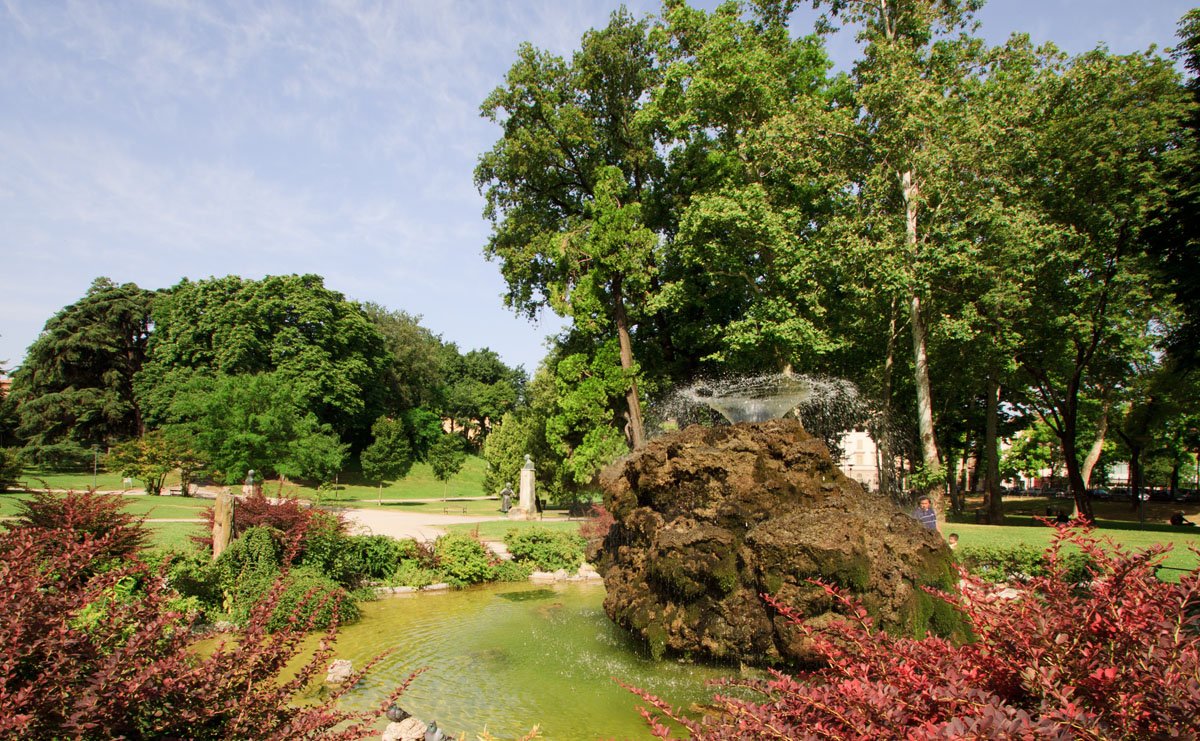 The Margherita Gardens represent the green lung of Piacenza, a historic park extending over approximately 4 hectares in the city center. Created in 1870 and named after Queen Margherita of Savoy, these gardens offer a relaxing atmosphere with their tree-lined avenues, flower beds, and expansive grassy areas. Strolling along the pathways, you'll immediately notice the neoclassical temple that dominates the park, an elegant structure reminiscent of 19th-century Italian gardens. It's the ideal spot for a break after visiting the nearby Palazzo Farnese or the Cathedral. The gardens are particularly cherished by Piacenza locals for the shaded benches where you can sit and read or simply observe the flow of life. During the warmer months, the park comes alive with families bringing children to play and students gathering on the lawns. There are also decorative fountains that add a touch of coolness, while well-maintained hedges delineate the different areas. If you're looking for a quiet corner, head towards the more secluded part, where the noise of traffic fades and you can enjoy the birdsong. The Margherita Gardens are open year-round and admission is free, making them an essential stop for anyone wanting to discover the most authentic, everyday side of Piacenza.
Equestrian Statue of Ranuccio I Farnese
- Piazza dei Cavalli, Piacenza (PC)
- Open in Google Maps
- View on Google Images
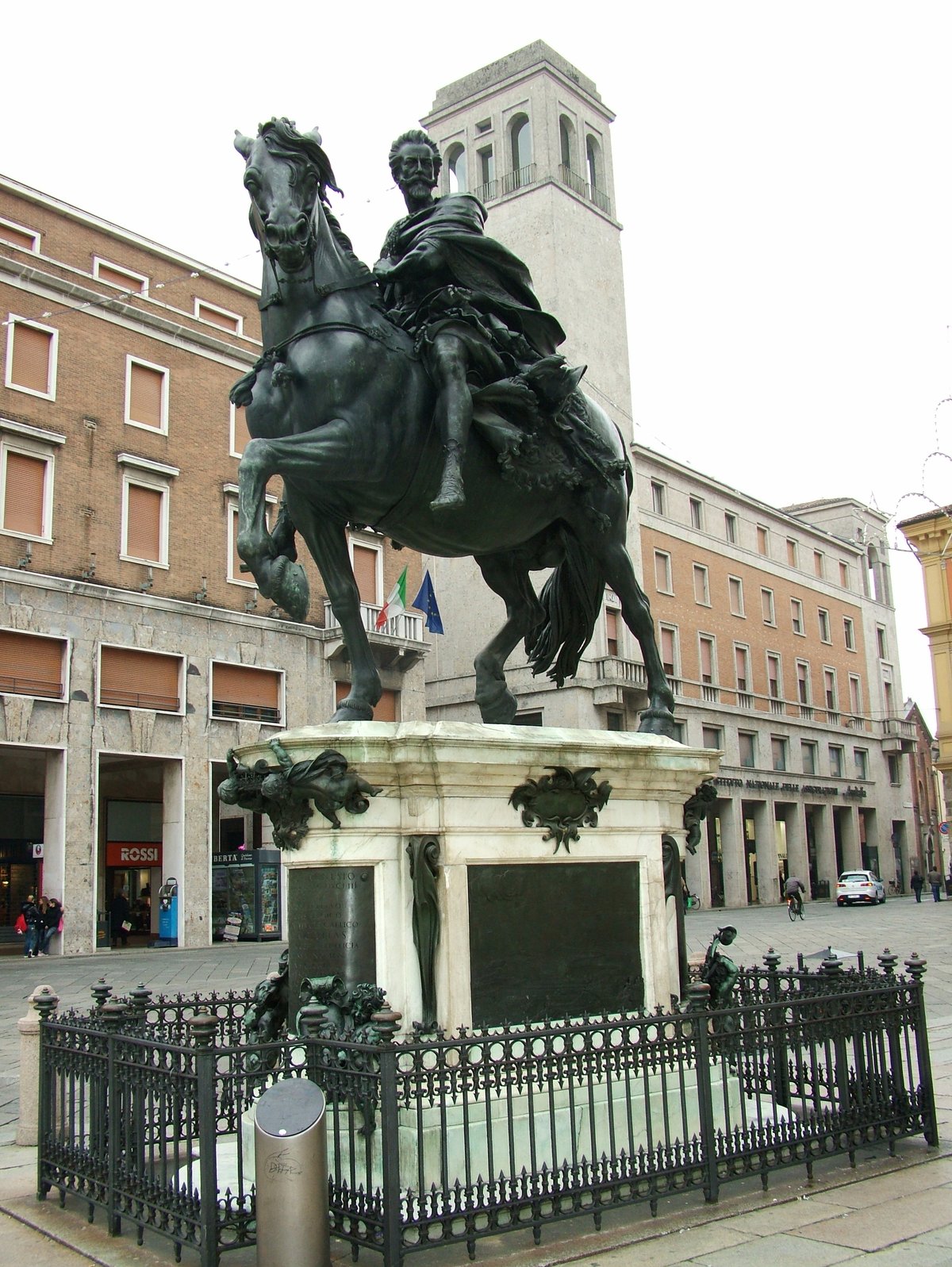 At the heart of Piazza Cavalli, the vibrant center of Piacenza, towers the Equestrian Statue of Ranuccio I Farnese, a bronze masterpiece that immediately captures attention. Created between 1612 and 1620 by Tuscan sculptor Francesco Mochi, this imposing sculpture is considered one of Italy's first Baroque equestrian statues and represents an unmissable landmark for anyone visiting the city. The statue depicts Ranuccio I Farnese, Duke of Parma and Piacenza, astride his steed with a stern and authoritative expression, symbolizing ducal power over the region. Observing it up close, you'll notice the meticulous details: the horse's veins, the duke's armor, and the dynamism of the composition that almost seems to come alive under the sun's reflections. The location is not random: it stands directly opposite the Gothic Palace, creating an architectural dialogue that tells centuries of history. Many visitors stop here to take photos, but it's worth spending a few extra minutes to appreciate the balance between strength and elegance that Mochi managed to infuse into the work. The square, paved with ancient cobblestones, provides the perfect backdrop, especially at sunset when the warm light enhances the bronze tones. If you pass by here, don't just glance at it: approach and discover the inscriptions at the base that narrate the duke's deeds. It's a work that speaks of power, art, and identity, and still defines the skyline of Piacenza's historic center today.
The Equestrian Statue of Ranuccio I Farnese
- Piazza dei Cavalli, Piacenza (PC)
- Open in Google Maps
- View on Google Images
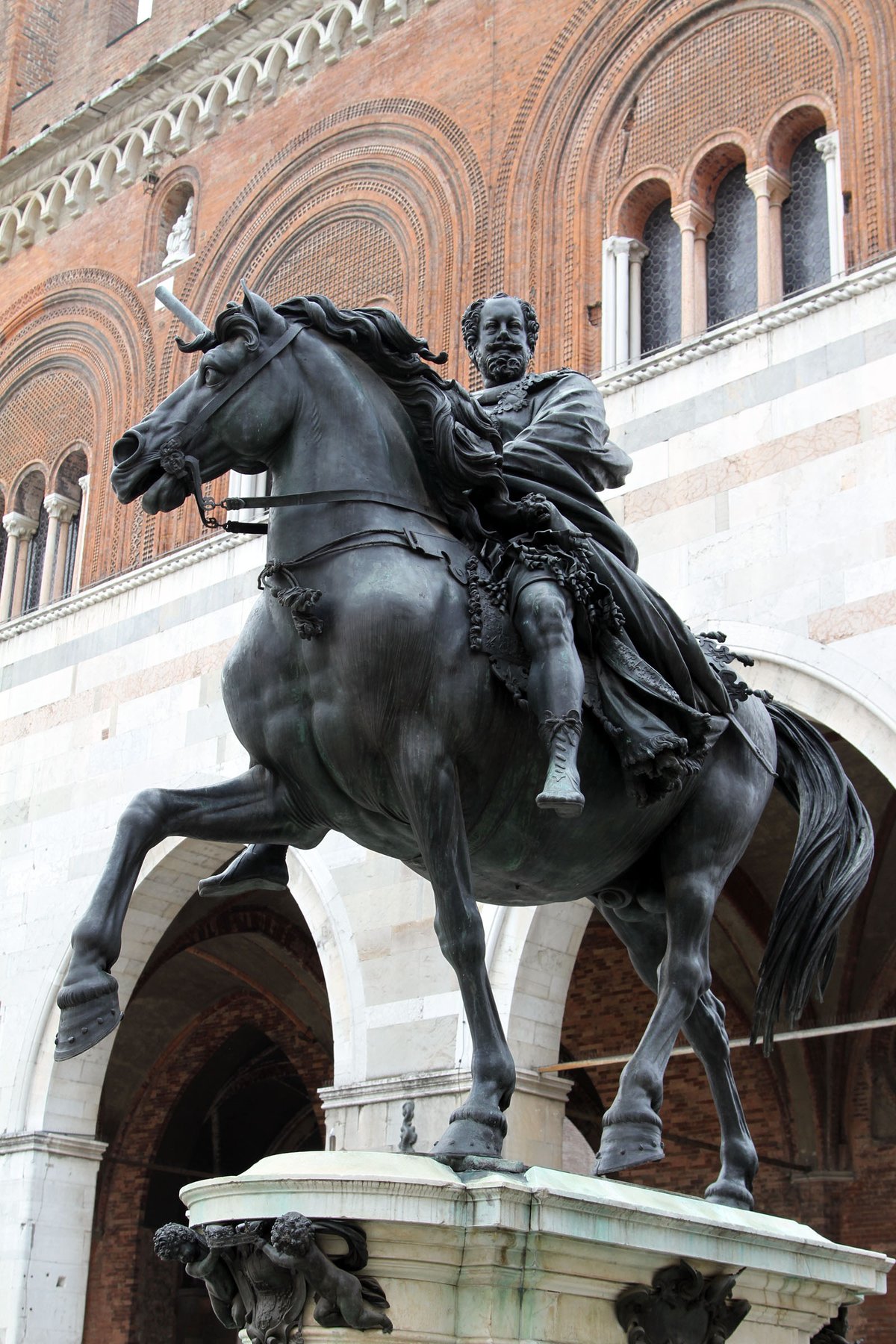 In the heart of Piazza Cavalli, the equestrian statue of Ranuccio I Farnese dominates Piacenza's historic center with its imposing bronze presence. Created between 1620-1625 by Tuscan sculptor Francesco Mochi, this work represents one of the few examples of Baroque equestrian statues in Italy predating the Bernini ones. The duke is portrayed in a majestic pose, wearing full armor and holding the scepter of command, while the horse raises its front leg in a dynamic movement. The statue was commissioned to celebrate the rule of Ranuccio I, who between 1592 and 1622 transformed Piacenza into a true ducal city, completing the Farnese Palace and promoting important urban works. Observing the details up close, one notices the bas reliefs on the base depicting episodes from his reign, including the founding of the University and land reclamation projects. The location in Piazza Cavalli - a name derived precisely from these statues - is not accidental: here face the main buildings of Farnese power, creating a monumental complex of rare architectural coherence. To fully appreciate the work, I recommend visiting at sunset, when the grazing light enhances the volumes and shadows of the bronze, offering a spectacle of great suggestion.
Bridge Builders Monument
- Piazzale Milano, Piacenza (PC)
- Open in Google Maps
- View on Google Images
 The Bridge Builders Monument is one of those stops that strikes you with its simplicity and profound meaning. Located along the Po River embankment, right near the San Rocco Bridge, this memorial pays homage to the soldiers of the Bridge Engineers Corps who, during World War I, built bridges under enemy fire, allowing troops to advance. The sculpture, made of bronze, depicts a bridge under construction with military figures at work, capturing a moment of tension and dedication. The strategic location along the river is no coincidence: it immerses you in the context where these men operated, with the water flowing peacefully today but a century ago was the scene of heroic actions. Visiting it is a quick but intense experience: just a few minutes are enough to appreciate the details, such as the inscriptions commemorating the fallen and the realism of the expressions on the statues. It's a less crowded spot, ideal for a reflective break during a walk along the riverbanks. If you're passionate about military history or simply looking for a quiet corner, here you'll find a piece of collective memory that speaks of resilience and sacrifice. Bring a camera: the sunset light over the Po offers evocative shots with the monument in the foreground.
Votive Column of the Immaculate Conception
- Piazza Duomo, Piacenza (PC)
- Open in Google Maps
- View on Google Images
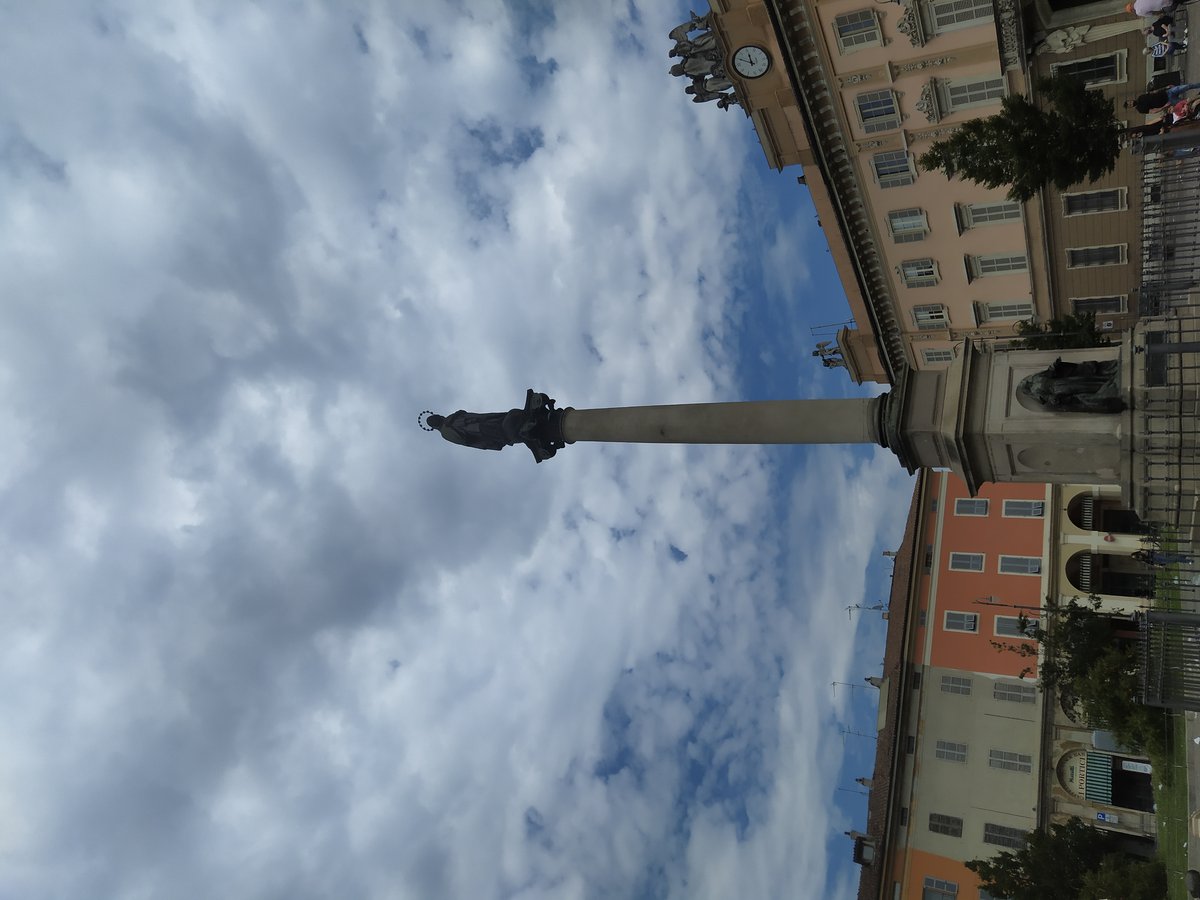 The Votive Column of the Immaculate Conception stands majestically in Piazza Duomo, right in front of the cathedral, creating a captivating dialogue between sacred architecture and popular devotion. Built in 1781 based on a design by architect Giuseppe Marchesi, this marble column from Candoglia reaches 12 meters in height and culminates with the bronze statue of the Immaculate Virgin, the work of sculptor Giovanni Antonio Cybei. The location is not random: it stands exactly where the ancient baptistery once stood, demolished in the 18th century. Looking closely at the base, you'll notice the four marble angels supporting the column, each with different Marian symbols. The feature that strikes every visitor is the perspective play created between the column and the Duomo's facade, especially at sunset when the grazing light enhances the sculptural details. During Marian festivities, especially on December 8th, the column becomes the focal point of celebrations with traditional floral decorations. To appreciate it fully, I recommend walking slowly around it: from every angle you'll discover new details, like the inscriptions on the base that recall the prayers of the faithful through the centuries. It's one of those monuments that seems to tell stories just by being near it.