
The National Archaeological Museum of Florence, located just steps from Piazza Santissima Annunziata, welcomes you to a Renaissance palace with the world’s most important collection of Etruscan art, an Egyptian section rich with mummies and sarcophagi, and Roman and Greek artifacts. The intimate and quiet atmosphere allows you to observe the masterpieces calmly, away from the crowds of more famous museums.
- The Chimera of Arezzo, a 4th-century BC Etruscan bronze restored by Benvenuto Cellini
- The Egyptian collection with mummies, painted sarcophagi, and everyday objects
- The Orator and Etruscan alabaster cinerary urns from Volterra
- The Renaissance palace in the heart of the historic center, near Piazza Santissima Annunziata
Events nearby

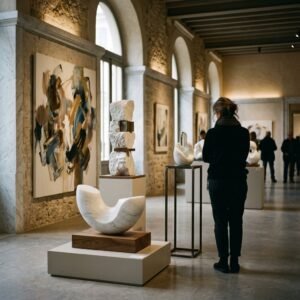
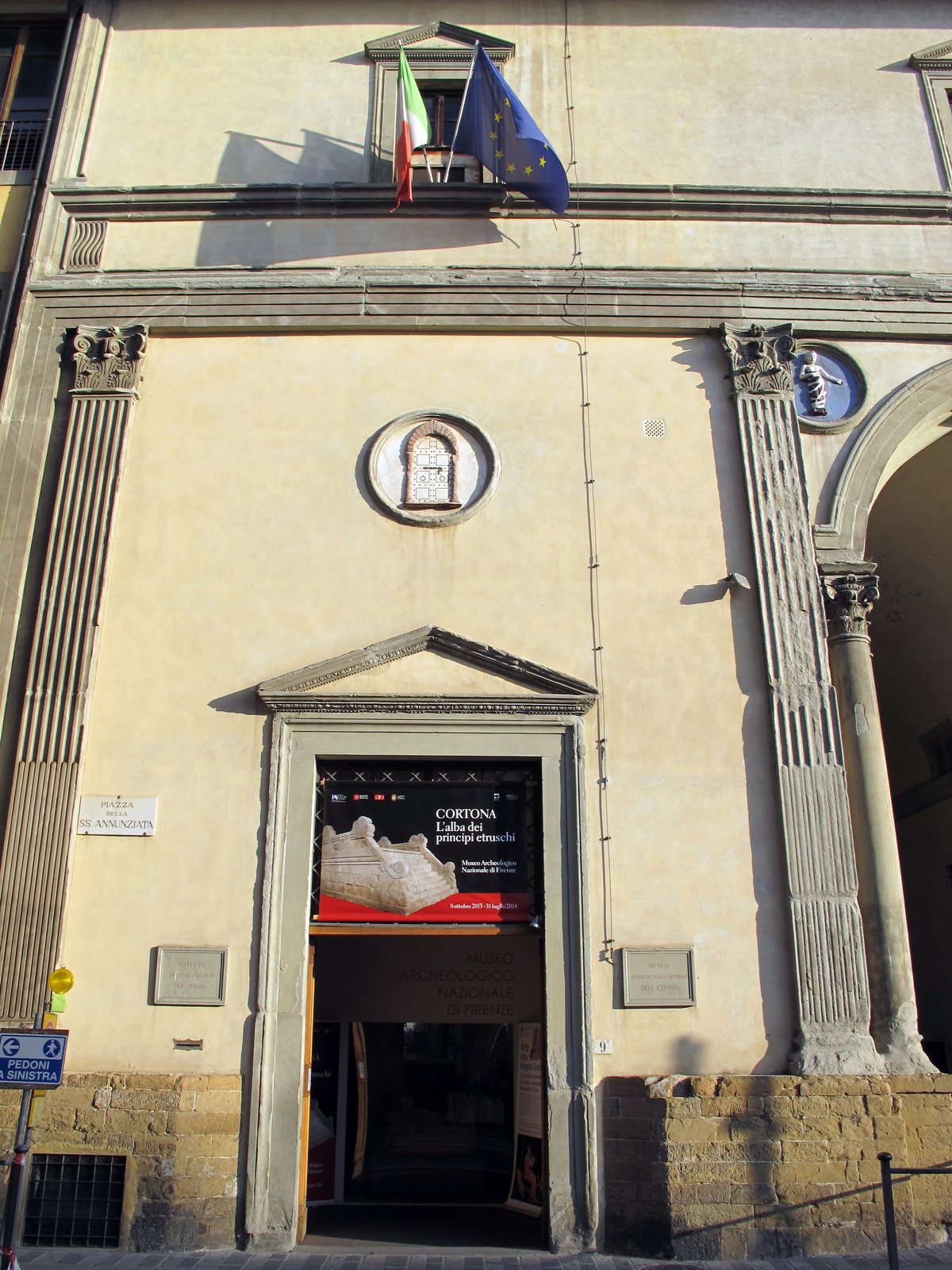
In the historic center of Florence, the National Archaeological Museum houses the world’s most important collection of Etruscan art, featuring the Chimera of Arezzo, the Orator, Egyptian sarcophagi, and Roman artifacts within a Renaissance palace.
- https://cultura.gov.it/luogo/maf-museo-archeologico-nazionale-di-firenze
- Piazza della Santissima Annunziata 9b, Firenze (FI)
- Open in Google Maps
- View on Google Images Museo Archeologico Nazionale di Firenze a Firenze
Good to know
Introduction
Historical Background
- 1560-1737: The Medici collect Etruscan and Roman artifacts
- 1828: Acquisition of the Egyptian Collection
- 1870: Official founding of the museum
- Today: Renewed exhibitions and educational activities
The Etruscan Masterpieces
The Charm of Egypt
Why Visit It
When to Go
In the Surroundings
Itineraries nearby


💡 Did You Know…?
Not everyone knows that the museum houses the Sarcophagus of the Amazons, an Etruscan masterpiece from the 4th century BC discovered in Tarquinia, with battle scenes so detailed they seem alive. Another ultra-realistic detail: in the Egyptian section, you can admire the sarcophagus lid with the gilded face of a woman, perfectly preserved despite the millennia, which seems to look at you even today. These pieces, along with the famous Chimera, make the visit a unique experience, like flipping through a three-dimensional history book.