
🧭 What to Expect
- Ideal for those seeking authenticity away from mass tourism, with millennial history and hilly landscapes.
- Highlights include Norman castles like Ariano and Gesualdo, Roman archaeological sites (Aeclanum, Avella) and intact medieval villages.
- Offers unique natural phenomena like the Mefite of Rocca San Felice and spiritual places among sanctuaries and abbeys.
- Complete the experience with quality food and wine and typical Irpinian products, a few km from the Amalfi Coast.
The Province of Avellino is a land rich in history and nature, far from the usual tourist trails. Here, Irpinia reveals itself through its Norman castles that dominate the hills, such as those in Ariano Irpino and Gesualdo, and the Roman archaeological sites of Aeclanum and Compsa. Medieval villages preserve authentic atmospheres, while sanctuaries like that of San Gerardo Maiella in Materdomini are pilgrimage destinations. The Mefite of Rocca San Felice, with its gas emissions, is a unique natural phenomenon. For those seeking authenticity, this province offers high-quality food and wine with DOCG wines and local products, all just a few kilometers from the Amalfi Coast but with completely different rhythms.
Overview
- Norman Castle of Ariano Irpino
- Aeclanum
- Gesualdo Castle
- The Mefite of Rocca San Felice
- Sanctuary of Saint Gerard Majella
- Goleto Abbey
- Compsa Archaeological Site
- Aequum Tuticum Archaeological Site
- Roman Amphitheatre of Avella
- Rocca San Felice Castle
- Pignatelli della Leonessa Castle
- Solofra Castle
- Candriano Castle
- Sanctuary of the Most Holy Savior
- Avellino Cathedral
Norman Castle of Ariano Irpino
- Go to the page: Norman Castle of Ariano Irpino: Cylindrical Towers and Views over the Ufita Valley
- Viale Tigli, Ariano Irpino (AV)
- Open in Google Maps
- View on Google Images
 The Norman Castle of Ariano Irpino dominates the medieval village from its 788-meter height, offering a breathtaking view over the Miscano Valley. Built in the 12th century by the Normans on pre-existing Lombard fortifications, this fortress represents one of the most important examples of military architecture in Irpinia. Its strategic position made it a crucial defensive stronghold for centuries, so much so that it was chosen by Roger II of Hauteville to promulgate the Assizes of Ariano, considered among the first written constitutions of medieval Europe. Today, the castle stands with its imposing cylindrical tower and perimeter walls enclosing an inner courtyard where cultural events and historical reenactments are often held. The structure, recently restored, preserves traces of the various dominations that followed one another: from the Normans to the Swabians, from the Angevins to the Aragonese. Inside, visitors can admire the underground areas that once served as prisons and storerooms, while the main hall hosts temporary exhibitions. The castle visit is completed with a stroll through the historic center of Ariano Irpino, where the medieval atmosphere still lingers among cobblestone alleys and ancient palaces. The complex is open to visitors year-round and represents an unmissable stop for those wishing to discover the most authentic history of Irpinia.
Norman Castle
Aeclanum
- Via Nazionale delle Puglie, Mirabella Eclano (AV)
- Open in Google Maps
- View on Google Images
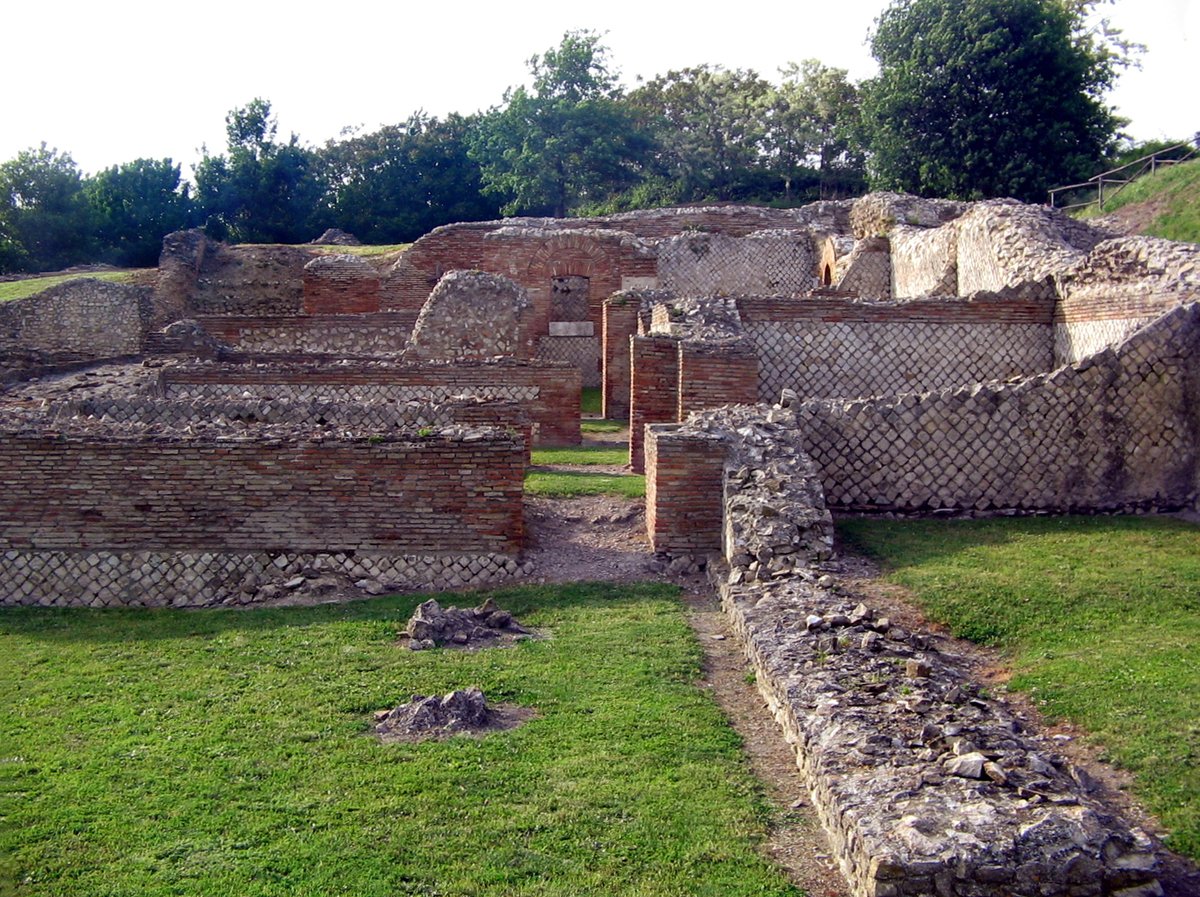 If you love history and archaeology, Aeclanum is an unmissable stop in the province of Avellino. Located in Mirabella Eclano, this ancient Roman city offers a unique atmosphere, far from the chaos of more crowded sites. Walking among the ruins, you'll discover the well-preserved remains of the public baths, with their hypocaust heating systems still visible, and the forum, the heart of social and political life. Don't miss the civil basilica, where justice was administered, and the domus with their mosaics that tell stories of daily life. Aeclanum was an important hub along the Via Appia, and today you can still sense the strategic importance of this place. The site is well-signposted and accessible, with informative panels guiding you through its history. Bring a bottle of water and comfortable shoes: the terrain is uneven but the visit is worth every step. If you want to delve deeper, look for the artifacts in the Irpino Museum in Avellino, where many items are displayed. The best time to visit is spring or autumn, when the climate is mild and the sunlight enhances the ancient stones. A tip: allow at least an hour to explore calmly, pausing to appreciate the details that make Aeclanum special.
Aeclanum
Gesualdo Castle
- Go to the page: Gesualdo Castle: Frescoed Halls, Dungeons, and Prince Carlo's Madrigals
- Piazza Umberto I, Gesualdo (AV)
- Open in Google Maps
- View on Google Images
 The Gesualdo Castle dominates the Irpinian village from atop a hill, offering a breathtaking view over the Fredane Valley. Built in the 10th century and completely renovated in the 16th century by Carlo Gesualdo, Prince of Venosa and renowned madrigal composer, the castle is a unique example of Renaissance architecture in Campania. Its walls hold fascinating stories: here the musician prince lived after the famous murder of his wife and her lover, dedicating himself to composing madrigals that revolutionized the music of his time. Today the castle presents itself with its imposing quadrangular tower and the elegant Renaissance loggias overlooking the internal courtyard. During the visit, you can admire the noble halls with their coffered ceilings, the ancient kitchens, and the prisons carved into the rock. Particularly evocative is the gentlemen's chapel where some original frescoes are preserved. The castle often hosts temporary exhibitions and classical music concerts, keeping alive the musical tradition of its most illustrious owner. For those visiting in spring or autumn, the panorama from the terrace over the village and surrounding hills is simply spectacular. Access is permitted with guided tours that detail the life of Carlo Gesualdo and the history of the manor.
Gesualdo Castle
The Mefite of Rocca San Felice
- Go to the page: The Mefite of Rocca San Felice: Sulfurous Ponds and Volcanic Vapors in Irpinia
- Strada delle Mefite, Rocca San Felice (AV)
- Open in Google Maps
- View on Google Images
 The Mefite of Rocca San Felice is one of the most unusual and fascinating natural sites in Irpinia. It is a small valley located at the foot of the medieval village, characterized by gaseous emissions of carbon dioxide and hydrogen sulfide that create an almost surreal atmosphere. The name 'Mefite' comes from the goddess Mefite, an Italic deity associated with sulfur waters, and the place has long been considered sacred by local populations. The sulfur water pools have a whitish color and a characteristic sulfur smell, while the surrounding terrain is barren due to the high concentration of gases. This geological phenomenon is rare in Italy and makes the Mefite a place of great scientific and landscape interest. The visit is suitable for everyone, but it is important to stay on the marked trails to avoid areas with higher gas emissions. The contrast between the lunar landscape of the Mefite and the greenery of the surrounding woods is spectacular, especially at sunset. For photography enthusiasts, this is an unrepeatable corner of the province of Avellino, where nature seems to have stopped time. Don't forget to also visit the nearby village of Rocca San Felice, perched on the hill, to complete the experience with a dive into the medieval history of Irpinia.
The Mefite
Sanctuary of Saint Gerard Majella
- Piazza del Santuario, Materdomini (AV)
- http://www.sangerardo.eu/
- Open in Google Maps
- View on Google Images
- info@sangerardo.it
- +39 0827 5378
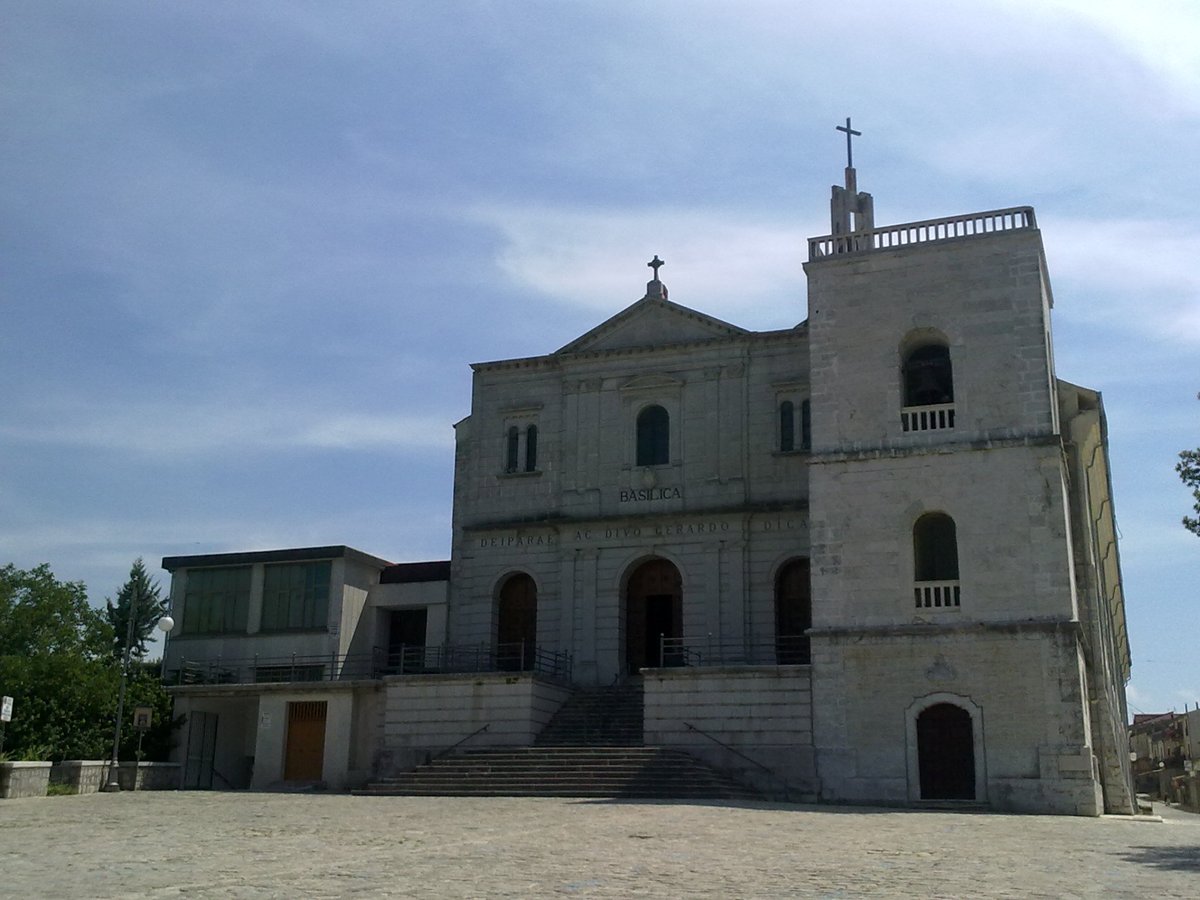 The Sanctuary of Saint Gerard Majella in Materdomini is one of the most important places of worship in Campania, dedicated to the patron saint of mothers and children. Located in the small village of Materdomini, a hamlet of Caposele, this sanctuary attracts pilgrims from all over Italy for its intimate and spiritual atmosphere. The basilica, built in the 20th century, houses the relics of Saint Gerard in an urn beneath the main altar, a destination of devotion for those seeking comfort or a grace. Inside, the colorful stained-glass windows depicting the saint's life and the Chapel of the Crucifix stand out, where the wooden crucifix before which Gerard prayed is located. Next to the basilica, the Redemptorist convent offers an area of silence and prayer, with a simple yet evocative cloister. For visitors, the museum dedicated to the saint is of interest, displaying personal items, letters, and testimonies of miracles attributed to Gerard. The sanctuary is particularly lively during patronal feasts, such as October 16th, the anniversary of the saint's death, when thousands of faithful participate in processions. I recommend stopping in the square in front to admire the facade made of local stone and exploring the surrounding trails, which offer panoramic views of the green Irpinian hills. It's an ideal spot for a reflective break, even for non-believers, thanks to its tranquility and connection to local history.
Sanctuary of Saint Gerard Majella
Goleto Abbey
- Via San Guglielmo, Sant'Angelo dei Lombardi (AV)
- Open in Google Maps
- View on Google Images
 Goleto Abbey, founded in 1133 by Saint William of Vercelli, is one of the most fascinating monastic complexes in Irpinia. What immediately strikes you is the harmonious blend of Romanesque and Gothic architecture, visible in its main structures: the upper church, the Febronia Tower, and the monastery ruins. The tower, standing 30 meters high, is a true masterpiece with its bifora and trifora windows that filter light in a suggestive way. Walking among the ruins, you breathe an atmosphere of peace and spirituality, enhanced by its isolated location on the hills of Sant'Angelo dei Lombardi. Don't miss the crypt, where the remains of Saint William are preserved, and the lower church, with its medieval frescoes that tell stories of faith and devotion. The abbey was a double monastery, hosting both monks and nuns, and this unique feature makes it one of a kind. Today it is managed by the monastic community of Bose, which organizes guided tours and moments of prayer. The site is open year-round, but spring and autumn are the best times to visit, when the warm light enhances the colors of the local stone. Bring your camera: the panoramic views of the surrounding valleys are breathtaking.
Goleto Abbey
Compsa Archaeological Site
- Go to the page: Compsa: Roman Cisterns and Irpinian Forum with Views of the Ofanto Valley
- Strada Provinciale di Conza Vecchia, Conza della Campania (AV)
- Open in Google Maps
- View on Google Images
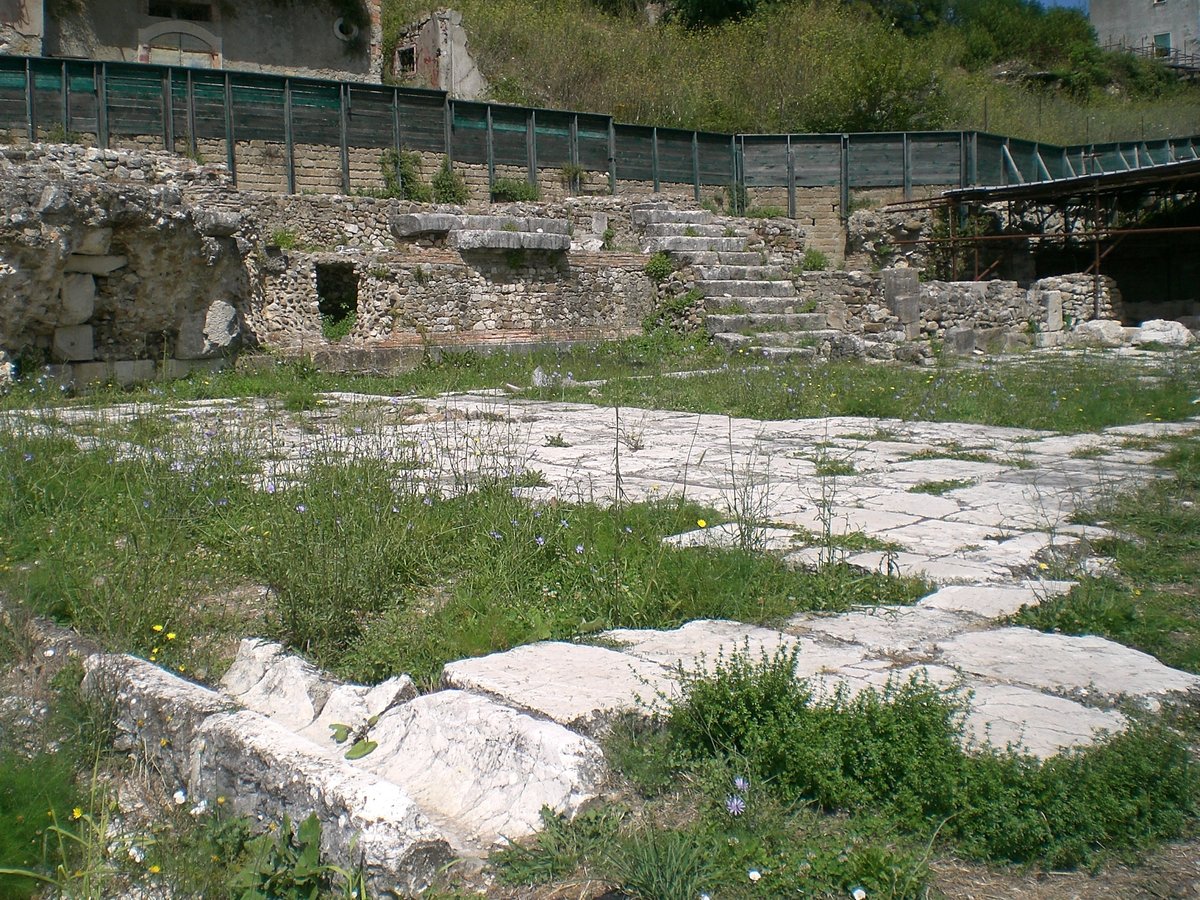 The Compsa Archaeological Site in Conza della Campania is a place that transports you back in time, among the vestiges of an ancient Hirpinian city that lived through centuries of history. Walking among the remains, you can admire the megalithic walls from the 4th century BC, imposing and well-preserved, which surrounded the settlement. The site also includes the remains of a Roman amphitheater, where shows and games once took place, and the foundations of patrician domus with still visible mosaics and hydraulic systems. Compsa was an important strategic center for the Romans, located along the Via Appia, and here you can breathe the atmosphere of a cultural crossroads. Don't miss the necropolis with chamber tombs, which tells of ancient funeral rites. Everything is immersed in a hilly landscape, ideal for a peaceful visit. Bring comfortable shoes and a water bottle: the terrain is rough but the view of the valley rewards every step. It's a perfect spot for those who love archaeology without crowds, where silence speaks louder than guides.
Compsa Archaeological Site
Aequum Tuticum Archaeological Site
- Go to the page: Aequum Tuticum: Roman station with baths and the Via Appia Traiana in Ariano Irpino
- SP54, Ariano Irpino (AV)
- Open in Google Maps
- View on Google Images
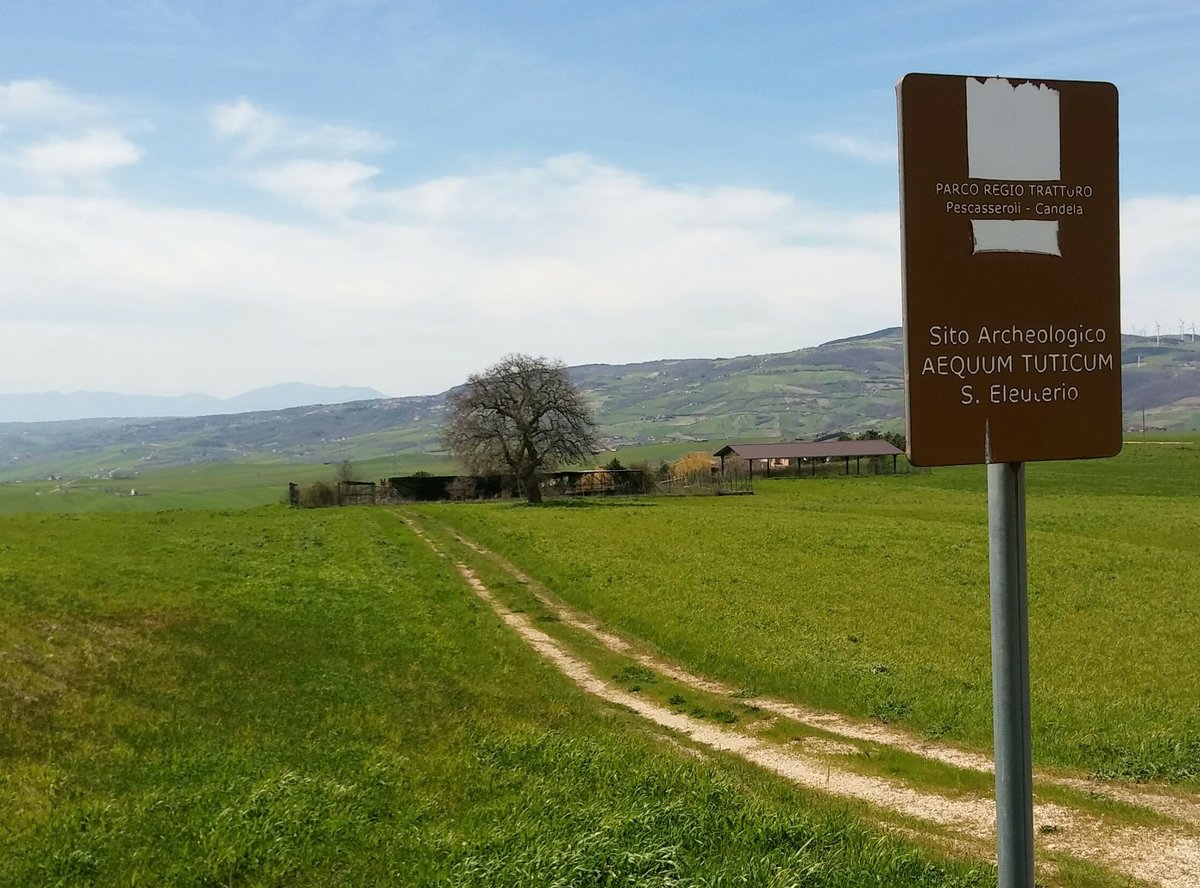 If you love history and want to discover a lesser-known corner of Irpinia, the Aequum Tuticum Archaeological Site is an unmissable stop. Located just a few kilometers from the center of Ariano Irpino, this ancient Roman municipality stood along the Via Traiana, the important road that connected Benevento to Brindisi. Today, walking among the remains, you can admire the basalt paving of the Roman road, the baths with their heating systems, and the remains of an amphitheater. The site, which was a strategic center for controlling the territory, offers a suggestive view over the Miscano Valley. Bring a bottle of water and comfortable shoes: the route is easy but outdoors, ideal for a morning of exploration. Don't forget to look for the signs of shops and domus, which tell the story of daily life two thousand years ago. Admission is free and you can visit independently, although on weekends it's easier to meet enthusiasts and local guides. A tip: combine your visit with the nearby Civic Museum of Ariano Irpino, where artifacts found in the area are preserved.
Aequum Tuticum Archaeological Site
Roman Amphitheatre of Avella
- Via Madonna del Carmine, Avella (AV)
- Open in Google Maps
- View on Google Images
 The Roman Amphitheatre of Avella is one of the most fascinating archaeological sites in the province of Avellino, a place that transports you directly to ancient Rome. Built between the 1st century BC and the 1st century AD, this amphitheatre could accommodate up to 10,000 spectators, a remarkable capacity that testifies to Avella's importance during Roman times. The structure, partially carved into the hillside, cleverly utilizes the natural slope to create the seating tiers, an ingenious solution that reduced construction costs. Today, walking among the remains of the arcades in opus reticulatum and admiring the arena allows you to imagine gladiator combats and venationes, the hunts of exotic animals. The site is well-preserved, with sections of the walls still visible, and is situated in a picturesque location surrounded by olive groves with panoramic views over the Irpinia hills. During your visit, you'll notice the vomitoria, the passageways that allowed the public quick access to the seating, and the remains of service rooms beneath the arena. The amphitheatre is easily accessible and often hosts cultural events, such as historical reenactments and evening performances, making the experience even more engaging. Bring a water bottle and wear comfortable shoes, as the terrain can be uneven. If you love history, don't miss the nearby artifacts at the Avella Civic Museum, where finds from the area are preserved. A tip: visit at sunset, when the warm light enhances the ancient stones and creates a magical atmosphere.
Roman Amphitheatre of Avella
Rocca San Felice Castle
- Via Ospedale, Rocca San Felice (AV)
- Open in Google Maps
- View on Google Images
 The Rocca San Felice Castle dominates the small namesake village from atop a rocky spur, offering a breathtaking view that seems straight out of a history book. Built during the Lombard era and later expanded by the Normans, the fortress still preserves parts of its perimeter walls and the main tower, from which you can enjoy a breathtaking panorama over the Ansanto Valley and the surrounding mountains. The structure, now partly ruined but well preserved in its essential lines, tells centuries of dominations and battles, with its remains blending harmoniously with the stone houses of the village below. Climbing up to the castle means wandering through a maze of cobbled alleys that wind between medieval buildings, passing under arches and stairways that seem suspended in time. Once at the top, besides the view, you'll notice how the strategic position allowed total control over the valley, explaining why this site was so contested. Don't miss the Chapel of San Felice, nearby, which completes the visit with its 14th-century frescoes. Everything is immersed in a silent and authentic atmosphere, far from the tourist crowds.
Rocca San Felice Castle
Pignatelli della Leonessa Castle
- Via Pignatelli Della Leonessa, San Martino Valle Caudina (AV)
- https://www.museodeicastelli.it/castelli/san-martino-valle-caudina-castello-pignatelli-della-leonessa/
- Open in Google Maps
- View on Google Images
 The Pignatelli della Leonessa Castle stands majestically over San Martino Valle Caudina, an imposing medieval fortress that tells centuries of Irpinian history. Originally built during the Norman era, the castle owes its current name to the Pignatelli family who transformed it into a noble residence in the sixteenth century. The structure still preserves the typical architectural features of defensive manors, with crenellated towers and mighty walls that stand out against the sky. Inside, you can admire the Renaissance frescoes decorating some rooms, evidence of the period of greatest splendor when it became a center of cultural and political life. Particularly suggestive is the inner courtyard, with its central well and arches that create extraordinary plays of light. Today the castle is visitable and occasionally hosts cultural events and exhibitions, keeping alive the connection with the local community. The dominant position over the valley offers breathtaking panoramas of the Partenio and Taburno mountains, making the visit a complete experience between history and nature. For those who want to delve deeper, it's possible to discover the history of the Pignatelli family and their role in the life of the Irpinian territory through the centuries.
Pignatelli della Leonessa Castle
Solofra Castle
- Via Nuova Castello, Solofra (AV)
- Open in Google Maps
- View on Google Images
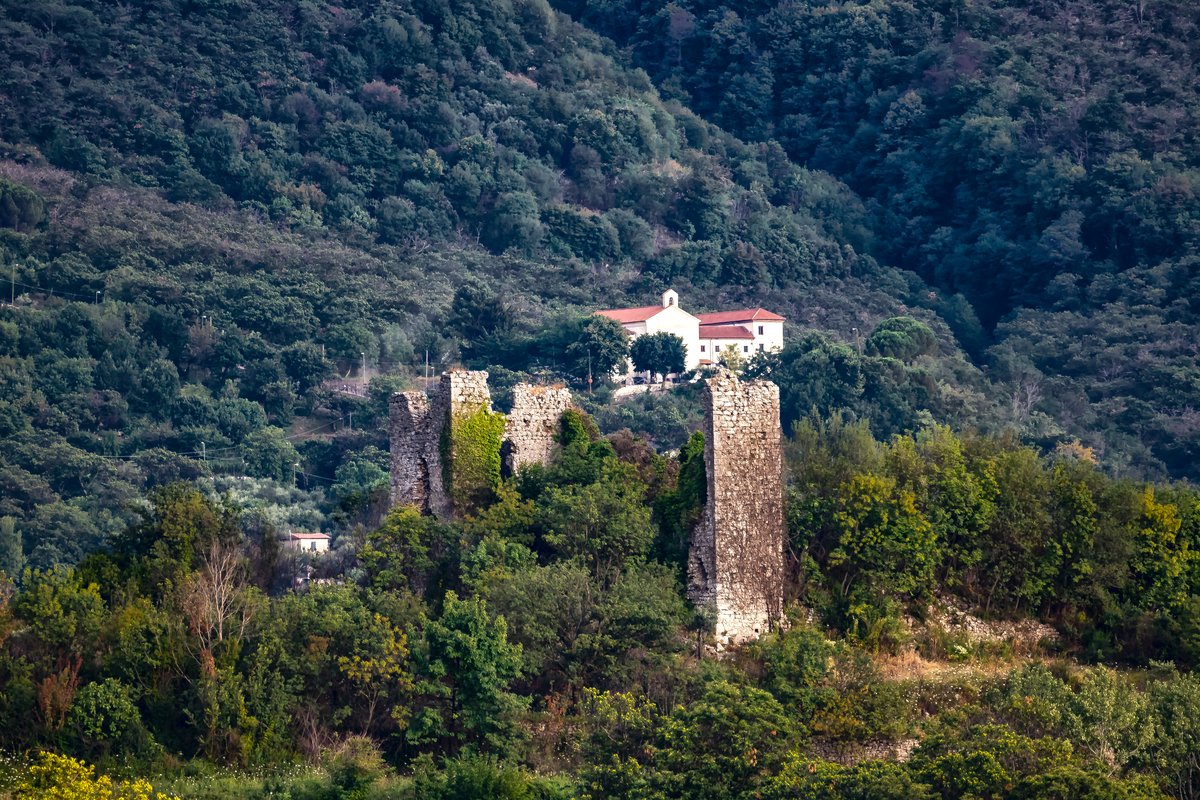 Solofra Castle stands on a hill at 400 meters above sea level, offering a breathtaking view of the valley below. Built between the 11th and 12th centuries, this Norman manor has witnessed centuries of history, passing through various dominations and architectural transformations. Today it appears as an articulated complex with cylindrical towers and crenellated walls that speak of its defensive past. The main structure preserves original elements such as arrow slits and patrol walkways, while some parts have been restored while maintaining medieval authenticity. Inside, visitors can admire the remains of ancient cisterns for rainwater collection and the rooms once used as warehouses and garrison quarters. The castle is surrounded by Mediterranean vegetation typical of the Campanian Apennines, with oaks and holm oaks creating a suggestive atmosphere. During the visit, one can notice the marks of various historical periods, from medieval engravings on the stones to subsequent Renaissance interventions. The site is particularly fascinating at sunset, when the warm light enhances the volumes of the towers and creates plays of shadows on the walls. For photography enthusiasts, it offers unique angles on the Irno Valley and the Picentini Mountains. Access is easy via a well-maintained path, suitable even for families with children. The castle represents a significant example of medieval military architecture in Irpinia, perfectly integrated into the hilly landscape.
Solofra Castle
Candriano Castle
- Via Camillo Ruspoli, Torella dei Lombardi (AV)
- Open in Google Maps
- View on Google Images
 Candriano Castle stands on a hill in Torella dei Lombardi, offering a panoramic view over the green valleys of Irpinia. Built between the 11th and 12th centuries, this medieval manor has a history linked to local noble families and the events of the Kingdom of Naples. The structure, partly ruined but still imposing, preserves typical architectural elements of the era, such as the perimeter stone walls and the remains of the towers. Access is free and the site is always open, ideal for a spontaneous visit. Around the castle, dirt paths allow for short walks among olive groves and oak trees, with informative signs that tell the history of the place. Bring a camera with you: the sunsets from here are spectacular, with the colors of the sky reflecting on the ancient stones. There are no services on site, so plan to bring water and snacks. The castle is less known compared to other Irpinian attractions, ensuring an authentic and crowd-free experience. Perfect for those who love history and tranquility, it's a hidden gem to discover at a leisurely pace.
Candriano Castle
Sanctuary of the Most Holy Savior
- Via Ing. Giuseppe Cianciulli, Montella (AV)
- Open in Google Maps
- View on Google Images
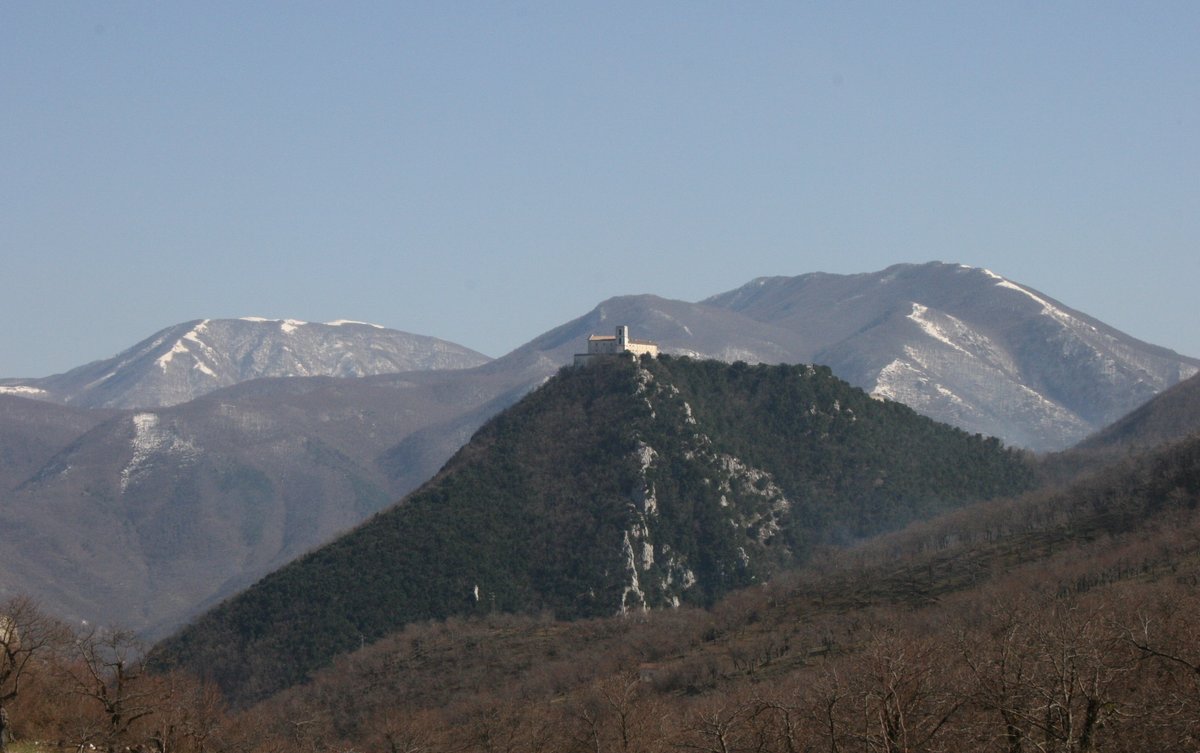 The Sanctuary of the Most Holy Savior in Montella is one of those places that strikes you with its essential beauty. Located about 3 km from the town center, in a panoramic position overlooking the Calore Valley, this sanctuary dates back to the 16th century and holds a history of centuries-old devotion. The structure, simple in its architectural lines, stands out for its façade made of local stone and the bell gable. Inside, the atmosphere is intimate and evocative: the main altar with its polychrome marbles stands out, and above all, the wooden statue of the Most Holy Savior, an object of great veneration. Tradition holds that the sacred image was miraculously discovered in 1580, an event that gave rise to the cult and the construction of the sanctuary. Today, it is a destination for pilgrimages, especially during the patron saint's feast celebrated on August 6th, when Montella comes alive with faithful and traditions. The site is also an ideal starting point for short walks in the surrounding area, among centuries-old oaks and paths that wind up the Irpinia hills. I recommend visiting on a sunny day to fully enjoy the view of the valley and the tranquility of the place. Bring a camera: the sunsets here are spectacular.
Sanctuary of the Most Holy Savior
Avellino Cathedral
- Via Sette Dolori, Avellino (AV)
- Open in Google Maps
- View on Google Images
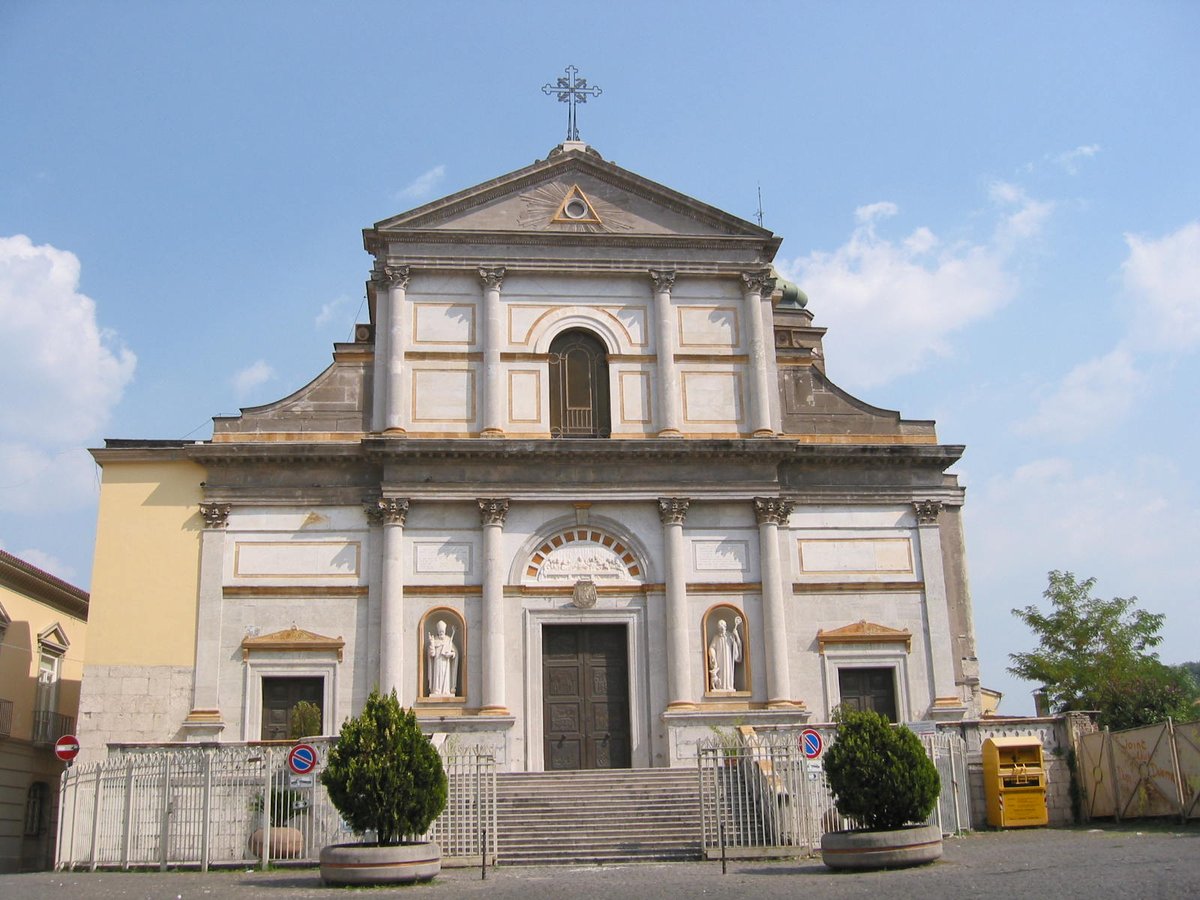 The Avellino Cathedral, dedicated to the Assumption, is the religious and architectural centerpiece of the Irpinian capital. Located in Piazza Duomo, it dominates the historic center with its imposing neoclassical facade, a result of the post-earthquake reconstruction in 1732. Upon entering, visitors are enveloped in a solemn atmosphere: the wide, luminous central nave draws the eye toward the main altar, crowned by a majestic dome. The Treasury Chapel houses precious relics, including those of Saint Modestinus, the city's patron saint, and an 18th-century silver bust of the saint. The artistic masterpieces are equally remarkable: highlights include the canvas of the Madonna of the Rosary by Michele Ricciardi and the frescoes adorning the vaults, depicting biblical scenes that narrate centuries of faith. The accessible crypt offers a deeper immersion into history, with remnants of older structures and a hushed, reflective silence. For visitors, it's an experience blending spirituality and art: it's advisable to check opening hours, especially to attend Mass or events like the patron saint's festival in September. The urban context, with nearby historic buildings, completes the discovery of a place that is not just a monument, but the beating heart of Avellino.
Avellino Cathedral