
🧭 What to Expect
- Ideal for history, art, and food lovers.
- Explore the medieval historic center with its symbolic towers and UNESCO heritage porticoes.
- Discover art museums like the National Picture Gallery and MAMbo, plus unique places such as the Ducati Museum.
- Savor the culinary tradition in historic markets and osterias of the Quadrilatero.
- Enjoy green spaces like the Margherita Gardens and breathtaking views from the Sanctuary of San Luca.
Events nearby
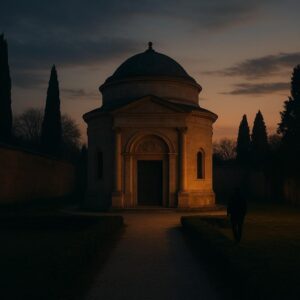
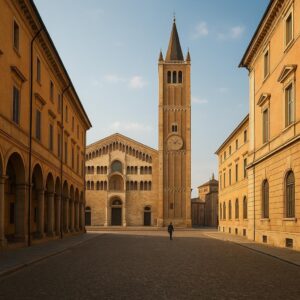
Bologna welcomes you with its 44 kilometers of porticoes, a UNESCO heritage site that guides you through historic squares and medieval towers. The city is famous for its three nicknames: the Learned for the oldest university in the Western world, the Fat for its rich cuisine, and the Red for the bricks of its buildings. Walking under the porticoes, you'll discover Piazza Maggiore, the beating heart of the city, dominated by the Basilica of San Petronio and the Neptune Fountain. The Two Towers, symbol of Bologna, offer a breathtaking view of the city after climbing 498 steps. Don't miss the Sanctuary of the Madonna di San Luca, reachable through the world's longest portico winding for almost 4 km. The gastronomic tradition is everywhere: from historic taverns to markets like the Quadrilatero, where you can taste tortellini, mortadella, and other local specialties.
Overview
- Piazza Maggiore
- Basilica of San Petronio
- Asinelli Tower
- Garisenda Tower
- Fountain of Neptune
- Sanctuary of the Madonna di San Luca
- Basilica of Santo Stefano
- Basilica of San Domenico
- National Gallery of Bologna
- St. Peter's Cathedral
- Salaborsa Library
- MAMbo: Bologna's Museum of Modern Art
- Ducati Museum
- Teatro Comunale di Bologna
- Margherita Gardens
Itineraries nearby

Piazza Maggiore
- Go to the page: Piazza Maggiore Bologna: Neptune Fountain, Unfinished Basilica and Medieval Palaces
- Piazza Maggiore, Bologna (BO)
- Open in Google Maps
- View on Google Images
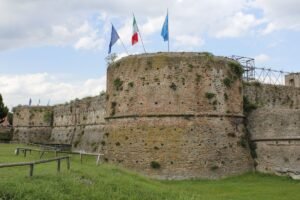
 Piazza Maggiore is the nerve center of Bologna, a place that encapsulates centuries of history and culture. Here, every building tells a story: the Basilica of San Petronio, with its unfinished facade, houses the world's longest sundial, while the Palazzo Comunale (or Palazzo d'Accursio) safeguards art collections and the Sala Borsa, a former stock exchange. Just steps away, the Palazzo del Podestà and Palazzo Re Enzo recall Bologna's medieval past, with arches and towers dominating the scene. At the center of the square, the Fountain of Neptune, a work by Giambologna, is an undisputed symbol, often surrounded by tourists and students. The square is always lively: by day, markets and street artists; by evening, bars and cafés come to life. It's the ideal starting point to explore the porticoes and towers, such as the Two Towers, visible in the distance. I recommend visiting the Salaborsa Library, beneath the Palazzo Comunale, for a dive into ancient Roman Bononia. Piazza Maggiore is not just a monument, but a meeting place where you can breathe in the authentic Bolognese atmosphere.
Basilica of San Petronio
- Go to the page: Basilica of San Petronio: World's Longest Sundial and Renaissance Frescoes
- Via de' Foscherari, Bologna (BO)
- https://www.basilicadisanpetronio.org/
- Open in Google Maps
- View on Google Images
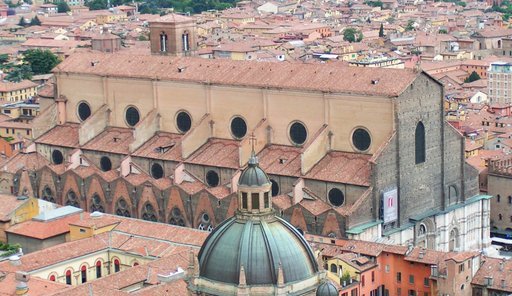 The Basilica of San Petronio dominates Piazza Maggiore with its unmistakable facade, partially clad in pink and white marble and left unfinished in the upper section. Upon entering, you'll be struck by the immense dimensions: it's one of Europe's largest churches, stretching 132 meters in length. The interior is a triumph of art and history: look for the Cassini Meridian, a bronze line on the floor that functioned as a sundial, designed by astronomer Gian Domenico Cassini in 1655. The side chapels house masterpieces like Giovanni da Modena's frescoes in the Bolognini Chapel, featuring vivid depictions of Paradise and Hell. Don't miss the historic organ, still functioning, and the San Petronio Museum (accessible by reservation), where you can admire architectural models and relics. The basilica is free to visit, but tickets may be required for the terrace or more inner chapels. Pay attention to the dress code: covered shoulders and knees are mandatory. It's an active place of worship, so maintain silence during services. Afternoon light magnificently illuminates the stained glass windows, making it the ideal time for photography.
Asinelli Tower
- Piazza di Porta Ravegnana, Bologna (BO)
- Open in Google Maps
- View on Google Images
 The Asinelli Tower is an undisputed symbol of Bologna and one of the few surviving medieval towers in the historic center. Standing at 97.2 meters tall, it dominates the city skyline and offers spectacular views of the red rooftops and other towers, including the nearby Garisenda. The climb requires some effort: 498 wooden steps lead you to the top, but the reward is priceless. From up there, you can clearly see the Basilica of San Petronio, the porticoes winding for kilometers, and on clearer days, you can even glimpse the hills and the Apennines. The tower was built between 1109 and 1119 by the Asinelli family, who used it as a symbol of power and for defensive purposes. Today, it's an unmissable attraction, especially at sunset, when the warm light envelops the city. Remember to book online to avoid queues, especially on weekends. The structure is well-maintained, with safety railings, but it's not recommended for those with vertigo or mobility issues. An experience that lets you touch the medieval history of Bologna and gives you unforgettable photos.
Garisenda Tower
- Piazza di Porta Ravegnana, Bologna (BO)
- Open in Google Maps
- View on Google Images
 The Garisenda Tower is one of Bologna's most iconic symbols, famous for its pronounced lean that makes it instantly recognizable. Built between 1109 and 1119 by the Garisendi family, this medieval tower reaches a height of 47 meters, but its approximately 4-degree tilt gives it a dramatic and unique appearance. Strolling through Piazza di Porta Ravegnana, where it stands alongside the Asinelli Tower, you can't help but notice how the Garisenda seems to almost defy the laws of physics. Its brick structure and base reinforced with selenite blocks testify to the construction techniques of the era, while the top, originally higher, was lowered in the 14th century for safety reasons. Dante Alighieri mentioned it in the Divine Comedy, comparing it to the giant Antaeus, a detail that adds literary charm to this monument. Today, although it's not visitable inside to preserve its stability, admiring it from the outside is an unmissable experience. The contrast with the nearby Asinelli Tower creates an unforgettable skyline, perfect for photographs that capture Bologna's medieval essence. I recommend visiting at sunset, when the warm light enhances its red bricks and the shadows accentuate the lean.
Fountain of Neptune
- Piazza del Nettuno, Bologna (BO)
- Open in Google Maps
- View on Google Images
 The Fountain of Neptune is one of Bologna's most recognizable symbols, a Renaissance masterpiece that dominates Piazza Maggiore with its imposing presence. Created between 1563 and 1566 by Flemish sculptor Jean de Boulogne, known as Giambologna, the fountain celebrates the papal power of Pius IV through the allegory of the sea god. The statue of Neptune, standing over 3 meters tall, rises majestically on a base decorated with cherubs, mermaids, and dolphins that spurt water jets, creating a particularly evocative play of light and reflections at sunset. Observe the details up close: the god's trident, the muscular forms of his body, and the stern expression that seems to watch over the city. The fountain is affectionately nicknamed 'the Giant' by the Bolognese and hides a curiosity: the position of the fingers on his left hand is said to create an optical illusion when viewed from specific angles. Located right in front of Palazzo Re Enzo and just steps from the Basilica of San Petronio, it's the ideal meeting point to begin exploring the historic center. Visiting in the evening offers a magical atmosphere, with lights accentuating the sculpture's volumes and the sound of water blending with the voices of the square. Remember that touching the statue brings good luck according to local tradition, but always respect this historic monument by avoiding climbing on the basin.
Sanctuary of the Madonna di San Luca
- Go to the page: Sanctuary of San Luca Bologna: World's Longest Portico and Panoramic View
- Portico di San Luca, Bologna (BO)
- Open in Google Maps
- View on Google Images
 The Sanctuary of the Madonna di San Luca is one of Bologna's most iconic landmarks, perched atop Colle della Guardia at 289 meters above sea level. Reaching it is a unique experience: you'll walk along the Portico di San Luca, the world's longest portico at 3.8 km with 666 arches, which starts at Porta Saragozza and gently ascends to the sanctuary. Built between 1674 and 1721, this portico is not just a covered pathway but a true journey of faith and history, protected by UNESCO. At the summit, you'll be welcomed by the Baroque sanctuary, consecrated in 1765, which houses the icon of the Madonna and Child, traditionally believed to have been painted by St. Luke the Evangelist. The elliptical interior is rich with frescoes, stuccoes, and artworks, including the dome frescoed by Vittorio Bigari. The panoramic view over Bologna and the plains is breathtaking, especially at sunset. For those who prefer to avoid the climb on foot, there's a shuttle service departing from the city center. The sanctuary is also a pilgrimage destination, particularly during the Feast of the Madonna di San Luca in May, when the icon is carried in procession through the city. I recommend visiting the crypt and taking a break at the nearby café to enjoy the silence and the view. An experience that combines spirituality, art, and nature, unmissable for anyone wanting to discover Bologna's most authentic soul.
Basilica of Santo Stefano
- Piazza Santo Stefano, Bologna (BO)
- Open in Google Maps
- View on Google Images
 The Basilica of Santo Stefano, also known as the Complex of the Seven Churches, is one of Bologna's most captivating sites. Located in the square of the same name, this religious complex dates back to the Lombard era and offers a journey through centuries of history and spirituality. Upon entering, you're welcomed by the Church of the Crucifix, with its crypt preserving the relics of saints Vitale and Agricola. Continuing on, you'll discover the Church of the Holy Sepulchre, a reconstruction of Jerusalem's sepulchre that impresses with its intimate atmosphere. Don't miss the Courtyard of Pilate, with its red Verona marble basin that, according to tradition, recalls the place where Pilate washed his hands. The Church of the Trinity houses a museum with medieval artifacts, while the Church of Saints Vitale and Agricola is the oldest, with Roman elements visible in its columns. The complex is a labyrinth of art and faith, where every corner tells a different story. I recommend visiting early in the morning to enjoy the light filtering through the windows, creating plays of shadow on the ancient stones. Remember that admission is free, but a small donation is appreciated for maintenance. It's a place that makes you feel outside of time, perfect for a moment of reflection during your exploration of Bologna.
Basilica of San Domenico
- Go to the page: Basilica of San Domenico Bologna: Michelangelo's Works and the Saint's Ark
- Piazza San Domenico, Bologna (BO)
- Open in Google Maps
- View on Google Images
 The Basilica of San Domenico is one of Bologna's most important places of worship, inextricably linked to the figure of Saint Dominic of Guzmán, founder of the Order of Preachers. Upon entering, you'll be struck by the solemn atmosphere surrounding the saint's tomb, a sculptural masterpiece created by Nicola Pisano and enhanced by Michelangelo. The chapel dedicated to Saint Dominic houses the Ark, a work of art that blends polychrome marbles and carved figures with rare mastery. Don't miss the Cloister of the Dead, a peaceful corner where silence speaks louder than words, and the Chapel of Saint Thomas Aquinas, with frescoes depicting the theologian's life. The basilica is also a reference point for sacred music: the historic organ preserved here is among the oldest in Italy, and during Sunday masses it offers moments of pure emotion. For a complete visit, check the opening hours on the official website: there are often free guided tours that reveal hidden details, such as the remains of the original 13th-century cloister. Remember to dress appropriately to access the sacred spaces, and if you want to avoid crowds, early afternoon on weekdays is ideal.
National Gallery of Bologna
- Go to the page: Bologna Art Gallery: Raphael, Carracci, and Guido Reni in the University Heart
- Via delle Belle Arti, Bologna (BO)
- https://www.pinacotecabologna.beniculturali.it/it/
- Open in Google Maps
- View on Google Images
- pm-ero.urp@beniculturali.it
- +39 051 420 9411
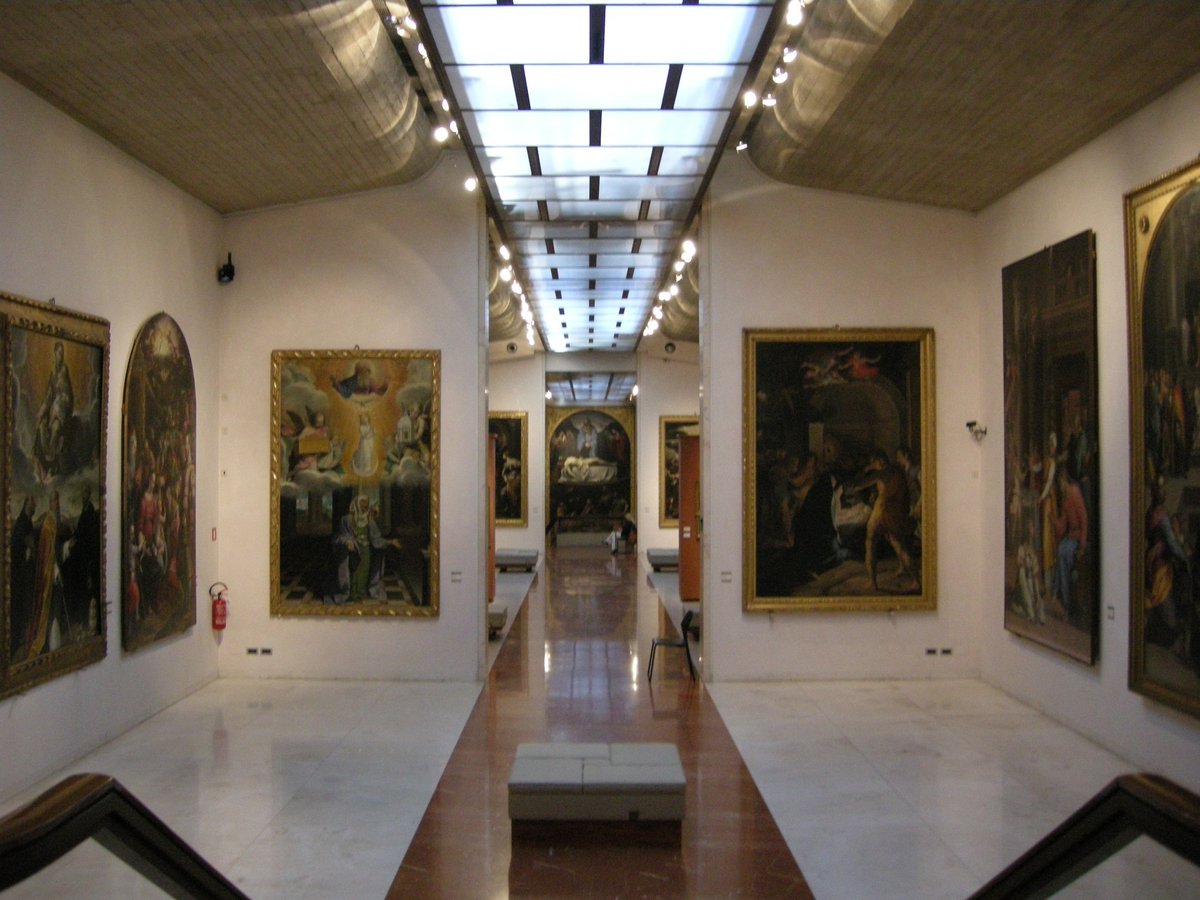 If you love art, the National Gallery of Bologna is an essential stop. Housed in the former Jesuit novitiate of Sant'Ignazio, it welcomes you with one of Italy's most important collections, specializing in Emilian painting from the 14th to the 18th century. Don't miss Giotto's masterpieces, with his Polyptych of Santa Maria degli Angeli that will leave you breathless with its color intensity. Then there's Raphael, with his Ecce Homo showcasing all his mastery in psychological portraiture. But it's with the Carracci that Bologna truly shines: Guido Reni, Guercino, and Annibale Carracci guide you through a journey exploring the birth of Emilian Baroque. Vitale da Bologna's Pala di Santa Margherita is a 14th-century gem that transports you to a distant era, while Parmigianino's works reveal the elegance of Mannerism. The layout is modern and well-organized, with thematic rooms that guide you through the centuries without getting lost. Admission costs €10 (reduced €5 for under 25 and over 65), and it's closed on Mondays. Tip: allow at least two hours to avoid rushing, because every room deserves attention. If you're lucky, you might come across one of the temporary exhibitions that enrich the offering.
St. Peter's Cathedral
- Go to the page: Bologna's Cathedral of St. Peter: Renaissance Bell Tower and Fontana's Artworks
- Via dell'Indipendenza, Bologna (BO)
- Open in Google Maps
- View on Google Images
 St. Peter's Cathedral, also known as Bologna Cathedral, is the city's most important church and the seat of the archbishopric. Located on Via dell'Indipendenza, just steps from Piazza Maggiore, this majestic cathedral impresses with its Baroque façade of red and yellow marble, rebuilt in the 17th century after a fire. Upon entering, visitors are dazzled by the interior: three naves defined by pillars and columns, a gilded coffered ceiling, and the dome frescoed by Vittorio Bigari with scenes from the life of St. Peter. Don't miss the Chapel of the Blessed Sacrament, adorned with polychrome marble, and the 18th-century organ, one of the oldest still functioning in Italy. The cathedral also houses precious relics, such as a fragment of the True Cross. Climb the bell tower (accessible at specific times) for a panoramic view of Bologna, from the Towers to the Apennines. It's a vibrant place of worship: daily Masses are celebrated here, along with events like organ concerts. Admission is free, but check the opening hours to avoid services. I recommend visiting in the morning when light filters through the stained-glass windows, creating a suggestive atmosphere. Perfect for a peaceful break amidst the hustle and bustle of the city center.
Salaborsa Library
- Piazza del Nettuno 3, Bologna (BO)
- http://www.bibliotecasalaborsa.it/
- Open in Google Maps
- View on Google Images
 If you think a library is just a place of silence and books, Salaborsa Library in Bologna will make you think again. Located in Piazza del Nettuno, right next to Piazza Maggiore, this cultural space is a true architectural and historical gem. The building itself tells centuries of history: it was built as the Commodity Exchange headquarters in 1929, but beneath the glass floor of the central hall you can admire archaeological remains from Roman, medieval, and Renaissance times. It's like walking on a living history book!
Beyond the artifacts, Salaborsa offers an extensive collection of books, newspapers, and magazines, with sections dedicated to children, teens, and adults. The main atrium, with its glass and iron dome, is a bright and welcoming space where you can read, study, or simply observe the flow of life around you. Don't miss the temporary exhibitions and cultural events, often free, that animate the spaces. If you're traveling with children, the youth section is perfect for entertaining them with workshops and storytelling sessions. Admission is free and open to all, but remember to respect the quiet in study areas. A practical tip: visit the internal café for a refreshing break with a view of the square.
MAMbo: Bologna's Museum of Modern Art
- Via Don Giovanni Minzoni 14, Bologna (BO)
- Open in Google Maps
- View on Google Images
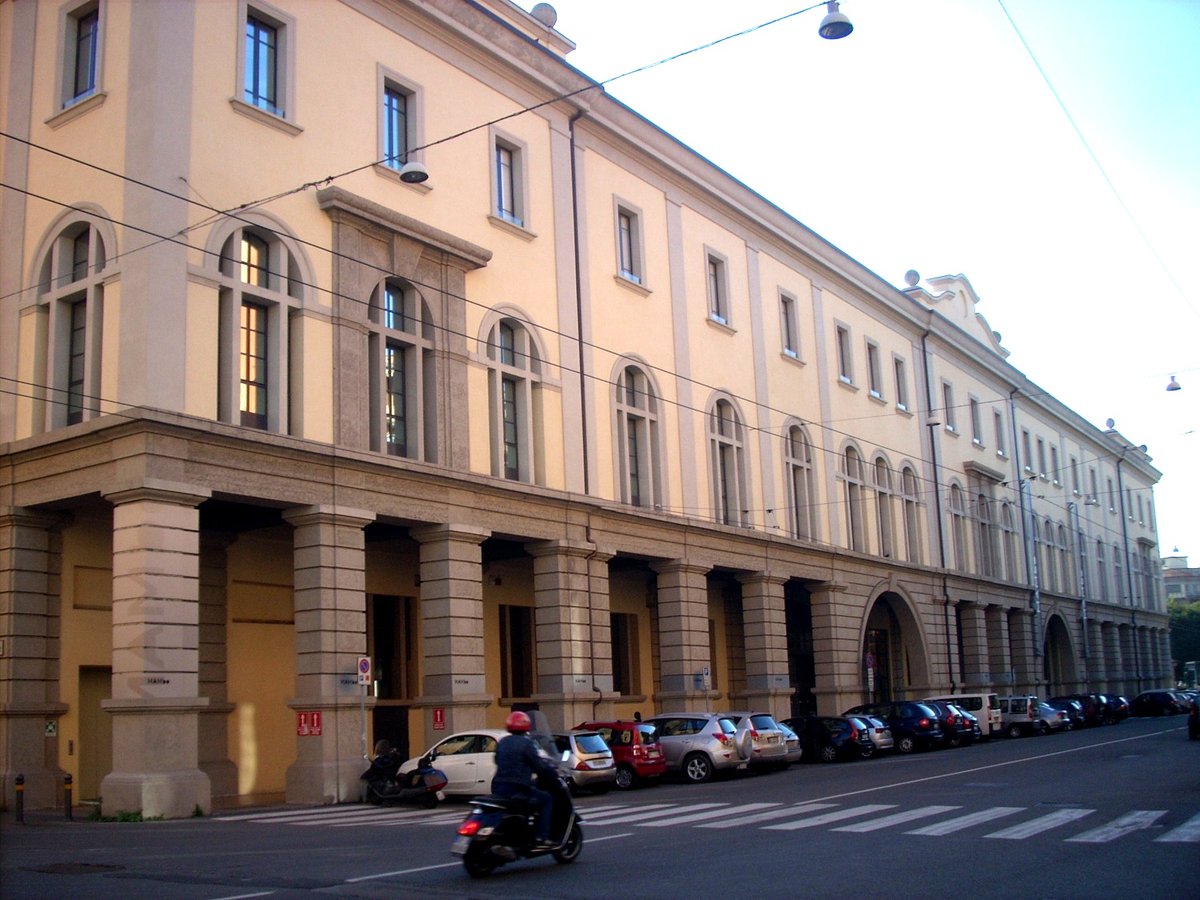 MAMbo is an essential destination for contemporary art lovers in Bologna. Housed in the former Forno del Pane, a renovated industrial building on Via Don Minzoni, the museum features a permanent collection spanning from the post-war period to the present day, with works by both Italian and international artists. The temporary exhibitions are always cutting-edge and often include site-specific installations that interact with the venue's unique architectural spaces. Don't miss the Permanent Collection, which showcases masterpieces by Giorgio Morandi, Luigi Ontani, and Vanessa Beecroft, along with a section dedicated to performance art and new media. The museum also houses the Morandi Museum, home to the world's most important collection of works by Giorgio Morandi. The atmosphere is vibrant and accessible, with a well-stocked bookshop and a café where you can relax after your visit. MAMbo regularly organizes workshops, guided tours, and events to bring contemporary art closer to the public. Admission is affordable, with reduced rates for students and seniors over 65, and free on the first Sunday of the month. It's an experience that enriches any Bologna itinerary, offering a fresh perspective on the Italian art scene.
Ducati Museum
- Via Antonio Cavalieri Ducati, Bologna (BO)
- https://www.ducati.com/it/it/borgo-panigale-experience
- Open in Google Maps
- View on Google Images
- +39 051 641 3111
 If you're a motorsport enthusiast, the Ducati Museum is an unmissable stop in Bologna. Located within the Borgo Panigale factory, this museum takes you straight to the heart of the Ducati legend. It's not just a collection of motorcycles, but a true journey through over 90 years of history, innovation, and racing triumphs. The displayed motorcycles tell the story of the brand's technological and stylistic evolution, from the first models of the 1940s to the modern supersport bikes that dominate world circuits. The racing section is thrilling: here you can get up close to the bikes that have won world championships, with the names of the legendary riders who piloted them. The setup is modern and interactive, with explanatory panels, videos, and multimedia stations that make the visit engaging even for non-experts. The chronological path guides you through the key moments in Ducati's history, including difficult periods and rebirths that made the brand a global icon. Don't miss the most iconic motorcycles, like the 750 SS that revolutionized the superbike world, or the MotoGP Desmosedici. The museum is well-organized and accessible, with guides available in Italian and English. Remember that it's located within the production area, so the atmosphere is authentic: you'll smell the workshop scents and see up close how a Ducati is born. I recommend booking online to avoid queues, especially on weekends. Perfect for a total immersion in Italian motorcycle passion.
Teatro Comunale di Bologna
- Go to the page: Teatro Comunale Bologna: Perfect Acoustics and Opera Seasons Since 1763
- Largo Respighi, Bologna (BO)
- https://www.tcbo.it/
- Open in Google Maps
- View on Google Images
 The Teatro Comunale di Bologna is one of Italy's most important opera houses, a place where classical music and opera find their ideal home. Inaugurated in 1763, this architectural jewel is located in Largo Respighi, just steps from Piazza Maggiore, and represents a cultural landmark for the city. Its neoclassical facade, designed by Antonio Galli Bibiena, conceals an interior rich with golden stuccos, red velvets, and exceptional acoustics that have enchanted artists and audiences for centuries. The main hall, shaped like a horseshoe, seats up to 1,034 spectators and offers a perfect view of the stage from every angle. Here, great names like Rossini, Verdi, and Toscanini have performed, and today the theatre continues to present a high-level opera season with operas, symphony concerts, and ballets. Don't miss the chance to attend a performance or join a guided tour to discover the backstage areas, such as the frescoed ridotto and elegant foyer. The Teatro Comunale is also home to the Orchestra del Teatro Comunale di Bologna, one of the most renowned in Italy. If you love music, this is a must: the atmosphere is magical, and the experience will stay with you for a long time. Remember to check the event calendar on the official website and book tickets in advance, especially for the most popular operas.
Margherita Gardens
- Bologna (BO)
- Open in Google Maps
- View on Google Images
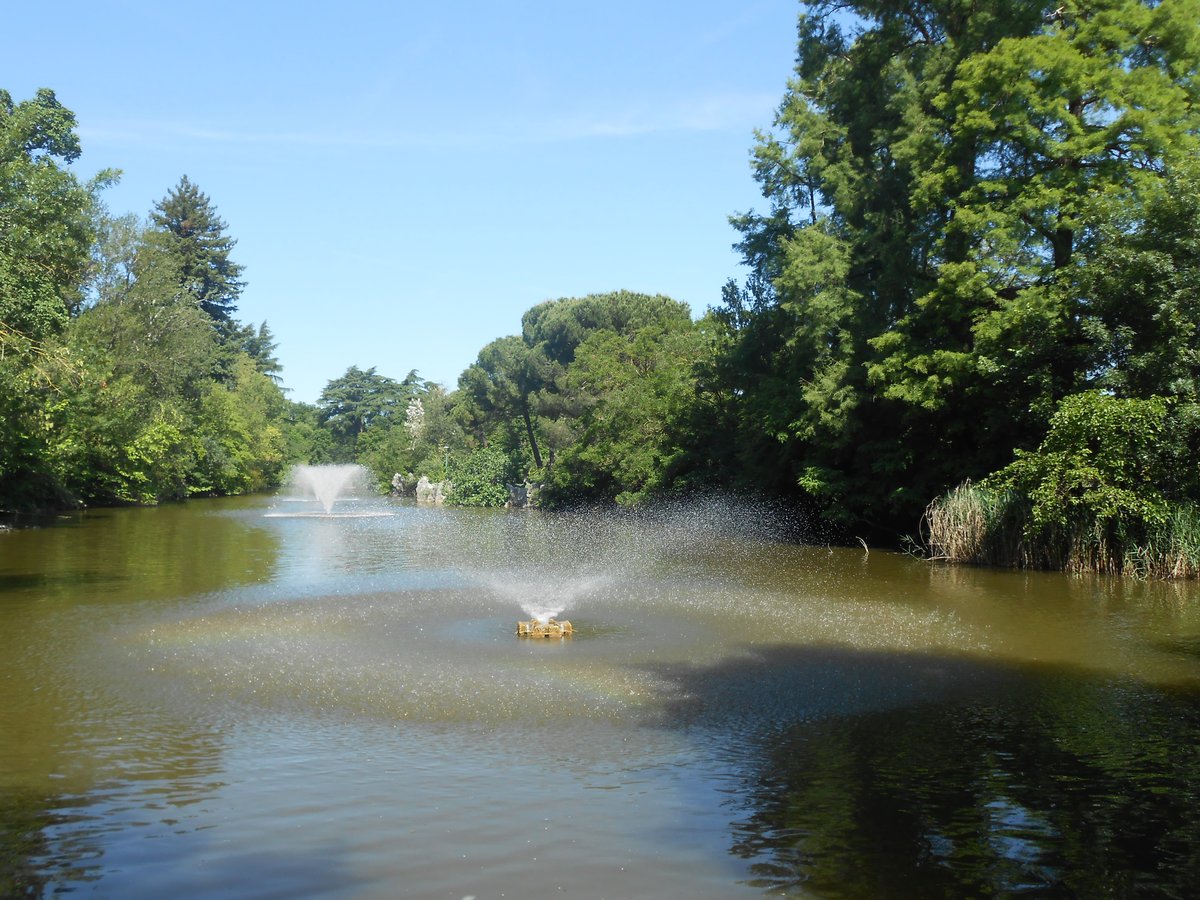 If you're looking for a break from the city chaos, Margherita Gardens is the perfect place. This 26-hectare park, inaugurated in 1879, is Bologna's largest and offers an ideal mix of nature, leisure, and culture. Stroll along the tree-lined avenues and discover the artificial pond, home to ducks and turtles—a tranquil corner perfect for a rest. Don't miss the Palazzina Liberty, a historic building that hosts events and exhibitions, and the Teatrino del Parco, where outdoor performances take place in summer. The lawns are perfect for picnics or lounging in the sun, while the shaded paths invite long walks. For the more active, there are equipped sports areas and a fitness trail. Margherita Gardens is also a meeting point for Bolognese locals: here, you'll breathe a lively atmosphere, especially on weekends when families and groups of friends gather. It's a place that blends history and daily life, ideal for those wanting to discover Bologna beyond its most famous monuments.