
🧭 What to Expect
- Ideal for slow tourism, nature excursions in the Po Delta, and cultural visits off the beaten path.
- Highlights: Po Delta for birdwatching, Villa Badoer (UNESCO heritage), national archaeological museums of Adria and Fratta Polesine.
- Cultural offerings: Palazzo Roverella with temporary exhibitions, Accademia dei Concordi with art gallery, Venetian villas, and ecomuseums of rural life.
- Religious architecture: Rovigo Cathedral, Vangadizza Abbey (Romanesque ruins), and churches like San Martino di Venezze.
The Province of Rovigo is a surprising destination in northeastern Italy, nestled between Veneto and Emilia-Romagna. This territory, known as Polesine, offers a unique blend of history, art, and nature. The Po Delta dominates the landscape with its canals, fishing valleys, and natural oases perfect for birdwatching. Rovigo, the capital, treasures gems like Palazzo Roverella with its temporary exhibitions and the Accademia dei Concordi rich in artworks. Adria, an ancient Etruscan city, hosts the National Archaeological Museum recounting millennia of history. The Venetian villas scattered throughout the countryside, such as Villa Badoer in Fratta Polesine, bear witness to the legacy of the Serenissima. The area is ideal for those seeking slow tourism, with cycle paths along the embankments, tastings of eel and rice, and the authenticity of rural villages. An authentic place, off the beaten track, where every visit holds unexpected discoveries.
Overview
- Ca' Vendramin Regional Land Reclamation Museum
- National Archaeological Museum of Adria
- Villa Badoer
- Accademia dei Concordi
- Roverella Palace
- Vangadizza Abbey
- Rovigo Cathedral
- National Archaeological Museum of Fratta Polesine
- Pizzon Mill Ecomuseum
- Baruffaldi Civic Museum
- Villa Morosini
- Ca' Capello Courtyard Museum
- Villa Grassi
- Church of San Domenicoa
- Church of San Martino
Ca' Vendramin Regional Land Reclamation Museum
- Via Veneto 38, Taglio di Po (RO)
- Open in Google Maps
- View on Google Images
- +39042681219
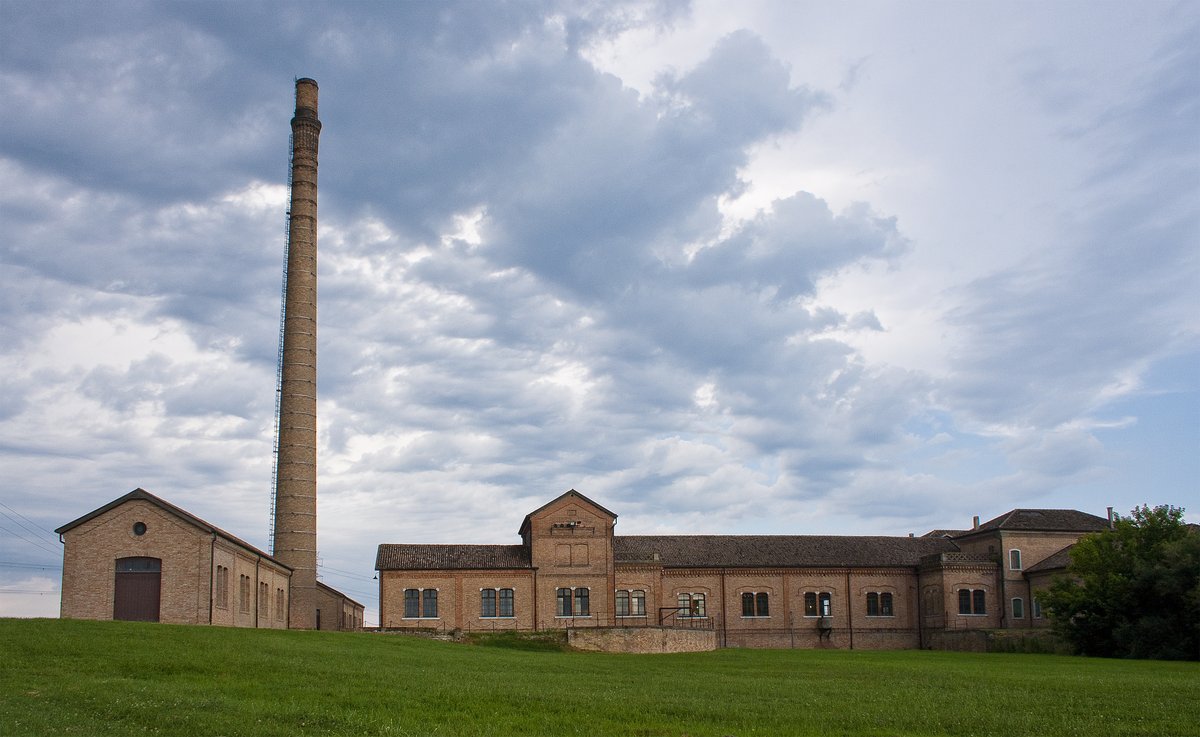 If you think museums are just about paintings and statues, Ca' Vendramin will change your mind. This isn't just any museum: it's a living piece of Polesine's history, housed in the former pumping station that helped reclaim fertile land from the waters. As you enter, you're faced with perfectly preserved original machinery: hydraulic pumps, steam engines, measuring instruments that tell the story of humanity's centuries-long struggle against the waters. The main engine room is impressive, with its huge engines that seem ready to start up again. But what really strikes you is understanding the immense effort it took to reclaim these lands, transforming swamps into cultivated fields. The guides, often descendants of those who worked here, make the visit personal and authentic. Don't miss the section dedicated to the daily life of the land reclaimers, with vintage photos and tools showing the extremely harsh working conditions. This museum isn't just for looking: you can actually touch some of the machinery and understand how it worked. Perfect for those seeking something different from the usual tourist routes, it offers a unique glimpse into a fundamental chapter of Po Delta history. Practical tip: check opening hours as they can vary, and if possible join a guided tour to catch all the details.
National Archaeological Museum of Adria
- Go to the page: Adria Archaeological Museum: Unique Etruscan Collection with Gold and Amber Jewelry
- Via Giacomo Badini 59, Adria (RO)
- https://polomusealeveneto.beniculturali.it/musei/museo-archeologico-nazionale-di-adria
- Open in Google Maps
- View on Google Images
- pm-ven.museoadria@beniculturali.it
- +39 0426 21612
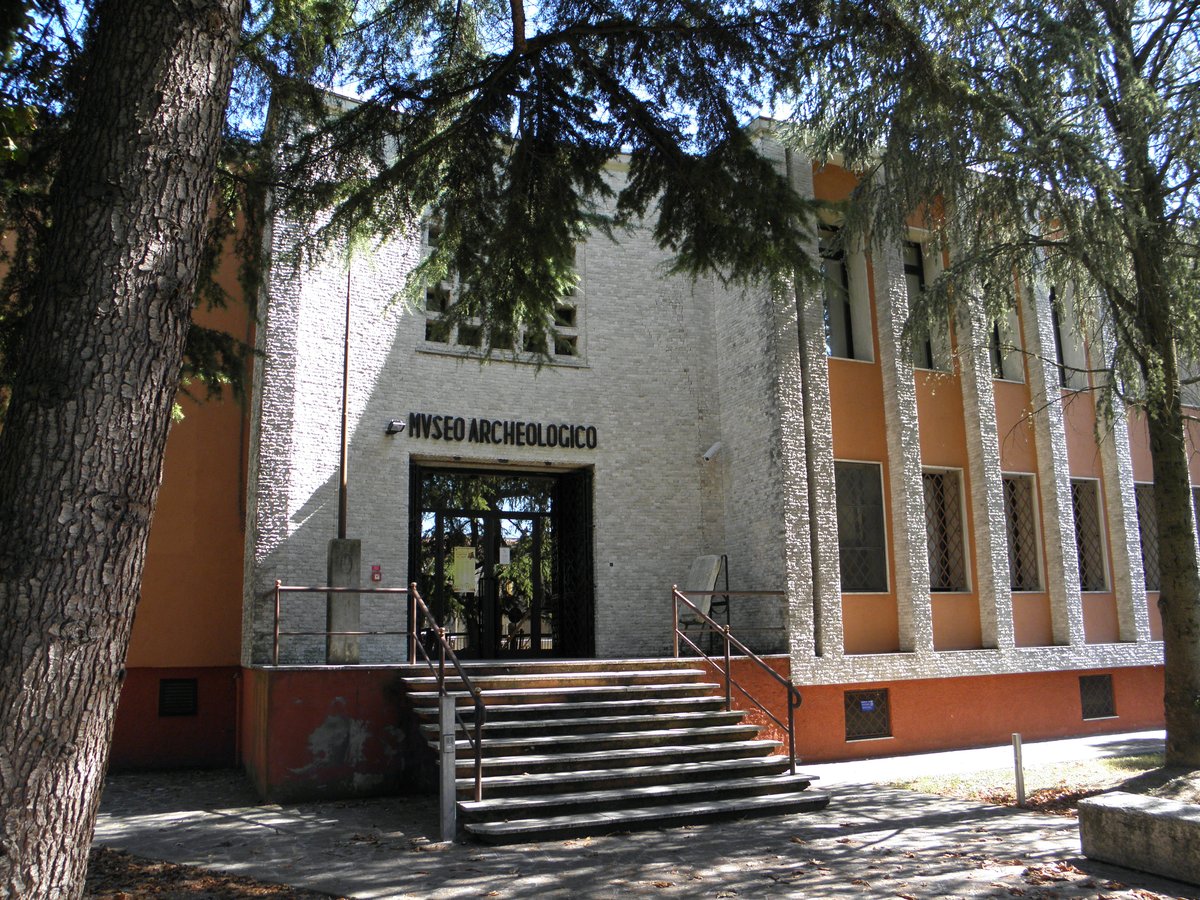 The National Archaeological Museum of Adria is a journey through time that takes you back to the origins of this fascinating city in the Polesine region. Located in the heart of Adria, the museum occupies an elegant modern building that houses artifacts of extraordinary value, the result of excavations that have revealed the important commercial and cultural role of ancient Atria. Here you won't just find dusty display cases, but a compelling narrative of how Etruscans, Greeks, and Romans met and clashed at this crossroads of civilizations. The collections span from prehistory to the Roman era, with Attic ceramics of rare beauty, votive bronzes, and jewelry that testify to wealth and refined craftsmanship. Particularly moving are the funerary objects from local necropolises, with cinerary urns and personal items that bring back the faces and stories of those who lived here millennia ago. The museum is organized into thematic sections that guide visitors through the evolution of the territory, with clear panels and a carefully curated layout that enhances each artifact. Don't miss the room dedicated to the underwater finds from the Po Delta, which include amphorae and artifacts recovered from the seabed, evidence of the maritime trade that made Adria a crucial port. The experience is enriched by multimedia supports that help visualize daily life in antiquity, making the visit accessible even to non-experts. A tip: spend time in the Roman section, where mosaics and domestic tools stand out, showing the continuity of habitation in the area. The museum is a unique opportunity to understand why Adria gave its name to the Adriatic Sea and to discover a piece of history often overlooked by more popular tourist circuits.
Villa Badoer
- Go to the page: Villa Badoer: Ionic Pronaos and Frescoes by Giallo Fiorentino in Fratta Polesine
- Via Zabarella, Fratta Polesine (RO)
- Open in Google Maps
- View on Google Images
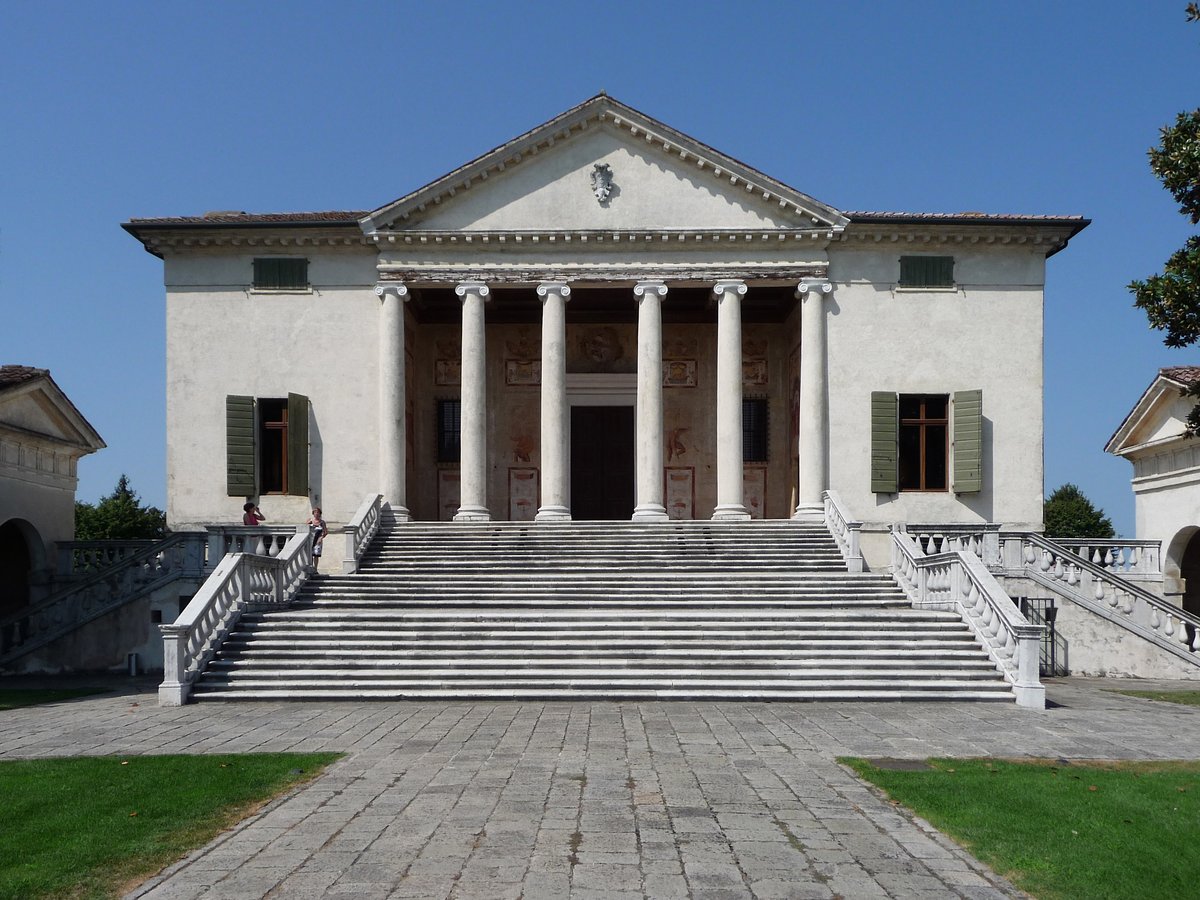 Villa Badoer in Fratta Polesine is the only Palladian villa built entirely of bricks, a detail that makes it unique among Venetian villas. Designed by Andrea Palladio in 1556 for the Venetian nobleman Francesco Badoer, this residence stands out for its monumental façade with a hexastyle portico and the two side barchesse that extend in sweeping curves. The building is included in the UNESCO World Heritage List as part of the 'City of Vicenza and the Palladian Villas of the Veneto' site. Inside, the rooms preserve original 16th-century frescoes, and the museum structure houses archaeological finds from the Bronze Age discovered in the area. The villa is located along the Venetian villas itinerary and is surrounded by a centuries-old park that invites visitors to linger. The visit allows you to discover not only Palladian architecture but also the history of the Polesine territory, with temporary exhibitions that enrich the cultural offering. Access is easy, and its location makes it an unmissable stop for those exploring the lower Veneto region.
Accademia dei Concordi
- Go to the page: Accademia dei Concordi Rovigo: 400 Works from the 15th to the 19th Century and a Historic Library
- Piazza Vittorio Emanuele II 14, Rovigo (RO)
- https://www.concordi.it/
- Open in Google Maps
- View on Google Images
- +39 0425 27991
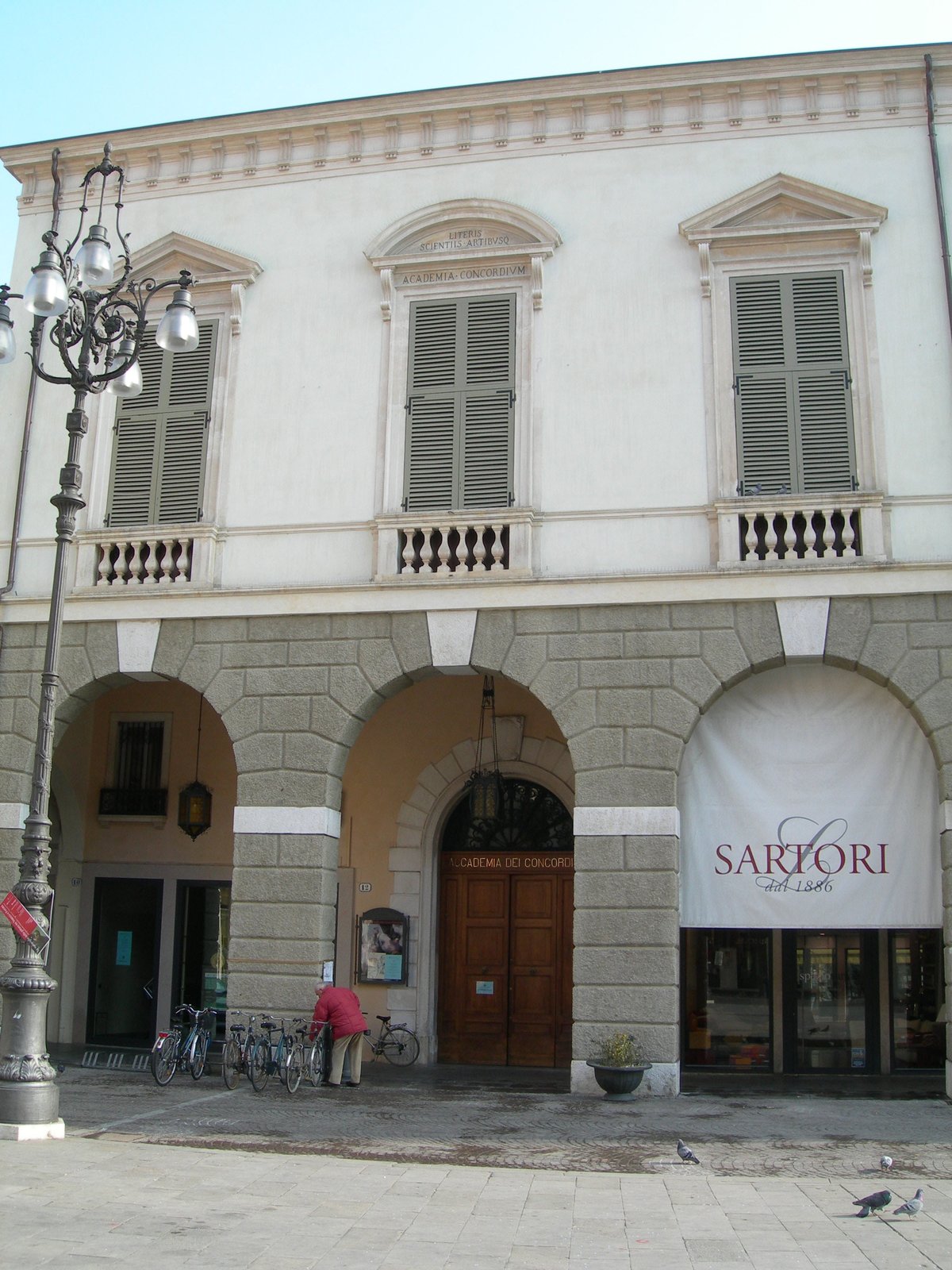 The Accademia dei Concordi is one of the oldest and most prestigious cultural institutions in Rovigo, founded in 1580 by Count Gaspare Campo. Located in Piazza Vittorio Emanuele II, in the heart of the historic center, it houses an art gallery boasting over 700 works including paintings, drawings, and sculptures. The collection spans from the 15th to the 19th century, with masterpieces by Venetian artists such as Giovanni Bellini, Giambattista Tiepolo, and Rosalba Carriera. Notable are the works by Jacopo Palma il Giovane and the section dedicated to Flemish painting. The building itself, with its neoclassical architecture, is an attraction: designed by architect Sante Baseggio, it was completed in 1814. Inside, the library preserves around 300,000 volumes, including incunabula, manuscripts, and rare prints, making it a reference point for scholars and enthusiasts. The Academy regularly organizes temporary exhibitions and cultural events, enriching the offering for visitors. For art lovers, it's a must: it can be visited in about an hour, with affordable tickets and year-round opening. I recommend checking the website for updated hours and current exhibitions.
Roverella Palace
- Go to the page: Palazzo Roverella in Rovigo: Art Exhibitions of Chagall and De Chirico in a Renaissance Palace
- Galleria Bernardino da Feltre, Rovigo (RO)
- Open in Google Maps
- View on Google Images
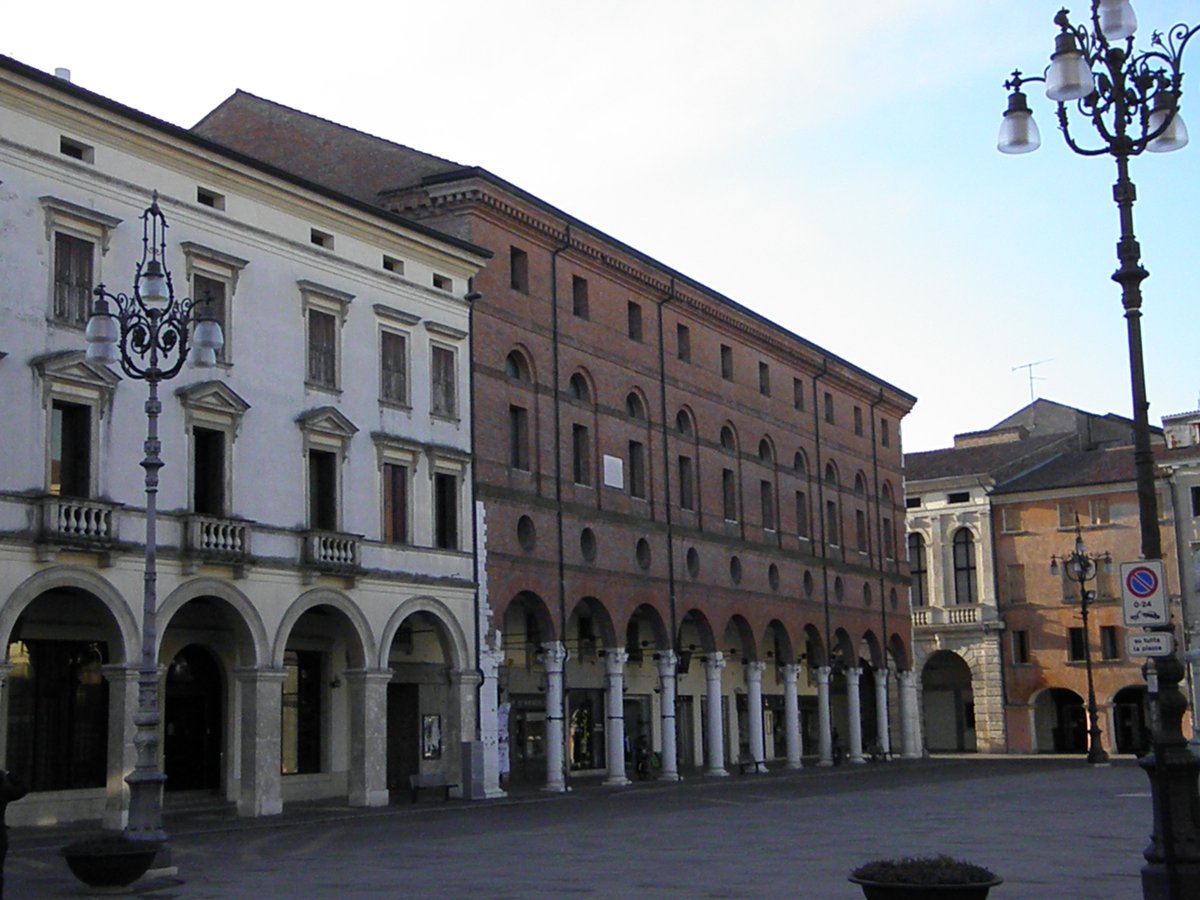 If you're passing through Rovigo, Roverella Palace is a must-see stop. This 15th-century Renaissance building, commissioned by Cardinal Bartolomeo Roverella, welcomes you with its elegant facade and inner courtyard that seems to stop time. Today it houses the Academy of the Concordant, but it's not just a historic palace: it hosts high-level temporary exhibitions that attract enthusiasts from all over Italy. Its frescoed halls, rich in detail, transport you back to the era of the Venetian doges, when Rovigo was a cultural crossroads. Inside, you'll also find a permanent collection of artworks, including paintings and sculptures ranging from the Middle Ages to the 18th century. It's a living place where art converses with history, and the exhibitions often explore unique themes, such as those dedicated to 19th-century Italian art or 20th-century masters. The palace is located right in the city center, just steps from the Cathedral and other attractions, making it perfect for a stress-free visit. If you love art or simply want to discover an authentic corner of Polesine, you won't be disappointed here. I recommend checking the exhibition calendar before going: there are often special events that enrich the experience.
Vangadizza Abbey
- Go to the page: Vangadizza Abbey: Renaissance Cloister and 10th-Century Medieval Ruins
- Piazza Vangadizza, Badia Polesine (RO)
- Open in Google Maps
- View on Google Images
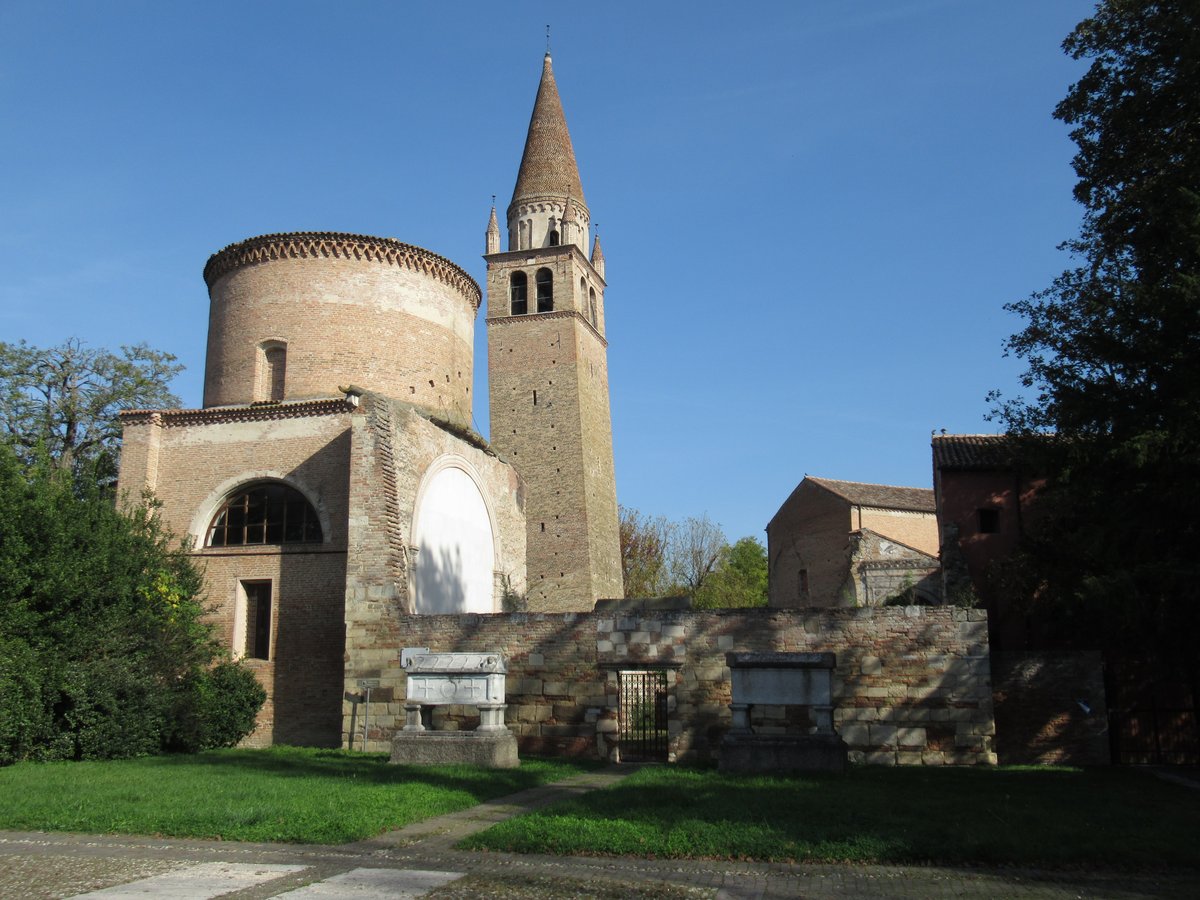 Vangadizza Abbey is one of those places that surprises you with its thousand-year history and the atmosphere of peace it still preserves. Founded in the 10th century by Benedictine monks, this abbey was for centuries an important religious and cultural center of Polesine. Today, what remains are the evocative ruins of the abbey church, with its imposing architectural remains emerging from the greenery of the surrounding park. The original structure, in Romanesque style, still shows traces of the frescoes that once decorated the walls. Walking among the remains, you can admire the truncated bell tower and the fragments of columns and capitals scattered throughout the area. The abbey is linked to the figure of Matilda of Canossa, who stayed here several times, adding an important piece to its already rich history. The complex also includes the remains of the cloister and monastic cells, which give an idea of the monks' daily life. The site is perfect for a quiet visit, away from the crowds, perhaps combined with a stop at the nearby Baruffaldi Civic Museum, which preserves artifacts and documents on the history of the abbey. Access is free and the area is well-maintained, with informative panels that help understand the evolution of the place over time. A tip: visit at sunset, when the warm light enhances the textures of the ancient stones.
Rovigo Cathedral
- Piazza Duomo, Rovigo (RO)
- Open in Google Maps
- View on Google Images
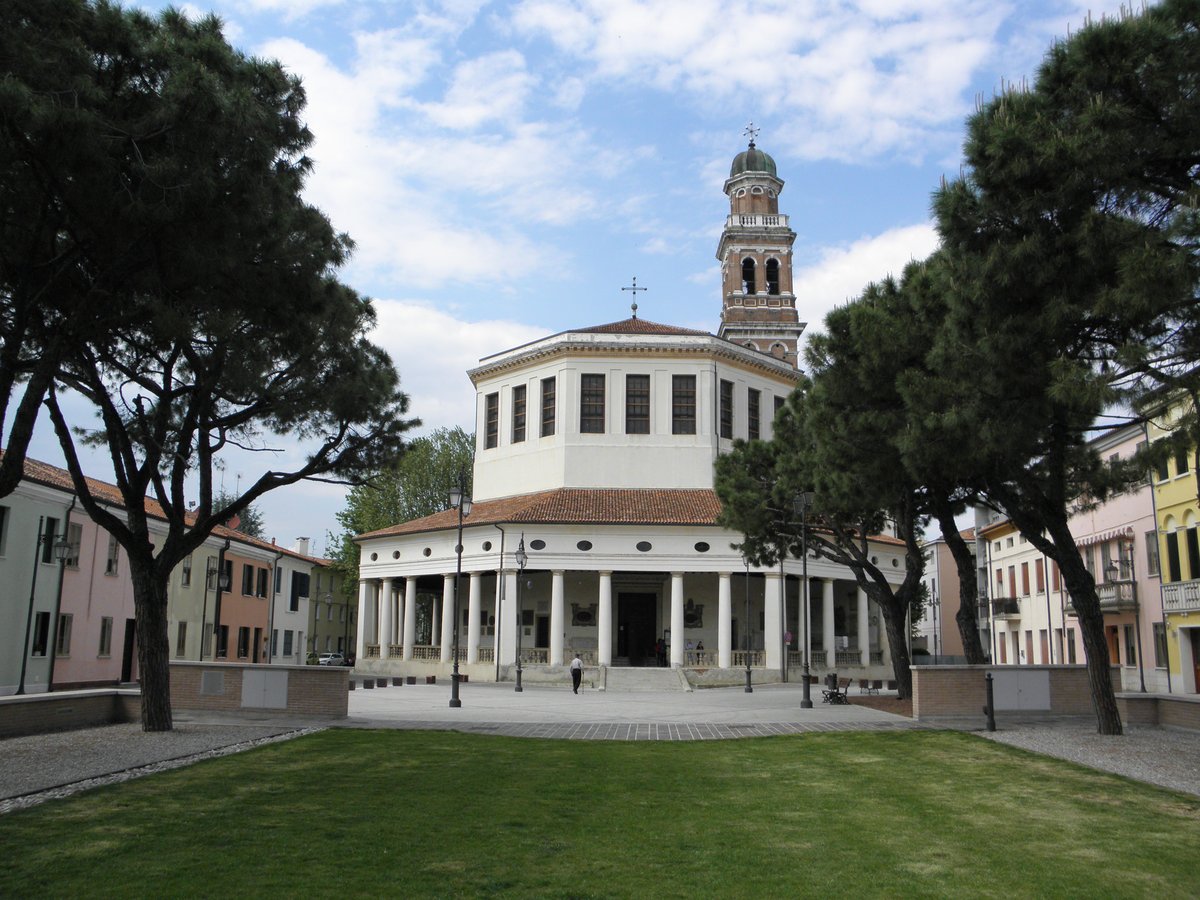 The Rovigo Cathedral, dedicated to Pope and Martyr Saint Stephen, is the main Catholic place of worship in the city and one of the most important religious symbols of the Polesine region. Located in Piazza Duomo, in the heart of the historic center, this cathedral boasts medieval origins: the first construction likely dates back to the 10th century, although the current building is the result of numerous subsequent renovations. The facade, completed in 1696 based on a design by Andrea Tirali, features a sober and monumental Baroque style, with a large central portal topped by a triangular pediment. Inside, with three naves, notable artworks stand out: the Martyrdom of Saint Stephen by Palma il Giovane, the Altarpiece of Saint John the Baptist attributed to Giovanni Bonconsiglio, and the 16th-century Baptistery made of red Verona marble. Also remarkable are the main altar, crafted in the 18th century, and the wooden choir. The accessible crypt preserves the relics of some local saints. The bell tower, 57 meters high and built between 1655 and 1774, offers a panoramic view of the city and the surrounding plain. The Cathedral remains an active place of worship today, serving as the seat of the Diocese of Adria-Rovigo, and hosts regular liturgical celebrations. Its central location makes it easily accessible on foot, fitting perfectly into an itinerary exploring the artistic and religious heritage of Rovigo.
National Archaeological Museum of Fratta Polesine
- Via Giovanni Tasso 1, Fratta Polesine (RO)
- http://musei.beniculturali.it/musei?mid=4313&nome=museo-archeologico-nazionale-barchessa-di-villa-badoer
- Open in Google Maps
- View on Google Images
- pm-ven.museofratta@beniculturali.it
- +39 0425 668523
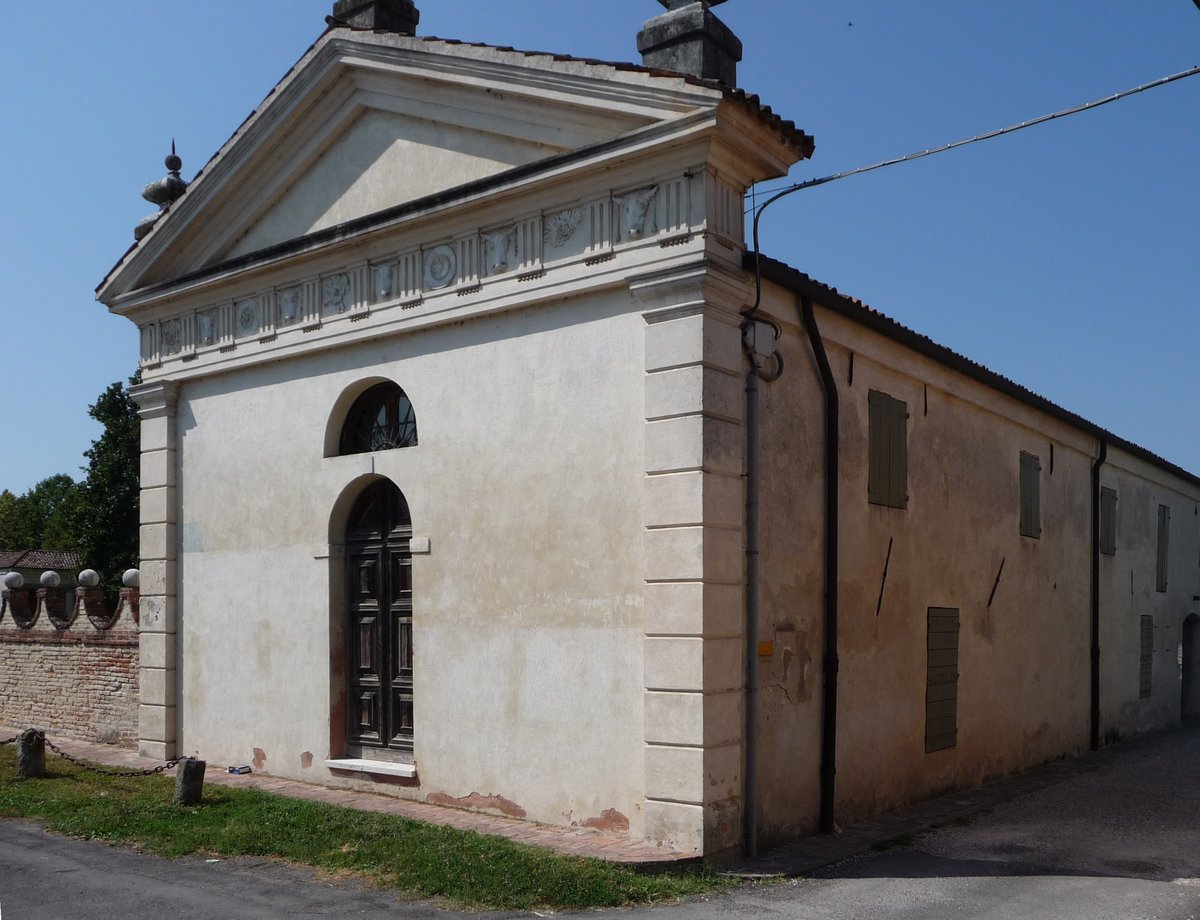 The National Archaeological Museum of Fratta Polesine is a hidden gem that absolutely deserves a visit if you're passionate about ancient history. Located within Villa Badoer, a UNESCO World Heritage site designed by Palladio, the museum houses extraordinary finds from the excavations of the protohistoric village of Frattesina, an important commercial center of the Bronze Age. Here you can admire objects made of amber, glass, and ivory that testify to trade contacts with the Eastern Mediterranean as early as 3,000 years ago. The burials with funerary goods reconstruct the daily life of the ancient Venetic population. Particularly interesting are the bronze artifacts and decorated ceramics that showcase the high level of craftsmanship achieved. The museum is well-organized with clear explanatory panels and a path that guides you through the different phases of the site's occupation. Admission is free and the environment is welcoming for families with children. Keep in mind that the museum is closed on Mondays and that it might be busier on weekends. If you're visiting Polesine, this museum offers you a unique perspective on the most ancient history of the territory, showing you how this area was a crossroads of cultures millennia ago.
Pizzon Mill Ecomuseum
- Via Pizzon, Fratta Polesine (RO)
- http://www.locandaalpizzon.com
- Open in Google Maps
- View on Google Images
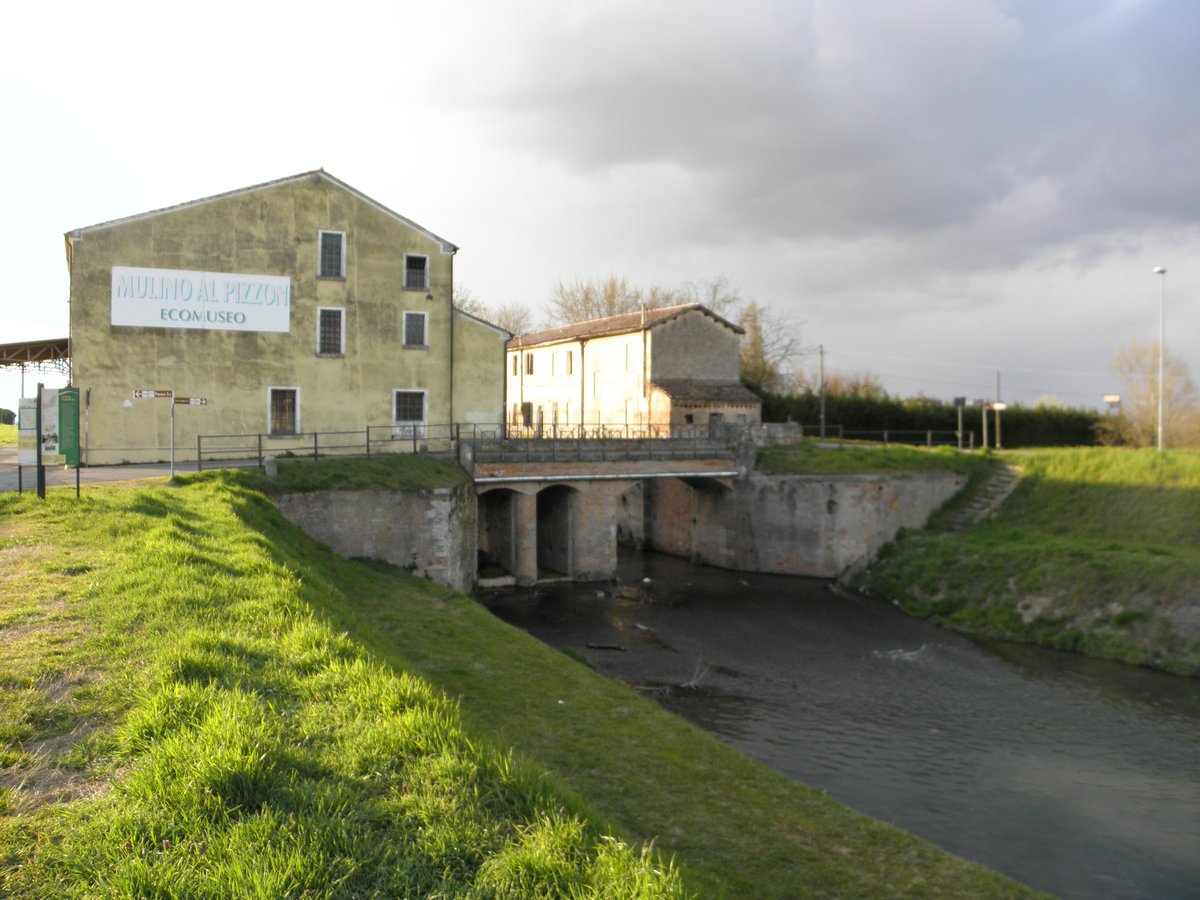 The Pizzon Mill Ecomuseum in Fratta Polesine is one of those places that truly helps you understand what peasant life was like in Polesine. This perfectly preserved 19th-century watermill welcomes you with its large, still-functioning blades and wooden structure that smells of history. This isn't your typical static museum: here you'll see the original stone millstone that transformed wheat into flour, the hydraulic mechanisms that harnessed the river's current, and the authentic tools of the millers. The most interesting part? You'll discover how this mill was the heart of the local economy, a reference point for all the area's farmers who brought their grain here. The exhibition route guides you through the daily life of the millers, with period photographs showing fieldwork and grain processing. Particularly evocative is the section dedicated to traditional milling techniques, with practical demonstrations during guided tours. The surrounding environment, with the watercourse still present, perfectly helps you imagine what this place must have been like when it was fully operational. An experience that takes you directly into the rural culture of Polesine, far from the usual tourist routes.
Baruffaldi Civic Museum
- Piazza Vittorio Emanuele II, Badia Polesine (RO)
- Open in Google Maps
- View on Google Images
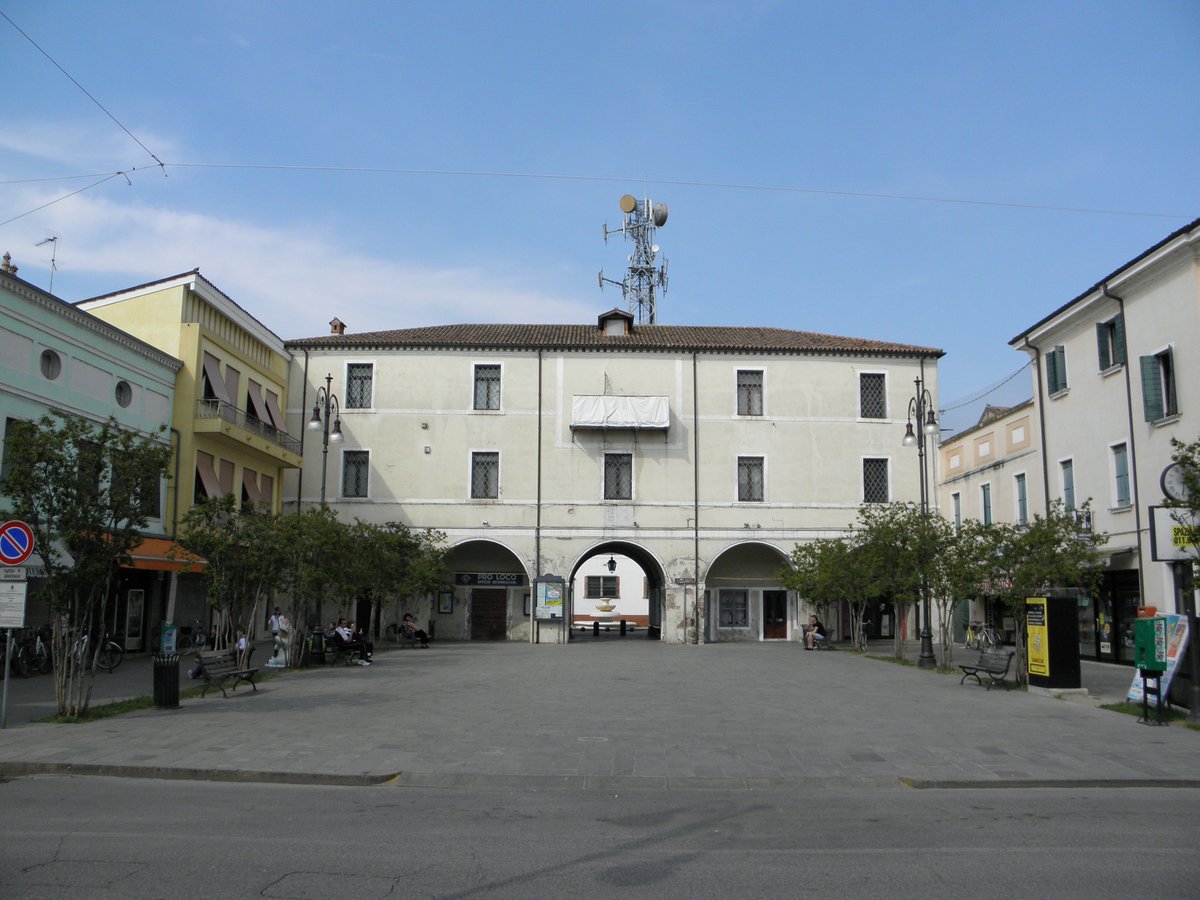 The Baruffaldi Civic Museum in Badia Polesine is a cultural gem that absolutely deserves a visit. Located in the historic center of the city, the museum takes its name from the renowned historian and poet Girolamo Baruffaldi, a native of this area. The permanent collection ranges from archaeology to local history, with artifacts that tell the story of the Polesine territory's evolution from prehistoric times to the modern era. Particularly fascinating are the sections dedicated to the Paleo-Venetic civilization and the medieval period, featuring ceramics, coins, and everyday tools that offer an authentic glimpse into the past. Don't miss the room dedicated to Girolamo Baruffaldi, where original manuscripts, books, and documents are preserved, showcasing his significant contribution to Italian culture. The museum is housed in a well-preserved historic building, with regular opening hours throughout the year and an affordable admission fee. The exhibition is modern and educational, with clear explanatory panels that make the visit enjoyable even for non-experts. For those who wish to delve deeper, guided tours by reservation are available, enriching the experience with anecdotes and curiosities about local history. A tip: allow at least an hour to explore all sections at a leisurely pace, taking time to appreciate the most significant artifacts.
Villa Morosini
- Via Selmi, Polesella (RO)
- Open in Google Maps
- View on Google Images
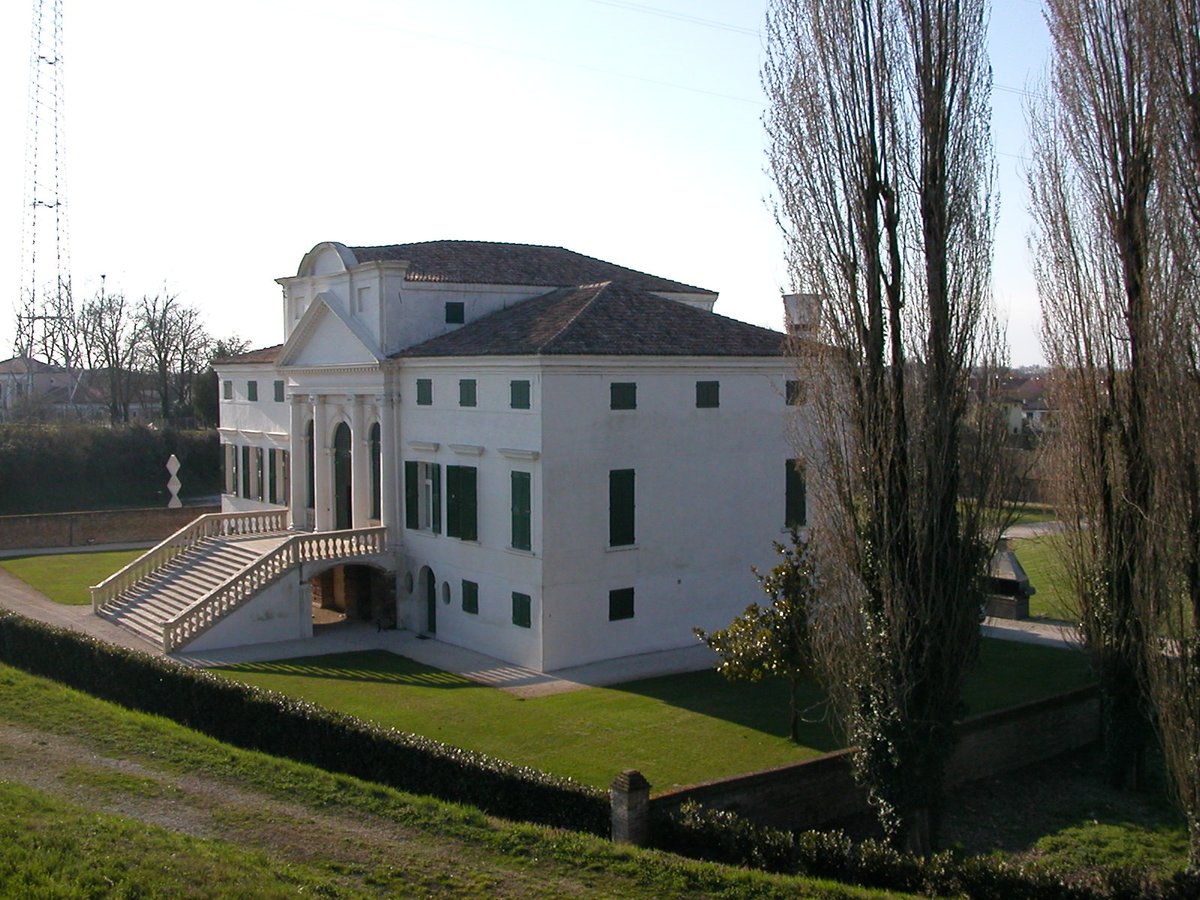 If you're looking for a corner of history in the heart of Polesine, Villa Morosini in Polesella is an unmissable stop. Built in the 17th century by the powerful Venetian Morosini family, this residence perfectly represents the connection between the Serenissima and the mainland territories. The villa stands out for its Palladian architecture with Baroque influences, characterized by a symmetrical facade and an imposing portico. Inside, the rooms preserve traces of ancient frescoes and coffered ceilings, while the noble floor housed the reception rooms. What makes this villa unique is its strategic position along the Po River, once crucial for controlling river traffic. Today, although not always accessible to the public, you can admire its exterior and surrounding park, where you can still breathe the atmosphere of an era when Venetian villas were centers of power and culture. To visit, check opening hours through local channels: it's sometimes used for cultural events or weddings. A tip: combine your visit with a stroll through Polesella's center to discover other historical glimpses of the Po Delta.
Ca' Capello Courtyard Museum
- Via Stradonazzi, Porto Viro (RO)
- http://www.smppolesine.it/corte/pagine/home.php
- Open in Google Maps
- View on Google Images
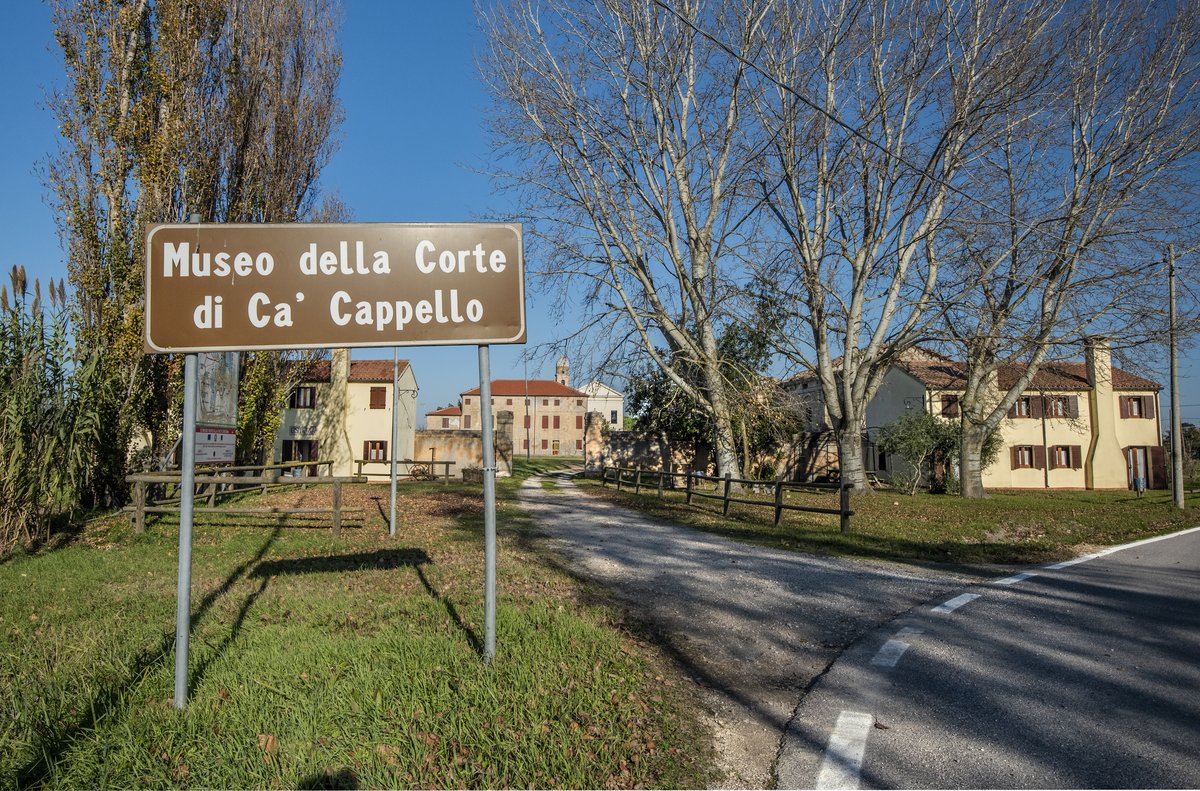 The Ca' Capello Courtyard Museum in Porto Viro is one of those discoveries that truly helps you understand the local territory. Don't expect a classic museum with dusty display cases: here you enter a perfectly preserved rural courtyard where every object tells the story of daily life in Polesine between the 19th and 20th centuries. The structure is organized around a large central courtyard, with the original buildings housing different sections. The most interesting part is certainly the one dedicated to agricultural activities, with farming tools that show how cultivation was done in this reclaimed land area. The collection of agricultural carts is among the most complete in the province, with specific models for transporting hay and farm products. There are also reconstructed domestic environments with period furniture and kitchen utensils that give you an idea of how people lived in farmhouses. Particularly well-curated is the section on milk processing, with all the tools for butter and cheese production. The museum often organizes practical demonstrations of ancient crafts, especially on weekends when volunteers show how these tools were actually used. The atmosphere is authentic: it really feels like taking a leap back in time, when life revolved around the rhythms of the countryside. For those visiting the Po Delta, it's a perfect complement to understanding the human history of this territory beyond its natural aspects.
Villa Grassi
- Strada Provinciale 4 Rovigo-Adria, Adria (RO)
- Open in Google Maps
- View on Google Images
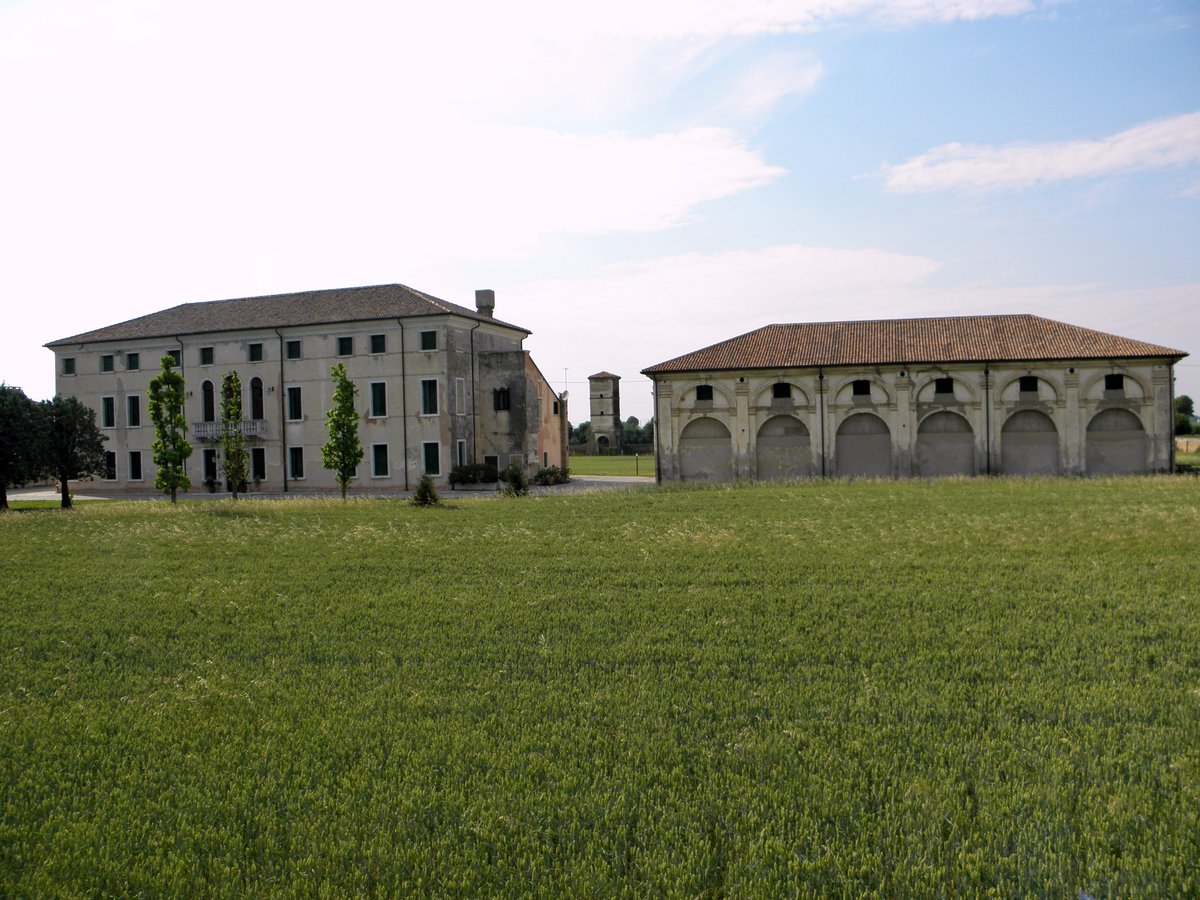 Villa Grassi in Adria is an architectural surprise worth stopping for. Built in the 18th century, this historic residence embodies Venetian neoclassical elegance with its symmetrical facade and regular windows. What immediately catches the eye is the centuries-old park surrounding it: a green lung with majestic trees and pathways perfect for a peaceful stroll. The interior preserves original frescoes and decorated ceilings that tell the story of the noble families of Polesine. It's not a conventional museum, but an authentic place where you can breathe in local history. The villa is located just minutes from the center of Adria, easily reachable even on foot. It often hosts temporary exhibitions and cultural events, adding a contemporary touch to its ancient structure. The garden is freely accessible and offers shaded corners ideal for a break. Perfect for those seeking an experience away from crowded tourist circuits, Villa Grassi offers moments of quiet and unpretentious beauty. I recommend checking the opening hours before your visit, as they may vary depending on scheduled events.
Church of San Domenicoa
- Via Venticinque Aprile, Guarda Veneta (RO)
- Open in Google Maps
- View on Google Images
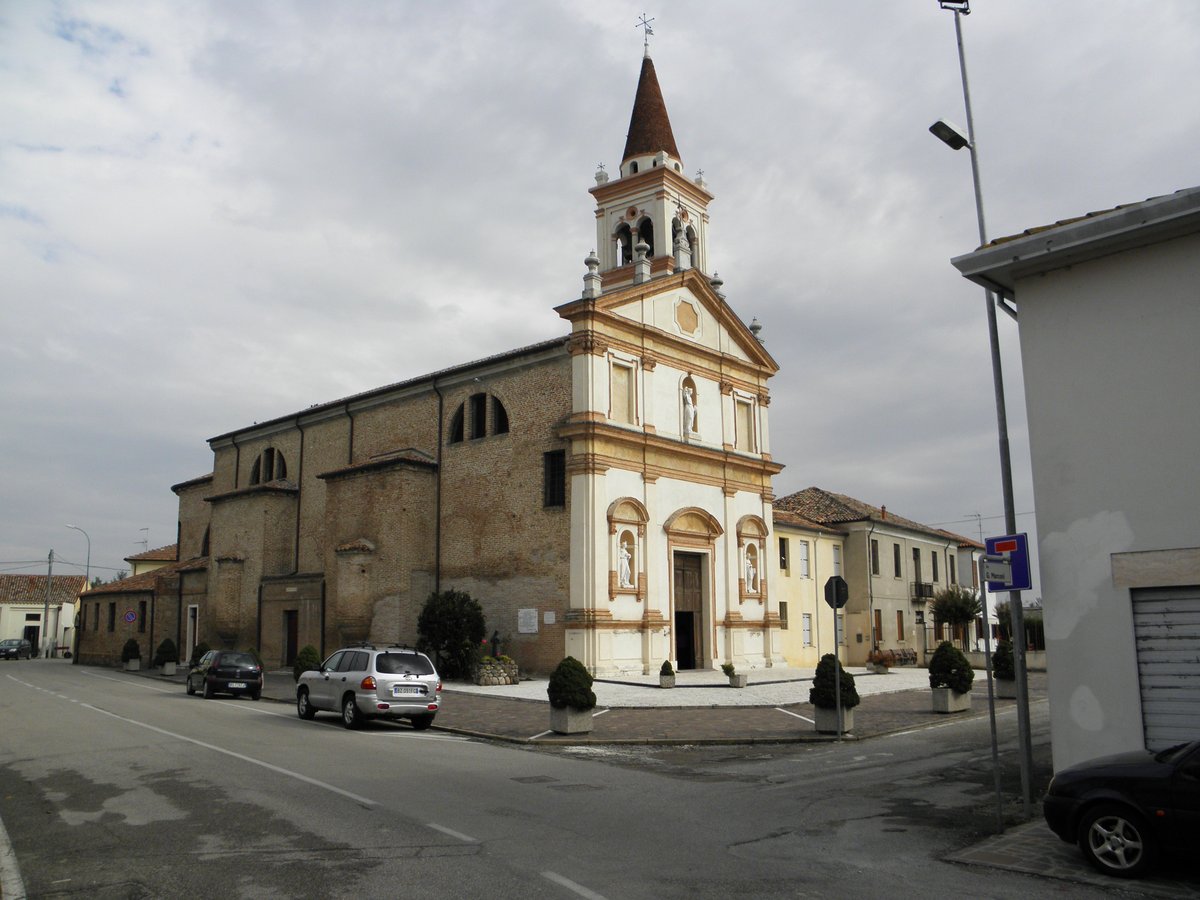 The Church of San Domenicoa in Guarda Veneta is an architectural surprise worth discovering. Built in the 18th century, this church features a sober facade that conceals an interior rich in Baroque details. The building stands out for its central plan and the dome that dominates the structure, creating a particular effect of luminosity inside. The high altar is a work of excellence, with polychrome marbles and decorations that testify to the skill of local craftsmen. The church preserves some 18th-century Venetian school canvases, including a Madonna and Child that draws attention for the delicacy of its features. The church's location, in the heart of the small center of Guarda Veneta, makes it an ideal stop for those seeking less crowded but equally significant places of worship. The tranquility felt inside invites contemplation, far from the noises of daily life. The church is generally open during religious celebrations, but it's possible to visit by contacting the parish. A tip: take advantage of the visit to take a walk through the village and discover other characteristic corners of Polesine.
Church of San Martino
- Via Mazzini, San Martino di Venezze (RO)
- Open in Google Maps
- View on Google Images
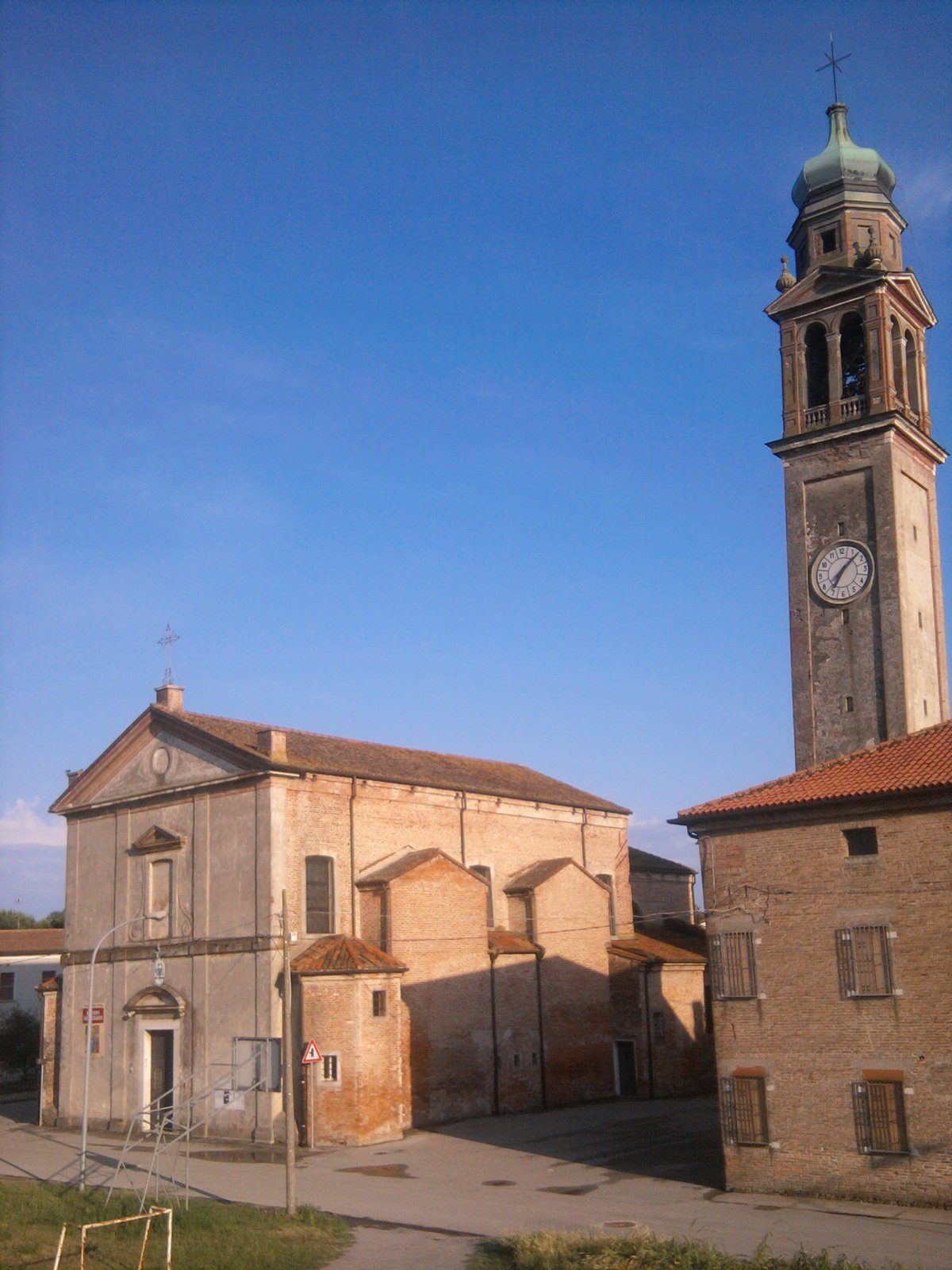 The Church of San Martino in San Martino di Venezze is a place that surprises with its essential beauty. Built in the 12th century, it preserves its Romanesque architecture intact, with its exposed brick facade and the slender bell tower that rises above the surrounding countryside. Upon entering, one breathes an atmosphere of contemplation: the interior features a single nave, with cross vaults and few but significant furnishings. The main marble altar, crafted in the 18th century, stands out, along with some fragmentary frescoes that tell centuries of devotion. The church is dedicated to Saint Martin of Tours, the patron saint of the village, and during local religious festivities it becomes the heart of celebrations. Its location, slightly set back from the inhabited center, offers moments of tranquility ideal for a restorative stop. To visit, check the opening hours by contacting the parish, as it is not always freely accessible. A tip: combine the stop with a walk through the village streets, where you'll discover rural traditions still alive.